

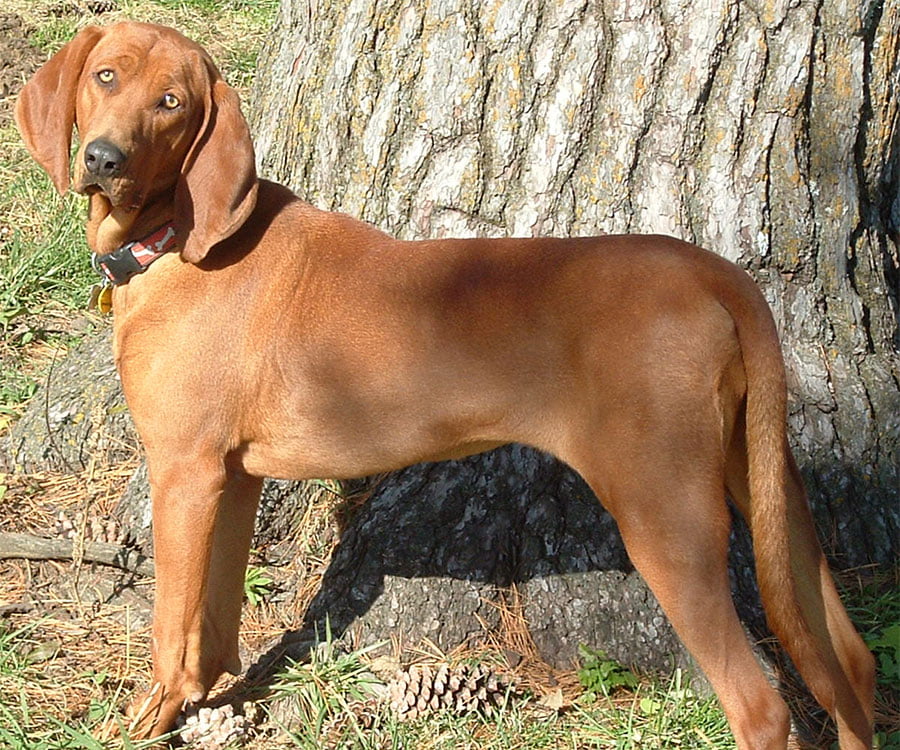
You might notice a red, long-eared hound at the dog park who seems perfectly friendly, right up until a scent hits the air and their whole body switches on. Or you might be considering a Redbone Coonhound because you want an active companion, then pause when you read words like “baying”, “prey drive”, and “independent”.
Redbones often surprise people because they can be affectionate and sociable at home, yet intensely single-minded outdoors. That is not a flaw or “stubbornness” in the simple sense, it is what a scent hound was built to do. The practical question is whether your life has room for that kind of dog, and whether you enjoy working with an animal whose nose sometimes leads the conversation.
When a Redbone is matched well to their people, you usually see a calm confidence settle in, because their needs are being met: movement, sniffing, training that makes sense to them, and thoughtful management around wildlife and escapes.
Redbone Coonhound at a glance
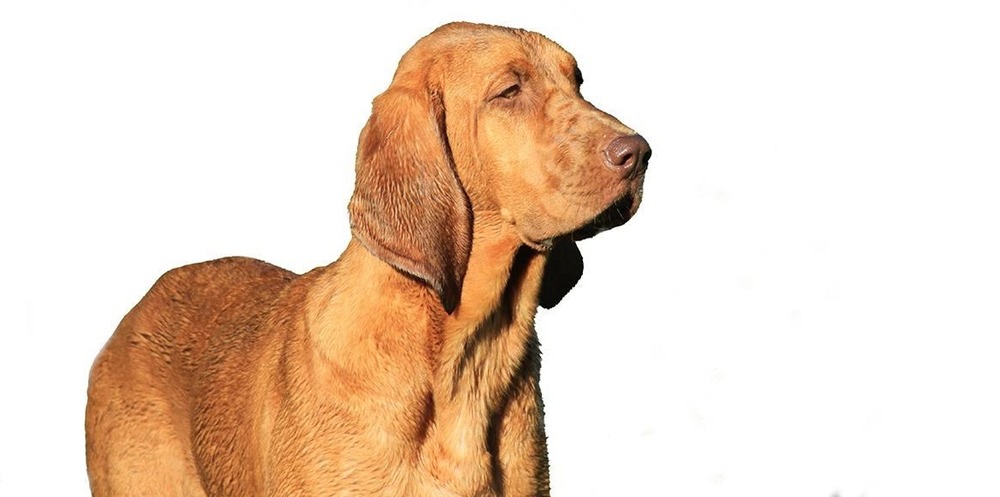
- Group: Hound (scent hound)
- Origin: United States
- Height: roughly 53 to 69 cm at the shoulder (varies by sex and standard)
- Build: athletic, medium to large, made for endurance
- Coat: short, smooth, usually a rich red
- Energy: high, benefits from daily exercise and sniffy enrichment
- Voice: can be very vocal, especially when excited or on scent
- Typical lifespan: often around 10 to 14 years (individuals vary)
Where the breed came from, and what that still means today
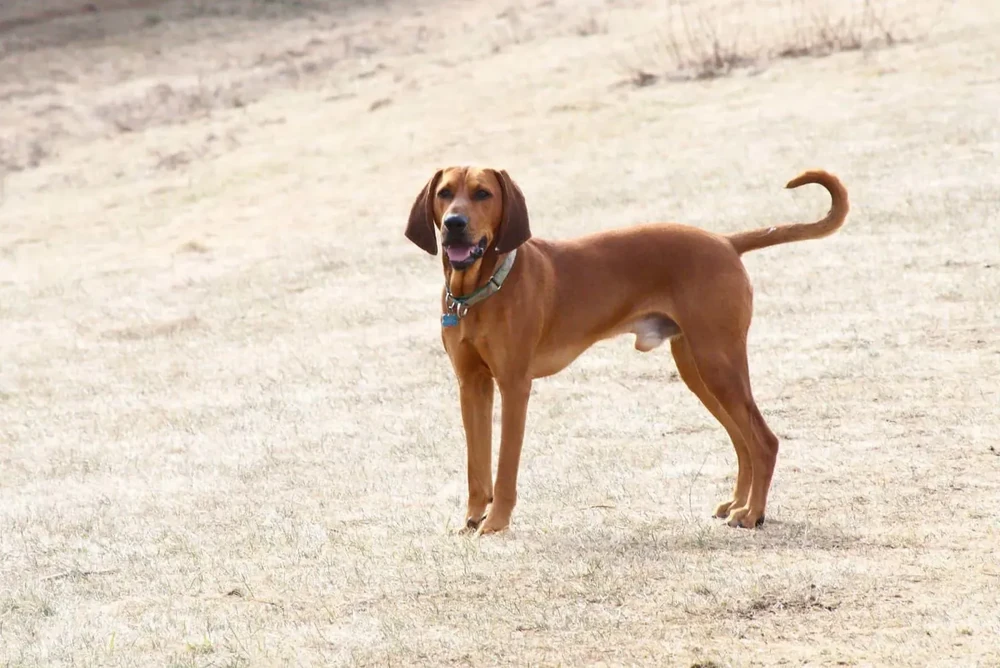
The Redbone Coonhound developed in the United States as hunters shaped dogs that could trail and tree game by scent, often over long distances and difficult terrain.1, 2 That history is why many Redbones are happiest when they can move, range, and use their nose every day, even if hunting is not part of your life.
Modern breed information can be confusing because different registries and sources describe size and recognition dates differently. The American Kennel Club recognised the Redbone Coonhound in 2010, and the breed standard was approved in late 2009.1 In practice, you will still see variation in height and weight between lines, especially between dogs bred primarily for work versus companionship.
A quick note on “baying”
Redbones are known for a distinctive hound voice that carries. It can be part of the charm in the right setting, and a genuine challenge in close suburbs. If noise is a deal-breaker, it is worth spending time around adult coonhounds before committing, because training can improve skills like settling and recall, but it does not remove a breed’s natural voice.
Temperament, day to day behaviour, and suitability

Many Redbone Coonhounds are sociable and people-oriented, and can do well with children when the household sets them up for success with supervision and good routines. They also tend to be enthusiastic greeters, so it helps to teach polite behaviour early, especially around visitors and kids.
What catches some owners off guard is the way a Redbone’s attention can “flip” outdoors. A dog who ambles along nicely might suddenly become powerfully motivated when a scent trail appears. This is where secure fencing and long-line skills matter, not because the dog is trying to be difficult, but because scent work is deeply reinforcing for hounds.
With other pets, outcomes vary. Some Redbones live peacefully with cats and small animals, particularly if raised with them, while others find small, fast-moving animals very exciting. A thoughtful introduction plan, and realistic management, tends to work better than relying on hope.
Training a Redbone, working with the nose rather than against it
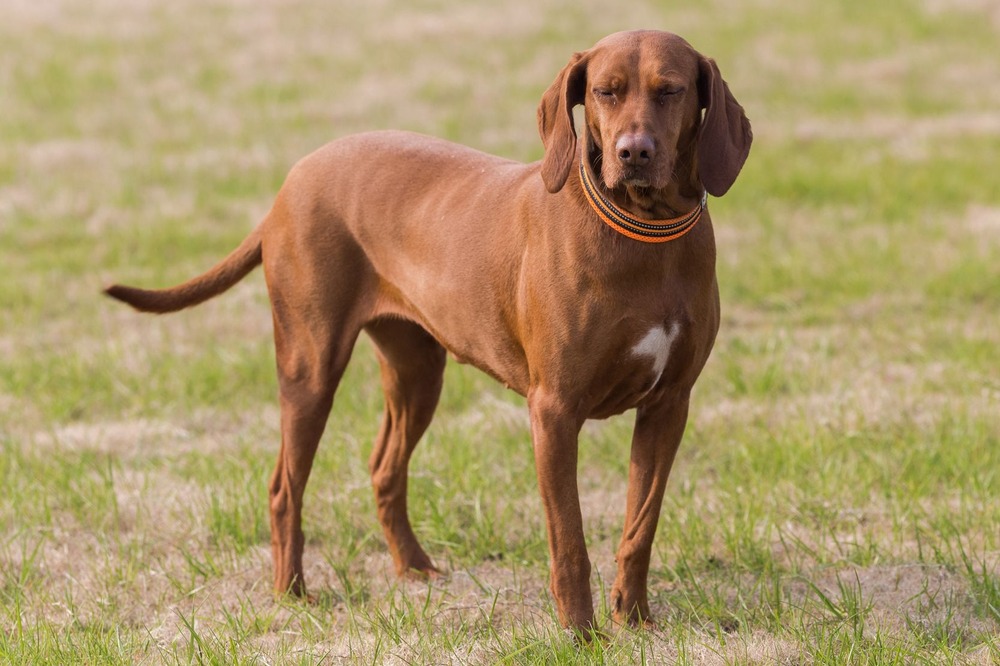
Most people get the best results with a Redbone by leaning into reward-based training and making sessions relevant. Scent hounds often learn quickly, but they may not repeat behaviours just to keep you happy. That is normal for the type.
Reward-based, positive reinforcement approaches are widely recommended by animal welfare organisations, including the RSPCA, because they help build reliable behaviour without relying on intimidation or pain.3, 4 For a hound, this matters even more, because heavy-handed methods can create avoidance or conflict without improving the underlying motivation to follow scent.
What tends to help in real homes
- Short, frequent sessions that end before the dog checks out.
- Recall games on a long line until reliability is proven in multiple places.
- Scent-led enrichment like scatter feeding in the grass, “find it” games, and beginner tracking.
- Settle skills (mat training, calm reinforcement) so the dog learns how to switch off indoors.
Exercise and enrichment, making space for the hound brain
A Redbone usually needs more than a quick walk around the block. Think in terms of both movement and mental work. A brisk lead walk is useful, but sniffing time is often what actually takes the edge off.
If you are building a routine, aim for a mix: structured walking, free sniffing on a long line in safe areas, and a little training. Over time, many owners find the dog becomes easier to live with when their daily life includes legal, safe sniffing opportunities rather than constant prevention.
Health and preventive care

Redbone Coonhounds are often robust dogs, but like many medium to large breeds they can be affected by conditions such as hip dysplasia. Hip dysplasia is influenced by genetics and environment, and signs can range from subtle stiffness to more obvious lameness.5 If you are buying a puppy, ask what health screening is done in the line, and discuss appropriate exercise and growth management with your vet.
Long, floppy ears can also make some hounds more prone to ear trouble, especially if they swim often or get recurrent yeast or bacterial overgrowth. If your dog develops a bad smell, redness, pain, or discharge, it is worth seeing a vet rather than repeatedly cleaning at home.
Ear care, kept simple
For routine maintenance, many vets recommend gentle cleaning when needed, avoiding cotton buds, and keeping ears dry after bathing or swimming.6 The key is to treat ear cleaning as a calm handling skill, not a wrestling match.
Grooming and everyday maintenance
The Redbone’s coat is short and generally easy to manage. A weekly brush can help remove loose hair and give you a chance to check skin, paws, and nails. Because these dogs often love the outdoors, it is also practical to check for grass seeds, ticks (where relevant), and small cuts after adventures.
Maintenance is less about fancy grooming and more about steady, boring routines: nails kept short, teeth cared for, ears monitored, and weight managed.
Food and weight, keeping an athlete lean
Redbones can carry extra weight surprisingly easily once adulthood settles in, especially if exercise drops but treats remain generous. Weight matters for any dog, but it becomes particularly relevant when you are thinking about joints and long-term mobility.
Veterinary nutrition guidance often emphasises choosing diets based on evidence and suitability for the individual dog, rather than relying on marketing claims or ingredient-list assumptions.7 If you are unsure, your vet can help you choose a complete and balanced food and adjust portions based on body condition, not just the feeding guide on the bag.
Living with a Redbone, who thrives and who struggles
A Redbone Coonhound often thrives with people who enjoy the outdoors, have a securely fenced yard, and do not mind a dog with opinions and a loud voice from time to time. They can also suit rural and semi-rural homes where sound and space are less constrained.
They tend to struggle when their world is small and repetitive, or when the household expects a dog who stays focused on the handler at all times. If you want a companion who is always scanning back for direction, a different type might suit you better. If you like a dog who brings initiative, and you are willing to build skills patiently, a Redbone can be a deeply satisfying partner.
A note on Redbones in stories and popular culture
Many people first hear of Redbone Coonhounds through Where the Red Fern Grows, which helped cement the breed in popular imagination.2 It is a meaningful cultural reference, but it can also create expectations that real dogs cannot meet. A better starting point is the dog in front of you, their temperament, their genetics, and the life you can realistically offer.
References
- American Kennel Club (AKC): Redbone Coonhound history and recognition
- Wikipedia: Redbone Coonhound (overview and history summary)
- RSPCA Knowledgebase: Reward-based dog training and positive reinforcement
- RSPCA Knowledgebase: Training recommendations and avoiding aversive methods
- Orthopedic Foundation for Animals (OFA): Canine hip dysplasia information
- Vetwest Veterinary Clinics: Ear problems, cleaning guidance, and using drops
- World Small Animal Veterinary Association (WSAVA): Global Nutrition Guidelines
- United Kennel Club (UKC): Redbone Coonhound breed standard summary
- American Kennel Club (AKC): Overview of coonhound breeds, including Redbone