

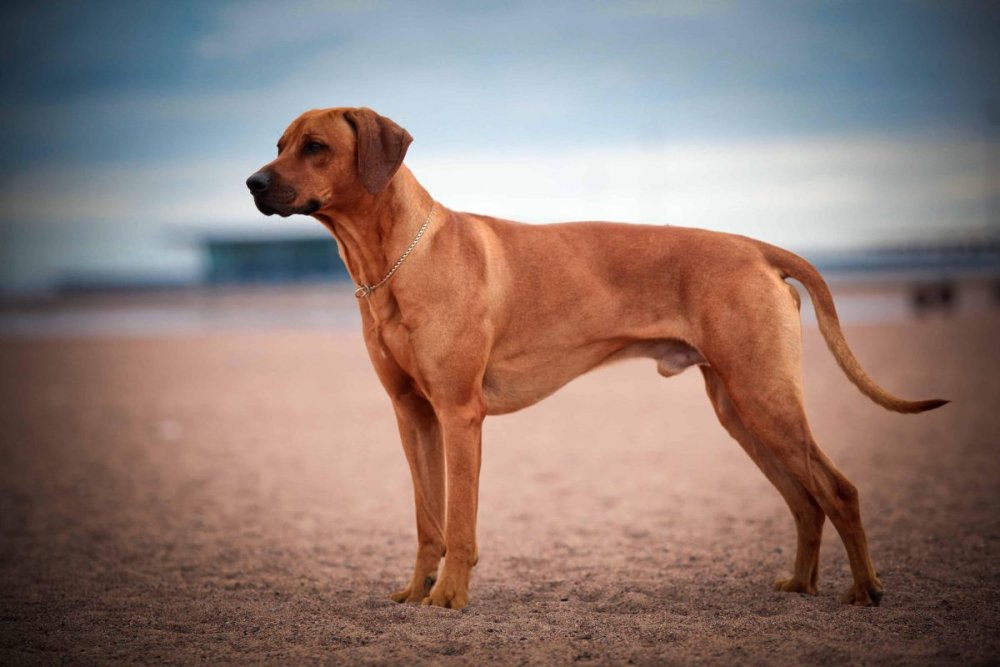
You might notice it on a walk first: a tall, sleek dog with a calm, assessing presence, and that unmistakable line of hair running the “wrong” way along its spine. If you ask around, you will hear a mix of stories. Some people describe the Rhodesian Ridgeback as a gentle family dog. Others focus on its hunting history, and assume it must be intense or hard to live with.
The truth sits somewhere in the middle. Ridgebacks are often steady and dignified at home, but they are also athletic, independent-minded dogs who do best when their daily life includes movement, structure, and thoughtful training. When those pieces are missing, the same strengths that make them impressive can become difficult to manage.
It helps to think of the Rhodesian Ridgeback as a capable working dog in a companion dog’s world. When you match the dog to the household, and set up the basics well, they can be deeply rewarding to live with.
Rhodesian Ridgeback at a glance
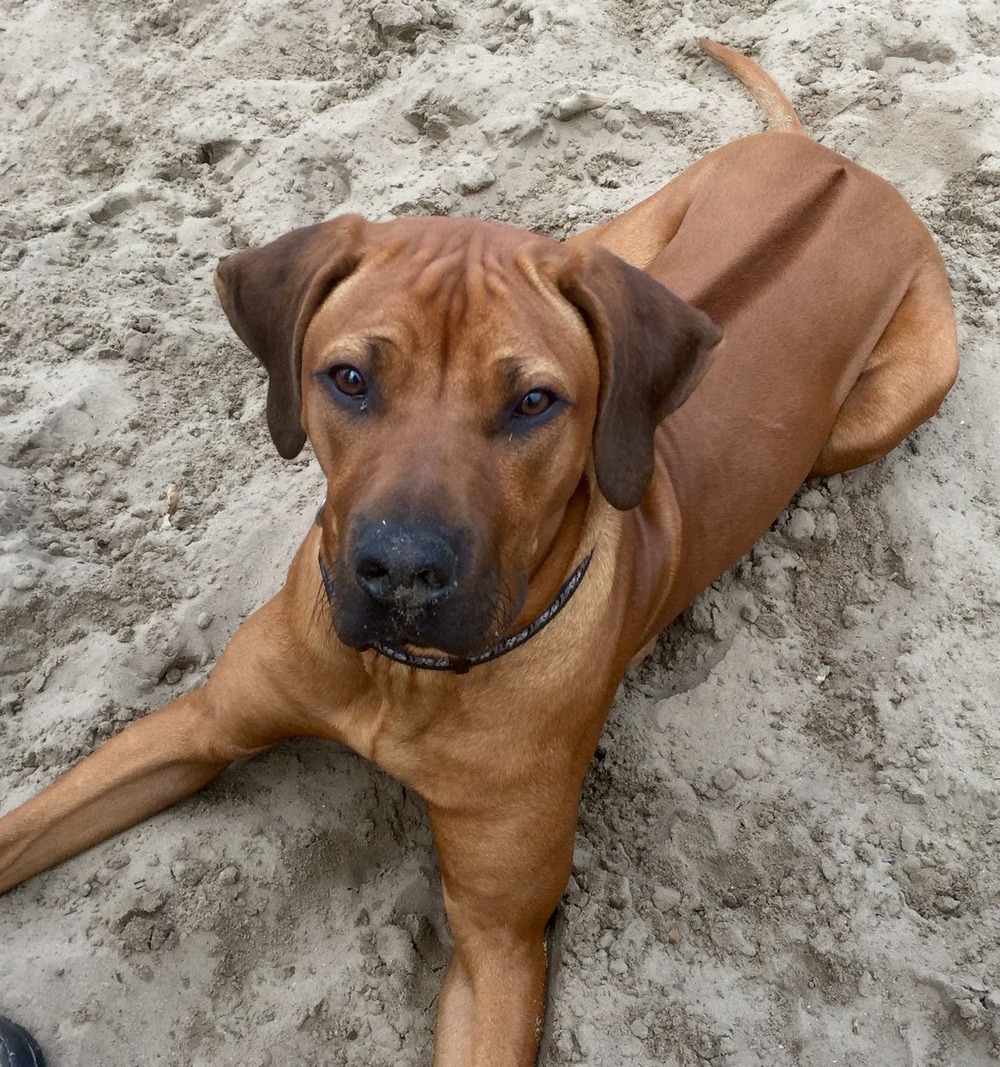
- Breed group: Hound
- Origin: Southern Africa (modern breed developed in what is now Zimbabwe and South Africa)
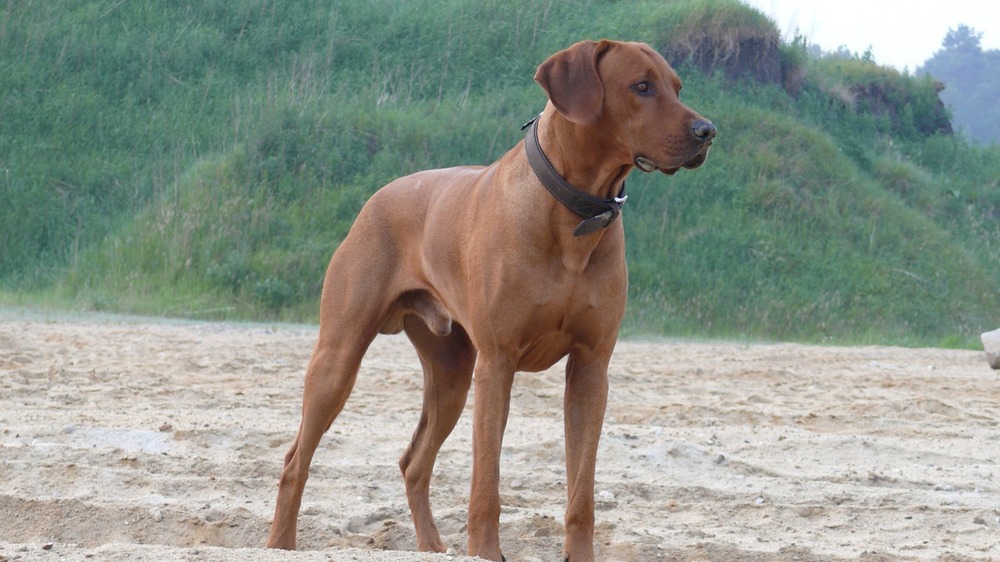
- Height (adult): Dogs 63 to 69 cm, bitches 61 to 66 cm1
- Weight (adult): Often around 36.5 kg for dogs and 32 kg for bitches (standards describe “desirable” weights, but individuals vary)1
- Life expectancy: Commonly 10 to 12 years4, 5
- Coat: Short, dense, sleek; typically light wheaten to red wheaten2
- Exercise needs: High, they need daily physical activity and mental engagement
Where the breed came from, and why the ridge matters

Most Ridgeback traits make more sense when you remember what the breed was shaped to do. The Rhodesian Ridgeback developed in southern Africa as a versatile hunting and farm dog, valued for stamina, soundness, and the ability to cope with heat and rough country. The modern breed standard traces back to the early 1920s and was later approved in southern Africa, which is why many descriptions still carry that working-dog emphasis.1
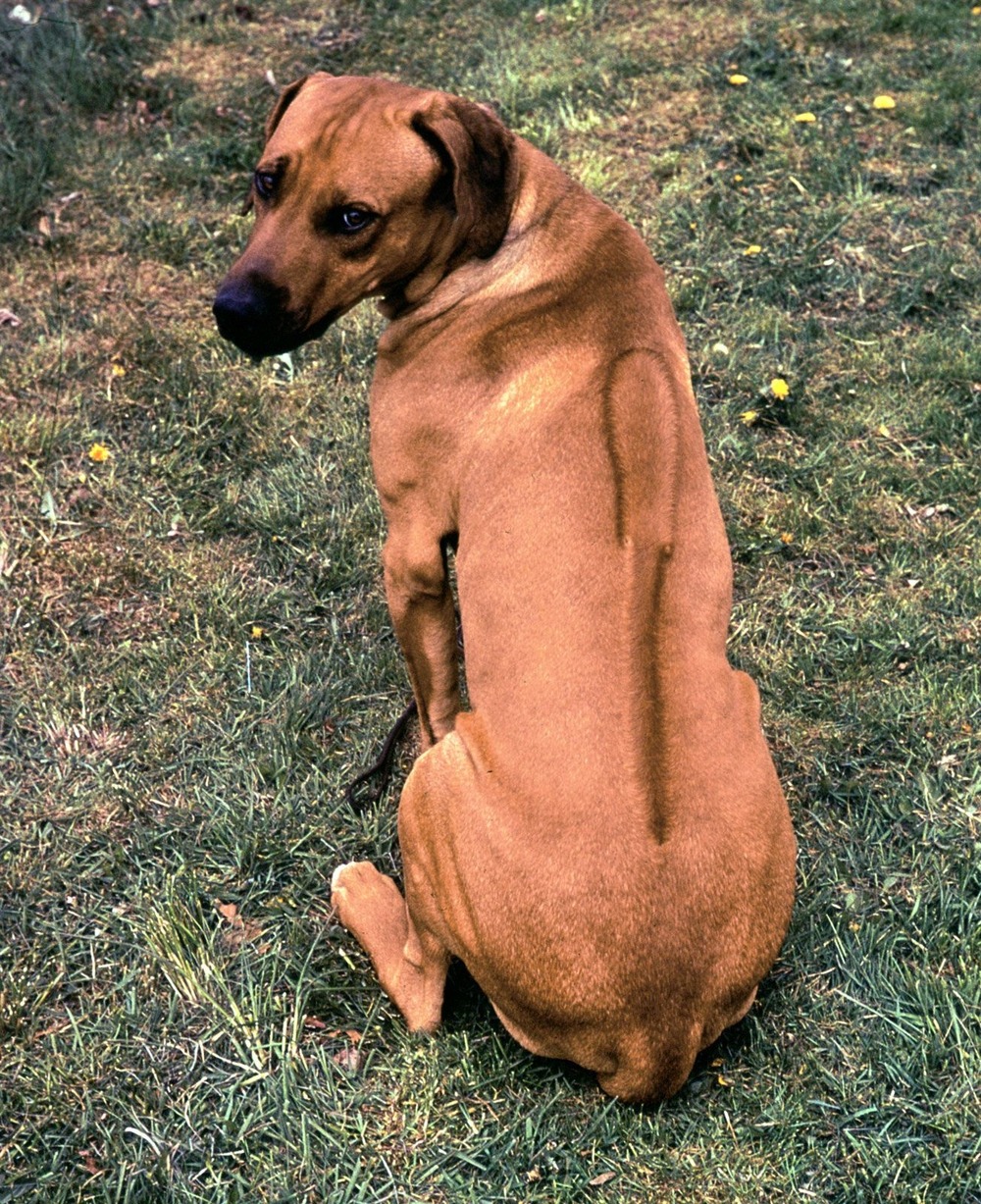
The ridge itself is not just a decorative feature. Breed standards describe it in detail, including its shape and the two “crowns” (whorls) within it. In practice, the ridge is simply part of the breed’s identity. It does not tell you whether an individual dog will be calm, easy, or safe with other animals. Temperament still comes down to breeding, early experience, and ongoing handling.1, 2
Standards also tend to describe Ridgebacks as intelligent and aloof with strangers, without aggression or shyness. Many owners recognise that combination: a dog that can be affectionate at home, and quietly watchful when something changes in their environment.1
Temperament in real homes
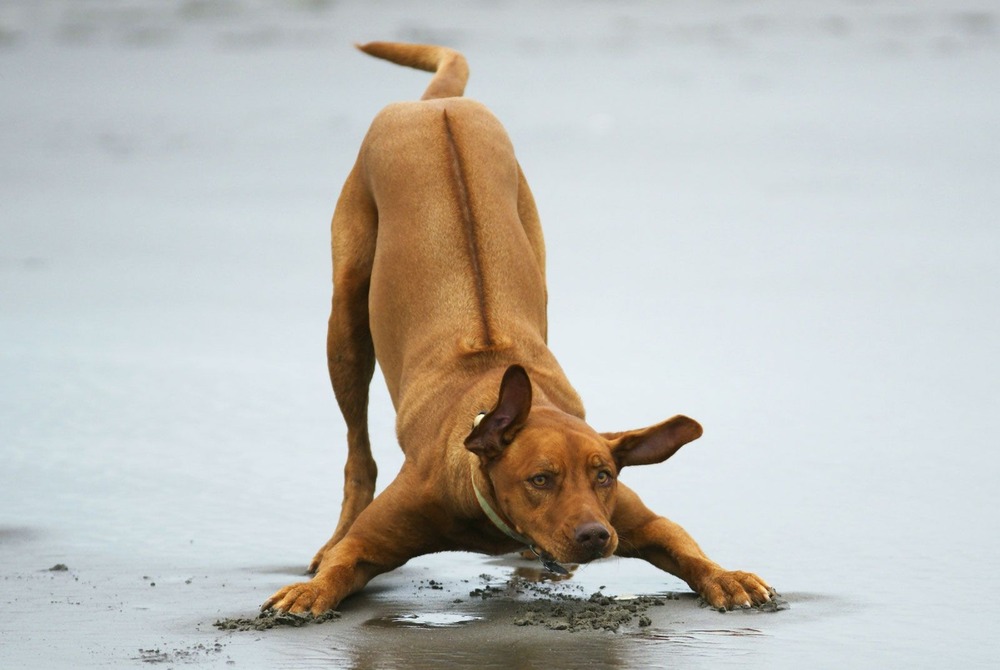
Ridgebacks are often described as loyal, independent, and sensitive to the tone of a household. They can be wonderfully steady companions for people who like a dog that is present without being frantic. At the same time, they are not usually a “do anything for a biscuit” breed. Expect thoughtful compliance, not automatic obedience.
That independence is not a flaw, it is a trait. It just means training tends to work best when it is consistent, fair, and practical. If boundaries change day to day, many Ridgebacks will simply make their own decisions.
As with any large dog, it is worth being realistic about the physical side of family life. Even a friendly Ridgeback can be clumsy in tight spaces, and an adolescent Ridgeback can be boisterous. Supervision around small children is sensible, not because the breed is inherently unsafe, but because size and enthusiasm can overwhelm a little body quickly.
Training and socialisation that suits a Ridgeback
If you live with a Ridgeback, early socialisation is less about making them “friendly with everyone” and more about helping them feel competent in the world. Think calm exposure to visitors, kids on scooters, veterinarians, different surfaces, and other dogs at a distance, paired with rewards and a steady handler.
Training is often most effective when it is short, clear, and repeated in real contexts. Ridgebacks tend to notice patterns quickly. If jumping up sometimes earns attention, or pulling sometimes gets them to the tree they want, they will file that away.
Methods that usually land well:
- Positive reinforcement with food, toys, and access to what the dog wants (sniffing time can be a powerful reward)
- Loose-lead walking built slowly, with reinforcement for checking in
- Recall practice in safe, fenced areas before testing it in open spaces
- Confidence-building handling for nails, ears, and vet checks
If you are dealing with reactivity, livestock chasing, or persistent dog-to-dog conflict, it is worth seeking a qualified trainer who uses humane, evidence-based methods. With a strong, fast dog, safety management matters while you work on behaviour change.
Exercise and enrichment, more than just “a big walk”
Ridgebacks are built for endurance and can look deceptively settled when under-exercised, then find their own outlets later. For many dogs, a brisk daily walk is a starting point, not the whole plan.
A good routine usually blends movement with thinking. That might be a long-line sniff walk, structured jogging once the dog is physically mature, scent games in the backyard, or basic obedience woven into everyday life.
Signs your Ridgeback needs more are often subtle: restlessness in the evening, difficulty settling when visitors arrive, increased mouthing, and an intense preoccupation with movement outside the fence. These are not “bad dog” moments. They are often a mismatch between needs and routine.
Health considerations to take seriously

Most Ridgebacks are robust, but they are not free of inherited disease. Two issues that come up often in breed discussions are hip dysplasia and dermoid sinus.
Hip dysplasia is a joint disorder seen across many large breeds and can contribute to pain and arthritis over time. Good breeders screen, and good owners keep an eye on body condition, fitness, and early signs of discomfort, such as reluctance to jump or stiffness after rest.5
Dermoid sinus is a congenital skin defect that can occur along the midline and may become infected or drain. It is typically managed by veterinary assessment, and in many cases surgical removal is recommended. Because it can look like a small “odd scar” early on, it is worth asking your breeder and your vet what to look for, particularly in young dogs.6
Routine care still does the heavy lifting. Regular veterinary checks, parasite prevention suited to your area, and dental care all help protect quality of life across the dog’s lifespan.
Grooming and everyday care
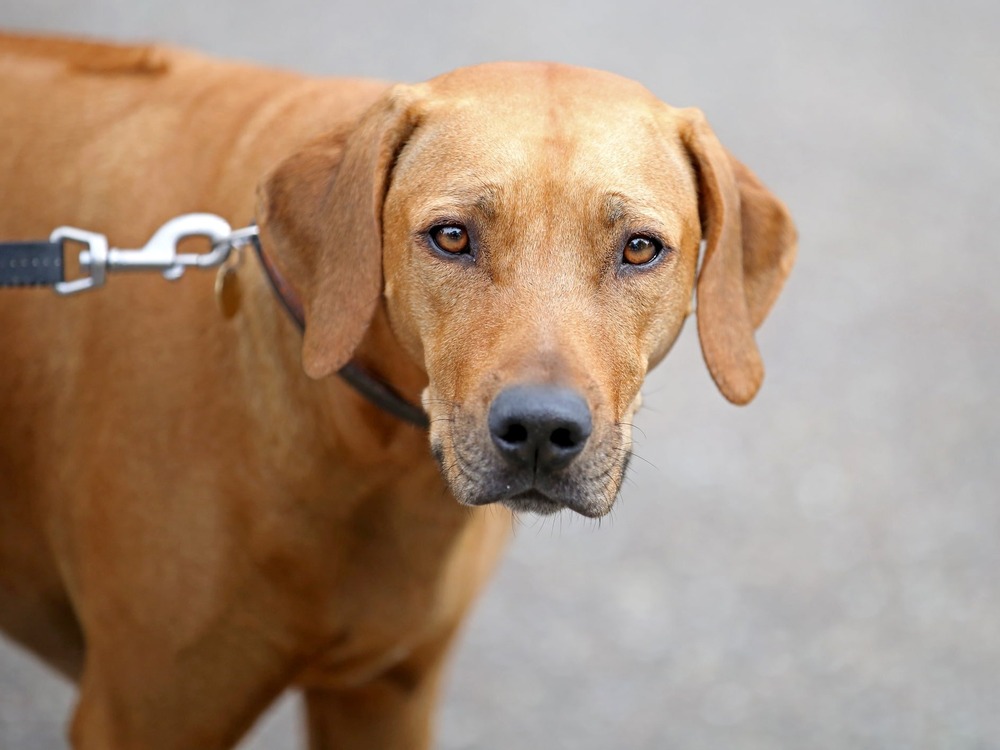
The Ridgeback coat is short, dense, and generally easy to manage. A weekly brush helps lift loose hair and keeps the skin in good condition. Many owners find a rubber curry brush or grooming mitt works well, especially during seasonal shedding.
Do not skip the basics just because the coat is easy. Nails that get too long can change posture and strain feet and joints. Ears benefit from quick checks, particularly after swimming or dusty walks.
Dental care can be surprisingly important in large, hardy breeds that otherwise look “fine”. If your dog will tolerate it, brushing several times a week is a strong foundation, and some dogs can learn to accept it gradually with patient handling and dog-safe toothpaste.7
Feeding and keeping a healthy body condition
Ridgebacks can carry extra weight more easily than people expect, especially once they are past the adolescent zoomy stage. Extra kilos matter because they increase load on joints and can make underlying orthopaedic issues harder to manage.
Rather than focusing only on what the scales say, look at body condition. From above, you should see a waist behind the ribs, and you should be able to feel ribs with a light covering of fat. If you are unsure, your vet can help you score body condition and adjust portions without guessing.8
Treats are part of living with dogs, especially if you train regularly. The practical trick is budgeting them. Many veterinary nutrition guidelines recommend keeping treats to a small proportion of overall intake, often no more than about 10 percent of daily calories, then using part of the dog’s meal as training rewards when needed.9
Is a Rhodesian Ridgeback a good fit?
A Ridgeback tends to suit people who enjoy an athletic dog with a steady presence, and who can offer consistent boundaries without turning everyday life into a battle of wills. They often do best in homes where exercise is part of the routine, not an occasional event, and where the dog can spend meaningful time with the household.
They may not be ideal if you want a highly social, instantly biddable dog, or if you cannot provide daily exercise and training. Space helps, but it is not the same as engagement. A big backyard without walks and enrichment rarely satisfies a Ridgeback for long.
If you are choosing a puppy, ask about health screening and early handling. If you are adopting, ask the rescue group about prey drive, dog sociability, and how the dog behaves when left alone. These practical details tell you more than any label.
References
- National Rhodesian Ridgeback Council Australia, Breed Standard
- The Kennel Club (UK), Rhodesian Ridgeback Breed Standard
- American Kennel Club (AKC), Rhodesian Ridgeback
- Royal Canin, Rhodesian Ridgeback Breed Information
- PetMD, Rhodesian Ridgeback Health and Care
- Merck Veterinary Manual, Dermoid sinus in dogs (image and clinical context)
- FOUR PAWS Australia, Dental care for dogs and cats
- RSPCA Australia Knowledgebase, How do I tell if my dog is overweight?
- WSAVA, Global Nutrition Committee (nutrition guidance and resources)