

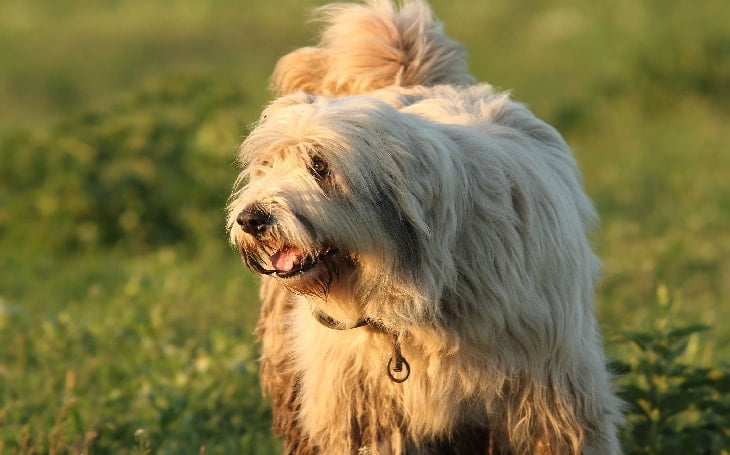
You might first notice a Romanian Mioritic Shepherd Dog in a photo and assume it is a soft, shaggy companion, the sort of dog that would happily drift through family life like a friendly rug with legs. Then you learn what the breed was made for, and the picture changes.
Mioritics are livestock guardian dogs from Romania’s Carpathian region, bred to live alongside flocks and make careful decisions about what belongs and what does not. That history still shows up today as strong territorial awareness, a steady watchfulness, and a need for home life to feel predictable and well managed.1, 2
For the right household, that combination can be deeply reassuring. For the wrong setup, it can feel like you have brought home a dog who is quietly running the security desk. Understanding the breed’s purpose is the kindest way to decide whether a Mioritic fits, and if it does, how to raise one well.
At a glance: what kind of dog is the Mioritic?

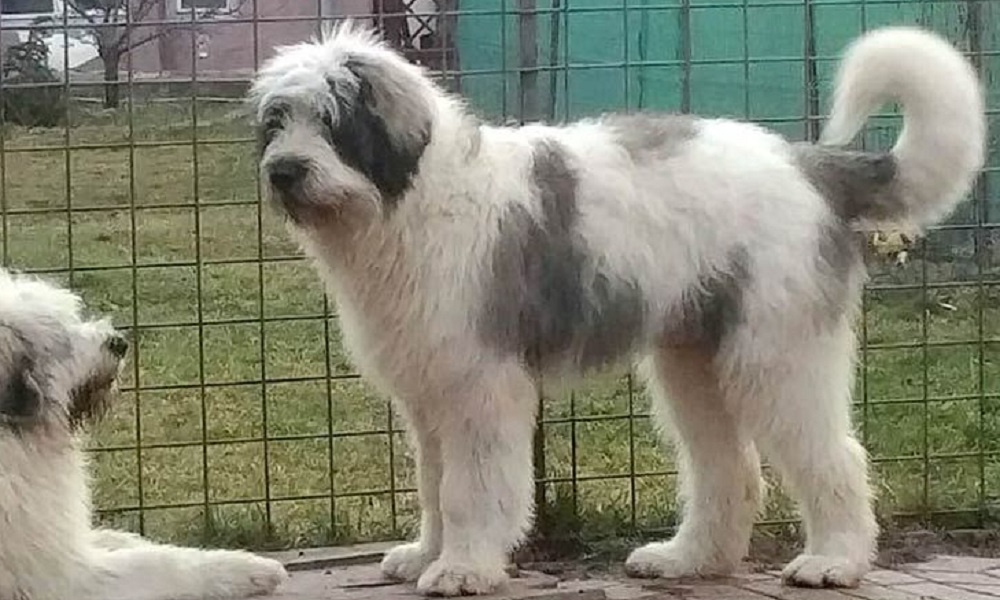
The Romanian Mioritic Shepherd Dog (Ciobănesc Românesc Mioritic) is a large, long coated working breed developed as a livestock guardian. In practical terms, that means the breed tends to be calm but switched on, independent in judgement, and more comfortable when it has a clear “home base” to look after.1, 2
- Origin: Romania, Carpathian Mountains1, 2
- Typical height: males about 70 to 75 cm, females about 65 to 70 cm (breed standards vary by kennel club format)2, 3
- Coat: long, abundant outer coat with a thick undercoat, built for cold and wet conditions3
- General temperament: stable and watchful, usually reserved with strangers, typically very bonded to its people when raised with good socialisation3
Where the breed comes from, and why it matters

Breed standards describe the Mioritic as developed in the Carpathian Mountains to guard herds and flocks. This is not herding in the “move the sheep where I point” sense. Livestock guardians are expected to stay with their animals, hold a boundary, and respond when something unfamiliar enters their space.3
That background helps explain a few common surprises for new owners. Many Mioritics are not immediately sociable with visitors, and some take their time deciding a person is safe. They can also be slower to generalise, meaning a dog that behaves beautifully at home may need extra support to feel settled in new places or around novel handling. None of this is “bad behaviour” so much as guardian logic showing up in a modern environment.3
The breed is recognised internationally by the FCI (standard number 349). The current FCI listing also notes the standard’s publication details and recognition status, which is useful if you are trying to confirm what is “typical” for the breed when reading mixed information online.2
Temperament in real homes: loyal, steady, and selective
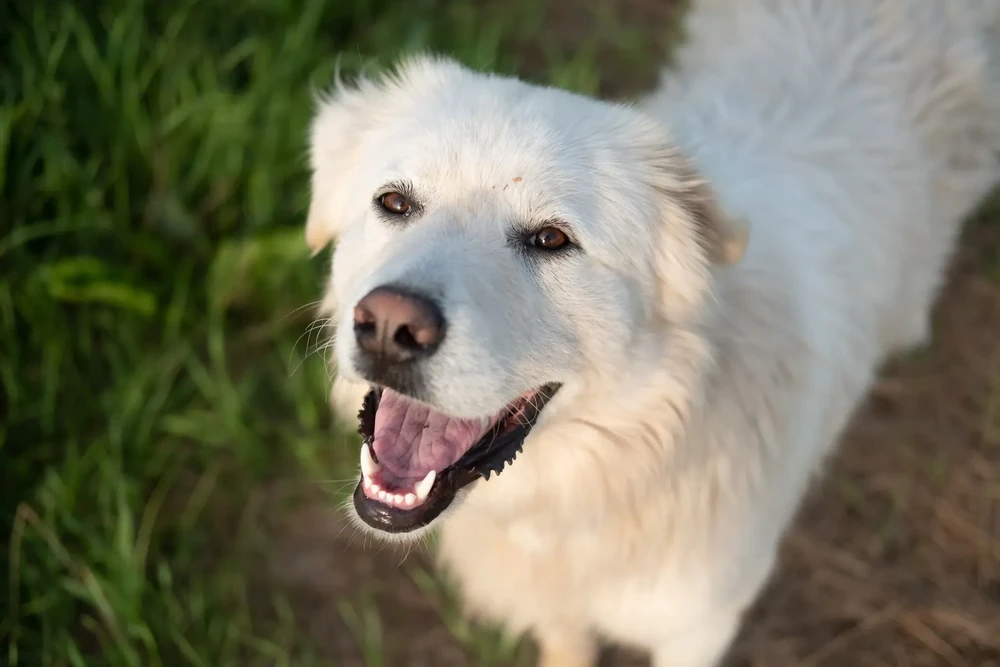
Most descriptions of the Mioritic lead with “loyal” and “protective”, but those words can be misleading without context. A well raised guardian breed often looks quietly observant, spending a lot of time tracking movement, sounds, and patterns. That can be a wonderful trait if you value a calm dog who is present and aware.
It also means you should expect some degree of suspicion around strangers, especially if the dog has not had careful, positive exposure to many different people, places, and everyday handling while young. The UKC standard, for example, describes the breed as wary of strangers while being very good with children.3
In family life, a good rule is to plan for management rather than hoping instinct will “sort itself out”. Think secure fencing, clear visitor routines, and plenty of reinforcement for calm behaviours. If you have young children, the usual guidance still applies: supervise all interactions, teach children respectful handling, and give the dog a quiet place to retreat when it has had enough social contact.4
Training and socialisation: channel the guardian brain
Mioritics are often intelligent and capable learners, but they are not usually at their best with repetitive drilling or heavy handed methods. Guardian breeds tend to respond well when training feels fair, consistent, and practical, and when the dog can see the point.
Reward based training is a strong fit here. It supports clarity without confrontation, which matters for dogs that may be naturally watchful or slow to trust in unfamiliar situations. The RSPCA’s general guidance also favours reward based approaches for building behaviour and providing mental stimulation.5
Early socialisation should be broad and thoughtful rather than rushed. Aim for calm exposure to:
- different people (ages, clothing, walking aids, hats)
- gentle handling (ears, paws, brushing, vet style restraint)
- household noises and routines
- safe dog interactions with well matched, steady dogs
The goal is not to make a Mioritic “love everyone”. It is to build confident neutrality, so the dog can look, assess, and then settle.
Exercise and enrichment: more than just a long walk
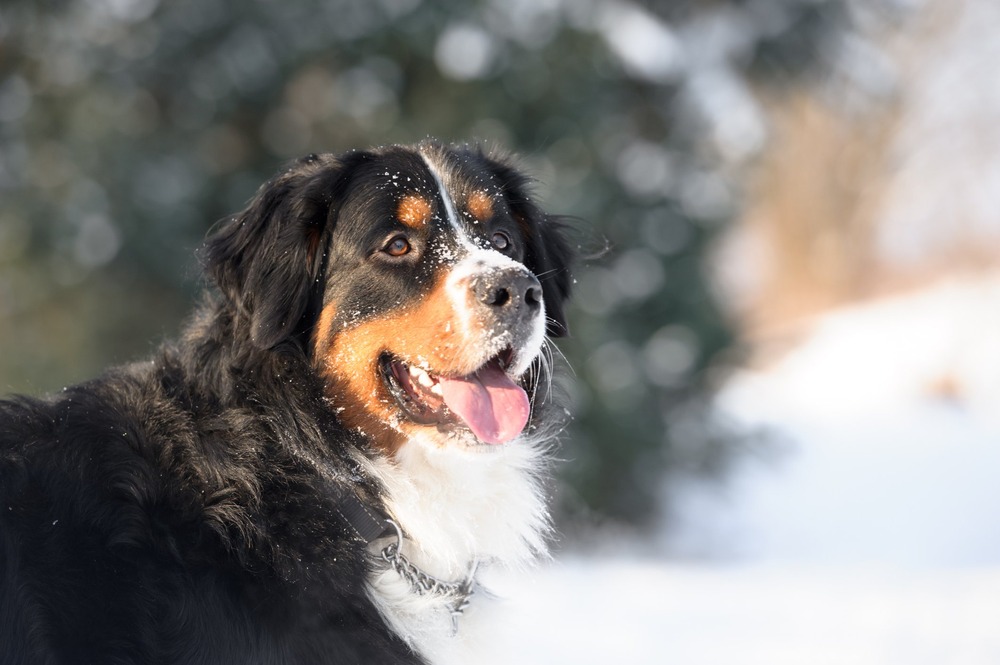
This is a large working dog and most individuals need daily physical activity plus mental outlets. What that looks like can vary. Some Mioritics enjoy steady, purposeful movement rather than frantic games, and many are happiest when their day includes time to sniff, observe, and move at an unhurried pace.
Useful options include long walks, hikes, structured backyard time, scent games, and training sessions that teach practical life skills (settle on a mat, relaxed greetings, leash manners). The RSPCA’s exercise guidance also highlights the value of daily activity and the importance of safe opportunities to run, where appropriate and secure.6
One safety point worth holding onto: avoid vigorous exercise immediately before or after meals, as this can increase the risk of bloat (gastric dilatation volvulus) in susceptible dogs.6
Health considerations: what to watch for
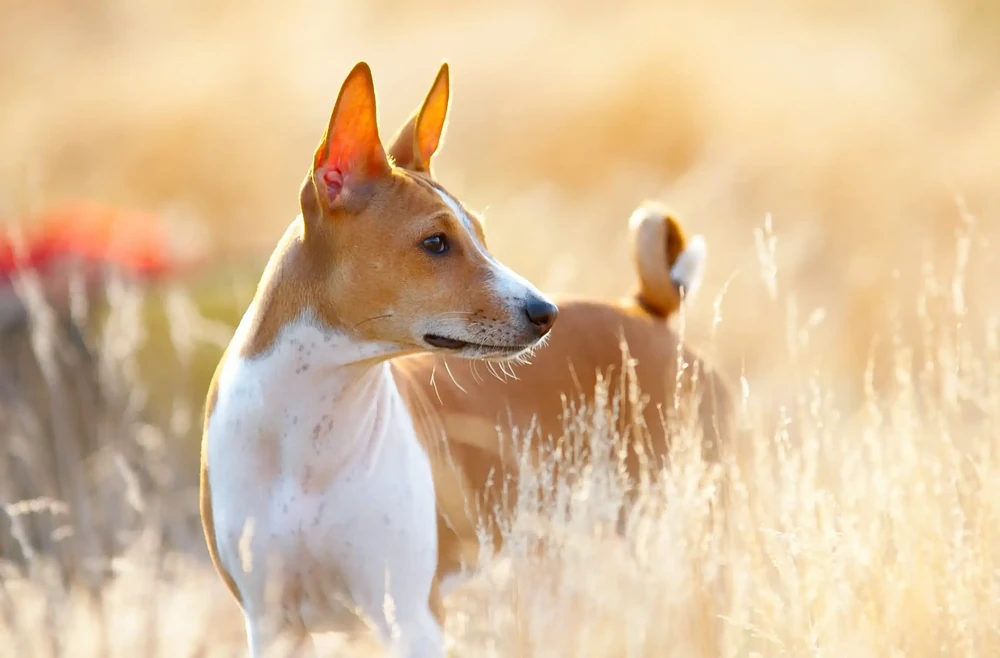
As with many large breeds, it is sensible to discuss joint health with your vet, including screening and lifestyle management that supports sound growth and body condition. Hip dysplasia is commonly mentioned in breed overviews, but it is best treated as a risk to manage rather than a certainty, especially because environment, growth rate, and weight can influence outcomes.7
Because the breed is large and deep chested in type, bloat is also worth understanding. If you are new to large breed ownership, ask your vet what early signs look like and what to do in an emergency. On a day to day level, simple habits help: measured meals, calm time after eating, and avoiding big bursts of activity around feeding.6
If you are buying a puppy, look for breeders who can show appropriate health testing and who raise pups with good early handling and exposure. If you are adopting an adult, assume you will need a settling in period, plus a plan for gradual introductions and predictable routines.
Coat care and everyday grooming
The Mioritic’s coat is part of its working design: abundant, harsh in texture, with a thick undercoat. That also means it can mat if left to its own devices, particularly behind the ears, in the armpits, around the collar line, and through the feathering on the legs.3
A practical routine usually includes a thorough brush and comb through at least weekly, and more often during seasonal shedding. Grooming is not only cosmetic. It is a chance to check skin, paws, and ears, and to help your dog learn that handling is safe and predictable.
Basic care matters too, including dental care. Many veterinary sources recommend brushing regularly (daily if possible, and several times per week can still help) using dog safe toothpaste, plus routine checks with your vet.8
Feeding well: quality, condition, and a steady routine
Feeding a large guardian breed is less about finding a magic ingredient list and more about keeping the dog in lean, athletic condition with a diet that suits its life stage and activity level. If you are unsure where to start, the WSAVA Global Nutrition Guidelines are a useful framework for discussing diet choice and monitoring with your veterinary team.9
For many large dogs, splitting daily intake into two meals can be a sensible routine, especially if it helps you manage hunger, training rewards, and calm time around eating. The bigger priorities are consistency, appropriate portions, and regular weight checks, since carrying excess weight is hard on joints and stamina.
If you want to add supplements (including joint products), do it in partnership with your vet. Supplements can be helpful in the right context, but they are not a substitute for appropriate growth, exercise, and body condition.
Is this breed right for you?
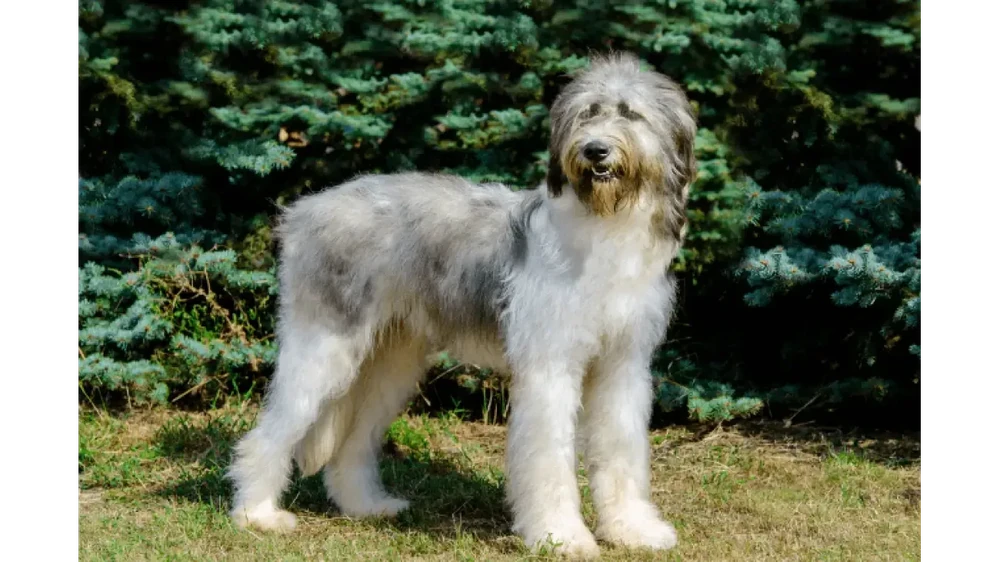
People often fall for the Mioritic because it looks gentle and substantial, and many are. The question is whether your household can support a dog that may feel responsible for its space, and that may need time and training to feel relaxed around novelty.
This breed often suits homes that can offer:
- space and secure fencing, ideally suburban with a large yard or rural property
- predictable routines and clear boundaries for visitors
- daily exercise plus mental enrichment
- owners comfortable working with a large, powerful dog
It tends to be a harder fit for apartment living, households with constant foot traffic, or owners wanting an instantly social dog who welcomes everyone without question. When you match the breed to the right environment, though, you often get a steady presence that is quietly devoted and deeply competent at “being there”.4, 5
References
- Wikipedia: Romanian Mioritic Shepherd Dog
- Fédération Cynologique Internationale (FCI): Ciobănesc Românesc Mioritic (No. 349)
- United Kennel Club (UKC): Breed Standard, Romanian Mioritic Shepherd Dog
- RSPCA Pet Insurance: Considerations when choosing a dog
- RSPCA Pet Insurance: Essential dog care information (training and care)
- RSPCA Pet Insurance: Tips for exercising your dog (includes bloat precaution around meals)
- Orthopedic Foundation for Animals (OFA): Hip dysplasia
- American Kennel Club: Dental care guidance for dogs (brushing frequency and safety notes)
- WSAVA: Global Nutrition Guidelines