

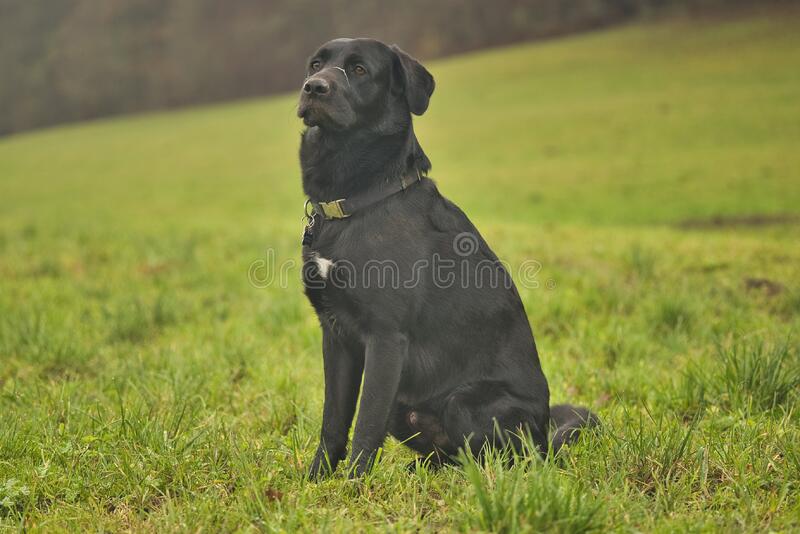
You might come across the Romanian Raven Shepherd Dog because you have seen a photo of a striking black livestock guardian online, or because you have met a big, quiet dog that watches everything without fuss. People often assume that a dog like this is simply a larger, darker version of a familiar shepherd breed. In practice, these mountain guardians tend to have their own rhythm, shaped by the work they were bred to do.
It also helps to be honest about what draws most of us in: the coat, the presence, the steadiness. Those are real features, but they can hide the more practical questions that matter once the dog is in your home, like how they respond to visitors, how much space they need to settle, and how they cope in warm weather.
The Romanian Raven Shepherd Dog, also known as the Ciobănesc Românesc Corb, is best understood as a calm, capable guardian from Romania’s Carpathian and sub-Carpathian regions. It can be a rewarding companion for the right household, especially one that respects its purpose and manages its environment thoughtfully.1, 2
Origins and working background

The Corb developed as a livestock guardian, not a herding dog in the modern obedience sense. That difference matters. Guardians are expected to hold ground, make decisions at a distance from people, and stay on duty for long stretches, often in rough terrain and challenging weather.2
Most accounts place the breed’s traditional home in the Meridional Carpathians and nearby sub-Carpathian areas (including counties such as Dâmbovița, Argeș, Prahova, and around Brașov). In those landscapes, a large, weatherproof dog that could deter predators and watch property was not a luxury. It was part of daily life.1, 3
In kennel club terms, the Romanian Raven Shepherd Dog is recognised by the Fédération Cynologique Internationale (FCI) on a provisional basis, with the standard published in 2024. That status is worth knowing if you are trying to trace lines, understand the written standard, or compare this breed to other Romanian shepherd dogs that are better established internationally.2
Appearance, size, and the practical reality of “big”
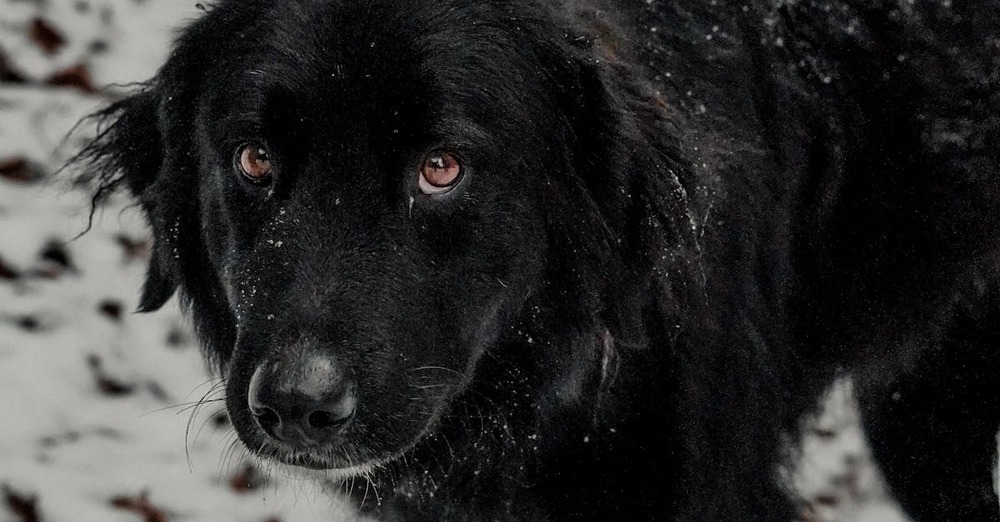
The Corb is a large, substantial dog with a thick double coat that is primarily black, sometimes with limited white markings (commonly on the chest and lower limbs). The head is strong, the ears are drop ears, and the body is built for endurance rather than speed.2
Those broad size ranges you see online can be a little slippery, partly because standards focus on structure and proportion, not just a single number. As a general guide, this is a tall, heavy-boned guardian, and that means daily life is shaped by management: safe fencing, confident handling, and enough space for the dog to move away when it wants distance.
It also means that “friendly” can look different. A well-bred, well-socialised guardian may be steady and tolerant, but it is not typically carefree with every stranger who walks through the gate. For many Corbs, watching first is normal, and that is not a problem if the household expects it.
Temperament and suitability for family life
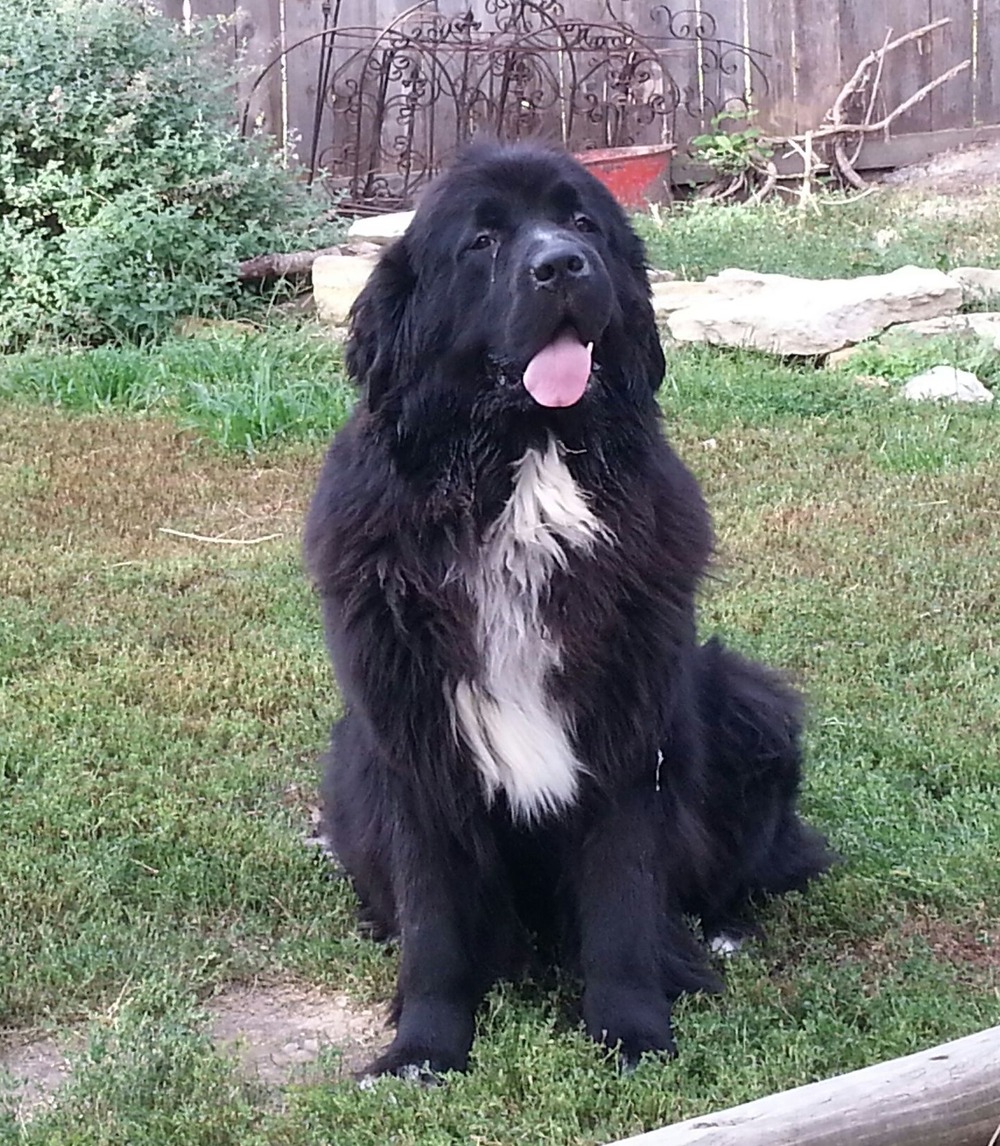
Breed standards describe the Corb as balanced and calm, with a strongly developed guarding instinct. In day-to-day terms, that often shows up as a dog that prefers to position itself where it can observe entrances, boundaries, and routines, particularly at dusk and overnight.2
With children, the main issue is usually not “is the dog kind?”, but whether the home can consistently support safe interactions. A very large dog can unintentionally knock a small child over, and a guardian may step in if rough play between kids looks like trouble. The best approach is steady supervision, clear rules for kids, and an adult who is comfortable directing the dog without escalating the moment.
With other pets, early exposure and sensible management matter. A dog bred to live alongside livestock can often learn household animals well, but it is still a guardian with strong opinions about boundaries. Introductions should be gradual, with a focus on calm routines rather than forcing familiarity.
Training and socialisation that fits a livestock guardian
Training tends to go better when it respects the dog’s job description. Guardians are often intelligent and responsive, but not necessarily eager to repeat drills for their own sake. You will usually get the best results by aiming for predictable household skills rather than flashy obedience: coming when called, settling on a mat, walking politely on lead, and calmly accepting visitors with guidance.
Socialisation is less about creating a dog that loves everyone, and more about teaching the dog how to stay composed around everyday life. That includes:
- seeing people at a distance, then gradually closer, without being pushed to interact
- hearing and observing vehicles, bikes, and deliveries as normal background events
- learning a reliable “place” or “behind” cue so the dog can move away from gates and doorways
Because the breed is large and powerful, it is worth building cooperative handling early (being comfortable with paws, ears, brushing, and restraint). That pays off later, especially if you ever need veterinary care, hip imaging, or help managing a coat blow.
Exercise, enrichment, and coping in warm weather
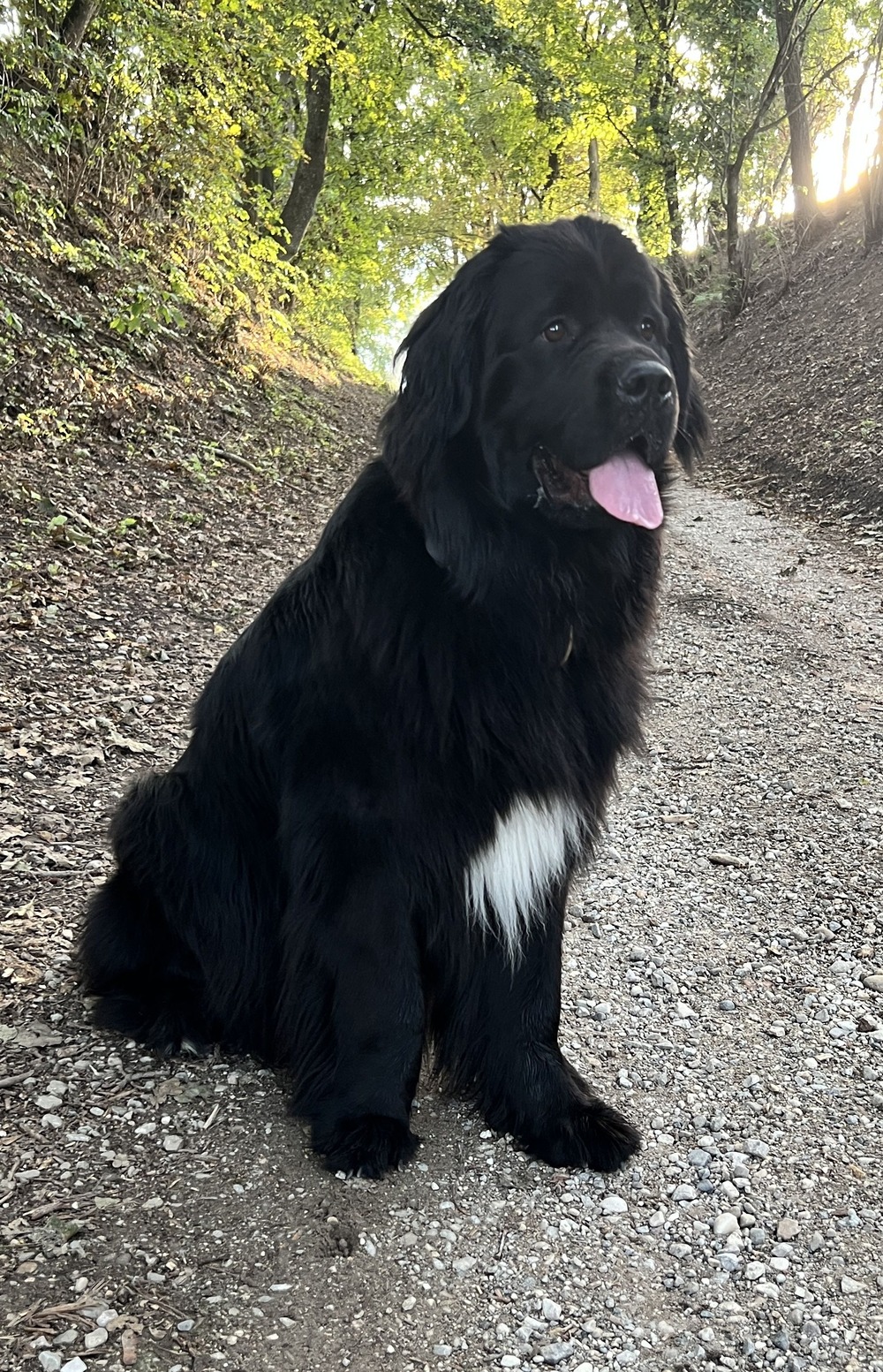
The Corb is not usually a frantic dog, but it does need daily movement and meaningful engagement. Think steady, purposeful exercise rather than constant high-speed running. A long walk, a structured sniffy ramble, property patrol on lead, and simple problem-solving games often suit this type better than endless ball throwing.
One practical point that owners sometimes underestimate is heat. A thick-coated, heavy-bodied guardian can struggle on hot, still days, especially if it is excited, stressed, or confined without airflow. In Australia, it is sensible to plan summer routines around cooler parts of the day, provide shade and multiple water points, and avoid hot surfaces that can burn paws.7
If you suspect heatstroke, it is an emergency. Move the dog to a cool place, apply cool (not ice-cold) water, increase airflow, offer small sips of water, and contact a vet immediately.5, 6
Health considerations and preventative care
There is limited breed-specific research in English for the Corb compared with long-established international breeds, so it is wise to approach health claims with some humility. Still, as with many large dogs, it is sensible to take hip health seriously, particularly when selecting a breeder and planning growth, exercise, and weight management.
Hip dysplasia screening usually involves radiographs, and good positioning and muscle relaxation can matter for reliable assessment. If you are discussing screening with a vet, it can help to know that organisations like the Orthopedic Foundation for Animals (OFA) outline accepted approaches and note that chemical restraint to the point of relaxation is often recommended for optimal positioning.8
In everyday care, one of the most protective habits is keeping the dog at a healthy body condition. Extra weight increases load on joints and reduces heat tolerance. Veterinary teams often use body condition scoring as a simple, repeatable tool to guide feeding decisions over time.9
Grooming, shedding, and living with the coat
The Corb’s coat is built for weather resistance, which means it tends to shed. Regular brushing is usually enough for maintenance, with more frequent sessions during seasonal coat changes. The goal is not perfection. It is comfort, skin health, and keeping the undercoat from compacting.
A simple routine most owners can stick with:
- Brush through a few times a week, focusing on friction areas (neck, behind ears, trousers, tail)
- check ears, nails, and paws as part of brushing, rather than as separate “big jobs”
- bathe only when needed, and rinse thoroughly so the coat does not hold residue
Coat care is also behaviour care. Dogs that learn brushing is calm and predictable tend to cope better with the rest of handling, including vet exams and being towel dried after rain.
Choosing a breeder, or choosing a different breed
The Romanian Raven Shepherd Dog can be a wonderful match for a household that wants a steady guardian and has the space, fencing, and confidence to manage a large working dog. It can also be the wrong choice for people who want a dog that welcomes everyone, fits easily into apartment life, or thrives on busy dog-park socialising.
If you are looking for a puppy, seek transparency around health screening, early handling, and temperament. Ask how the parents behave with visitors, how the pups are introduced to novelty, and what support you will get when the dog hits adolescence, which is often when guarding behaviours become more obvious.
And if you are drawn to the look more than the job, it is worth pausing. A guardian’s instincts are not a flaw to train away. They are the point. The best outcomes usually come when owners work with that nature, shaping it into good household manners and a calm, settled life.
References
- Wikipedia: Romanian Raven Shepherd Dog
- Fédération Cynologique Internationale (FCI): CIOBĂNESC ROMÂNESC CORB (373)
- Ciobanesc-Corb.ro: Romanian Raven Shepherd Dog (breed overview)
- Wisdom Panel: Romanian Raven Shepherd Dog Facts
- RSPCA NSW: Heat stress (signs and first aid)
- RSPCA Australia: Keeping your pet safe during the heat
- RSPCA Australia: Caring for animals over summer
- Orthopedic Foundation for Animals (OFA): Hip Dysplasia
- WSAVA: Global Nutrition Guidelines