

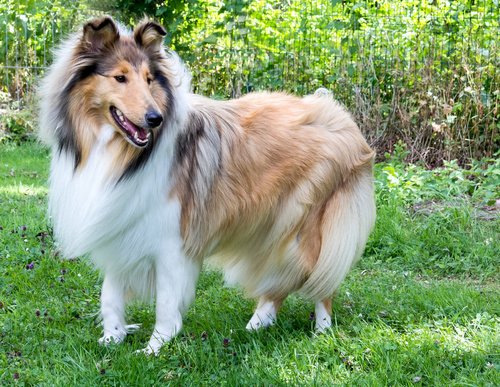
You might first notice a Rough Collie because of the coat, all that light-catching hair and the classic, thoughtful face. Then you see one in motion, moving with an easy, economical trot, and it becomes clear this is not just a “pretty dog”. The breed was shaped by work, and you still see that heritage in the way many Collies watch the world and stay tuned to their people.
People also arrive at the Rough Collie topic for practical reasons. Maybe you have met one that was beautifully mannered with children, or you are comparing herding breeds and wondering which are genuinely “family friendly” in a busy household. Or you are drawn to the idea of an intelligent dog, but you are trying to be realistic about grooming, barking, and how a sensitive dog copes with heat.
Rough Collies can be wonderful companions, but they are not a set-and-forget breed. Understanding what sits underneath that coat, including exercise needs, training style, and a few important inherited health considerations, is what makes ownership feel calm and sustainable.
Quick breed snapshot
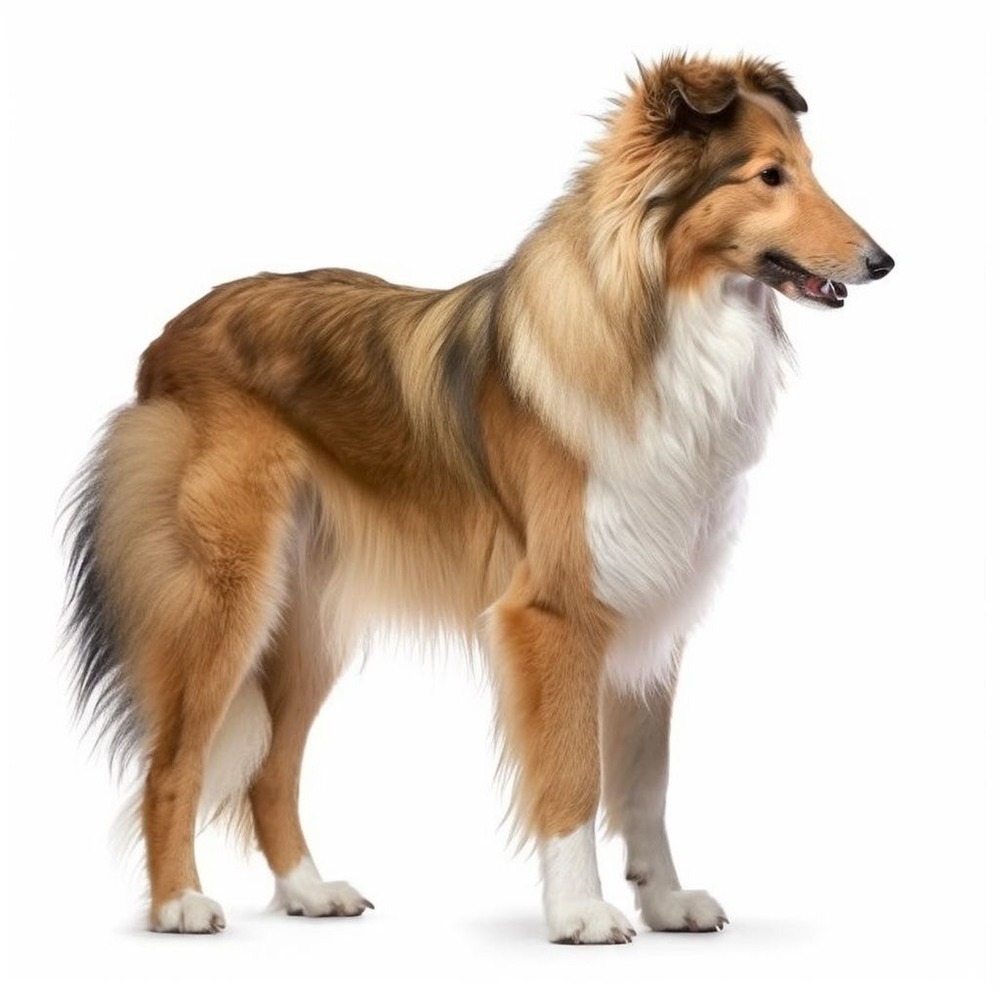
Breed group: Herding (sheepdog type)
- Origin: Scotland
- Height: males about 56 to 61 cm, females about 51 to 56 cm (measured at the shoulder)
- Weight: often around 18 to 29 kg, depending on sex and build
- Life expectancy: commonly about 12 to 14 years
- Coat: long, dense double coat, generally a higher-shedding breed
- Common colours: sable and white, tricolour, blue merle
- Maintenance: moderate to high, mainly coat care and seasonal shedding
Where the Rough Collie comes from, and why that still matters
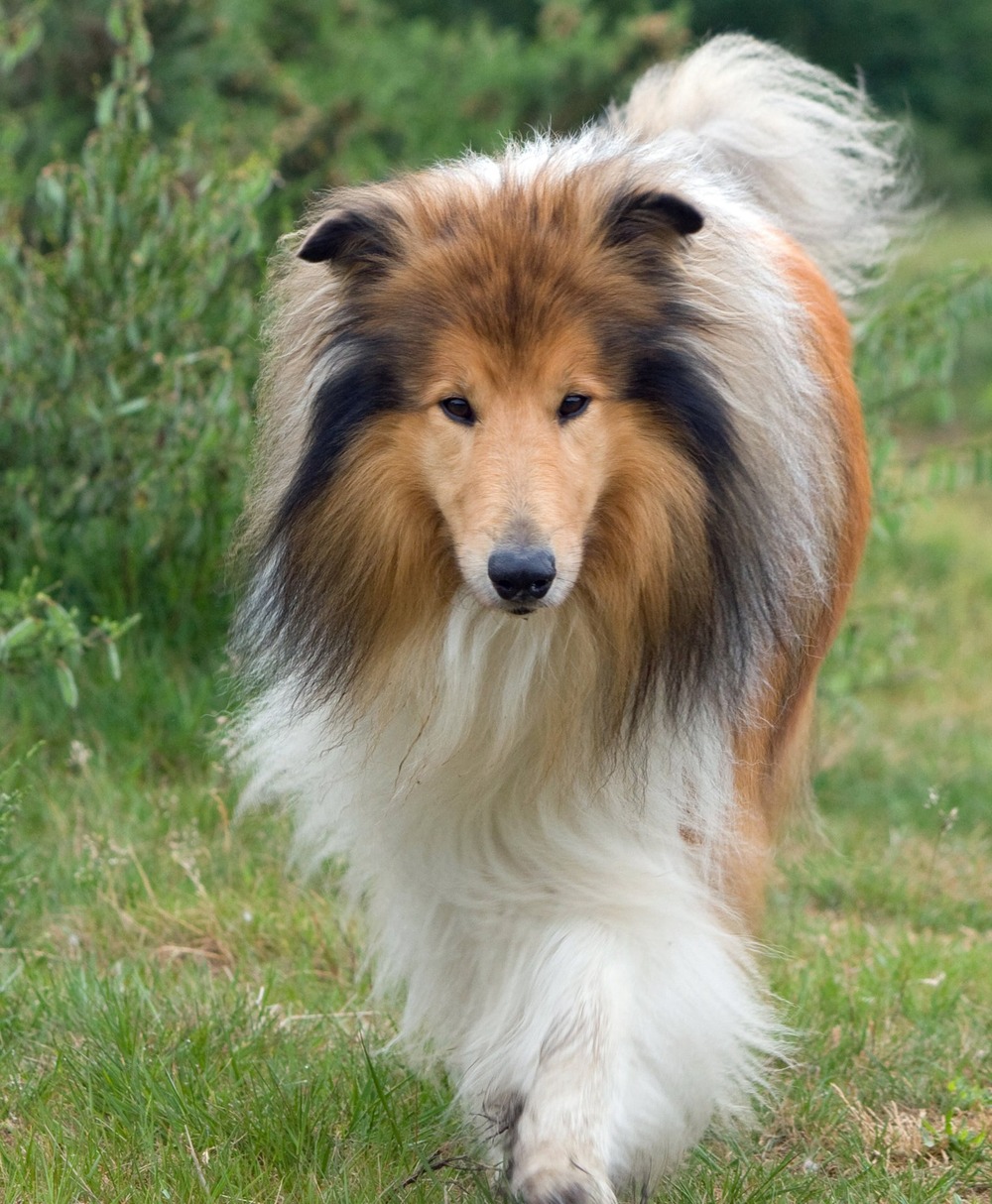
The Rough Collie developed as a working sheepdog in Scotland, where a dog needed to move smoothly over uneven ground, respond quickly to direction, and keep livestock flowing without constant force. That heritage still shows up today as responsiveness and watchfulness. Many Collies like being near their people, tracking routines, and checking in often.
Collies also became fashionable as companion dogs in the nineteenth century, helped along by high-profile enthusiasts, including Queen Victoria. Popular culture later did its part too, with “Lassie” shaping how many people picture the breed. It is worth holding that image lightly, though. Real Rough Collies are typically gentle and biddable, but they still need training, enrichment, and sensible boundaries, like any other bright herding dog.1
Temperament, sensitivity, and the “family dog” question
Rough Collies are often described as loyal, gentle, and intelligent. In everyday terms, many are socially aware dogs that notice changes in tone, movement, and household energy. This can be a strength in a family setting, especially when the dog is raised with kind, consistent handling, and given a predictable routine.
They are commonly good with children, particularly when introductions are managed and kids are coached to give the dog space around food, rest, and high-excitement moments. Like other herding breeds, some Collies may try to “organise” movement, for example circling, shadowing, or lightly chasing running children. This is not a character flaw, it is a behavioural tendency that is best guided early so it does not become a habit.
With other pets, many Rough Collies do well, especially when they have been socialised properly. If your household includes small animals, careful supervision matters. A herding dog is not a terrier, but it can still be triggered by fast movement, squeaking, or flapping.
Training a Rough Collie in a way that suits the breed
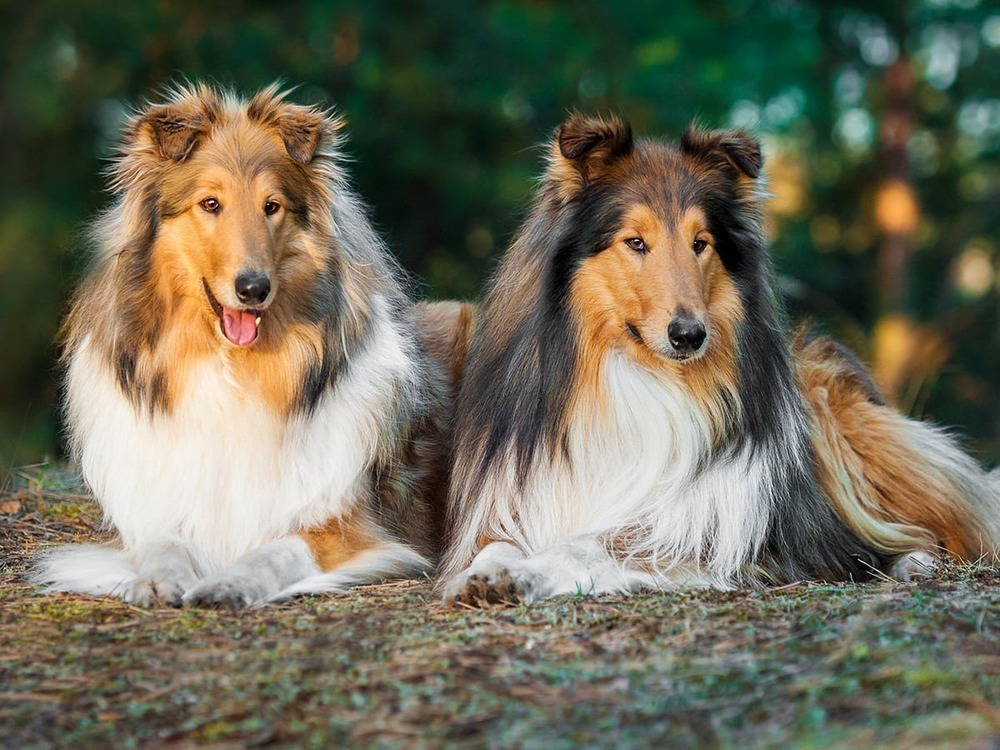
Rough Collies tend to respond best to reward-based training that is clear, calm, and consistent. They often learn quickly, and that includes learning patterns you did not mean to teach, like barking when the lead appears, or rushing doors because it worked once. Early practice with basic skills (settle, recall foundations, loose lead walking, handling for grooming) usually pays off.
Socialisation is not just meeting lots of people. For many Collies, it is learning that the world is safe and predictable, even when it is noisy, unfamiliar, or busy. Short, positive exposures beat flooding them with too much too soon.
If your Collie is vocal, it can help to think of barking as information rather than “naughtiness”. Sometimes it is alerting, sometimes it is boredom, and sometimes it is a learned habit. Training a default behaviour, like going to a mat, and making sure the dog gets enough mental work during the day, often reduces the need to comment on everything.
Exercise and enrichment, more than just a daily walk
Most Rough Collies need moderate to high daily activity, but they are not always “run for hours” dogs. Many do best with a blend of walking, sniffing, and short bursts of play, plus something for the brain. A Collie that is physically fit but mentally under-stimulated can become fussy, restless, or noisy.
Ideas that suit the breed often include:
- Sniff walks, where the pace is slower and the dog can investigate
- Basic obedience and trick training, kept short and upbeat
- Food puzzles and scatter feeding in the yard
- Low-impact games like find-it, hide and seek, or gentle tug
- Herding-style sports and activities, where available and responsibly run
Coat care, shedding, and what grooming actually looks like
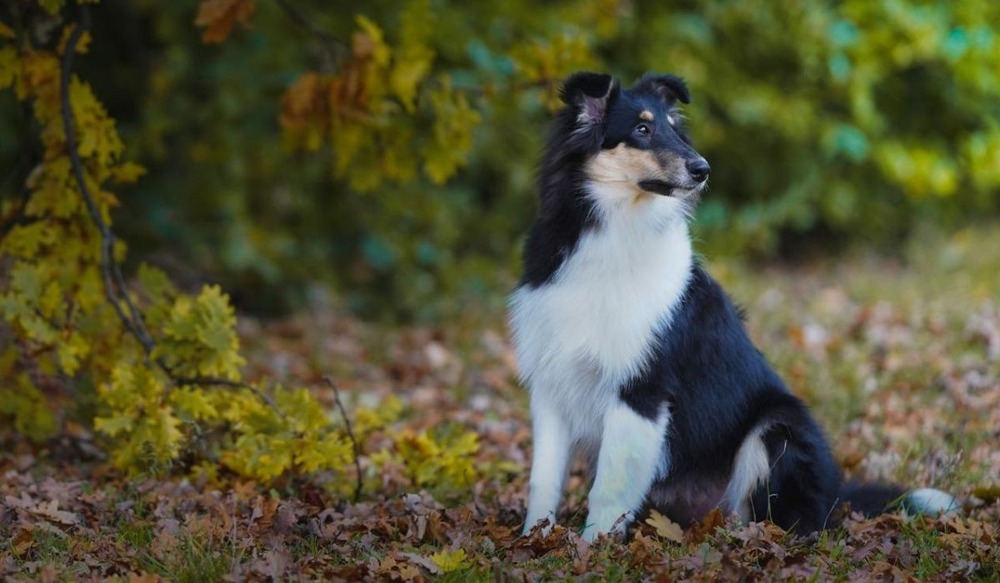
The Rough Collie coat is beautiful, but it is also a lifestyle. The practical goal is not perfection, it is preventing mats and skin problems, especially behind the ears, under the collar area, in the armpits, and around the feathering on legs.
General grooming guidance for longer-coated and double-coated dogs supports regular brushing, with frequency adjusted to the dog and season. Many owners find a thorough session several times a week, plus spot checks in “tangle zones”, is manageable, with more effort during heavy sheds. If you hit tight mats close to the skin, it is often safer to involve a professional groomer rather than pulling through it at home.2, 3
Bathing is usually occasional, and more often when needed for dirt, allergies, or skin conditions. A good routine is to brush before bathing, rinse thoroughly, and make sure the undercoat is properly dried. Damp undercoat can contribute to hot spots and odour.
Heat management for a thick-coated dog
Rough Collies can struggle in hot weather, partly because of the coat and partly because some individuals are simply not built for heat. You do not need to shave a double coat to help a dog cope. What matters more is shade, airflow, fresh water, and adjusting exercise times to the coolest parts of the day.
Heatstroke is an emergency. If you suspect it, move your dog to a cool area, use tepid or cool water and a fan to help bring temperature down, and see a vet urgently. Avoid ice-cold baths, which can make things worse in some situations.4, 5
Health topics to discuss with your vet and breeder
No breed is “problem free”, and Collies are no exception. The most helpful approach is to be steady and informed, and to choose breeders who test, disclose, and can explain their choices.
Inherited eye conditions
Rough Collies can be affected by inherited eye disease, including Collie Eye Anomaly (CEA), which is congenital and can vary from mild changes through to more serious complications in some dogs. Early eye examination and responsible breeding practices matter here.6, 7
Hip and joint health
Hip dysplasia can occur in many breeds. It is influenced by genetics and environment, including growth rate, condition, and exercise. If you are buying a puppy, ask about hip scoring or other recognised screening used by the breeder, and talk to your vet about growth and body condition targets.8
MDR1 drug sensitivity (important and often missed)
Many Collies have a genetic variant commonly referred to as MDR1 (ABCB1) mutation, which can increase sensitivity to certain medications. This does not mean your Collie cannot have parasite prevention or routine vet care. It does mean you should tell your vet that your dog is a Collie, consider genetic testing, and avoid giving over-the-counter medications without veterinary advice. Some drugs (for example loperamide, sold as Imodium) can be particularly risky for affected dogs.9, 10
Living with a Rough Collie, what tends to work well
Rough Collies often thrive when life is structured but not rigid. They do well with daily movement, regular grooming, training that feels like cooperation, and downtime that is genuinely restful. If you enjoy a dog that notices you, follows you from room to room, and takes gentle guidance seriously, a Collie can be a deeply satisfying companion.
If you want a dog that needs very little brushing, is happy to be left alone for long stretches, and rarely vocalises, it is worth being honest about that before you fall for the coat. With Rough Collies, the beauty is real, but so is the care.
References
- American Kennel Club: Collie History, From Queen Victoria to Lassie and Beyond
- RSPCA Pet Insurance: Guide to Dog Cleaning and Grooming
- RSPCA Pet Insurance: How often should dogs be groomed?
- RSPCA Pet Insurance: Heatstroke (Hyperthermia) guide for cats and dogs
- RSPCA Australia: Warm weather worries, protect pets from heatstroke
- Merck Veterinary Manual: Collie eye anomaly (image and description)
- PetMD: Collie Eye Anomaly
- Collie Health Foundation: Hip Dysplasia
- Collie Health Foundation: Multidrug Sensitivity (MDR1)
- Purdue University Center for Canine Welfare Science: Multidrug Resistance Mutation (MDR1) in Dogs