

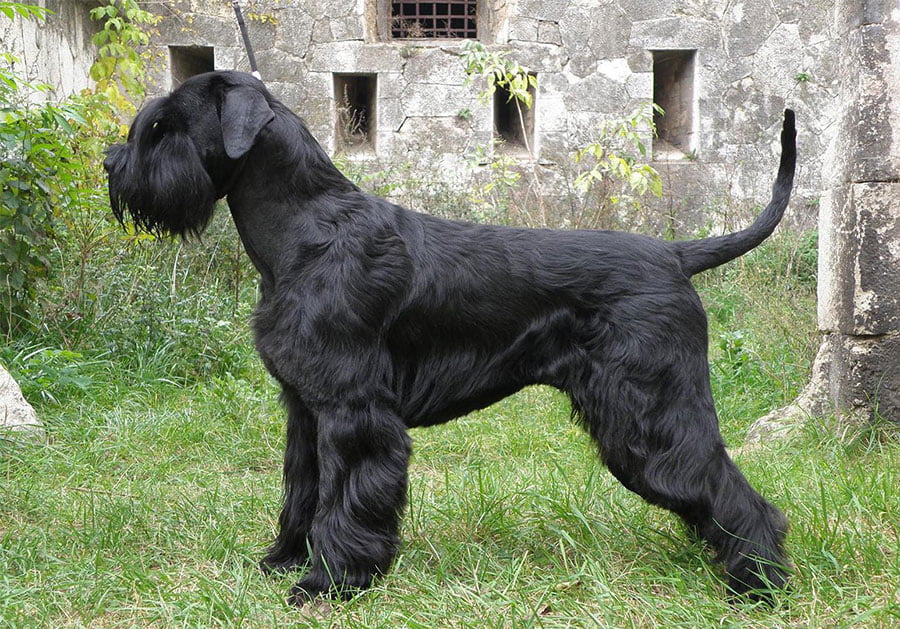
People usually come across the phrase “Russian Bear Schnauzer” in a rescue listing, a breeder ad, or a social media post showing a big, bearded dog with a serious expression. It sounds like a distinct breed from Russia, something rare and a bit wild.
In practice, the name is more of a nickname than a separate, recognised breed. Most often it is used for the Giant Schnauzer, an established working breed whose traditional roles included droving and guarding, and whose size and coat can give a distinctly bear-like impression.1, 2
That matters because names shape expectations. If you assume you are looking at a mysterious “Russian” breed, you might miss the more useful question: what does a large, protective, high-drive Schnauzer type dog actually need to live well in a modern home?
What people mean by “Russian Bear Schnauzer”
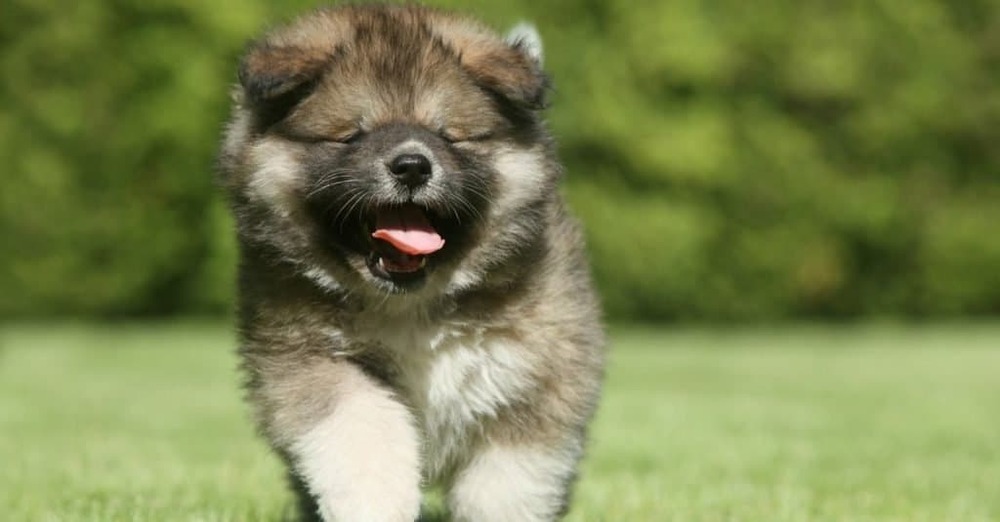
“Russian Bear Schnauzer” is commonly listed as an alternative name for the Giant Schnauzer, rather than a separate breed with its own standard and registry recognition.1
The confusion is understandable. The Giant Schnauzer has a commanding silhouette, a dense, harsh coat, and that unmistakable beard and eyebrows. In some lines, especially when kept in a fuller trim, the overall look can read as “bear-like”, even though the dog is very much a Schnauzer in structure and temperament.
It is also easy to mix this nickname up with truly Russian-developed working breeds, such as the Black Russian Terrier, which was created in the Soviet era from multiple breeds including the Giant Schnauzer.3
Origins and working background
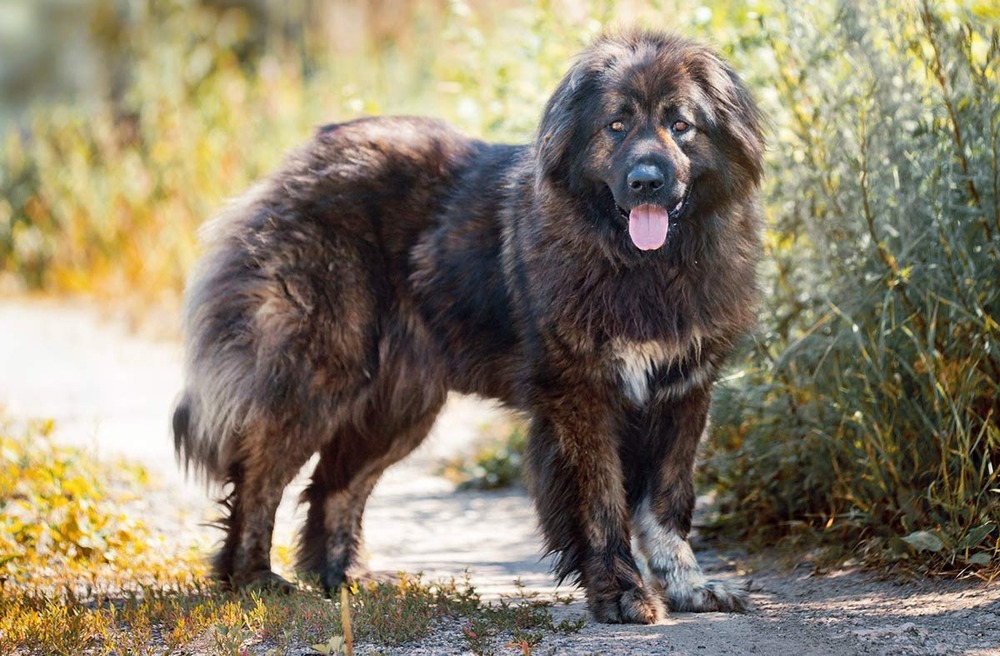
If you are dealing with a Giant Schnauzer, the roots are German, not Russian. The breed developed in southern Germany and was used as a versatile farm and drover’s dog, then later as a watchdog for businesses and, in some settings, military and police work.1, 2
This history leaves a practical imprint. Many dogs of this type are naturally alert, physically capable, and interested in having a job to do. They tend to do best when their day includes movement, training, and the sort of steady routine that makes the world predictable.
When you meet one that is “too much dog”, it is rarely about dominance or stubbornness in the cartoon sense. More often, it is an under-stimulated working dog improvising its own activities, which can look like guarding, barking, chewing, or relentless “busy” behaviour.
Appearance and coat, what is typical
Most dogs labelled “Russian Bear Schnauzer” have the classic Giant Schnauzer look: a strong, nearly square outline; a harsh, wiry outer coat with undercoat; and pronounced facial furnishings, including the beard and eyebrows.1, 2
Colour depends on the standard you are following. Internationally, recognised varieties include pepper and salt, pure black (with black undercoat), and in some standards, black and silver.2
One gentle reality check: photos on the internet can be misleading. Grooming choices change a Schnauzer’s apparent size and “bear factor” dramatically. A tighter clip can make the dog look athletic and trim, while a longer coat can make the same dog look heavier and more imposing.
Temperament and suitability in everyday homes
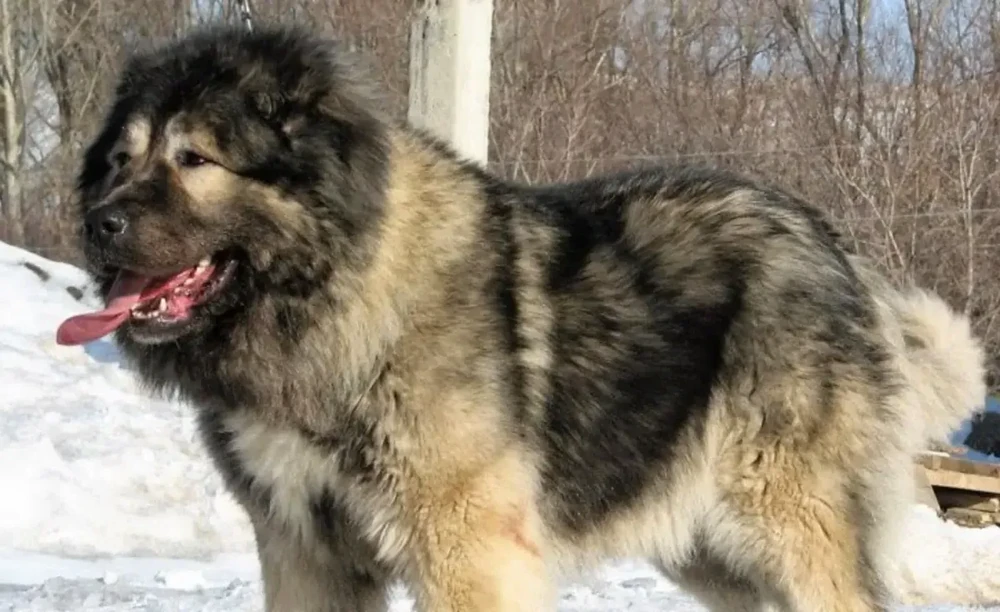
These dogs are often described as intelligent, loyal, and protective. In real terms, that can look like a dog that notices changes quickly, learns patterns fast, and may be reserved with unfamiliar people until properly introduced.1, 5
They can be wonderful with the right match, but they are not a “set and forget” companion. A useful way to think about it is that you are living with a capable animal that is paying attention. If you enjoy training, walking, and giving a dog meaningful structure, you will likely find the partnership deeply satisfying.
If your household is very busy, you are away for long stretches, or you want a dog that is reliably social with every visitor without much guidance, you may find this type challenging. That is not a flaw in the dog, it is simply a mismatch of needs.
Training and exercise that supports a steady dog
Reward-based training tends to suit Schnauzer types well, especially when started early and kept consistent. The goal is not to “win” against the dog, but to teach clear skills and reinforce the behaviours you want to see more often.6, 7
Good training for this type often includes:
- Daily engagement, short sessions that build manners (loose lead walking, recalls, calm greetings).
- Problem-solving games (scent work, food puzzles, simple “find it” games at home).
- Planned social exposure, where the dog can observe the world without being overwhelmed.
Exercise needs vary by age and individual, but many benefit from at least an hour a day plus mental work. Long walks, hikes, and structured play can all help, as long as they are paired with teaching the dog how to settle afterwards.5
Health considerations and preventative care
Large working breeds can be prone to orthopaedic issues such as hip dysplasia. It is a condition with a strong inherited component, although environment also plays a role, so responsible breeding, sensible growth management, and appropriate exercise matter.8
It is worth knowing the everyday signs that deserve a vet chat, especially in a young dog that is still developing: stiffness after rest, reluctance to jump, a “bunny hop” gait when running, or reduced interest in activity.
Preventative care is the quiet foundation. Regular check-ups, parasite control, and early attention to weight all reduce risk over time. If you are sourcing a puppy, ask for evidence of health screening relevant to the breed, not just verbal reassurance.
Grooming, coat care, and the practical reality of the beard
The wiry coat does not maintain itself. Expect regular brushing to prevent matting, with more attention around friction areas such as behind the ears, under the collar, and on the legs. Many owners also book routine professional grooming to keep the coat workable and the outline tidy.
The beard is charming, but it is also a sponge for water and food. A simple routine helps: a quick rinse or wipe after meals, drying after wet walks, and checking for tangles. Small habits are often easier than occasional big grooming sessions.
Dental care is another “small habit” area. Brushing is widely recommended as a core strategy for managing plaque, and many Australian vets advise brushing at least a few times per week for it to make a meaningful difference.9
Feeding and keeping weight in the healthy range
There is plenty of loud nutrition advice online, but the quieter truth is usually the most helpful: choose a complete and balanced diet, monitor body condition, and adjust based on what you see in front of you, not what a chart says a dog “should” weigh.
The World Small Animal Veterinary Association (WSAVA) provides practical guidance for owners and veterinary teams, including why ingredient lists can be misleading and why a whole-diet approach is more reliable than chasing fashionable claims.10
If your dog is growing quickly, doing lots of exercise, or has any orthopaedic concerns, it is worth asking your vet for tailored advice. For big, active dogs, being slightly lean is usually kinder to joints than carrying “just a little extra”.
Final thoughts
“Russian Bear Schnauzer” sounds like a breed with a single, clear story, but most of the time it is a shorthand for the Giant Schnauzer look and vibe. Once you set the name aside, what you are left with is a large, capable working dog that tends to thrive on structure, training, and being included in daily life.1, 2
If you are considering one, focus less on the myth and more on the match. The right home is usually the one that enjoys routine, has the time for ongoing training, and appreciates a dog that notices the world and needs guidance on how to move through it calmly.
References
- Giant Schnauzer (Wikipedia)
- FCI breed standard listing for Giant Schnauzer (No. 181)
- Black Russian Terrier history (American Kennel Club)
- Black Russian Terrier overview (Wikipedia)
- Giant Schnauzer breed overview (Westminster Kennel Club)
- What is reward-based dog training? (RSPCA Knowledgebase)
- The do’s and don’ts of training your dog (RSPCA Australia)
- Hip dysplasia information and signs (Australian Multiple Combined Clubs Veterinary Scientific Committee)
- Dental care tips for pets, including brushing frequency (Flemington Vet)
- WSAVA Global Nutrition Guidelines