

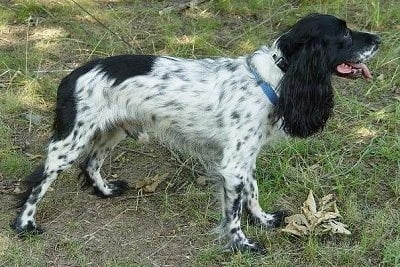
You might come across the Russian Spaniel when you are looking for a small gundog that can still keep up on a long day out, or when you meet a cheerful, feather-eared dog at the park that looks a bit like a Cocker but moves more like a working spaniel. People often assume it is simply a “spaniel mix”, or that all spaniels share the same needs and temperament.
In practice, the Russian Spaniel has its own rhythm. It was shaped for hunting and retrieving in Russia, and that background still shows up in the things owners notice day to day: a dog that loves to use its nose, that settles best after proper exercise, and that needs steady, practical grooming and ear care rather than anything fancy.
If you are considering the breed, or trying to understand the one already living in your house, it helps to look beyond the headline traits. The Russian Spaniel can be wonderfully adaptable, but it tends to do best with people who enjoy training, routine, and the simple pleasure of an engaged dog.
Quick profile: Russian Spaniel at a glance
Breed type: A small to medium gundog (hunting spaniel), originally developed in the Soviet Union.
- Origin: Russia (Soviet era standardisation began in 1951).2, 3
- Height: Around 38 to 45 cm at the withers, depending on sex and lines.3
- Typical weight: Often cited around 9 to 16 kg (build varies, so body condition matters more than a number).2, 3
- Life expectancy: Commonly 12 to 14 years, sometimes a little longer with good care.2, 3
- Coat: Tight, medium length with feathering, often wavy on ears and legs.3
- Temperament: Generally friendly, active, people-oriented, and keen to work.3
Development and role in hunting

The Russian Spaniel is often described as a relatively young breed. The first official breed standard was established in 1951, with later updates, and the breed was developed by crossing imported spaniels (including Cocker and Springer types) to create a practical, compact hunting dog suited to local conditions.2, 3
In the field, the Russian Spaniel’s job is familiar to anyone who has watched a working spaniel: hunt close, flush game, retrieve on cue. Breed descriptions consistently emphasise stamina, a strong nose, persistence in cover, and an inherent willingness to retrieve, which is why many owners find their dogs inventing “retrieving jobs” at home if nothing is offered.3
Is it recognised by major kennel clubs?
This is where expectations can get tangled. The Russian Spaniel is widely recognised within Russia, but it is not recognised by the FCI, and it is not part of the major international show circuits in the way many other spaniels are.2
What they look like, and what that tells you
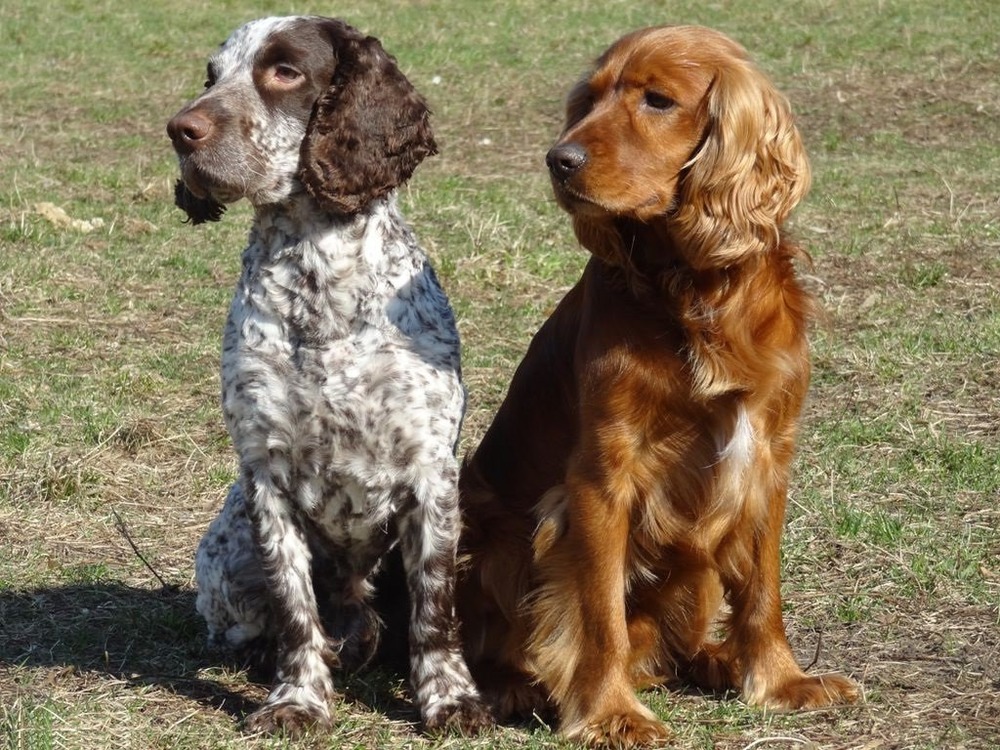
Most Russian Spaniels are compact, slightly longer in body than some people expect, with long ears and feathering that hints at their gundog roots. Their coat is usually close-fitting rather than “full”, which can make them easier to manage after a muddy walk than other spaniel types, although the ear and leg feathering still needs attention.3
Colour can vary from solids to bi-colours and tri-colours, commonly with white plus darker markings. What matters more than colour, day to day, is function: a coat that collects burrs, ears that reduce airflow, and a dog built to move for hours if given the chance.3
Personality and suitability in everyday life
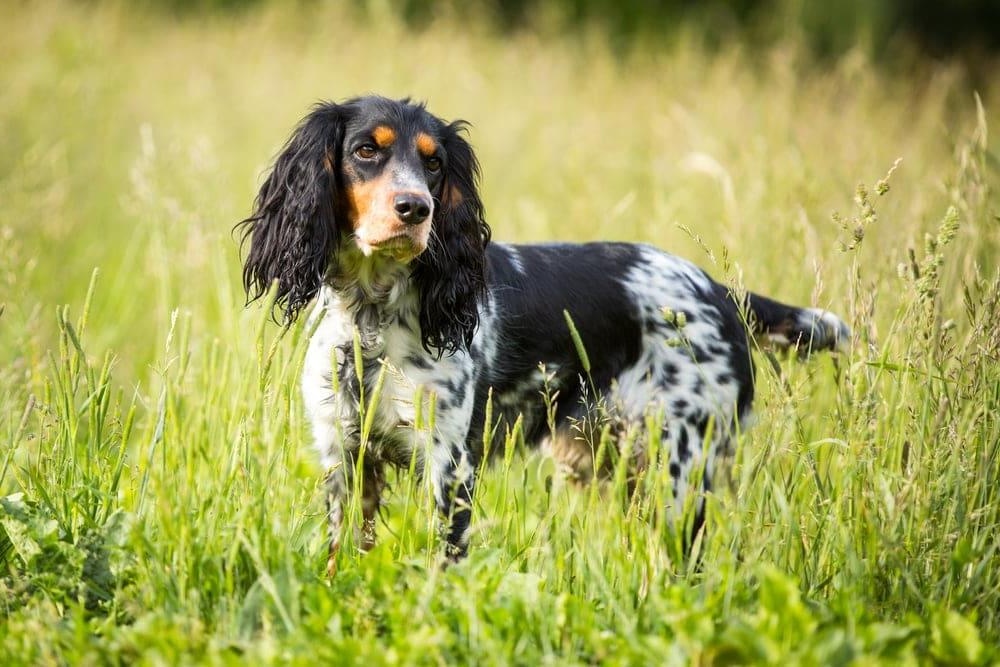
People tend to fall for the Russian Spaniel because they are often sociable and responsive. Breed standards and breed clubs describe a friendly attitude to people, with a balanced, mobile working temperament rather than a dog that prefers to sit on the sidelines.3
That friendliness does not automatically mean “easy dog for any household”. In many homes, the biggest adjustment is simply realising that exercise is not optional. When their physical needs and curiosity are met, they are far more likely to be calm and workable indoors.
Families, kids, and other pets
Well-socialised Russian Spaniels are commonly described as good with children and generally social with other dogs. As with any active breed, supervision and teaching kids how to interact appropriately makes a difference, especially around food, toys, and when the dog is tired.3
Apartment living
They can suit unit or apartment life if the household genuinely enjoys daily exercise and engagement. Their smaller size helps, but they still need chances to sniff, train, and move, otherwise the “working dog in a small space” mismatch can show up as restlessness or nuisance barking.3
Training and exercise that fits the breed
Russian Spaniels tend to respond well to reward-based training, partly because retrieving, searching, and carrying are naturally reinforcing for many of them. The aim is not perfection, it is building a shared language and giving the dog a job that makes sense.
If you want a simple rule: train the dog you have today. Short, regular sessions usually beat long drills, especially for young dogs. Many owners find success combining obedience basics with scent games, retrieves, and structured off-lead time in safe areas.
Good outlets for a Russian Spaniel
- Sniffy walks where the dog can investigate the environment, not just march beside you.
- Retrieving games with clear starts and finishes, so arousal does not spill over.
- Beginner scent work or tracking style games, even if you do not hunt.
- Low-impact agility foundations for coordination and confidence.
Health and care, with the practical stuff up front

No breed is “problem free”, but Russian Spaniels are often described as generally robust. The issues that come up most in daily life tend to be the same ones seen in many spaniel types: ear trouble, weight creep, and the occasional orthopaedic concern.3
Ear infections (otitis externa)
Long, floppy ears reduce airflow and can trap moisture, which makes the ear canal environment friendlier to yeast and bacteria. If your Russian Spaniel swims, runs through wet grass, or has allergies, the risk can go up.5, 6
Signs worth taking seriously include head shaking, redness, odour, discharge, and sensitivity around the ears. Otitis is common, but treatment works best when the underlying cause is identified rather than just repeating the same drops.5
Hip dysplasia and joint wear
Hip dysplasia is multifactorial, with genetics as a major risk factor, and growth rate and excess weight can complicate it. Not every Russian Spaniel will be affected, but it is sensible to keep puppies lean, avoid forced exercise on hard surfaces, and talk to your vet if you see stiffness, reluctance to jump, or a change in gait.4
Keeping a healthy weight
Because they are enthusiastic eaters and enthusiastic workers, weight can shift without much notice. A dog that stays in good body condition typically finds exercise easier, copes better with heat, and places less stress on joints. Breed notes often flag obesity as a preventable issue worth managing early.3
Coat care and grooming routines
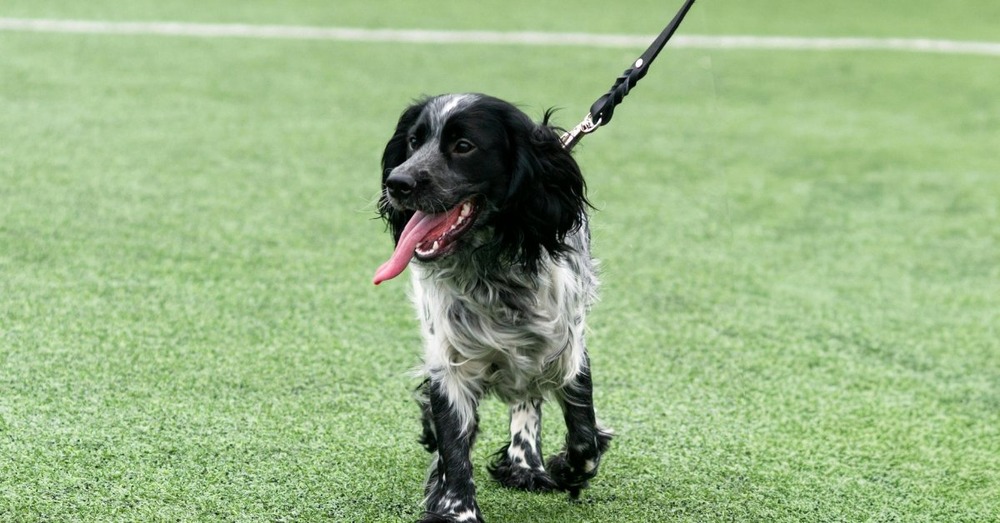
The coat is usually described as tight and not overly long, but the feathering on ears, belly, and legs is where tangles and grass seeds like to hide. For most households, a thorough brush a few times a week, plus a quick check after outings, keeps things manageable.
Ear care is part of grooming for this breed. Routine checks help you spot early irritation, wax build-up, or moisture after swimming. If you clean ears, do it the way your vet demonstrates, and avoid pushing anything deep into the canal.6
Food and feeding, without the internet noise
Russian Spaniels do best on a diet that supports an active lifestyle without pushing them into excess weight. Rather than chasing a particular ingredient trend, it is usually more helpful to choose a nutritionally complete food, measure portions, and adjust based on body condition and activity.
Veterinary nutrition guidelines emphasise the value of an individual nutrition plan and ongoing monitoring, including routine body condition scoring and diet reviews with your veterinary team.7
Simple feeding habits that help
- Feed measured meals, and count treats as part of the day’s intake.
- Use some of the daily ration for training, especially for young dogs.
- If weight is creeping up, reduce portions gradually and re-check body condition in a couple of weeks.
- Discuss any home-prepared diet with a vet or qualified nutrition professional to avoid nutrient gaps.7
Final thoughts on living with a Russian Spaniel
The Russian Spaniel tends to suit people who like an engaged dog, a dog that wants to be included, trained, and taken seriously as a working mind in a compact body. Their best qualities often show up in small moments: a tidy retrieve, an attentive check-in on a walk, a dog that relaxes properly after doing something that felt meaningful.
If you meet their needs for movement, training, and basic maintenance, you are likely to end up with a companion that is practical, bright, and good company, whether your version of “work” is hunting, scent games, or simply a busy household life.
References
- Russian Spaniel Club: Breed standard (translation and notes)
- Wikipedia: Russian Spaniel (history and recognition overview)
- Russian Spaniel Club: About the breed (height, weight, work, and care notes)
- American College of Veterinary Surgeons: Canine hip dysplasia overview
- Merck Veterinary Manual: Otitis externa in animals
- The Kennel Club: Otitis externa (ear infections) in dogs
- World Small Animal Veterinary Association (WSAVA): Global Nutrition Guidelines
- Dogster: Russian Spaniel breed overview (general characteristics)