


People often notice the Russian Toy because of the contrast. A tiny dog with fine bones and big eyes can look almost fragile, yet it might be the first to sound the alarm at the door, race the hallway for a toy, or insist on being right where you are.
That mix can create a bit of uncertainty for new owners. Is the barking “spoilt”, or simply a small dog doing small dog things? Does a short walk count as enough exercise, or will they climb the walls? And how careful do you really need to be with a dog that seems so light and quick?
The Russian Toy tends to do best when you take them seriously as a dog, not just a lap companion. Their needs are usually straightforward, but the details matter, especially around handling, dental care, and keeping their body safe in daily life.
Quick facts at a glance
Breed category: Toy. Height: 20 to 28 cm at the withers (with a small tolerance). Weight: up to 3 kg. Coat: smooth or longhaired. Typical lifespan: often 12 to 14 years, sometimes longer with good care and a bit of luck.1
- Best known for: an elegant outline, lively movement, and a strong attachment to their people.
- Often suits: apartment living and smaller households, provided they still get daily outings and training.
- Watch-outs: dental disease risk in toy breeds, and orthopaedic issues seen in small dogs, including patellar luxation.4, 5
Where the Russian Toy comes from
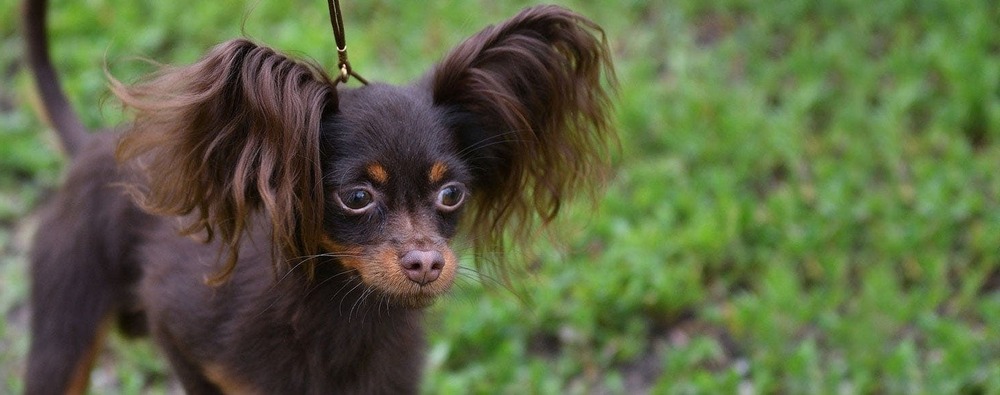
The modern Russian Toy is closely associated with Russia’s urban and aristocratic history. The breed developed from small terrier types that were fashionable companions, and it later went through periods of decline and rebuilding as social conditions changed.
In many countries, the breed’s formal description comes via kennel club standards. These documents can feel dry, but they matter because they explain what “healthy and typical” should look like for the breed, including size limits and coat types.1
If you are comparing sources, it helps to note that “Russian Toy”, “Russkiy Toy”, and older labels such as “Russian Toy Terrier” may appear depending on the era and registry.
Appearance, coat types, and what is normal
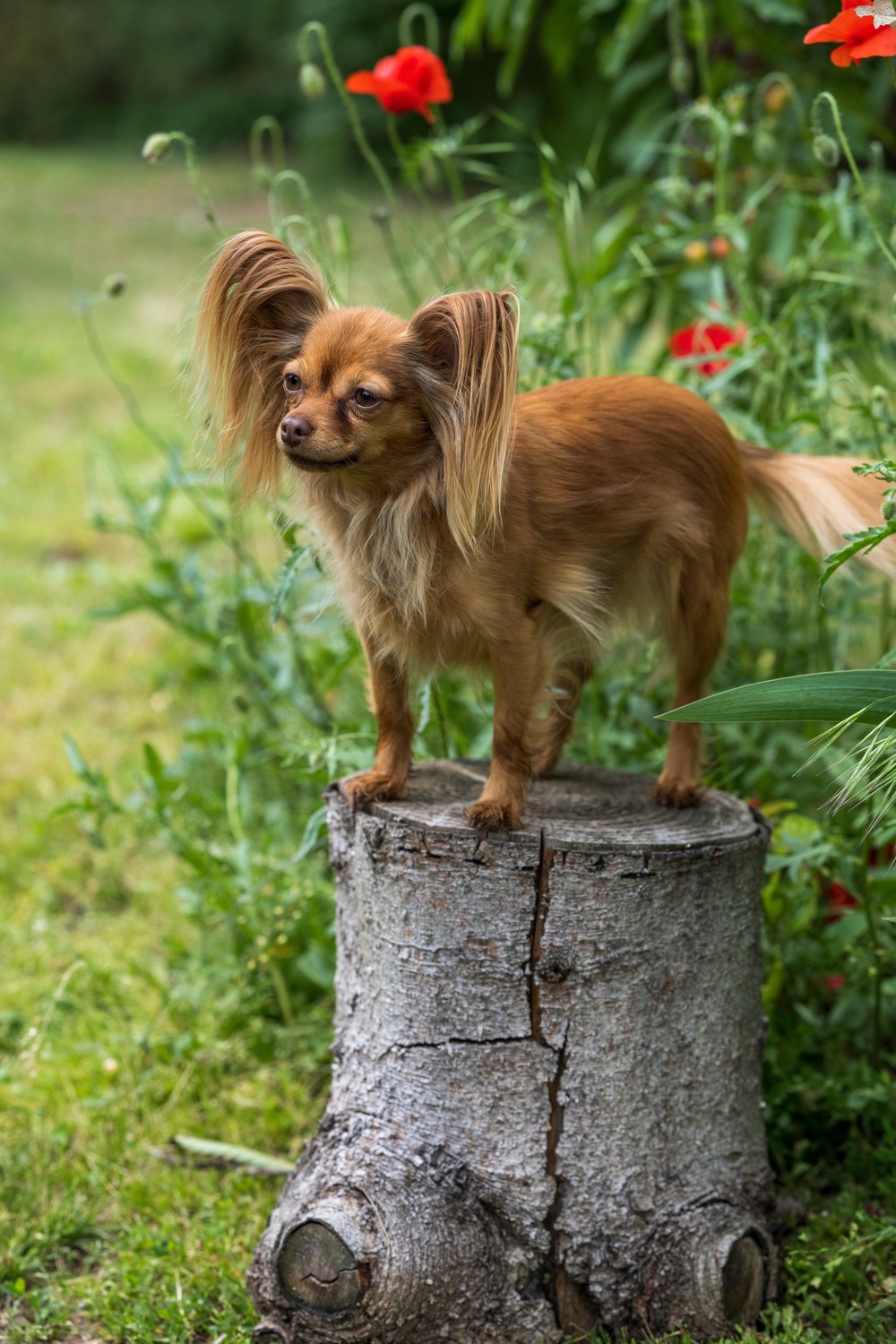
The Russian Toy is a very small, fine boned dog with a light frame and long legs for their size. Ears are typically large and carried erect, and the eyes look prominent because the head is small and refined.
Two coat types are recognised: smooth coat and longhaired. The longhaired variety is known for feathering, especially on the ears, legs, and tail. Both coat types come in a range of colours described in breed standards, commonly including black and tan, brown and tan, blue and tan, and various reds, sometimes with overlay.1
Because they are light and delicate, everyday safety becomes part of “appearance” in practice. Slippery floors, jumping from furniture, and being stepped on in busy households can be bigger risks than people expect from a dog that looks so self-assured.
Temperament, barking, and the “big dog in a small body” myth
Russian Toys are often described as lively, affectionate, and loyal. Many form a close bond with one or two people and like to stay nearby, not necessarily from “clinginess”, but because their comfort zone is often social and close.
They can also be alert and vocal. In a small dog, barking is frequently a mix of genetics, habit, and reinforcement. If the dog barks and something changes (a person speaks to them, a door opens, someone picks them up), the behaviour can become sticky.
A more useful way to think about it is: what is the dog practising every day? Calm greetings, a predictable routine, and teaching an alternative behaviour (go to mat, touch, look at me) can make barking easier to live with, without trying to “shut the dog down”.
Family life, children, and other pets
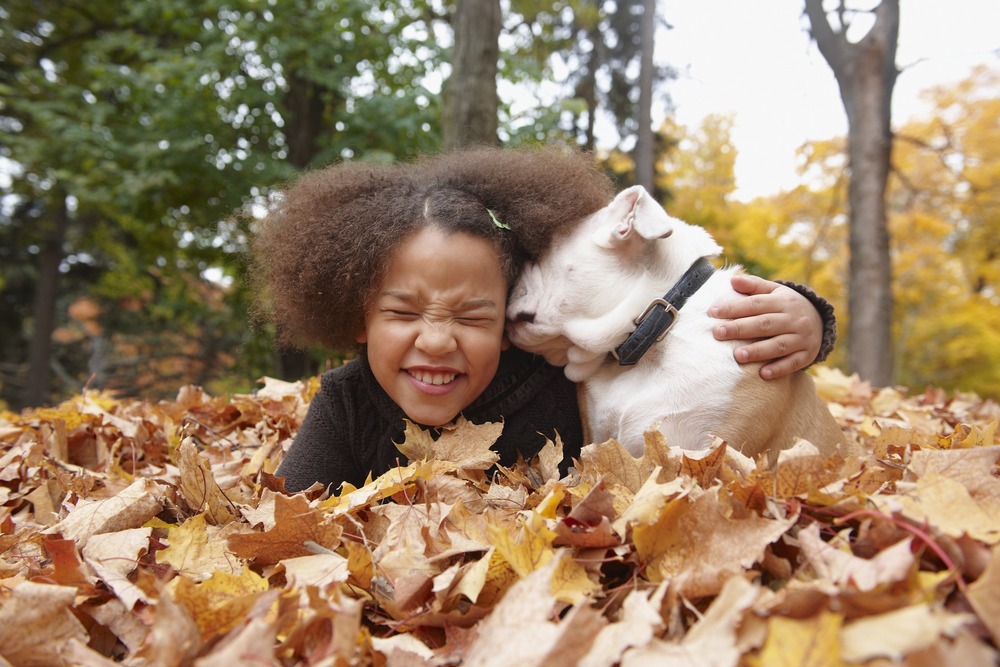
Russian Toys can suit family life, but they usually do best with thoughtful handling. Their small size means they can be overwhelmed by fast, unpredictable contact. Many families find the sweet spot is older children who can follow simple rules.
If you are introducing a Russian Toy to other pets, keep expectations practical. Most problems come from mismatched play styles rather than “bad temperament”. Slow introductions, escape routes, and short, calm sessions tend to work better than forcing friendship.
- Supervise closely around toddlers, not because the dog is “snappy”, but because accidental injury risk goes both ways.
- With larger dogs, watch for chasing games that escalate. Tiny dogs can be quick, but physics still wins.
Training and exercise that actually fits a Russian Toy
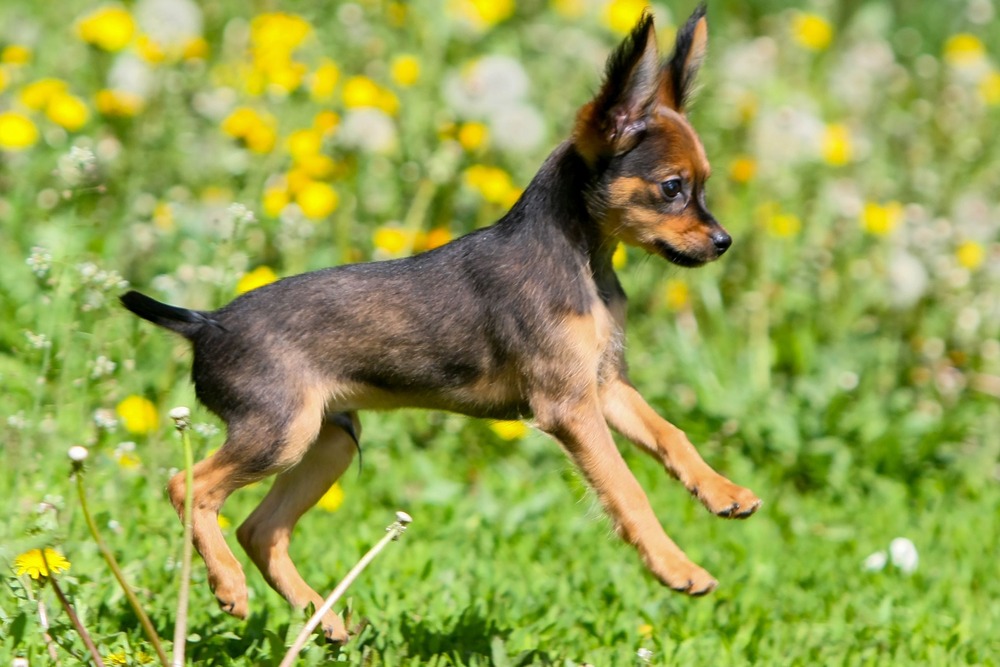
They are small, but they are not low input. Most Russian Toys need daily movement and daily mental engagement. The good news is you can meet a lot of that with short sessions that feel light in your schedule.
Think in layers: a gentle walk, a short training session, and a few minutes of play. Many do well with basic trick training, simple scent games, and low impact agility-style setups at home (tunnels, stepping over poles) once your vet is happy with their joints.
For training, positive reinforcement tends to suit this breed well. Keep sessions brief, end on success, and avoid heavy-handed corrections. With toy breeds, confidence can be easier to build than to rebuild.
Health considerations that are common in toy dogs
No breed is free of issues, and small breeds have a few predictable patterns. Two that come up often in Russian Toys are dental disease risk and patellar luxation.
Patellar luxation (kneecap dislocation)
Patellar luxation is common in small dogs. It can show up as an occasional skip, a brief hop on three legs, or ongoing lameness depending on severity. Diagnosis is usually made on a vet orthopaedic exam, sometimes with imaging to plan treatment if it is severe.4
If you notice repeated skipping, reluctance to jump, or stiffness after rest, it is worth a vet check rather than assuming the dog is being “dramatic”. Early guidance can help you plan exercise, weight management, and, where needed, treatment.
Dental disease and small mouths
Small dogs are prone to dental crowding and periodontal disease, which can progress quietly until there is pain, infection, or tooth loss. Home care matters here more than people expect.
The gold standard is daily tooth brushing. If that feels unrealistic, aim for “most days” and use evidence-based dental aids to fill the gaps. Products with the Veterinary Oral Health Council (VOHC) seal are a practical starting point when choosing chews, diets, or oral care products.6, 7
Grooming and day-to-day care
Grooming needs are usually manageable. Smooth-coated dogs often do well with a quick weekly brush and occasional baths. Longhaired dogs need more regular brushing to prevent tangles, with extra attention to feathering on ears, legs, and tail.
Nails, ears, and teeth are the quiet essentials. Overlong nails can change gait and add stress to small joints. Ear care is usually simple unless your dog has recurring irritation. Teeth, as mentioned, deserve a routine rather than a rescue mission.
Feeding, weight, and keeping joints comfortable
Russian Toys do well on a high-quality small-breed diet, but the bigger issue is often quantity, not brand. Extra weight has an outsized effect on tiny joints and can worsen orthopaedic problems.
If you are unsure, ask your vet to show you how to use a body condition score. The 9-point system is widely used, and it gives you a shared language for “too thin”, “about right”, and “carrying extra”.8
- Measure meals for a few weeks, especially after desexing or a routine change.
- Keep treats tiny and count them as food, not “free extras”.
- If your dog is fussy, look for medical causes before you start rotating foods.
Weather sensitivity and home safety for a very small dog
Toy dogs can feel cold quickly, especially in wet or windy weather. In winter, warmth is not indulgence, it is basic comfort and, for some dogs, joint friendliness. A dry coat, warm bedding, and bringing them indoors during harsh weather can make a noticeable difference.9
Heat matters too. Small dogs can overheat in hot, humid conditions, and they are close to hot ground surfaces. Adjust walk times, offer shade and water, and learn the early signs of heat stress so you act before it becomes a crisis.10
Living well with a Russian Toy
The Russian Toy is often at their best when life is steady and connected. They like routines, gentle handling, and the sense that their person is paying attention. In return, you tend to get a small dog who is bright, quick to learn, and surprisingly sturdy in spirit.
If you take care of the practical weak points, especially teeth, joints, and safety, the rest is mostly about enjoying a companion who wants to be involved in the small moments of the day.
References
- The Kennel Club (UK), Russian Toy breed standard
- American Kennel Club, Press release on Russian Toy recognition (2022)
- American Kennel Club, Expert advice: Meet the Russian Toy
- American College of Veterinary Surgeons, Patellar luxation (knee cap dislocation)
- Cornell University College of Veterinary Medicine, Patellar luxation in dogs
- Veterinary Oral Health Council (VOHC), About the VOHC and oral health guidance
- Veterinary Oral Health Council (VOHC), Accepted Products list
- Purina Institute, 9-point Body Condition Score tool for dogs
- RSPCA South Australia, Winter weather care for pets
- RSPCA Australia, Protect pets from heatstroke