

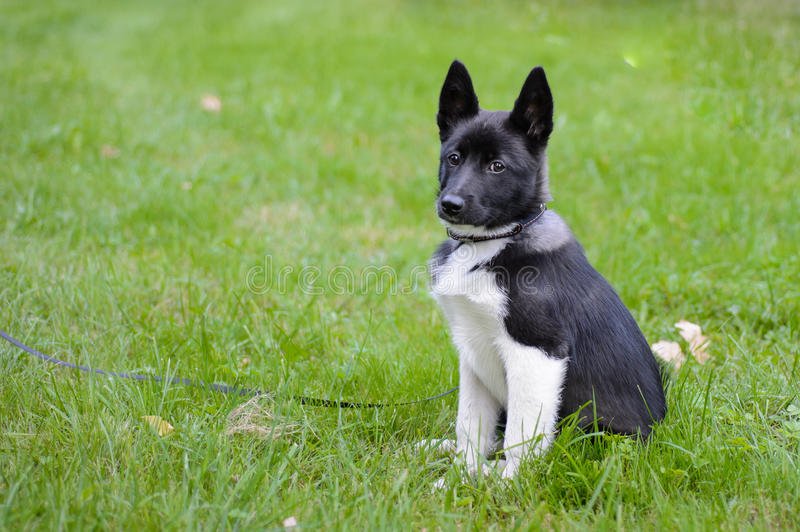
People usually stumble across the Russo-European Laika after seeing a compact, black-and-white spitz type dog working in the bush, or after realising their own “Laika mix” behaves less like a lounge-room companion and more like a switched-on hunting dog. The name “Laika” can make it sound like one familiar type, but it is really a working-dog tradition, and individual breeds within it were shaped for very specific tasks and landscapes.
The Russo-European Laika is one of those purpose-built dogs. Bred to hunt in forested country, it tends to be quick, observant, and ready to use its voice when something catches its attention. That matters in day-to-day life because the same traits that make a good hunting partner can be challenging in suburbia, especially if exercise, training, and boundaries are treated as optional.
For the right household, though, there is something deeply satisfying about living with a dog that is meant to have a job. The goal is not to “tire them out” so they behave, it is to meet their needs in ways that suit modern life, while respecting what the breed was designed to do.
Breed snapshot: what people notice first
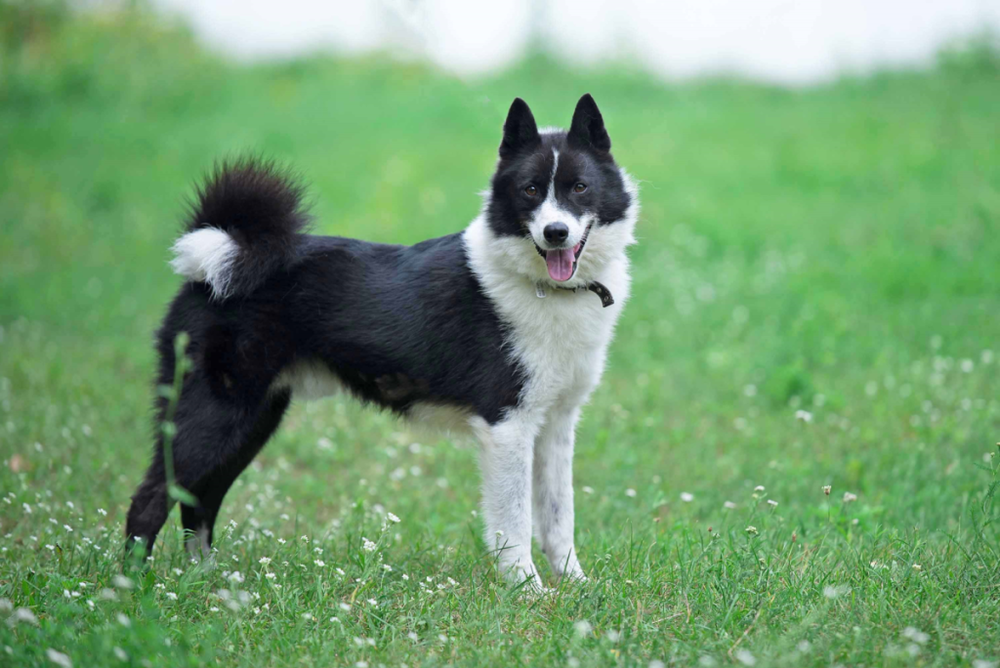
The Russo-European Laika is a medium-sized, squarely built spitz type dog with a dense double coat, upright triangular ears, and a tail carried over the back. Breed standards describe males around 52 to 58 cm at the withers, and females around 48 to 54 cm, although you will see variation across lines and countries.1, 2
Most people also notice how “present” they are. Even when they are still, many Laikas scan, listen, and track movement. In a household, that can look like high environmental awareness, not necessarily anxiety, and it is one reason they do best with steady routines and clear guidance.
- Group type: Nordic hunting dog (spitz and primitive types).1
- Country of origin: Russian Federation.1
- Coat: harsh, straight outer coat with a well-developed undercoat.2
- Common colours: black and white patterns are typical; red is generally considered undesirable in standards.2
Origins and what the breed was built to do
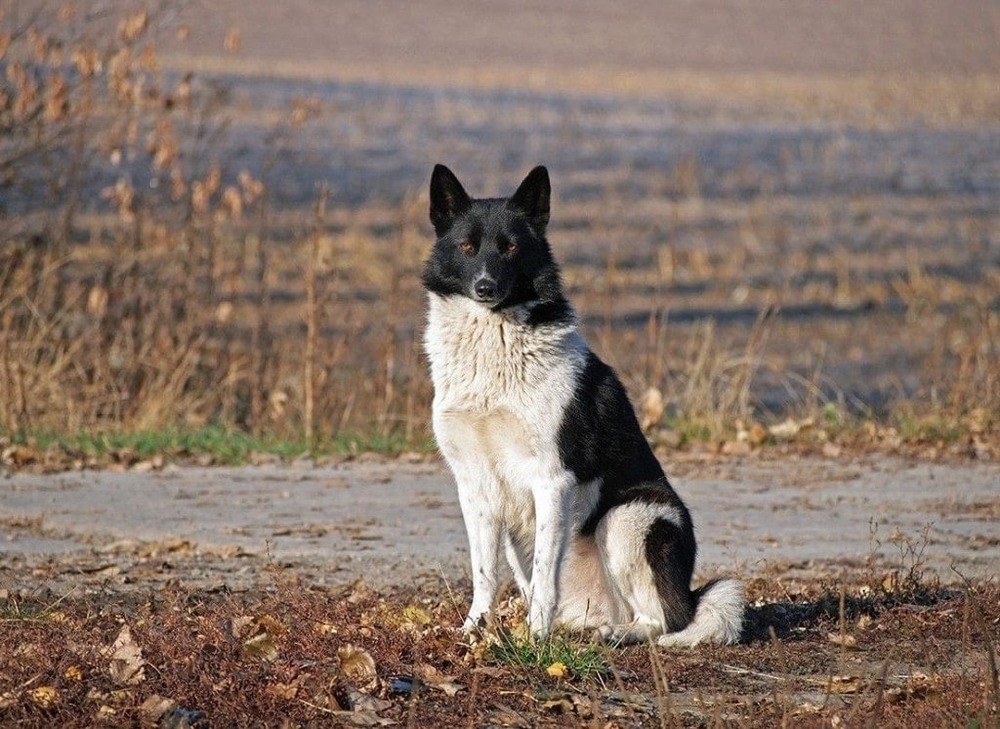
The Russo-European Laika sits within a wider Laika tradition of northern hunting dogs. The defining feature is not a particular look, but the working style: a dog that ranges, locates game, and uses its bark to indicate what it has found, often holding position long enough for a handler to arrive.3
That background helps explain a few everyday realities. Many individuals are naturally vocal in situations they find stimulating. Some are inclined to roam if there is an open gate, a scent trail, or an interesting moving target. And many will practise hunting behaviours on their own if they do not have safer outlets.
The breed is recognised by the FCI, with definitive acceptance dated 3 June 1980. The official valid standard is published separately, but even this basic record is a useful anchor when online breed claims start to drift.1
Temperament: loyal, independent, and not always “easy”
Good Russo-European Laikas tend to bond strongly with their household, but they are rarely soft, velcro-type dogs. Independence is part of the design, and it often shows up as a willingness to make decisions, especially outdoors. That can be a strength, and it can also be where training either becomes a shared language or a constant negotiation.
Most owners who thrive with this breed do two things well: they provide consistent structure at home, and they build a lifestyle that includes real movement and meaningful enrichment, not just a lap around the block.
With children, the breed can do well in the right home, particularly when kids are taught calm, respectful handling and adults supervise closely. Like many hunting breeds, suitability is less about a universal “good with kids” label, and more about the specific dog, the child, and the household’s ability to manage arousal, space, and boundaries.
With other pets, expectations need to be realistic. Some individuals coexist peacefully, particularly when raised with other animals and introduced carefully. Others will always find small, fast-moving pets difficult to ignore. Plan for management first, and let friendship be the bonus.
Training and exercise: turning drive into workable habits
The Russo-European Laika is often described as intelligent and quick to learn, but that does not always translate to “biddable”. Many respond best to short, regular sessions that feel relevant, with rewards that genuinely matter to the dog. Harsh methods tend to create conflict, avoidance, or a dog that simply learns to work around you.
Early socialisation helps, but it is worth being precise about what that means in practice. It is not flooding a puppy with chaotic experiences. It is building calm exposure, teaching recovery, and reinforcing behaviours you want in the adult dog, like checking in, settling, and moving away from triggers when asked.
Daily exercise should include both physical activity and thinking work. Useful options include:
- Scent games (scatters, track-and-find, hidden toys)
- On-lead hiking with structured breaks for sniffing
- Recall games in secure areas
- Sport-style training that rewards focus and impulse control
If you are in a hot part of Australia, remember that a thick-coated dog can overheat easily during summer activity. Aim for early-morning or evening walks, avoid hot pavement, and treat heavy panting, drooling, weakness, or vomiting as warning signs that need immediate cooling and veterinary advice.4, 5
Health: what to watch, and what you can influence
As a general type, Laikas are often considered robust working dogs, but any individual dog can develop problems. Hip dysplasia is one condition owners should keep on their radar, particularly if a dog becomes stiff, reluctant to jump, or sore after exercise. Genetics matter, but body condition also matters, and keeping a dog lean can reduce strain and may reduce the severity of signs over time.6
For prospective owners, the most practical health step is to seek breeders who can explain their screening choices and provide evidence, rather than reassurance. For current owners, the basics still do a lot: regular veterinary care, weight management, conditioning exercise, and prompt attention to pain or mobility changes.
Coat care and day-to-day maintenance
The coat is built for weather and work, so it tends to be practical rather than delicate. A weekly brush is often enough for general upkeep, with more frequent brushing during heavier shedding periods. Focus on removing dead undercoat and checking the skin, especially around the neck ruff and behind the ears where coat can pack down.
Bathing can be occasional, not constant. Over-bathing can dry the coat and skin, and it is rarely necessary unless the dog is genuinely dirty. Nails, ears, and teeth still need routine attention, even if the dog spends most of its time outdoors.
One small but important detail: in hot weather, a double coat is not a simple “too much fur” problem. It can insulate against heat as well as cold, but dogs still overheat via exertion and environment. Instead of shaving, think shade, water, timing, and airflow first.4
Feeding and nutrition: keep it simple and evidence-led
These dogs are active, and many do best on a diet that supports conditioning without pushing them into weight gain. Rather than getting stuck on marketing terms, look for a food that is labelled as complete and balanced for your dog’s life stage, and adjust portions based on body condition and workload.7, 8
If you want to add extras, treat them as extras. Too many table scraps and high-calorie treats can unbalance the diet and creep weight up, which is not ideal for joints or fitness.8
If you are uncertain, a veterinary team can help you do a proper nutrition check that includes diet history, body condition scoring, and realistic calorie targets.9
Living with a Russo-European Laika: what tends to work
In the right setting, this breed can be a deeply engaging companion. The households that do best usually have a few things in common: secure fencing, time for training, and a daily rhythm that includes movement and purpose.
It is also worth being honest about space. Many Russo-European Laikas are not natural “apartment dogs”, not because they are large, but because they can be reactive to what they hear and see, and they often need more than a quick toilet break to feel settled. If you live in a dense neighbourhood, plan for noise management and enrichment, not just exercise.
If you are considering one, it can help to meet adult dogs, not only puppies, and to talk through realistic management with experienced breed people. A Laika that is given outlets and boundaries tends to become a steadier, more liveable dog. A Laika that is under-stimulated often becomes inventive, and not always in ways you will enjoy.
The best match is usually an active home that likes being outside, values training as an ongoing practice, and can respect a dog that has a working mind.
References
- FCI: Russian-European Laika (No. 304)
- United Kennel Club (UKC): Russian-European Laika breed standard
- Wikipedia: Russo-European Laika (overview and breed standard summary)
- RSPCA Australia: Keeping your pet safe during the heat
- RSPCA ACT: Hot weather advice and signs of heatstroke
- UC Davis School of Veterinary Medicine: Canine hip dysplasia
- US FDA: “Complete and Balanced” pet food
- AAFCO: Selecting the right pet food
- WSAVA: Global Nutrition Guidelines