

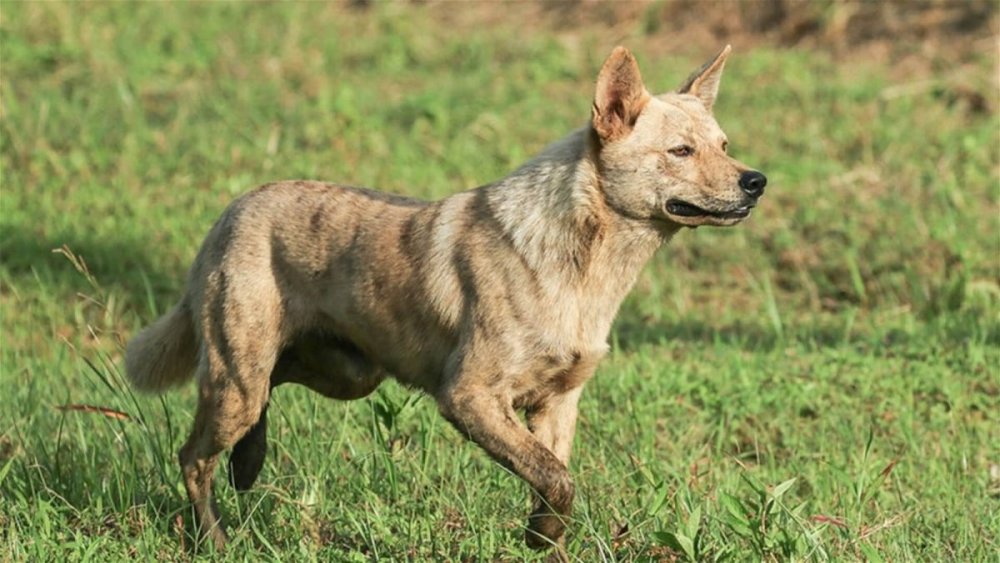
Most people first hear about the Ryukyu Inu because they notice a photo of a brindle dog that looks a bit like a Kai Ken or Shikoku, but somehow different. Sometimes it is the story that catches you instead, an Okinawan hunting dog that is said to climb, work quietly, and bond closely with its people.
That mix of rarity and mythology can make it hard to know what is solid, and what has been repeated because it sounds good. The Ryukyu Inu is a real regional type with a preservation history, but many details online are inconsistent, especially around recognition, coat, and the famous “tree climbing” claim.
If you are considering one, or you simply want to understand what makes the breed distinctive, it helps to put the romance to one side and look at how these dogs likely behave day to day: active, watchful, often independent, and shaped by a background of working in rugged subtropical terrain.
Quick profile: what people mean by “Ryukyu Inu”
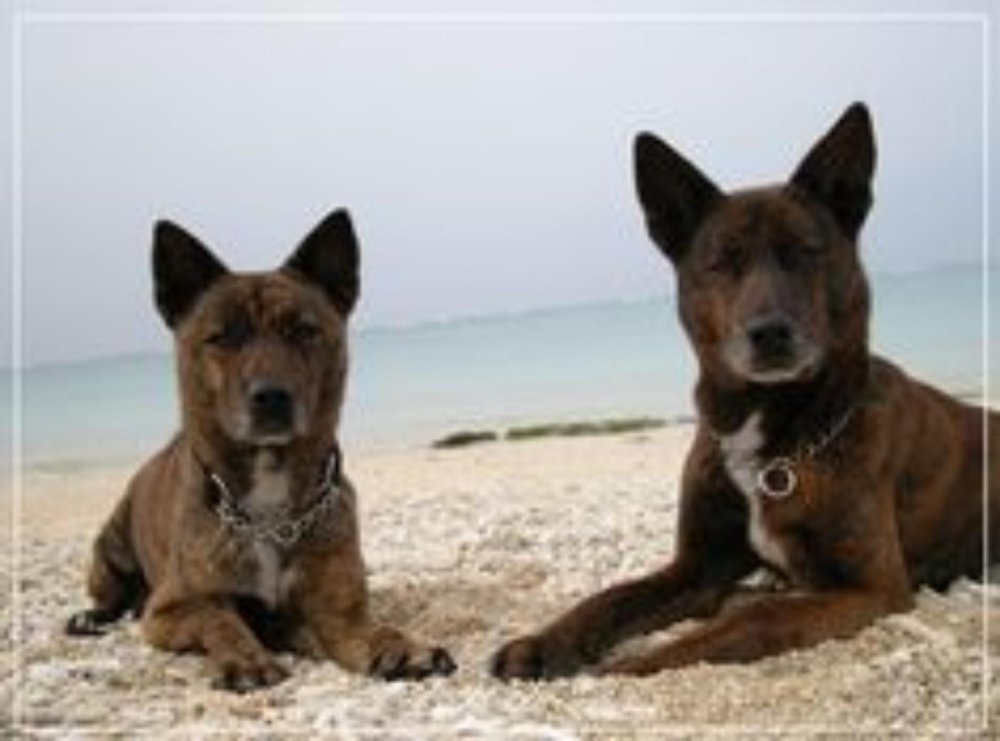
“Ryukyu Inu” (also written Ryukyu Ken or Ryukyu dog) generally refers to an Okinawan native dog type associated with Okinawa and nearby islands such as Ishigaki.1 You will see a range of sizes and looks described, partly because the population is small and partly because the dogs have been maintained through preservation efforts rather than mainstream kennel club systems.1
- Place of origin: Okinawa (Ryukyu Islands), Japan.1
- Traditional work: tracking and baying wild boar, sometimes in packs.1
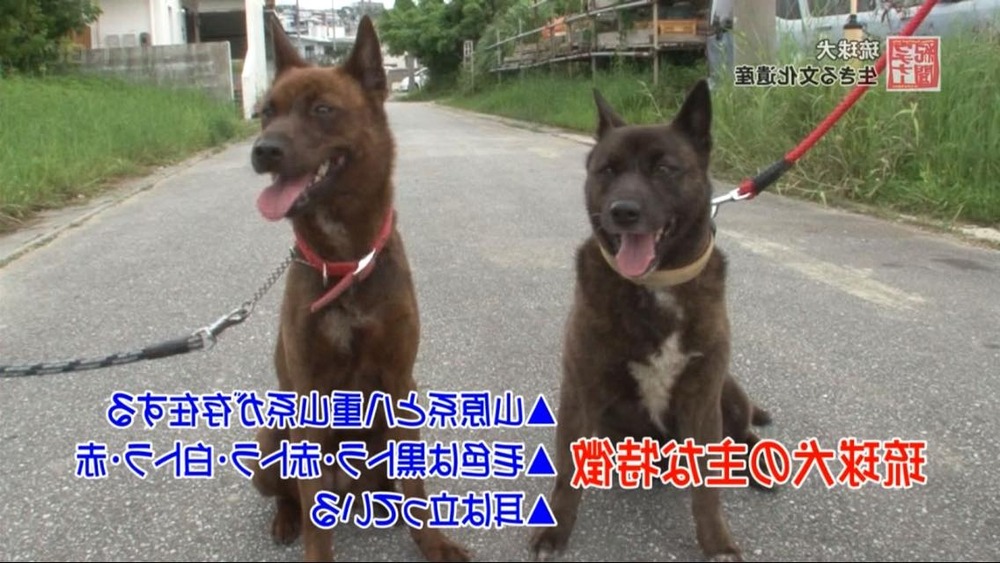
- General build: medium-sized, athletic, erect ears are common, with a tail that may curl or carry in a blade shape depending on line and standard referenced.1
One practical point that surprises people is recognition. The Ryukyu dog is not recognised by major kennel clubs like the Japanese Kennel Club, and it is not an FCI-recognised breed, which affects availability, record-keeping, and how consistent “breed standard” information will be across sources.1
Origins in Okinawa: hunting, landscape, and preservation
The Ryukyu dog is commonly described as indigenous to Okinawa, with historical use in hunting Ryukyu wild boar. In a subtropical environment with dense forest and steep ground, dogs that can move efficiently, keep working without constant direction, and stay alert around cover tend to be favoured.1
A recurring theme in modern writing about the breed is how close it came to disappearing. Accounts commonly note that pure dogs were thought to be lost after World War II, with later recovery and rebuilding through local efforts in the late 20th century.1
Those efforts are often linked with the Ryukyu Inu Hozonkai (preservation society), which has been described as maintaining a standard and registering dogs, including strategies intended to support genetic diversity in a small population.1 In practice, that means two things can be true at once: there is cultural significance and continuity, and there can also be meaningful variation between dogs that are all called “Ryukyu Inu”.
Appearance: coat, colours, and those “unique traits” people talk about
Most people picture the brindle coat first. Brindle is widely associated with the Ryukyu dog, but sources also describe additional colours (including red and black, among others), and there can be both single-coated and double-coated varieties described depending on the standard being referenced.1
The “cat-like agility” and climbing story is worth handling carefully. Some writing links climbing ability to rear dewclaws and forest living, but even sympathetic sources describe the tsunami explanation as speculative and unlikely, and note that only a minority of dogs may have functional rear dewclaws.1 It is safer to think of this breed as nimble and sure-footed, rather than assuming every Ryukyu Inu will climb trees.
If you are assessing an individual dog, prioritise how it moves, how it copes with handling, and how it responds to the environment in front of you. Those observations tell you far more than a single viral “fact”.
Temperament in real homes: loyal, alert, and sometimes very self-directed
The Ryukyu dog is commonly described as intelligent, alert, and relatively quiet, with the ability to work alone or in a group when hunting.1 In a home, that can show up as a dog that watches first, decides second, and does not always offer the eager-to-please style people expect from more biddable breeds.
Many owners of primitive and regional types find that the bond can be strong, but it is usually built through routine and trust rather than constant affection-seeking. A Ryukyu Inu may choose proximity, follow you from room to room, or keep an eye on visitors, without necessarily being demonstrative.
With children and other pets, the usual principles apply: early, careful socialisation, calm supervision, and an environment that does not push the dog to cope with more than it can handle. Hunting heritage can exist alongside family life, but it changes what you prioritise in training and management.
Training and exercise: what tends to work best
For dogs with an independent streak, training is less about “winning” and more about building habits the dog can succeed at. Reward-based, positive reinforcement training is widely recommended in Australia by animal welfare organisations, both for effectiveness and welfare outcomes.2, 3
It also helps to be realistic about exercise. A dog developed for active work outdoors usually needs more than a slow stroll. Daily movement, varied sniffing opportunities, and puzzle-style enrichment tend to reduce frustration behaviours that people often label as “stubborn”.
- Keep sessions short, and end while the dog is still engaged.
- Reinforce the behaviours you want to see again, especially calm settling.
- Avoid punishment-based tools and techniques that rely on pain or fear, which are associated with poorer welfare outcomes and can worsen behaviour problems.3, 4
Health and everyday care: what to watch, and what is often just good dog ownership
Because the Ryukyu Inu is not widely standardised through major kennel club systems, broad, population-level health claims should be treated cautiously. You will see hip dysplasia and skin allergies mentioned in breed summaries, but your best protection is still the boring stuff: good veterinary care, appropriate body condition, and thoughtful breeding choices where possible.
General preventive care matters more than perfect “breed-specific” advice. Regular vaccination and parasite control should follow local veterinary recommendations, and dental care should start early, not when problems are obvious. If you are buying or adopting, ask for whatever health screening information exists, and do not be shy about getting your own vet involved early.
On grooming, short coats are often described, and many dogs will be relatively low maintenance, but “low maintenance” is not “no maintenance”. Weekly brushing and routine checks of ears, nails, and skin are a sensible baseline for any active dog that spends time outdoors.
Is a Ryukyu Inu a good match for you?
In the right home, a Ryukyu Inu can be deeply satisfying: a dog with presence, athleticism, and a watchful steadiness. In the wrong home, the same traits can be experienced as restlessness, wariness, and constant testing of boundaries.
Consider this breed if you can offer space, structure, and daily activity, and if you enjoy training as a long-term relationship rather than a quick project. Think carefully if you need an easy, highly social dog for busy public settings, or if you prefer a dog that readily accepts every stranger and every new situation without preparation.
If you do meet one in person, let the dog show you who it is, rather than who the legend says it should be.
References
- Wikipedia: Ryukyu dog
- RSPCA Pet Insurance Australia: Positive reinforcement training
- RSPCA Australia Knowledgebase: Training recommendations and reward-based methods
- PLOS ONE (2020): Evidence for the negative impact of aversive-based methods on companion dog welfare
- RSPCA Australia Knowledgebase: What is reward-based training and why the RSPCA supports it
- Australian Veterinary Association: Dog behaviour and training policy
- RSPCA Australia Knowledgebase: Puppy socialisation guidance
- WSAVA: Global Nutrition Toolkit
- American Veterinary Medical Association: Helping pets achieve and maintain a healthy weight