

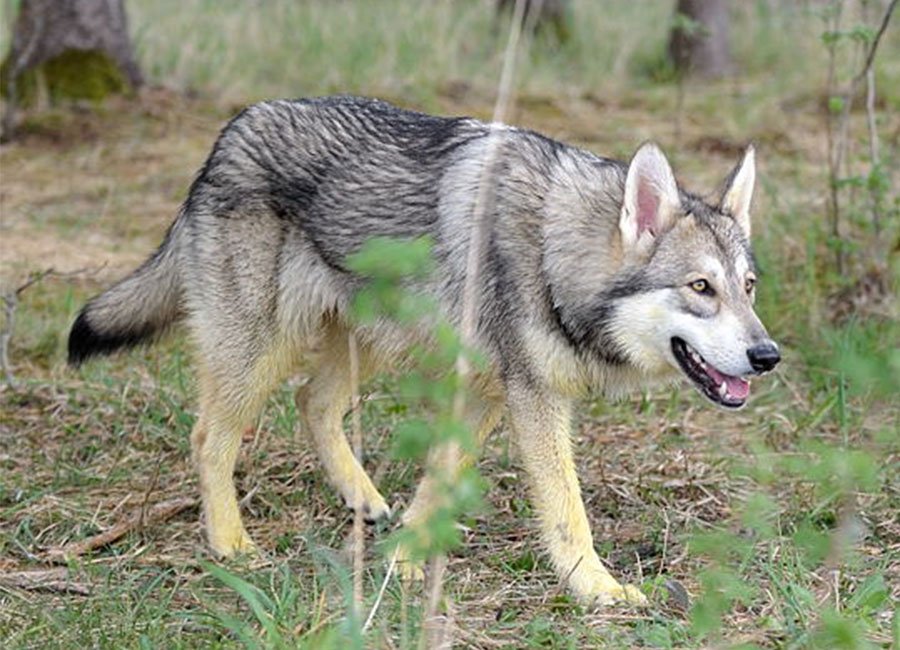
People usually come across the Saarloos Wolfdog in a photo first. The outline looks so wolf-like that it can be hard to tell what you are looking at, and it is natural to wonder whether a dog that looks that “wild” will behave in a familiar, family-dog way.
What surprises many owners is that the bigger question is not looks or even size. It is how this breed tends to cope with modern life: visitors coming and going, busy streets, dog parks, confinement, and expectations around obedience. A Saarloos can be a deeply engaging companion, but it often asks for more thoughtfulness than people expect when they first fall for that unmistakable silhouette.
Understanding where the breed came from, and what it was selected for (and not selected for), helps you make practical decisions about training, home set-up, and whether this is truly a good match for your household.
At a glance: size, coat, and everyday needs
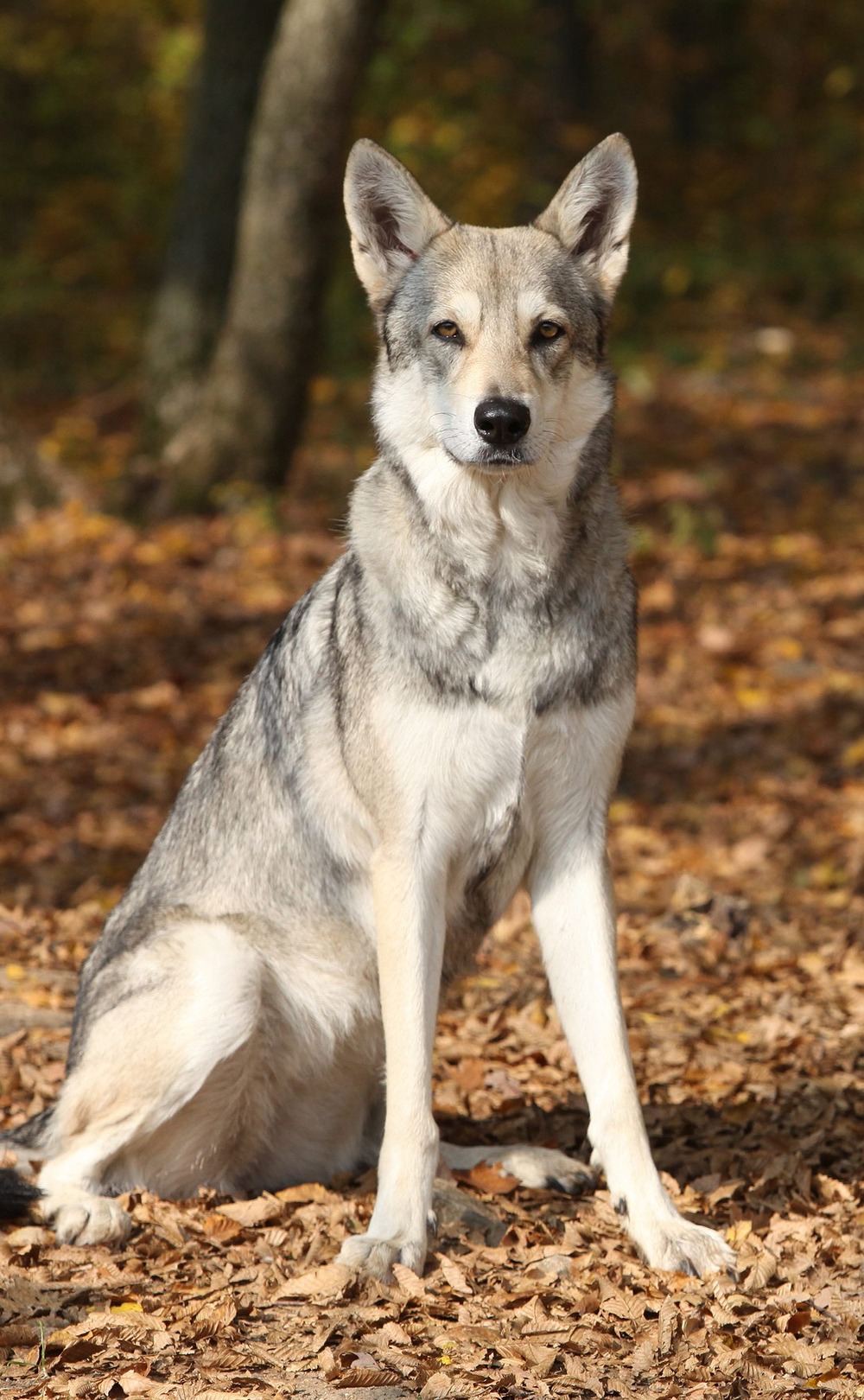
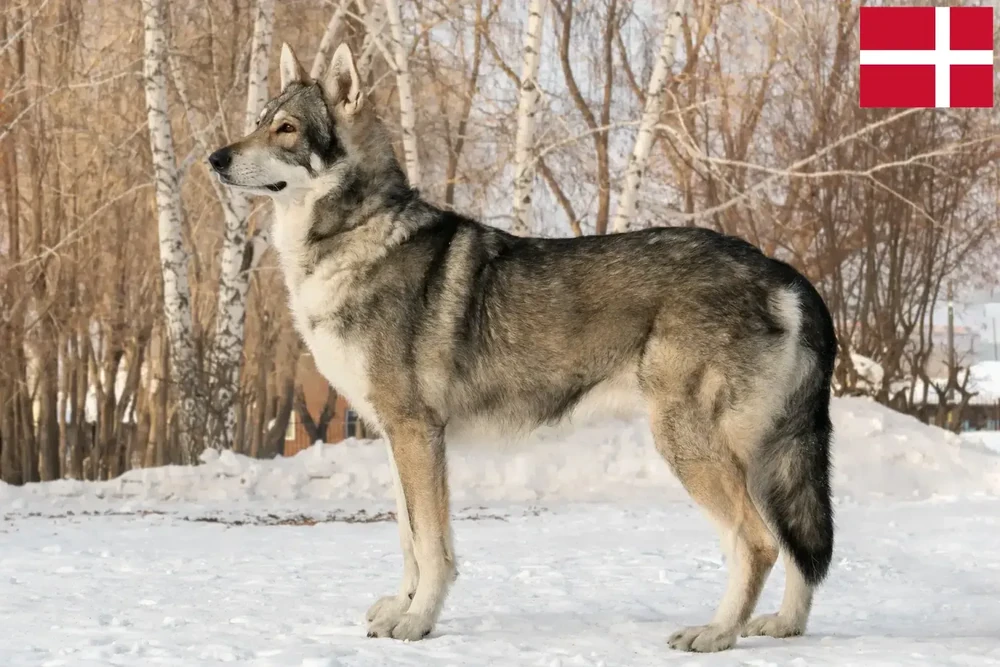
The Saarloos Wolfdog (also called the Saarlooswolfhond) is a medium to large, athletic dog developed in the Netherlands. Adults are commonly described in the 60 to 75 cm height range, with a dense double coat and a distinctly wolf-like outline.1, 2
In day-to-day care terms, think of a dog with high movement needs, seasonal shedding, and a tendency to be more comfortable when life follows a predictable rhythm. Many do fine with simple coat care most of the year, then “blow coat” in seasonal bursts where brushing becomes a regular part of your week.
- Coat: dense double coat, usually wolf-grey, also red or white seen in the standard descriptions.2
- Exercise: typically high, with a strong preference for roaming, sniffing, and varied terrain rather than repetitive laps of the same street.
- Heat management: the double coat can make hot weather harder, so shade, water, and timing walks for cooler parts of the day matter in Australia.
Where the Saarloos Wolfdog came from
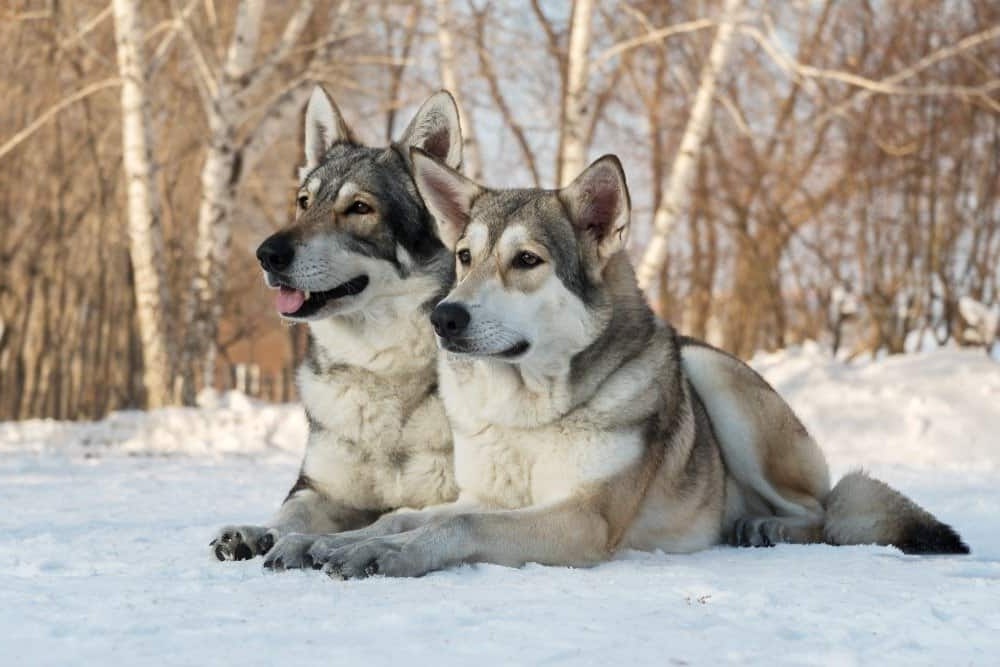
The breed traces back to the work of Dutch breeder Leendert Saarloos, who crossed a German Shepherd Dog with a wolf and then continued breeding with the aim of producing a dog with more “natural” characteristics.1
Recognition matters here because it shows how the breed is formally understood today. The Dutch kennel club recognised the breed in 1975, and the FCI accepted it on a definitive basis in 1981. The current FCI standard was published later (with the FCI listing a publication date in the 2014 to 2015 range depending on the page and language).1, 2
One practical takeaway from the FCI classification is easy to miss: although people sometimes assume “wolf-like” equals “working dog”, the Saarlooswolfhond is not subject to a working trial under the FCI system.2 That aligns with what many experienced owners observe, this is not a breed that reliably enjoys or thrives under traditional, high-pressure working expectations.
Temperament: what “reserved” can look like at home
Breed descriptions often use words like reserved, independent, and devoted. Those words are not code for “bad temperament”, but they do point to a dog that may be more sensitive to novelty and social pressure than the average family pet.3
In everyday life, “reserve” can show up as a preference for distance. A Saarloos might watch visitors rather than greet them, choose to stand behind you rather than move forward, or take longer to relax in new places. With thoughtful handling, many do well, but it helps to start from the assumption that neutral is the goal, not instant friendliness.
It is also worth keeping expectations realistic around off-lead reliability. Some individuals develop excellent recall, but a strong urge to move away from pressure, combined with prey drive and the appeal of tracking scents, can make “come when called” less consistent than owners are used to.
Training that suits the dog in front of you
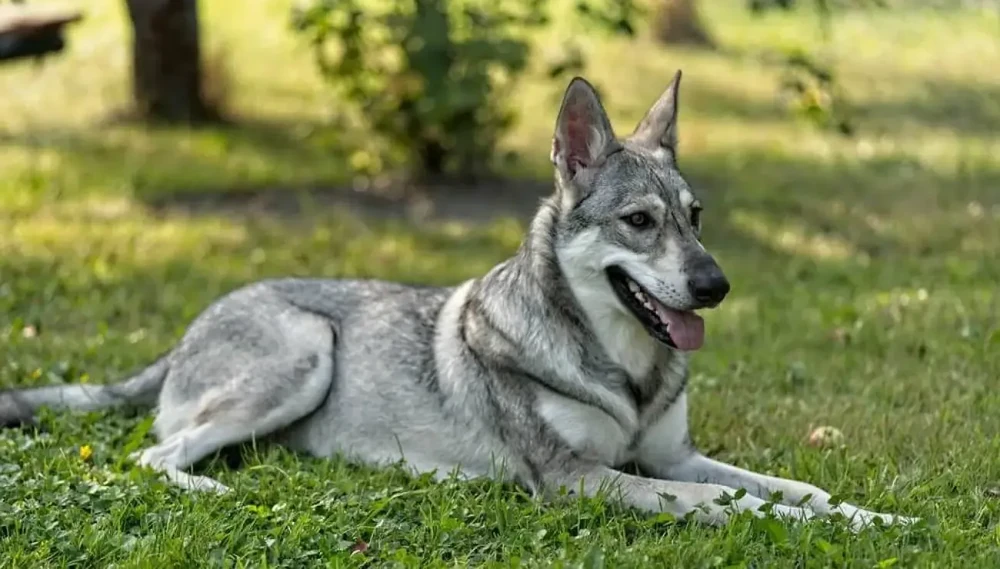
For this breed, training is often less about “dominance” or drilling obedience, and more about building trust, predictability, and skills that help the dog cope with daily life. Reward-based training is widely recommended by animal welfare organisations because it supports learning without adding fear or conflict.3, 4
A few principles tend to help:
- Start early, go gently: socialisation works best when it is gradual and controlled, with plenty of distance and choice.
- Reinforce calm behaviour: reward the dog for settling, checking in, and choosing you, not only for flashy cues.
- Plan for management: secure fencing, a long line, and structured introductions prevent problems while skills are still developing.
One small but important safety note: many deep-chested dogs can be at risk of gastric dilation-volvulus (bloat). Welfare guidance commonly suggests avoiding vigorous exercise immediately before or after meals as a precaution.3
Exercise and enrichment: meeting the need to move and think
Most Saarloos Wolfdogs need more than a quick daily walk, but the type of activity matters as much as the length. Long, varied walks where the dog can sniff and decompress tend to be more settling than constant high-arousal games.
The RSPCA highlights how exercise and enrichment support wellbeing, and also notes that enrichment should be done thoughtfully because the wrong kind can create risks (for example, overfeeding through constant food puzzles, or unsafe toys).4
Practical options that often suit this style of dog include:
- Sniff-heavy walks on a harness and long line in quiet areas
- Hiking on cooler days, with careful heat management
- Scatter-feeding in grass at home (adjusting meal size accordingly)
- Low-pressure skill work that builds confidence, such as mat training and slow puzzle solving
Health, lifespan, and preventative care
The breed is often described as generally robust, with commonly discussed concerns including hip dysplasia and some eye conditions. If you are looking at a puppy, ask what health screening is done in that line, and what the breeder does when results are not ideal.
Regular preventive care still does most of the heavy lifting: parasite control, dental care, and routine vet checks. Vaccination advice and schedules vary by location and lifestyle, so it is worth having a clear plan with your vet, especially if you hike, travel, or have contact with many dogs.5
If desexing is part of your plan, discuss timing with your veterinarian. Recommendations can differ by individual dog, growth pattern, and household management, and it is a conversation best had early rather than rushed later.
Grooming and coat care without overdoing it
The Saarloos has a weather-resistant double coat, so grooming is usually more about removing loose undercoat and checking skin condition than about frequent bathing. Over-bathing can strip oils and make the coat less functional.
Most owners find a simple routine works:
- Brush weekly, then increase frequency during seasonal shedding
- Check ears and trim nails routinely
- After bush walks, check for grass seeds and ticks depending on your area
Because the coat is dense, it is wise to get the dog comfortable early with handling around legs, paws, and tail. For a naturally reserved breed, that calm cooperative-care foundation is often more valuable than any single grooming tool.
Feeding well: quality, monitoring, and avoiding myths
Nutrition advice is one of the noisiest parts of dog ownership. The most useful approach is usually the least dramatic one: choose a complete and balanced diet, monitor body condition, and adjust based on the individual dog in front of you.
The World Small Animal Veterinary Association (WSAVA) provides global nutrition guidance and practical tools for veterinary teams and owners, including how to assess nutrition and how to think clearly about pet food claims.6
Two quiet habits make a real difference:
- Track body condition instead of relying on the scoop size printed on a bag
- Change foods slowly over several days to reduce digestive upset
If you use human foods as treats, keep it simple and safe. Several common foods can be toxic to dogs, including xylitol, grapes and raisins, onions, and chocolate. If in doubt, check a veterinary poison resource before offering it.7
Is a Saarloos Wolfdog a good fit?
This is a breed that often suits people who genuinely enjoy a more observant, less socially forward dog, and who have the time and space to build a steady routine. The best matches are usually households that can offer secure containment, quiet training, and lots of purposeful time outdoors.
It can be a difficult fit for homes that expect an easy dog-park social life, frequent visitors, or quick obedience under distraction. That does not make the breed “too much” in a general sense, it just means the dog’s needs are specific, and the environment has to meet them.
If you are considering one, it is worth spending time with adult dogs, not only puppies, and talking through realistic management with a breed club or an experienced trainer. You are looking for an honest picture of daily life: what happens when a delivery arrives, when guests stay over, when fireworks go off, or when you need the dog to be calm at a cafe table.
References
- Wikipedia: Saarloos wolfdog
- Fédération Cynologique Internationale (FCI): SAARLOOSWOLFHOND (311) breed standard listing
- RSPCA Knowledgebase: Advice on caring for my dog
- RSPCA Australia: The importance of enrichment for dogs
- Vetwest Veterinary Clinics: Puppy care (vaccination and desexing overview)
- WSAVA: Global Nutrition Guidelines
- ASPCA: People foods to avoid feeding your pets