

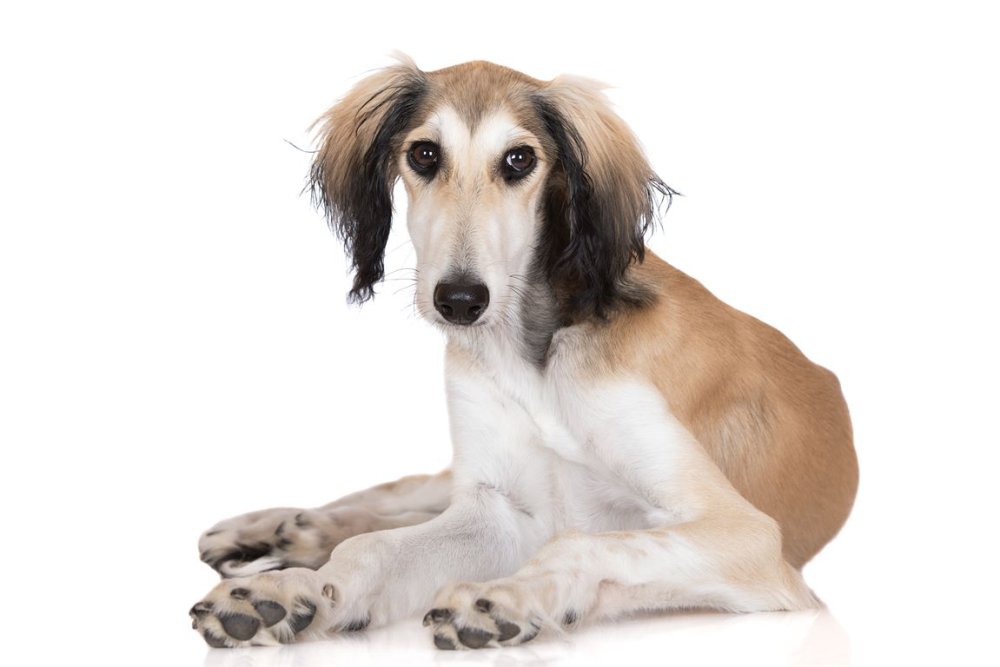
People often come to the Saluki after noticing a particular kind of dog, one that looks almost weightless when it runs. It might be a glimpse at the park, a photo online, or a quiet hound at a friend’s place who seems polite rather than pushy, then suddenly transforms into pure speed the moment there is space to move.
It is easy to assume a Saluki is simply a “fast dog”, like a sleek version of a Greyhound. In practice, living with one is more nuanced. They are built for sprinting and endurance, but many are also surprisingly calm indoors, and a little private in their social style. Understanding that contrast, athletic outside and composed at home, is what helps most people decide whether this ancient sighthound actually fits their life.
The Saluki’s appeal is real, but so are the practical considerations: safe exercise, prey drive, sensitive handling, and a training approach that respects their independent streak. When those pieces are in place, they can be deeply companionable dogs in a quiet, steady way.
- Breed category: Hound (sighthound)
- Height: typically 58 to 71 cm (females may be smaller)1, 2
- Weight: commonly around 13 to 30 kg, depending on build and sex1
- Life expectancy: often 12 to 14 years1
- Coat: smooth or feathered; many colours and combinations2
- Best known for: speed, endurance, and a reserved, gentle demeanour2, 3
History and origin
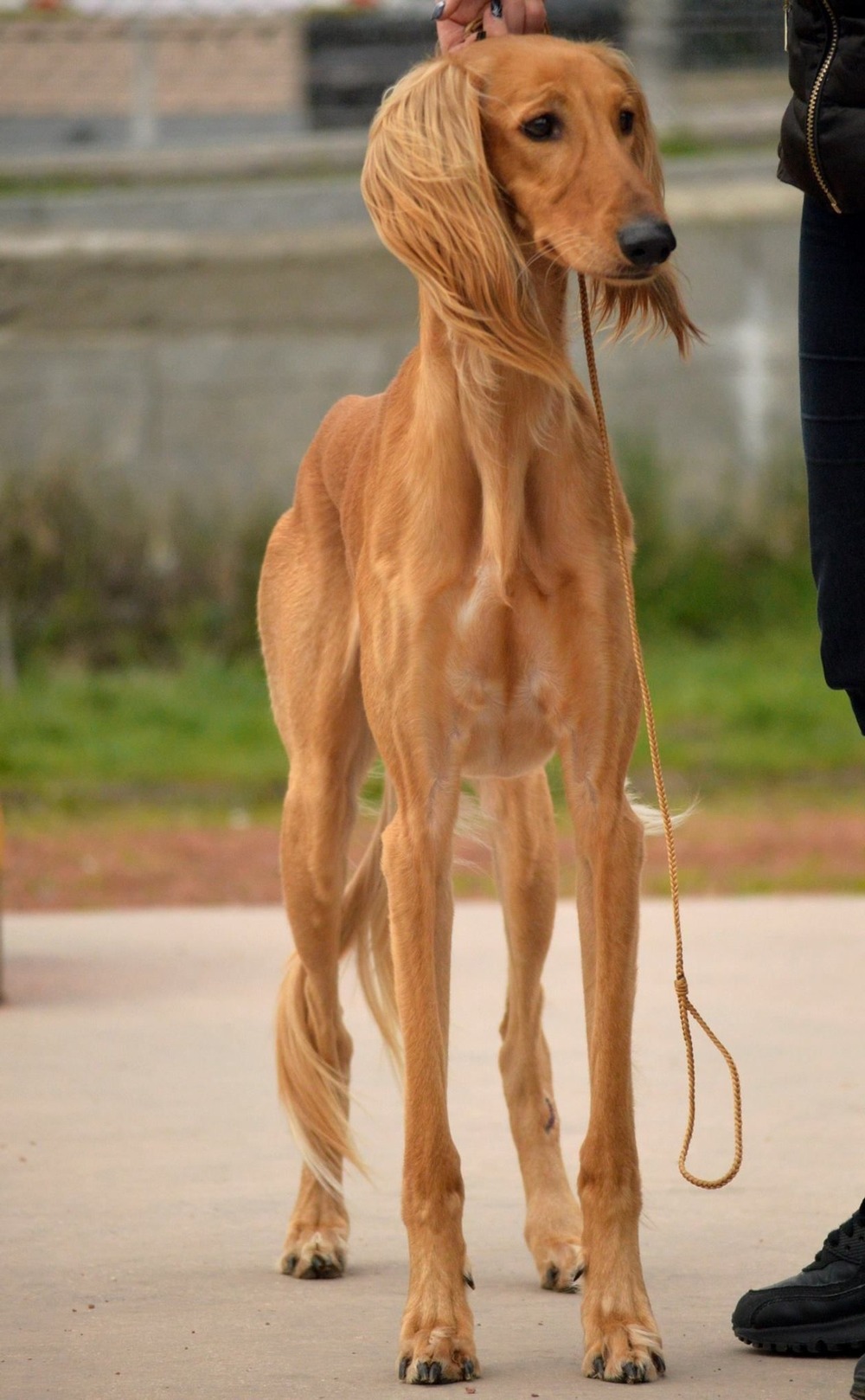
The Saluki is widely described as an ancient sighthound type from the Middle East, developed for hunting by sight across open ground. You still see that original purpose in the modern dog: a body designed to travel efficiently, and a mind that tends to scan the horizon before it checks in with you.
There is a tendency online to pin the breed to one neat origin story, often “ancient Egypt”. What we can say more carefully is that Saluki-type hounds appear in very old art, and the modern breed is closely associated with the broader Middle East and North Africa. Depictions of similar hunting dogs show up in archaeological contexts, which helps explain why the Saluki is often spoken about with a sense of deep time and cultural connection.4
In the modern kennel club world, the Saluki standard submitted to the American Kennel Club in 1927 is frequently referenced, but that date is about formal recognition, not the breed’s true beginnings.2
What a Saluki looks like, and why it matters
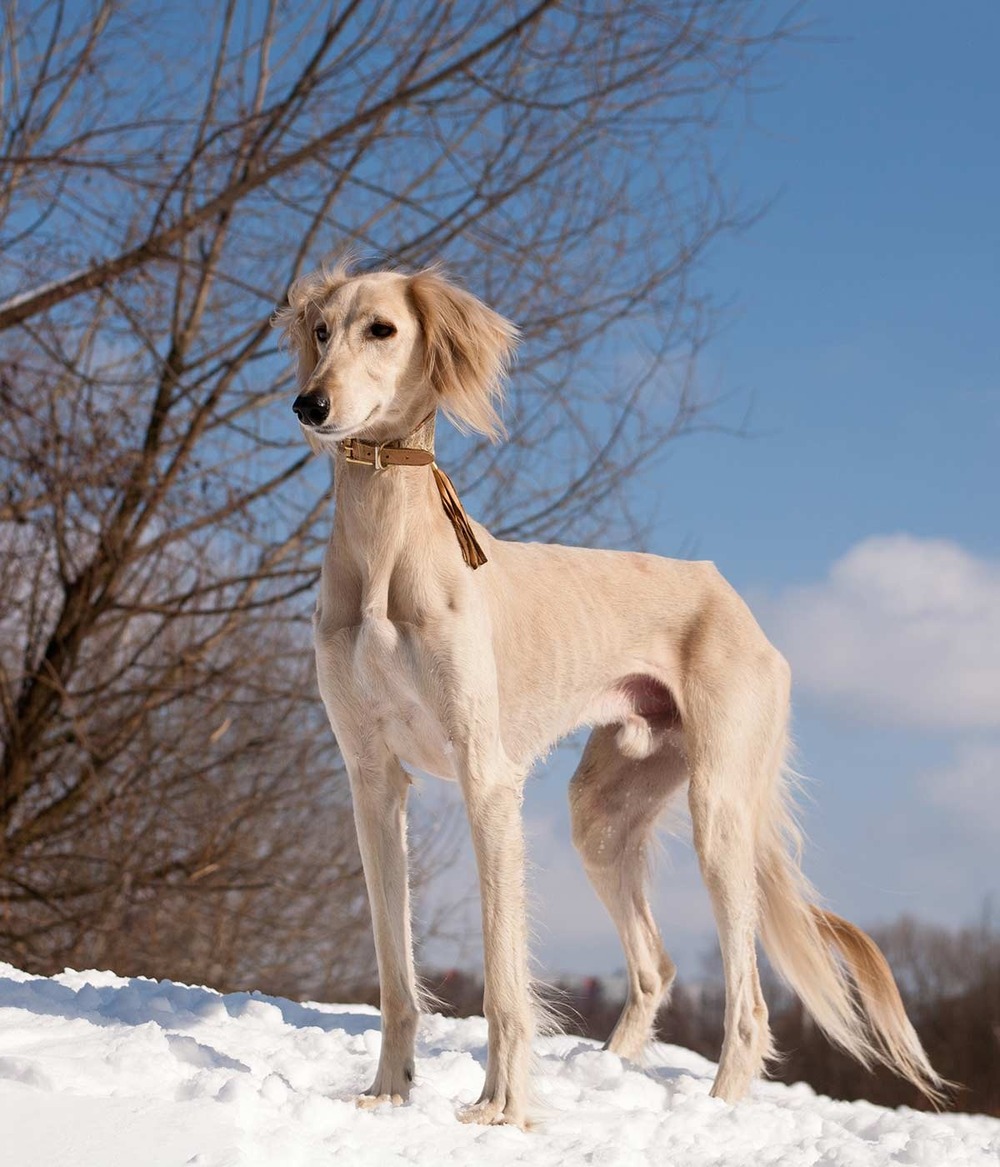
Salukis are instantly recognisable once you know what you are looking for: long legs, a deep but narrow chest, a tucked waist, and a head that reads as refined rather than heavy. Their overall outline is the point, it signals a dog made for speed and stamina across distance, not for hauling, wrestling, or rough play.
You will see two coat varieties: feathered (with longer hair on ears, tail, and sometimes legs) and smooth (short all over). Both are accepted in the breed standard, and neither automatically tells you whether the dog will be “easy” or “hard” to live with. Temperament and management matter more than coat length.2
It also helps to know that many Salukis carry very little body fat. That is normal for the type, but it can affect comfort and safety. They often appreciate soft bedding, and owners should be thoughtful about cold weather, slippery floors, and hard surfaces that put pressure on bony points.
Temperament and everyday behaviour
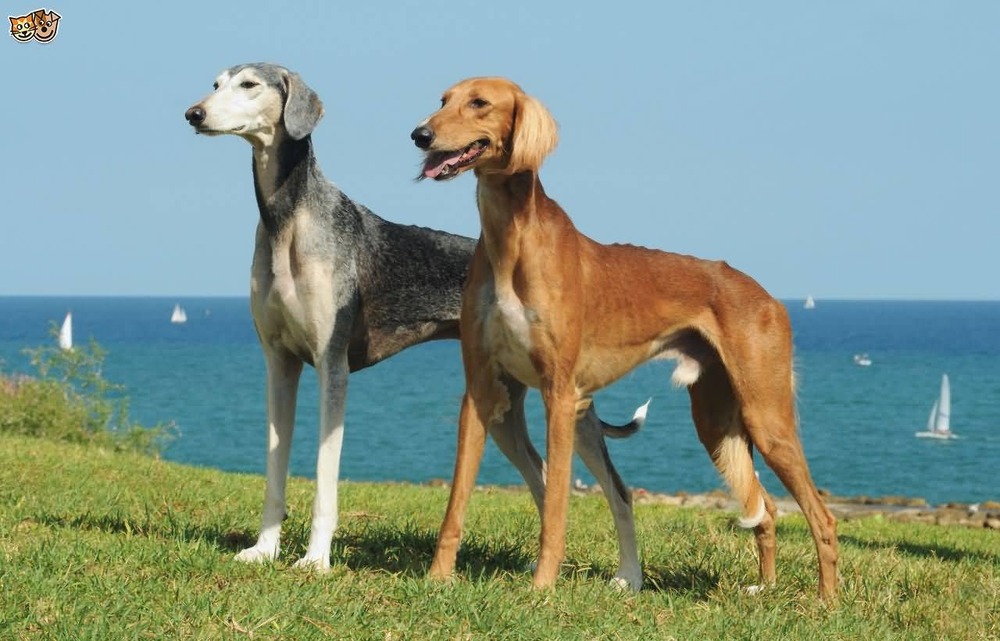
People often describe Salukis as gentle, reserved, and loyal. In real homes, that can look like a dog who chooses closeness rather than demands it, and who may greet visitors politely but without the exuberance some families expect from a more socially demonstrative breed.2, 3
This is where a common misunderstanding appears. Independence is not the same as stubbornness, and sensitivity is not the same as fragility. Many Salukis simply respond best to calm consistency. They notice patterns, they remember experiences, and they tend to shut down when people get loud or punitive.
With children, the match is often best when kids can respect space and handle a dog gently. A Saluki that is constantly hugged, climbed on, or chased can become avoidant. That is not “bad behaviour”, it is communication.
With other animals, it depends. Plenty live well with other dogs, and some can live with cats, but the sighthound instinct to chase moving things is real. The most useful mindset is: assume prey drive exists, then manage and train accordingly, rather than hoping it will never show up.
Training a Saluki without turning it into a battle
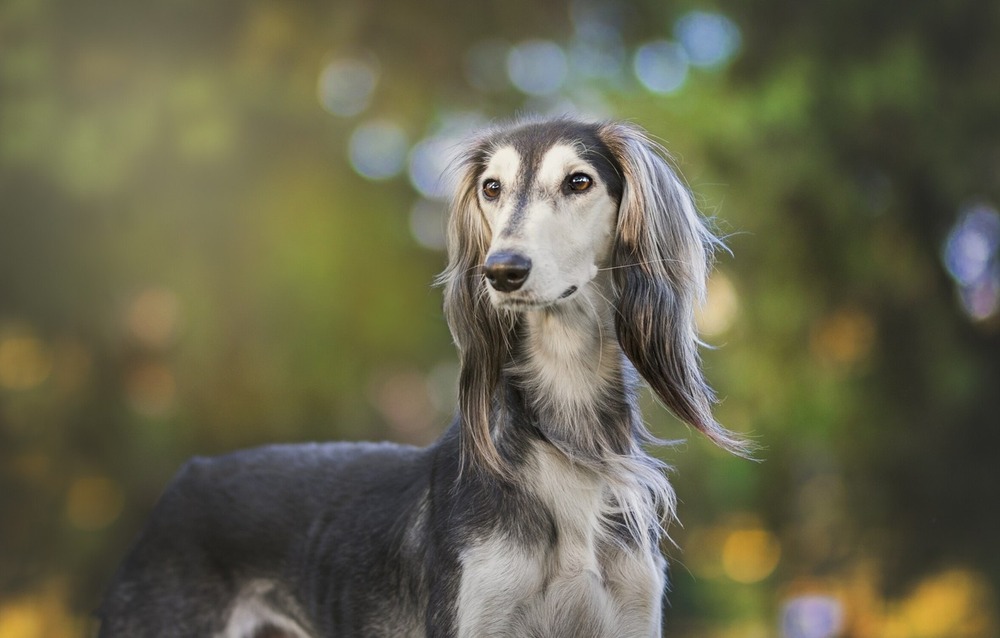
Salukis can learn quickly, but they do not always see the point of repetition. That is a feature of many hounds, not a defect. Training tends to go best when sessions are short, rewards are meaningful, and the dog has a clear reason to participate.
Positive reinforcement is not just a philosophy here, it is practical. Harsh corrections often erode trust, and with a sensitive, observant dog you can end up with the worst of both worlds: a dog that avoids you and still does the chasing.
A few areas are especially worth prioritising early:
- Recall foundations in low-distraction areas, then gradually building difficulty.
- Comfort with handling (ears, feet, collar, harness), at the dog’s pace.
- Settling skills, so “calm at home” becomes a learned habit, not an accident.
For households with cats or small pets, introductions should be gradual and carefully managed. Australian welfare organisations consistently recommend a step-by-step approach with barriers, supervision, and time, often longer than people expect, so both animals can stay relaxed and safe while they learn each other’s presence.5, 6
Exercise and enrichment that actually suits a sighthound
Salukis need daily movement, but the shape of that movement matters. A slow walk on a lead is good for routine and sniffing, but it rarely satisfies the breed on its own. Many do best with a mix: steady walking for exposure and calm, plus opportunities to run safely.
The emphasis is on safely. In unsecured areas, a Saluki may spot something in the distance and be gone before you have finished calling their name. It is not disobedience so much as instinct and acceleration. For many owners, the most realistic approach is: secure fencing, long lines, and structured outlets like lure coursing or fenced sprinting spaces.
Indoors, enrichment can be surprisingly simple. Food puzzles, scatter feeding in the yard, and short training games often suit Salukis better than high-arousal play that encourages frantic chasing inside the house.
Health, lifespan, and veterinary considerations
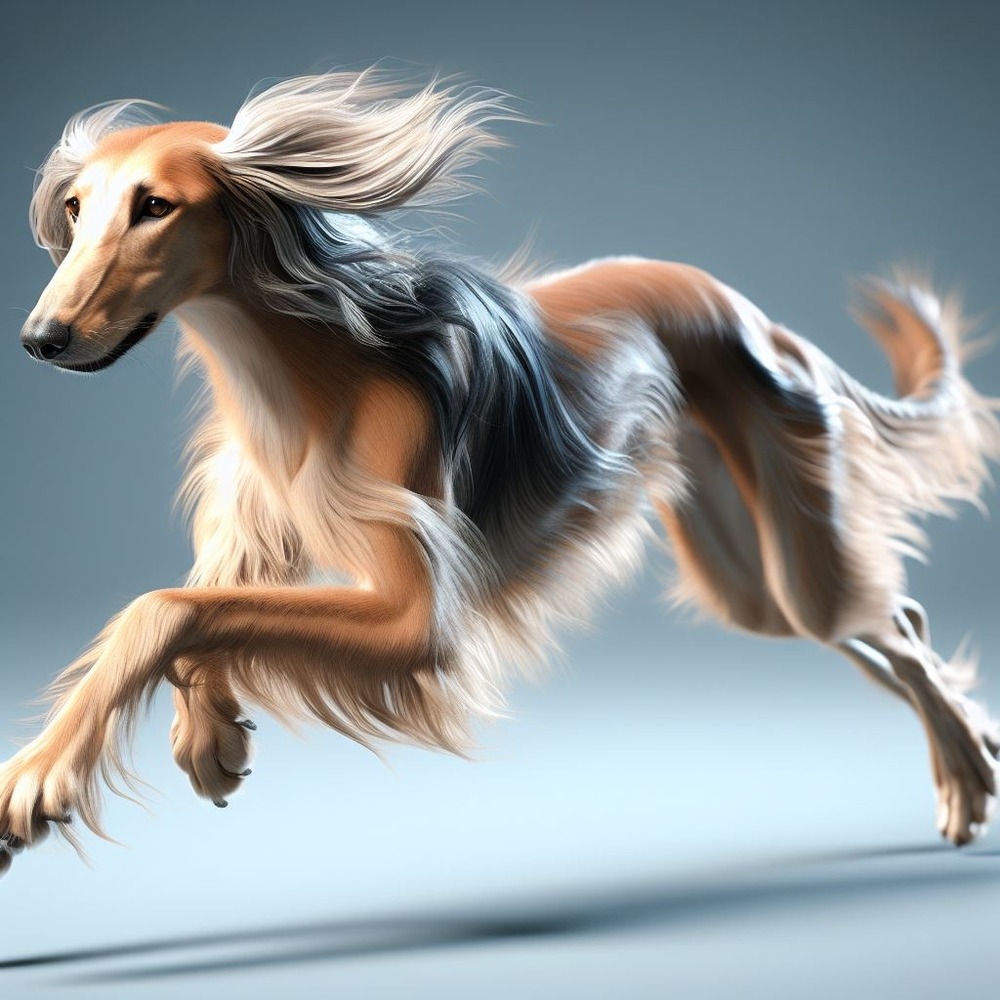
Many Salukis live into their early teens, and the breed is often described as relatively healthy overall.1 Still, “generally healthy” is not the same as “never needs planning”. It is wise to ask breeders about family history and any health testing, and to keep regular veterinary checks as your dog ages.
Breed discussions commonly mention concerns such as some heart disease (including dilated cardiomyopathy) and certain cancers, alongside other less common issues. Because prevalence varies by line and region, treat these as topics for informed conversation with breeders and your vet, not as guarantees that something will happen.7
One practical point many sighthound owners keep in mind is that lean sighthound bodies can respond differently to some medications, including some anaesthetic protocols. The safest move is not to worry in advance, but to ensure your vet knows your dog is a sighthound type and is comfortable tailoring choices accordingly.8
Grooming and general maintenance
For such an elegant dog, Salukis are often refreshingly low-fuss. Most need occasional brushing, a bit more if feathered, and routine checks of ears, nails, and teeth. Their coat tends to shed less than many double-coated breeds, but they still drop hair, especially with seasonal change.
Feathering can collect burrs and grass seeds, particularly around ears and feet, so it pays to do quick checks after runs and bushy walks. Think of grooming as quiet maintenance rather than a major weekly project.
Comfort is a real part of maintenance. Many Salukis will choose the softest surface in the house, and for good reason. A supportive bed helps protect elbows and hips over the long term, especially for older dogs.
Diet and nutrition, with a few safety reminders
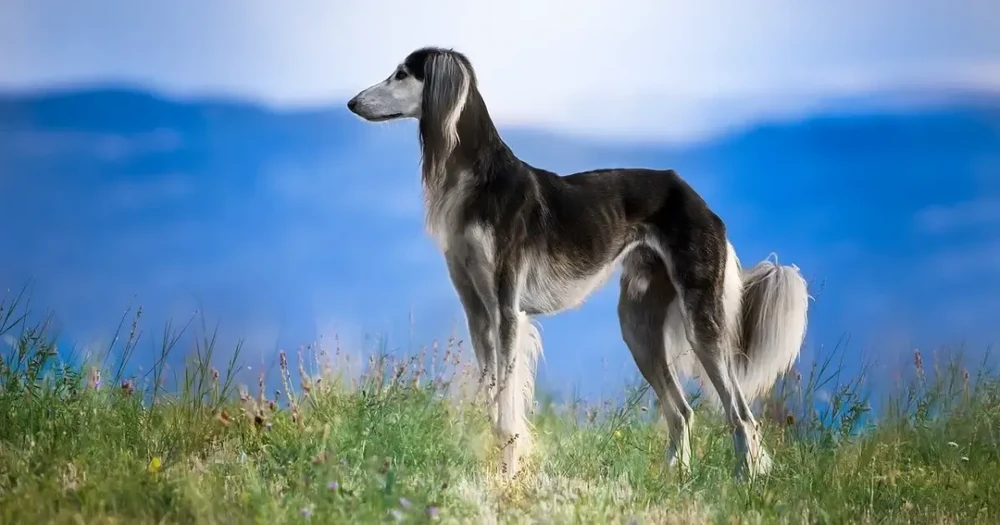
Most Salukis do well on a high-quality, complete diet appropriate for their age and activity level. Because they are naturally lean, “keeping them slim” does not mean restricting food to the point of being underweight. The goal is steady condition: visible waist, good muscle, and enough energy to move well.
Many owners feed two meals a day. That can suit routine and appetite, and it helps avoid the pattern of one large daily meal that some dogs gulp too fast. Your vet can help you adjust portions based on body condition rather than relying on a label alone.
It is also worth keeping a short list of common household foods that are unsafe for dogs. Chocolate, grapes and raisins, and alliums (onion, garlic, chives) are well-established risks, and products containing xylitol can be dangerously toxic.9, 10
Living with a Saluki, who they suit best
A Saluki often suits people who enjoy a calm home and can provide real daily exercise, plus safe opportunities to run. They tend to do best with owners who can be consistent without being forceful, and who read quiet signals well.
They can live in smaller homes or even apartments if exercise is genuinely met, but the non-negotiables remain: secure containment, thoughtful training, and a plan for prey drive. If those are in place, many Salukis are peaceful companions who take up less emotional space than some breeds, while still offering a strong sense of connection.
If you are drawn to the Saluki because of its beauty, that is understandable. The more lasting reason to choose one is appreciating the whole dog: the speed, the sensitivity, the quiet independence, and the very practical need for safe freedom.
References
- Purina: Saluki (breed profile, height, weight, lifespan)
- Saluki Club of America: AKC standard (submitted 1927)
- United Kennel Club: Saluki breed standard (temperament and physical traits)
- Ashmolean Museum: The Two Dog Palette (ancient depiction of hunting dogs)
- RSPCA Australia Knowledgebase: Introducing a dog or puppy to an existing cat
- Animal Welfare League (Australia): Dog to cat introductions
- Vetstreet: Saluki (overview including health considerations)
- Merck Veterinary Manual: Anaesthesia in Greyhounds and other sighthounds
- ASPCA: People foods to avoid feeding your pets
- ASPCApro: People foods pets should never eat (including xylitol)