

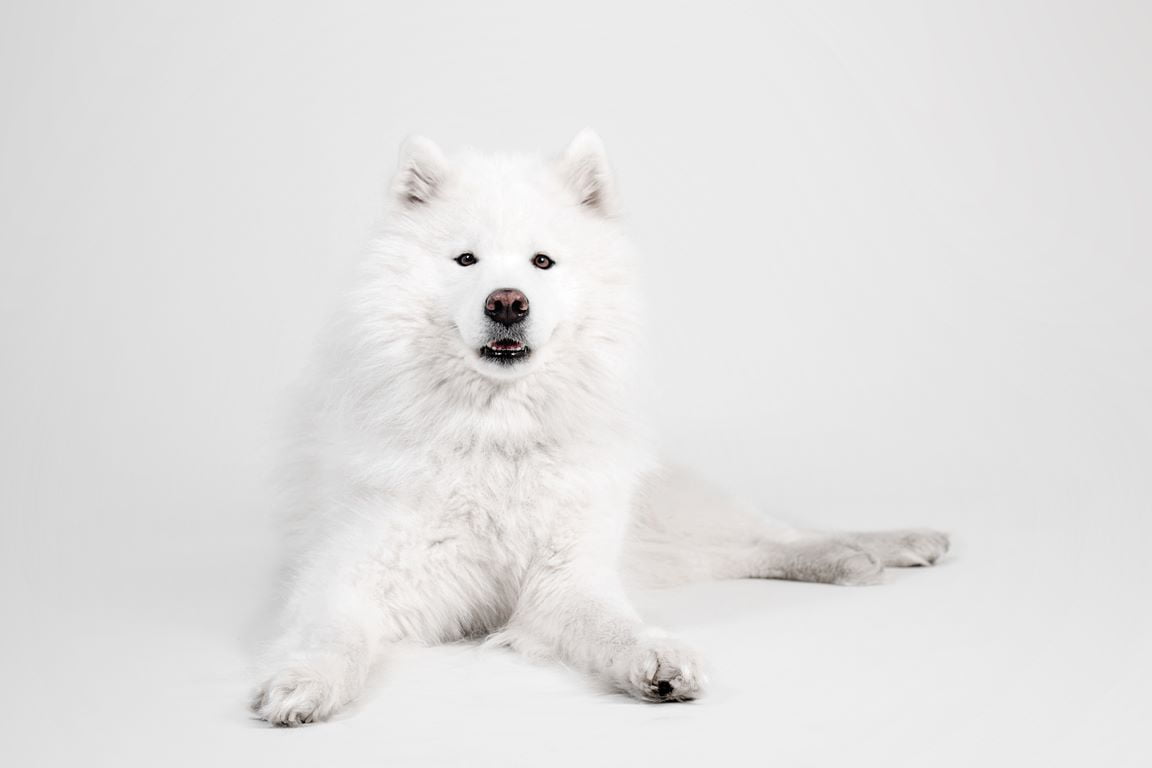
People tend to notice Samoyeds in the same way. You see a white, cloud-like dog in the park, bright-eyed and apparently “smiling”, and you wonder how a coat like that could belong in everyday life, especially if you live somewhere that gets warm. You might also hear they are “great family dogs”, then start trying to picture the reality: the grooming, the noise, the exercise, and whether that friendly look comes with an independent streak.
Samoyeds really can be wonderful companions, but they are not a decorative breed. They were shaped by work, weather, and close living with people, and that history still shows up in their need for company, movement, and a routine that keeps them settled. Understanding what sits underneath the fluff is what helps owners make good decisions, and helps Samoyeds thrive as the dogs they are.
- Breed category: Working group
- Country of origin: Russia (Siberia)
- Average height: Males 51 to 60 cm, females 46 to 53 cm (varies by standard)3
- Average weight: Males 20 to 30 kg, females 16 to 20 kg3
- Average life span: Often around 12 to 14 years4
- Coat type: Thick double coat
- Coat colours: White, cream, and white with biscuit markings3
- Shedding level: High, with seasonal “coat blows”
- Temperament: Generally sociable and people-oriented, not typically a natural guard dog3
- Exercise needs: High, daily movement and mental engagement help
- Weather sensitivity: Thick-coated dogs can be at higher risk in heat and humidity, planning matters7, 8
- Overall maintenance: High (coat care, training, enrichment)
History and origin, why Samoyeds are so people-focused
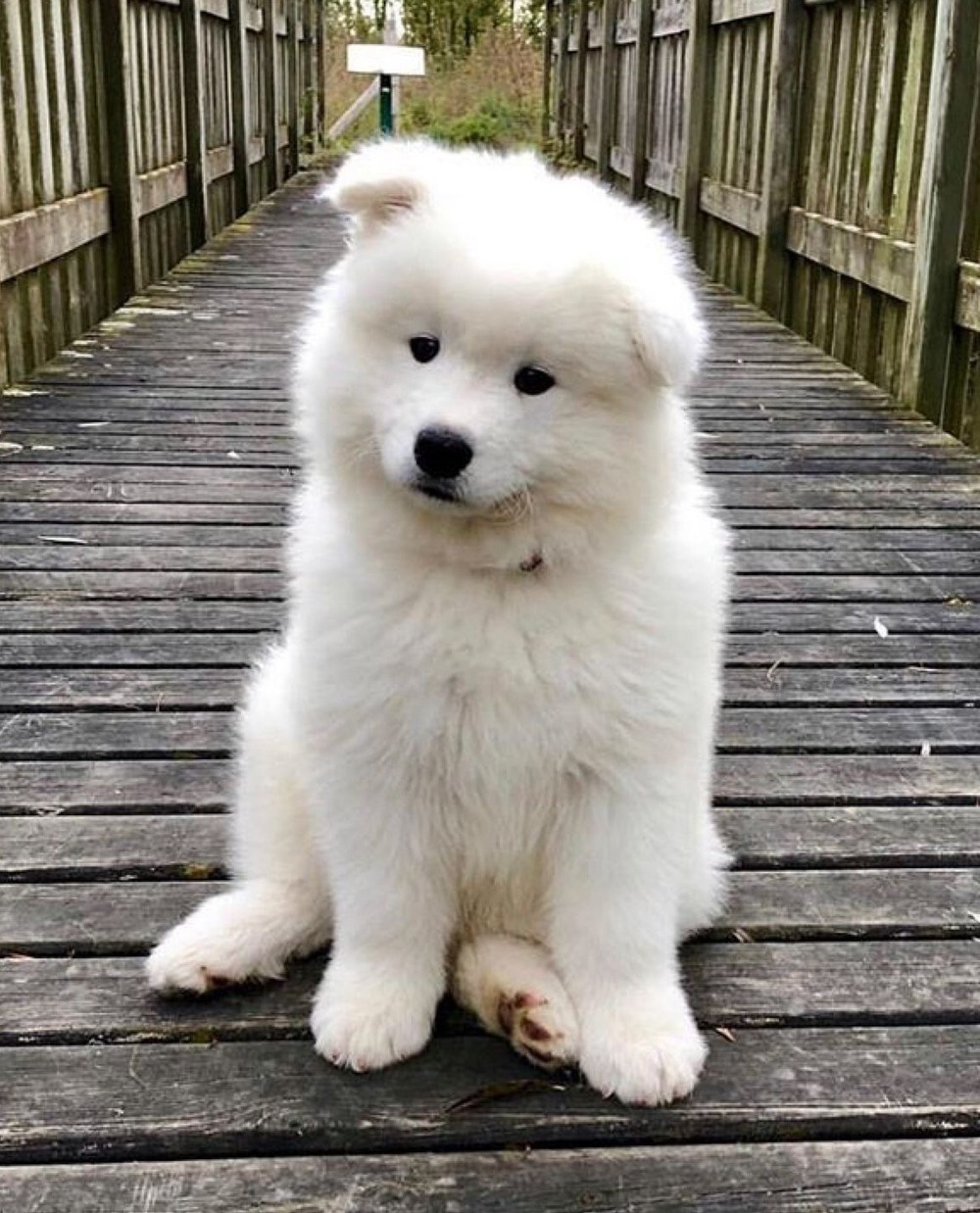
Samoyeds take their name from the Samoyedic peoples of Siberia, and the breed developed alongside communities who relied on dogs for practical daily work and for warmth, too.1, 2, 3 They were used for hauling, herding, and guarding, but also lived in close quarters with people, which likely helped shape the “stick close” social style many owners recognise today.
By the late 1800s and early 1900s, Samoyeds were taken out of Siberia and used on polar expeditions, valued for stamina and resilience in harsh conditions.1, 3 It is part of why modern Samoyeds still tend to do best with a life that includes regular activity, time with their people, and a bit of purpose beyond simply looking pretty.
Physical characteristics, the coat is the feature and the workload
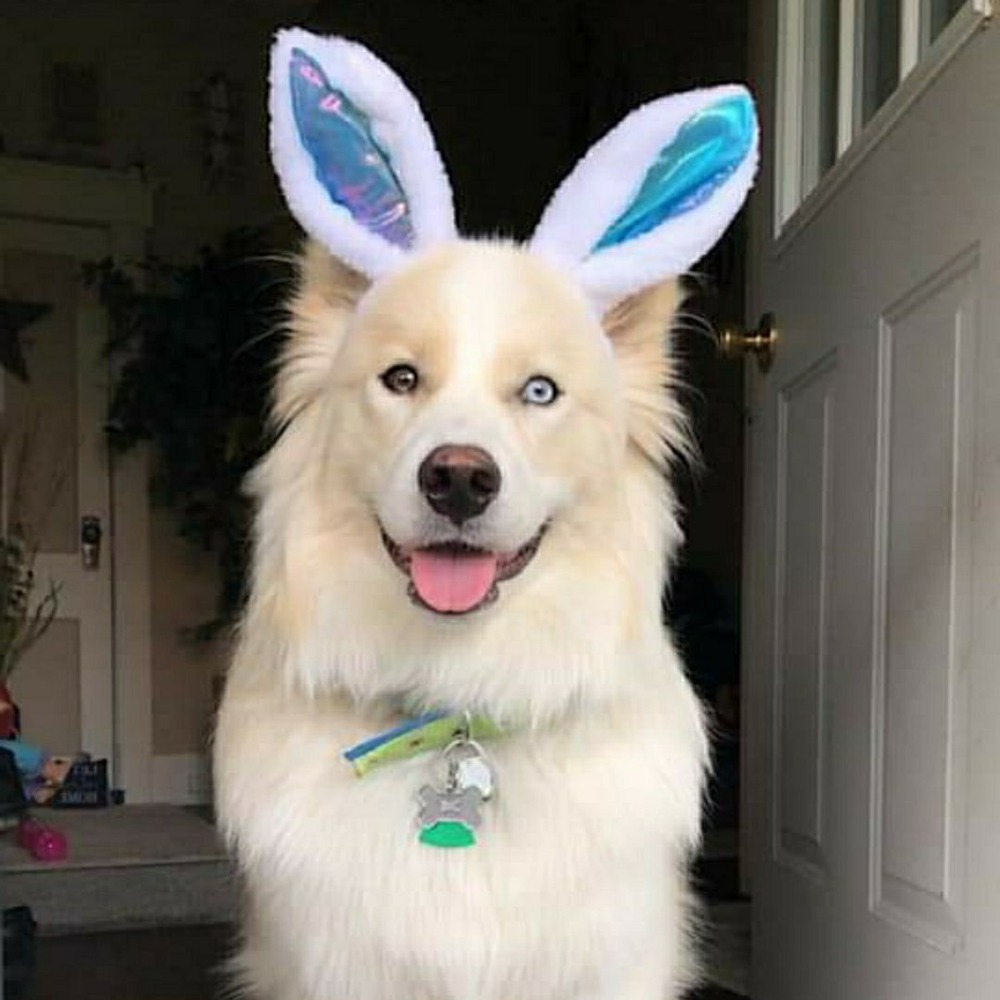
The Samoyed is a spitz-type dog with a strong, compact build, erect triangular ears, and a tail that typically curls over the back. Breed standards vary slightly, but most adults sit comfortably in the medium-to-large range for height and weight.3
The famous double coat is not just “fluffy”. It is a functional insulating system, with a harsher outer coat and a dense undercoat. In everyday homes, that means you are living with a dog that sheds heavily and can mat if coat care slips. The bright white colour is common, with cream or biscuit shading also seen.3
You will often hear people describe the “Sammy smile”. It is best thought of as a facial shape and lip set that can give a pleasant expression. It is charming, but it does not always tell you how the dog is feeling, so it still pays to watch the rest of the body for cues like posture, breathing, and movement.
Temperament and behaviour, friendly does not always mean easy
Samoyeds are widely known for being sociable, people-oriented dogs. Many enjoy meeting strangers and tend to be poor “serious” guard dogs because true aggression is uncommon in the breed.3 That friendliness can be a real gift in family life, but it can also mean they dislike being left out of the action.
A common mismatch is expecting a Samoyed to be a quiet, low-demand companion. In practice, many are bright, busy dogs who notice everything. They can be playful and affectionate, but also opinionated, and they often benefit from clear boundaries and routine rather than constantly changing rules.
With children and other pets, outcomes are usually best when the dog is well socialised, the household is calm, and adults supervise interactions. Samoyeds are sturdy and can be enthusiastic, so teaching kids how to give space, and teaching the dog how to settle, tends to be more useful than relying on “good with kids” as a blanket label.
Training and exercise, the daily rhythm matters
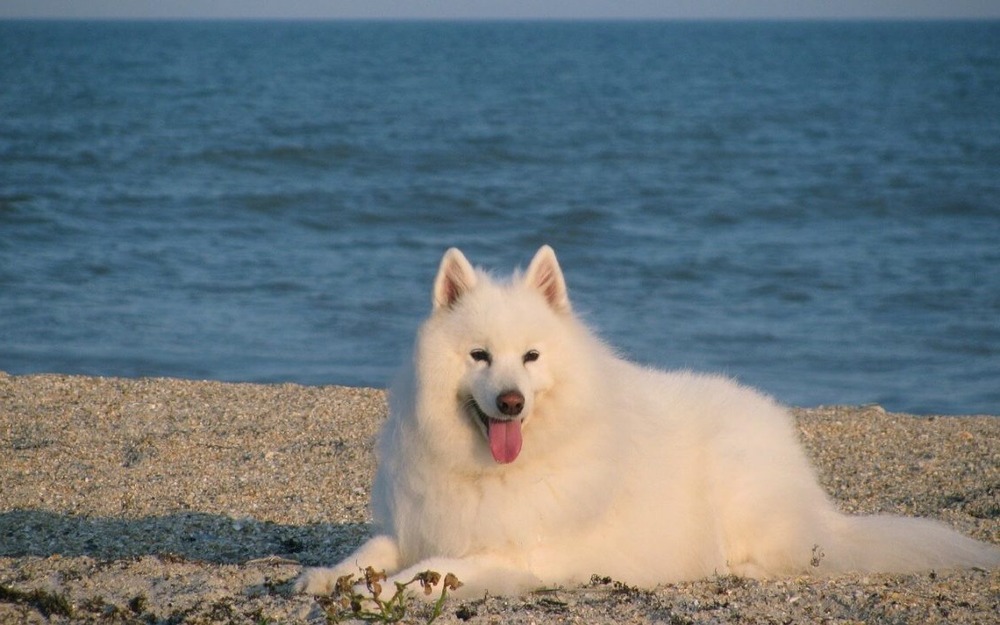
Samoyeds often learn quickly, but they do not always work like a breed that lives to please. Many owners find training clicks when it feels cooperative: short sessions, rewards the dog truly values, and a consistent pattern that makes success easy. Positive reinforcement is particularly useful for building reliable behaviour without creating conflict.
Daily exercise matters, but it is not only about distance. A Samoyed who gets an hour of fast walking but no chances to sniff, problem-solve, or practise calm behaviours may still feel restless. A better aim is a mix of movement and brain work, spread through the day where possible.
If you need a simple starting point, many Samoyeds do well with:
- One longer walk in the cool part of the day, plus a shorter second outing
- Brief training games (recall, loose lead skills, settle on a mat)
- Enrichment at home (food puzzles, scatter feeding, supervised chewing)
Heat changes the equation. Thick-coated dogs can struggle in hot or humid weather, so plan exercise early or late, keep walks shorter, and watch for signs of overheating such as heavy panting, drooling, weakness, or vomiting.7, 8
Health and lifespan, what owners should ask breeders and vets about
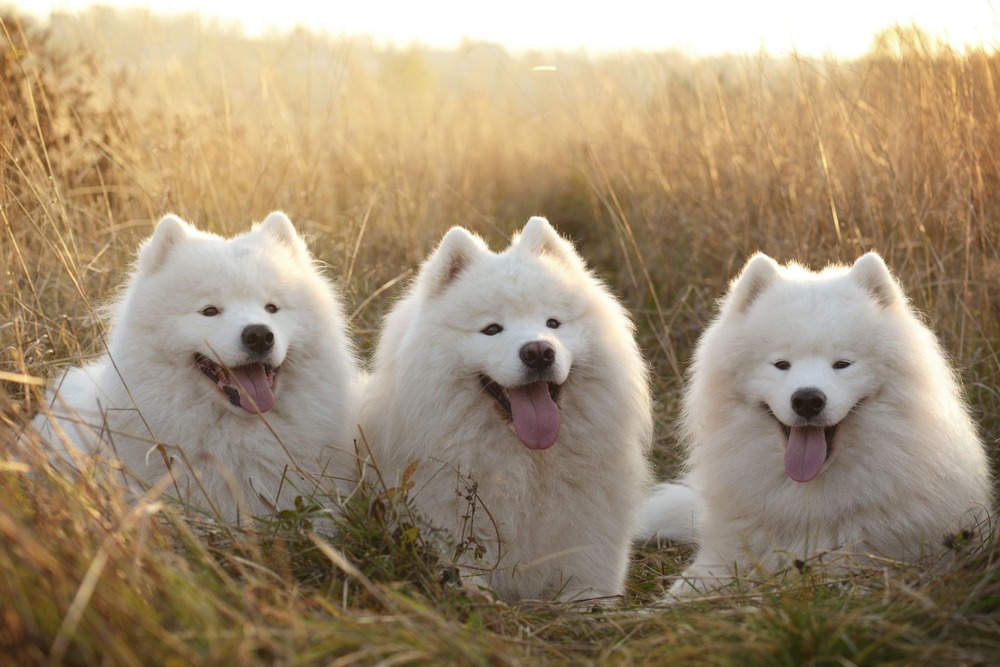
Samoyeds are often robust, but like many pure breeds they have known inherited risks. Hip dysplasia is one condition seen across many medium and larger dogs, and screening programs exist to help breeders reduce the odds over time.9
Samoyeds are also known for particular breed-associated conditions, including hereditary nephritis (also called Samoyed hereditary glomerulopathy or X-linked nephritis) and a higher-than-average risk of diabetes mellitus in some lines.5, 6 Not every dog will be affected, but it is worth discussing family history, available testing, and what early signs would look like.
In practical terms, it helps to ask your vet and breeder about:
- What health screening has been done on the parents, and what documentation is provided
- How to monitor weight and body condition, since extra weight can worsen joint strain
- Whether there are any breed-specific early-warning signs they want you to watch for as your dog matures
Grooming and maintenance, the coat is a commitment
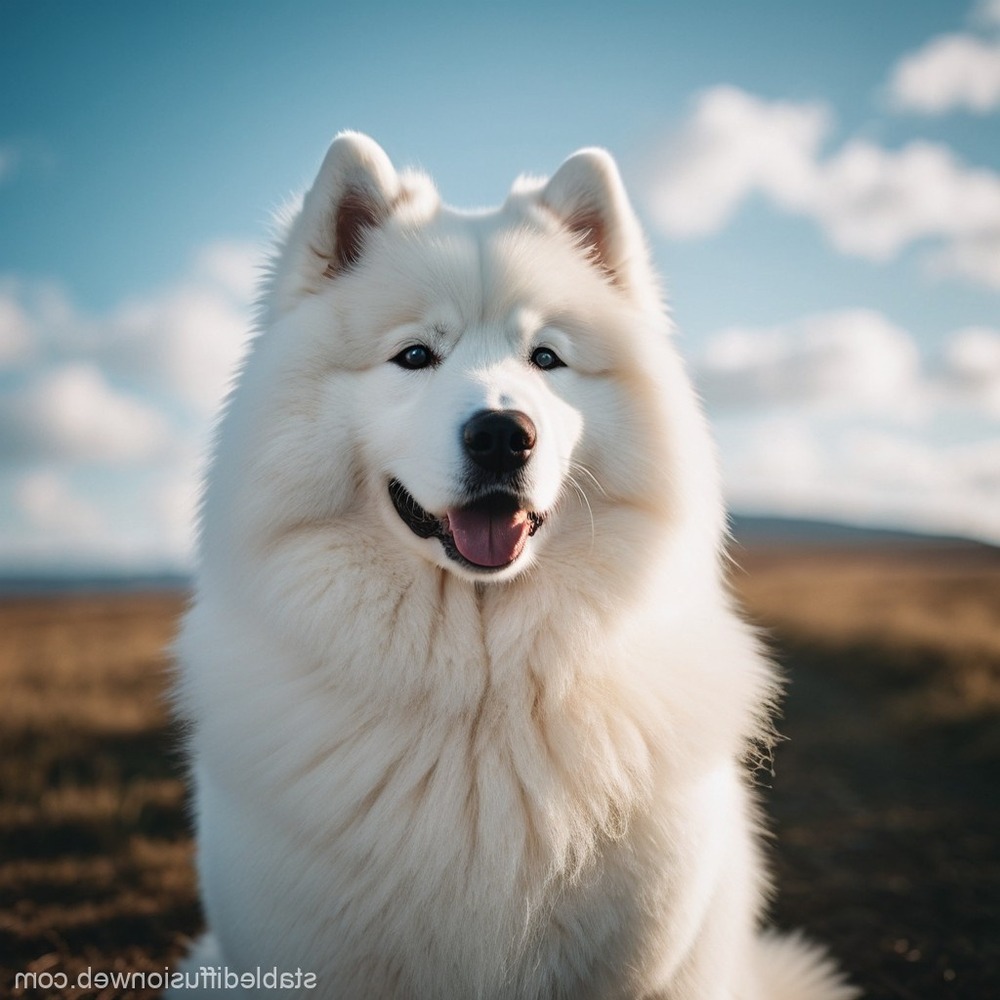
A Samoyed coat is beautiful, but it is also work. Regular brushing helps prevent tangles and mats, reduces the amount of hair that ends up in the house, and gives you a routine chance to check ears, paws, and skin. Most households do best when they treat grooming as normal weekly maintenance, not as a rescue mission every few months.
When Samoyeds “blow coat”, usually seasonally, the undercoat comes out in large amounts and daily brushing can make life easier for everyone. Many owners find a slicker brush and a metal comb are enough if used patiently and often, while a high-velocity dryer is useful for serious shedding periods if the dog is comfortable with it.
A quick note on bathing: it can be helpful, but bathing without properly drying and brushing can contribute to matting. If you are not confident, a good groomer who understands double coats is worth their weight in gold.
Diet and nutrition, supporting an active working-type dog
Samoyeds tend to thrive on a balanced diet that supports lean muscle and steady energy. Exactly what that looks like depends on the individual dog, their activity level, and their health. Your vet is the right person to guide portions and body condition targets, especially as the dog moves from adolescence into adulthood.
While “high protein” gets talked about a lot, what matters most is overall quality and suitability. Keep an eye on stool quality, coat condition, and weight trends. If you are using treats in training, it helps to treat them as part of the daily intake rather than “extras” that do not count.
If your dog is at risk of diabetes, or if you notice changes like increased thirst, urination, appetite shifts, or weight loss, book a vet visit rather than waiting to see if it passes.6
Living well with a Samoyed, what tends to make the difference
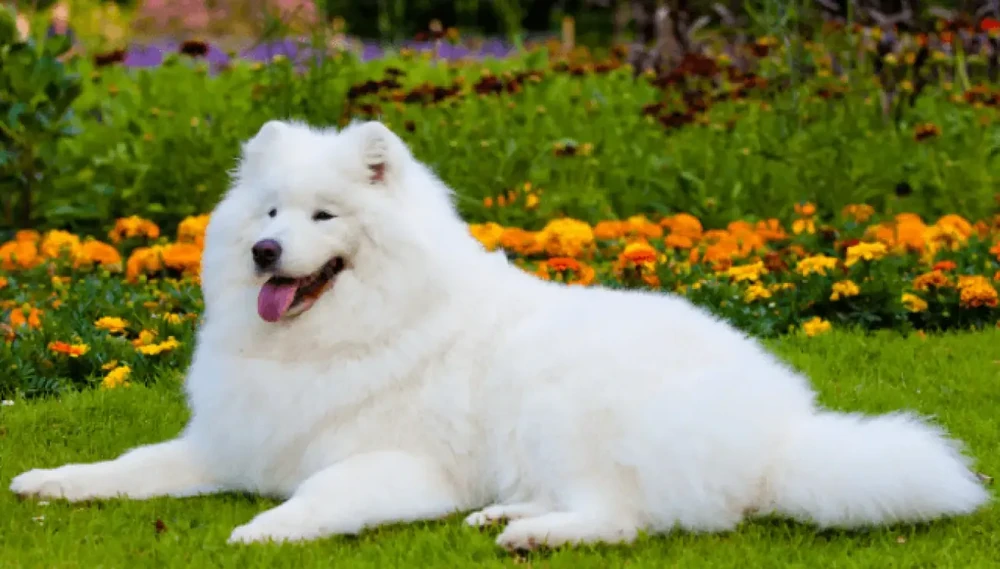
Samoyeds usually do best when their life makes sense to them: regular exercise, a predictable home routine, and plenty of social contact. They are often described as “friendly”, but they are also socially responsive, which means they notice when their needs are met, and when they are not.
If you are in a warm part of Australia, planning for heat is part of responsible ownership. Shade, cool water, and avoiding the hottest parts of the day are simple measures that prevent real harm. If you ever suspect heat stress, cool your dog gradually and seek veterinary help promptly.7, 8
For the right household, a Samoyed can be a deeply enjoyable dog to live with. The best experiences usually come from meeting the breed where it is, not where we wish it would be: a working-bred, people-focused companion with a high-maintenance coat and a lively mind.
References
- Samoyed Club of America, Breed Origin and History
- American Kennel Club, Samoyed History: Where the Breed Originated
- Wikipedia, Samoyed dog
- Merck Veterinary Manual, Samoyeds (breed overview)
- Samoyed Health Foundation, Hereditary Nephritis (Hereditary Samoyed Glomerulopathy)
- Samoyed Health Foundation, Diabetes mellitus
- RSPCA Australia, Warm weather worries: protect pets from heatstroke
- RSPCA ACT, Hot weather tips for pets
- OrthoInfo (American Academy of Orthopaedic Surgeons), Hip Dysplasia