

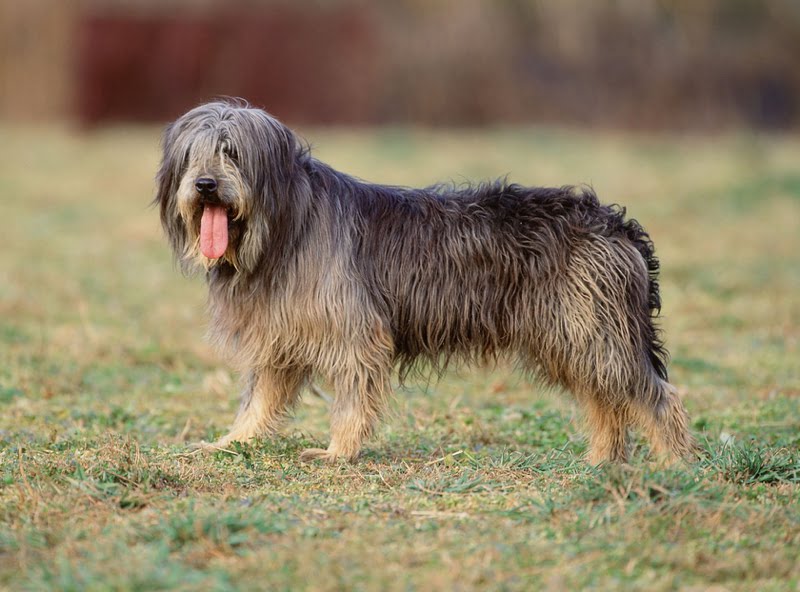
People usually first notice the Sapsali because of the coat. It is that long, shaggy, slightly wild-looking fur that makes you pause, especially if you are used to more familiar family breeds. Then you find out it is a Korean breed with a reputation for being steady at home, and the questions start: is it really a “lion dog”, is it rare, and what does living with all that hair actually involve?
It is tempting to treat the Sapsali as a folklore dog, all legends and symbolism. Those stories matter, but day to day life with the breed comes down to ordinary things: how they cope with heat, how much grooming you can realistically do, and whether their calm, protective streak fits your household.
What makes the Sapsali worth understanding is how neatly it sits between “heritage breed” and “practical companion”. In South Korea it has recognised cultural status, and in a home it is still a medium-sized dog that needs training, movement, and a coat routine that does not slip. 1, 2
Early development and cultural significance
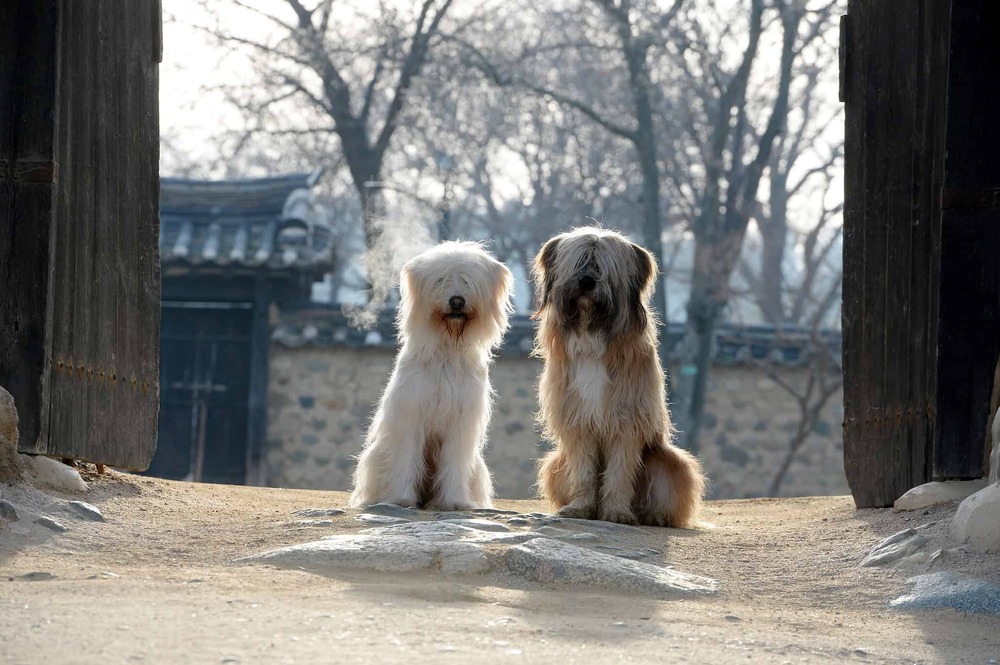
The Sapsali (also commonly written as Sapsaree) is an indigenous Korean breed, long associated with the idea of driving away misfortune. It appears in Korean cultural storytelling and has been kept as a companion and guard type dog across different periods, which helps explain the breed’s watchful, people-oriented reputation. 1, 4
One of the most concrete markers of that cultural importance is its protected status in South Korea. The “Sapsal Dog of Gyeongsan” is designated as Natural Monument No. 368, reflecting government-supported preservation and management rather than just popularity as a pet. 2, 3
It is also worth clearing up a common point of confusion. You will sometimes see claims that the breed is “not recognised” in any formal way. In practice, recognition depends on the organisation. The Sapsali is not currently listed in the Federation Cynologique Internationale (FCI) nomenclature, so it is not an FCI-recognised breed for international showing in that system. 5
What a Sapsali looks like up close
The first thing most people notice is the coat: long, thick, and shaggy, often falling over the eyes and forming furnishings around the face and legs. That coat is not just decorative. It is part of what historically helped the breed cope with colder conditions, and it strongly shapes modern care needs, from brushing to heat management. 6
In size, the Sapsali is typically a medium dog, often described around the 50 to 63 cm range at the shoulder and roughly 17 to 32 kg, with males commonly on the higher end. Different sources vary slightly, which is normal for less widely standardised breeds outside their home country. 6, 7
Colour can be described in everyday terms such as black, brown, grey, and gold, but you may also see traditional colour terms used in breed descriptions (for example, “yellow” and “blue”, where “blue” can refer to dark or black-based coats). If you are choosing a puppy, colour is best treated as aesthetic, while temperament, health screening, and coat type will affect daily life much more. 6
Personality traits and family suitability
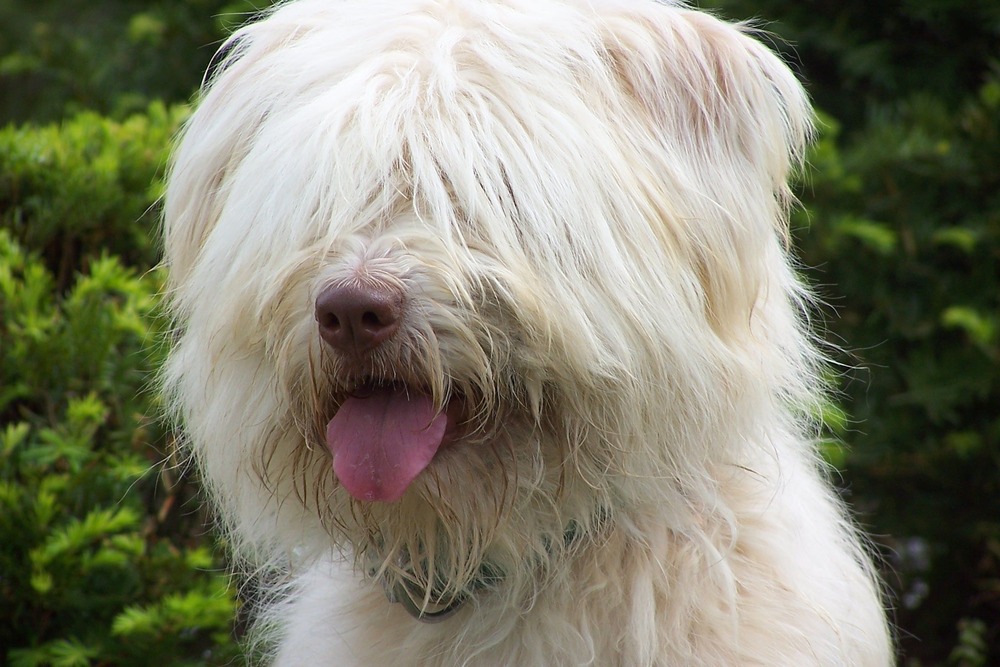
Well-bred, well-socialised Sapsalis are often described as gentle and people-friendly, with a protective edge that tends to show up as watchfulness rather than constant reactivity. That blend can suit families who like a dog that stays close and notices what is happening around the home. 1, 7
With children, the usual rules still apply. Even a steady breed can be overwhelmed by rough handling, crowding, or unpredictable noise. The best outcomes come from teaching kids how to approach, when to pause, and how to let a dog move away without being followed.
With other animals, early introductions matter more than breed stereotypes. Many dogs can live well with other pets when they have calm exposure, clear routines, and adults who step in early if play becomes pushy or one-sided. For a Sapsali, that early learning can also help prevent over-guarding behaviour from becoming a habit.
Training and exercise that fits the breed
The Sapsali tends to do best with steady, consistent training rather than heavy-handed correction. A shaggy-coated dog that stays close to the family can look “easy”, but good manners still need practice: greeting politely, settling, walking on lead, and being comfortable with handling for grooming. 7
Exercise needs are often described as moderate. In real terms, think daily walks plus time to sniff and explore, and some simple training games that work the brain. The coat can make intense running or long midday walks uncomfortable in warm weather, so it helps to plan movement around cooler parts of the day.
- Short training sessions (2 to 5 minutes) repeated through the day often beat one long session.
- Choose activities that suit the coat, such as leash walks, sniffing games, and basic obedience, and be cautious with high-heat agility or long fetch sessions in summer.
Health considerations and what to watch for
No single page can predict an individual dog’s health, but there are patterns worth keeping in mind. Medium dogs with substantial body weight can be affected by orthopaedic issues, and hip dysplasia is one of the conditions owners often hear about. Hip dysplasia involves a poor fit of the hip joint that can lead to pain and reduced function over time. A vet exam and appropriate imaging are how it is assessed and managed. 8
Eye issues are also commonly mentioned in breed discussions, which is not surprising for a dog with heavy facial furnishings. Hair around the eyes can trap moisture and debris, so practical care matters even when a dog has no diagnosed eye disease: keeping the area clean, checking for irritation, and booking a vet visit if you see redness, squinting, discharge, or rubbing.
If you are buying rather than adopting, ask what health screening is actually done, and request documentation. With rarer breeds outside their home region, the quality of breeding practices can vary widely, and the paper trail matters.
Coat care and grooming routines
The Sapsali coat is beautiful, but it is also a commitment. The practical goal is not perfection, it is preventing matting and keeping the skin healthy underneath. Once mats form close to the skin, they can pull, trap moisture, and make brushing unpleasant for the dog.
Most households do well with a routine that includes thorough brushing several times a week, plus regular checks in friction areas: behind the ears, under the collar or harness, in the armpits, and around the tail. If you prefer a lower-maintenance routine, talk to a groomer early about realistic trims that keep the dog comfortable while still respecting coat type and skin needs.
Grooming is also a behaviour project. Gentle handling practice, reward-based cooperation, and short sessions help the dog learn that brushes, combs, nail trims, and baths are normal parts of life.
Living with a thick-coated dog in warm weather
A long, dense coat can increase heat load, especially when humidity is high or airflow is poor. The safest approach is to assume your dog may overheat more easily than a short-coated breed, then build routines around that assumption.
Signs of heat stress can include heavy panting, drooling, agitation, weakness, vomiting or diarrhoea, and collapse. If you suspect heatstroke, cooling and urgent veterinary care are essential. 9
- Walk early or late, and keep exercise gentle on hot days.
- Prioritise shade, ventilation, and access to fresh water.
- Be cautious with closed spaces such as cars, sunrooms, and poorly ventilated balconies.
Feeding and keeping weight steady
For a breed that is often described as moderate energy, weight can creep up quietly, especially if treats are generous and exercise drops in hot weather. Keeping a lean body condition supports joints, stamina, and overall health.
A useful way to approach food is to treat it as an ongoing check-in, not a set-and-forget decision. The World Small Animal Veterinary Association (WSAVA) encourages routine nutritional assessment, including body condition scoring and diet history, to match food choice and portions to the individual dog. 10
Final thoughts
The Sapsali is often introduced to people through its history and symbolism, but it earns its place in a home through everyday steadiness. It is a medium dog with a big coat, a generally companionable nature, and a watchful presence that can be reassuring when it is well guided.
If you are considering the breed, it helps to be honest about what you can commit to: regular coat care, thoughtful training, and warm-weather management. When those pieces are in place, the Sapsali tends to make sense, not as a mythic “lion dog”, but as a practical companion with a distinctive heritage. 2
References
- Wikipedia: Sapsali
- Korea Heritage Service (English): FAQ referencing Sapsal Dog of Gyeongsan (Natural Monument No. 368)
- K-Heritage TV (UCI resolver): Content noting Sapsalgae of Gyeongsan designated Natural Monument No. 368
- PMC: Genomic prediction and genome-wide association studies in Korean Sapsaree dogs
- FCI: Breeds nomenclature
- Wisdom Panel (UK): Sapsaree breed overview (height, weight, coat)
- Wisdom Panel (US): Sapsaree breed traits and coat description
- American Kennel Club: Hip dysplasia in dogs, signs and treatment overview
- RSPCA Australia: Protect pets from heatstroke (risk factors and signs)
- WSAVA: Global Nutrition Guidelines