

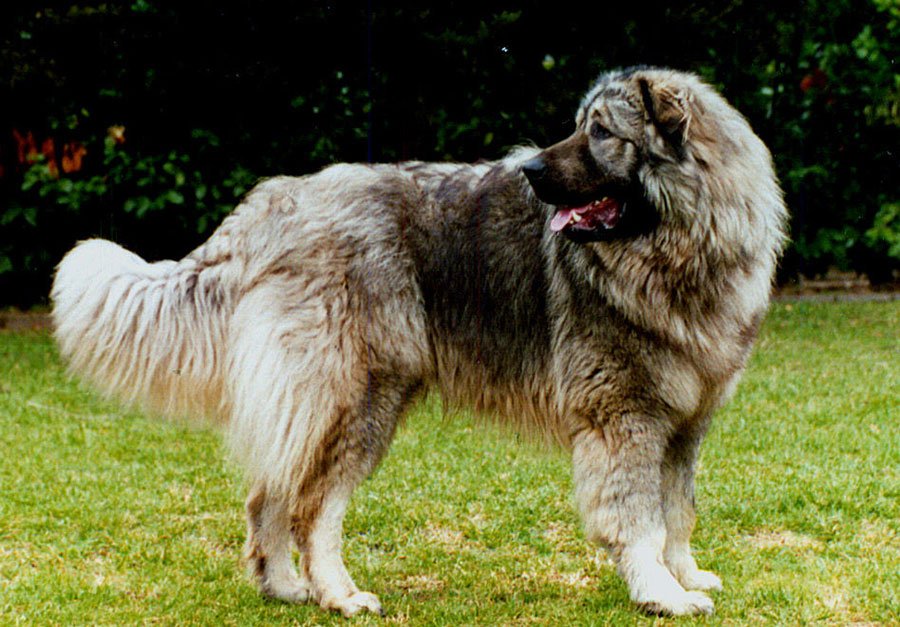
People usually come across the Šarplaninac when they notice a big, calm-looking dog that does not behave like a typical “please everyone” pet. Maybe you have seen one standing quietly at a gate, watching without fuss, or you have heard someone describe a dog that is affectionate at home but reserved with strangers.
It can be tempting to label that as stubbornness or “dominance”. With livestock guardian breeds, it is often something simpler and more practical: selective independence. These dogs were shaped to make decisions at a distance, stay steady in rough conditions, and take responsibility for what is within their boundary.
For the right household, that steadiness can feel deeply reassuring. For the wrong set-up, it can become stressful for everyone. Understanding where the Šarplaninac comes from, and what it needs day to day, makes the difference between a dog that copes well and a dog that spends its life on edge.
- Breed category: Livestock guardian (FCI Group 2, molossoid, mountain type)1
- Country of origin: North Macedonia and Serbia1
- Typical height: Males average 62 cm, females average 58 cm (with minimums set in the standard)2
- Typical weight: Males 35 to 45 kg, females 30 to 40 kg2
- Coat: Thick, long, rather coarse double coat2
- Temperament: Reliable, protective, not “snappy” when well-bred and well-managed2
- Life expectancy: Often around 11 to 13 years (varies with size, health, and management)
History and origin
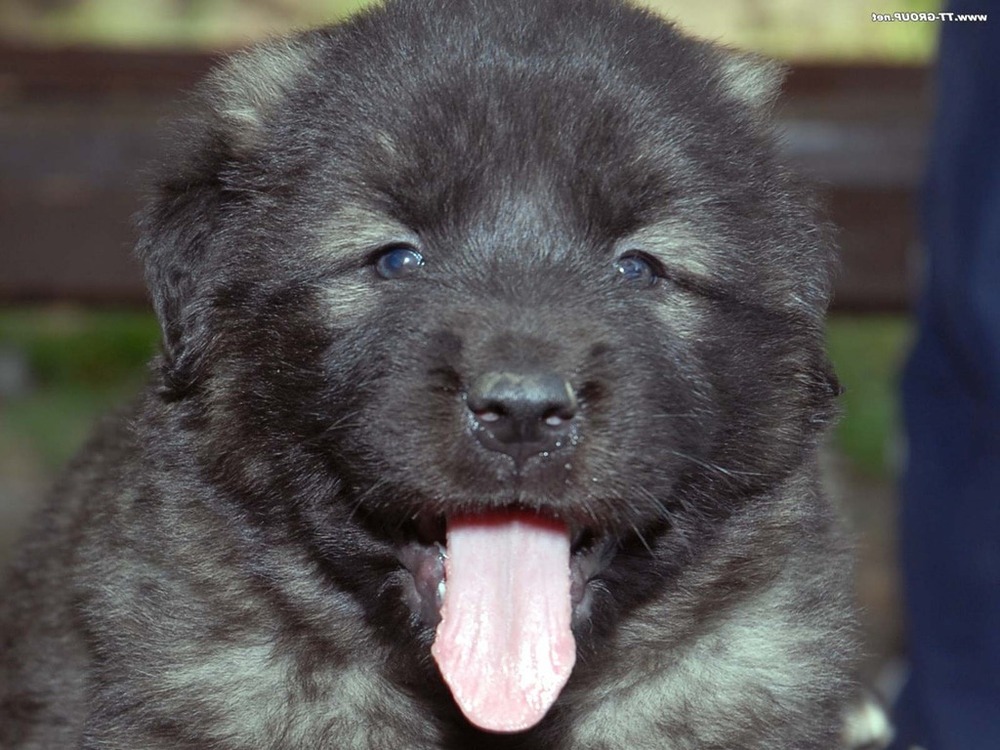
The Šarplaninac (also written Sarplaninac) is named for the Šar (Shar) mountain range, a rugged area spanning parts of the Balkans. For a long time, dogs of this type were kept where livestock needed steady protection from predators and theft, often in remote conditions with limited human oversight.2
In official kennel terms, the breed’s story includes a few name changes. The FCI registered it in 1939 under the name “Illyrian Shepherd Dog”, and later changed the recognised name in 1957 to the Yugoslavian Shepherd Dog, Sharplanina (Sarplaninac).2, 3
Those administrative milestones matter less than the working reality: this is a dog shaped to stay out with stock, read its environment, and respond without needing constant direction. That heritage still shows up in modern homes as strong boundary awareness and a preference for calm, predictable routines.
Physical characteristics
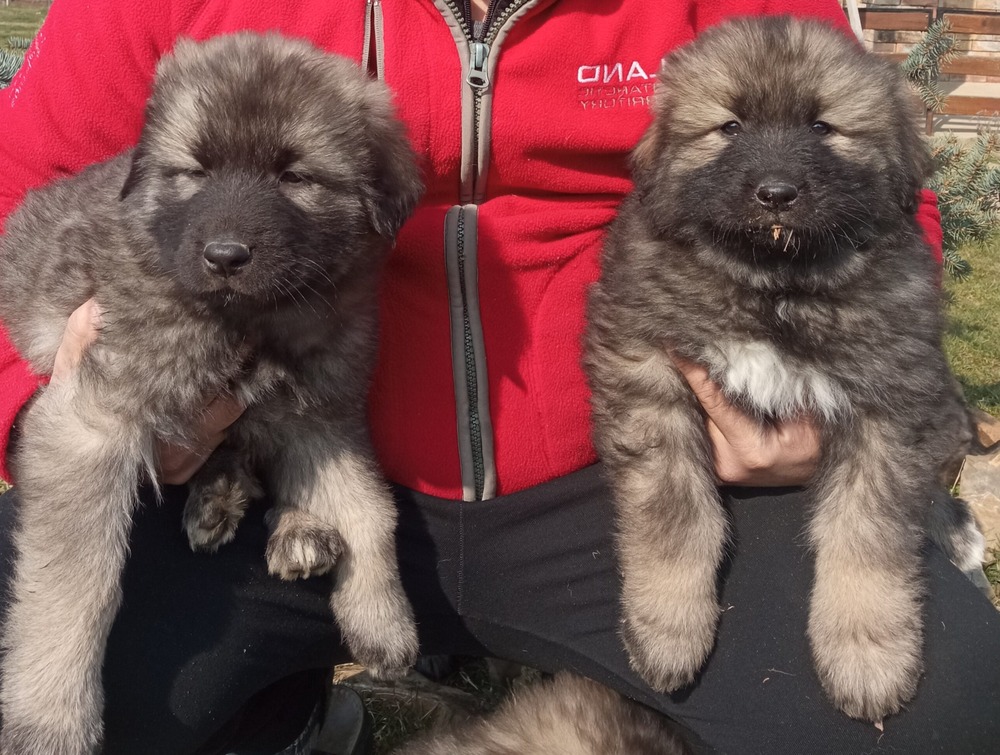
At first glance, the Šarplaninac looks like what it is: a substantial mountain guardian with bone and muscle, built for endurance more than speed. The breed standard describes a robust, well-proportioned dog with a thick, long coat that reinforces a compact, powerful outline.2
Size is often what people remember. In the FCI standard, the average height at the withers is 62 cm for males and 58 cm for females, with minimum heights set for breeding eligibility. Typical weight ranges are 35 to 45 kg for males and 30 to 40 kg for females.2
Coat colour is commonly grey, but other shades can occur. What matters most for day-to-day care is the dense double coat, which insulates well in cold weather but can make heat management important in warmer climates.
Temperament and behaviour in a home setting
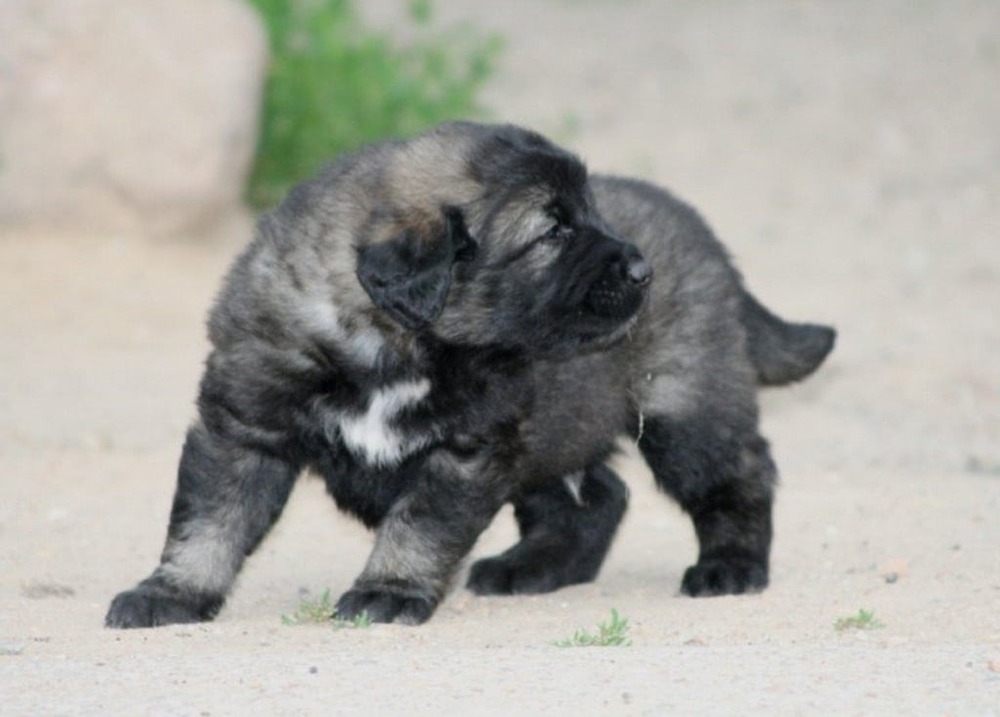
The Šarplaninac is often described as loyal, protective, and independent. That can be accurate, as long as we remember those words describe behaviour patterns, not motives. A well-socialised Šarplaninac may appear quiet and observant, then place itself between its people and something unfamiliar without any fanfare.
The breed standard points to an even disposition and reliability, with protectiveness that is not meant to tip into reactivity when the dog is well-bred and appropriately managed.2
In family life, these dogs tend to do best with clear boundaries and a stable household rhythm. They are often less interested in novelty for novelty’s sake. Visitors, tradies, and delivery drivers can be a sticking point, not because the dog is “bad with people”, but because it takes its role seriously and may need structured practice to feel safe with comings and goings.
With children, the usual large-dog guidance applies: supervision, respectful handling, and plenty of quiet space. With other pets, early and ongoing socialisation helps, but it is wise to assume the dog will be more cautious with unfamiliar animals than a socially-driven gundog or companion breed.
Training and exercise, what actually works
Training a Šarplaninac tends to be less about drilling tricks and more about building functional cooperation. Many owners find that once the dog understands the rules, it will follow them consistently, but it may not offer the eager, repetitive enthusiasm people associate with breeds developed for close-handler work.
Early socialisation matters, but it needs to be done thoughtfully. Flooding a young guardian breed with crowded dog parks and constant greetings can backfire. Aim instead for controlled exposures: calm dogs, predictable people, and positive experiences at a distance first, then gradually closer as the dog relaxes.
Exercise requirements are best met with a mix of movement and purposeful engagement:
- Long, steady walks and sniffing time, not just high-intensity running
- Secure yard time where the dog can patrol and settle
- Low-conflict enrichment (food puzzles, scatter feeding, simple scent games)
In hot weather, adjust your routine rather than pushing through. Walk early or later in the day, seek shade, and use the five-second pavement test (back of the hand on the ground for five seconds). If it is too hot for you, it is too hot for paws.6
Health and lifespan
No breed is perfectly predictable, but large, heavy dogs commonly bring a similar set of considerations. Hip dysplasia is one, and it is influenced by both genetics and environment, including growth rate, weight, and exercise patterns during development.7
Another risk discussed with deep-chested, large dogs is gastric dilatation-volvulus (GDV), often called bloat. It is a true emergency, and prevention focuses on management rather than any single magic fix. Feeding more than one meal a day, slowing down fast eaters, and avoiding hard exercise around meals are commonly recommended strategies.8, 9
If you are buying a puppy, it is reasonable to ask what health screening is done in the line, and to discuss growth and weight targets with a vet. If you are adopting an adult dog, focus on what you can control now: steady conditioning, keeping the dog lean, and building strength gradually.
Grooming and maintenance
The Šarplaninac coat is designed to weather the outdoors. In a home environment, that translates to regular brushing and seasonal shedding that can surprise people who assumed a “farm dog” would be low maintenance.
A weekly brush-through is a good baseline, with extra sessions when the undercoat loosens. Pay attention behind the ears, around the neck ruff, and through the breeches. The goal is not perfection, it is keeping the coat able to do its job without mats that pull at the skin.
Bathing is usually occasional, not frequent. Let the coat’s natural oils support weather resistance, and focus more on brushing, nail care, and routine checks of ears, teeth, and paw pads.
Diet and day-to-day feeding
These dogs do best on a complete and balanced diet suited to their life stage, size, and activity level. If you are feeding a large-breed puppy, discuss large-breed growth diets with your vet, since rapid growth and excess weight can put avoidable strain on joints.
For adults, practical feeding habits matter as much as the ingredient debate:
- Split food into two or more meals rather than one large feed, particularly for bloat risk management8, 9
- Use slow feeders if the dog bolts meals
- Keep activity calmer around mealtimes
- Monitor body condition, you should be able to feel ribs under a light cover
Fresh water should always be available, and in warm weather it is worth being proactive about cooling strategies, especially for thick-coated dogs.5
Living with a Šarplaninac, who it suits best
It is easy to admire this breed from a distance. Living with one is a more specific kind of relationship. A Šarplaninac usually suits people who value steadiness, can provide space, and do not expect a social butterfly.
Not ideal for apartment life is less about square metres and more about what the dog is likely to do when it hears every hallway footstep. Many will take that as information to assess. In a suburban or rural home with secure fencing, thoughtful visitor management, and consistent handling, the same dog can settle beautifully.
If you are considering the breed, it is worth spending time with adult dogs, not just puppies. Adult behaviour gives you the clearest picture of the calm watchfulness, the independence, and the very real responsibility that comes with a guardian breed.
References
- FCI breeds nomenclature: Yugoslavian Shepherd Dog, Sharplanina (Sarplaninac) No. 41
- FCI Standard No. 41 (English text): Yugoslavian Shepherd Dog, Sharplanina (Sarplaninac)
- Wikipedia: Šarplaninac (overview and historical notes)
- Cornell University College of Veterinary Medicine: Gastric dilatation volvulus (GDV) or bloat
- Animal Welfare League (Australia): Keeping your pets safe in hot weather
- RSPCA Australia: Let’s talk about walks (hot pavements and the five-second rule)
- Orthopedic Foundation for Animals (OFA): Hip dysplasia
- American Animal Hospital Association (AAHA): Understanding canine bloat (GDV)
- Purina Institute: Canine gastric dilatation-volvulus (GDV)