

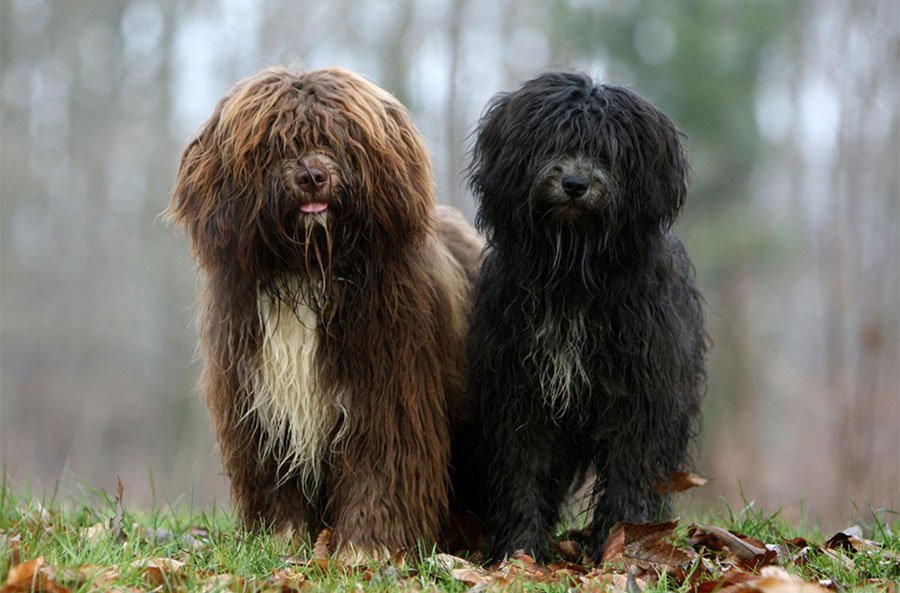
People often come across the Schapendoes in a photo first: a shaggy, bright-eyed dog that looks a bit like it has just wandered in from a windswept paddock. Then the questions start. Is it a doodle mix? A bearded collie type? Will that coat be impossible to manage?
In reality, the Schapendoes (also known as the Dutch Sheepdog) is a distinct herding breed with its own history and a very particular way of moving through the world. It tends to be quick to learn, light on its feet, and keen to be involved. That can be a wonderful fit for an active household, but it also means this is not a dog that thrives on “a quick lap around the block” and a lot of alone time.
If you are weighing up whether a Schapendoes suits your life, it helps to look past the coat and into the breed’s working roots, daily needs, and the practical realities of grooming, training, and health care.
Schapendoes at a glance
Breed group: Herding, sheepdog type (FCI Group 1).1, 2
- Origin: The Netherlands.1
- Size: Medium. Males are commonly around 43 to 50 cm, females around 40 to 45 cm at the shoulder (depending on the standard referenced).2
- Weight: Often in the mid-teens to around 20 kg, with variation by sex and build.1
- Life expectancy: Commonly around 12 to 15 years.3
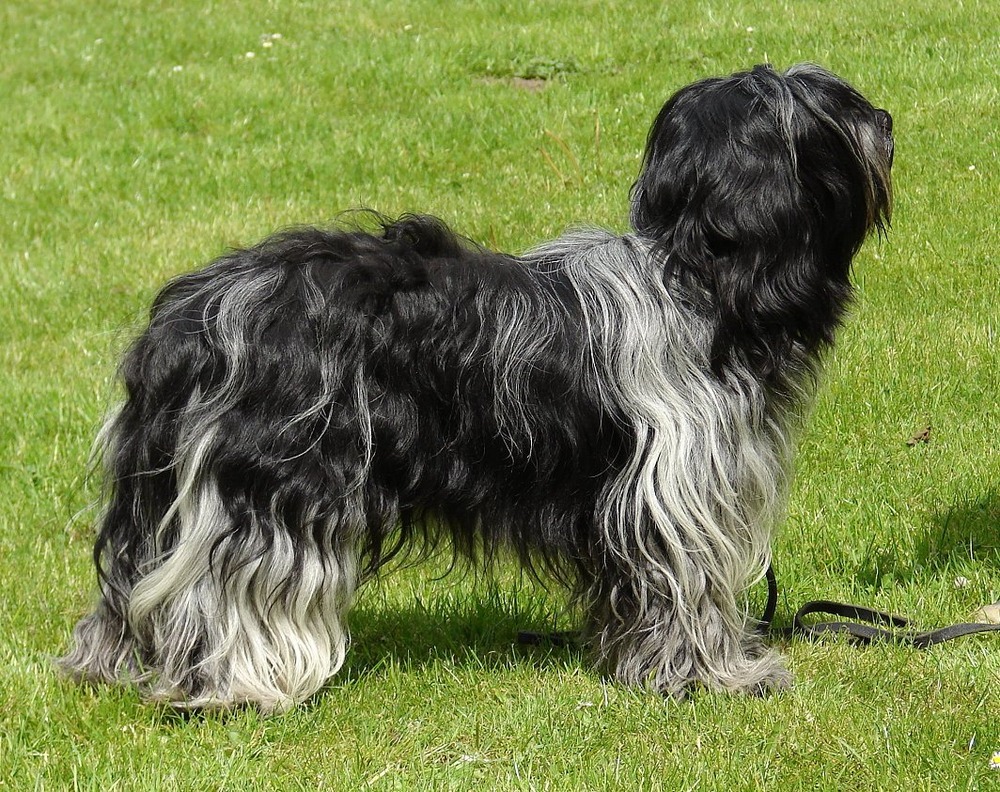
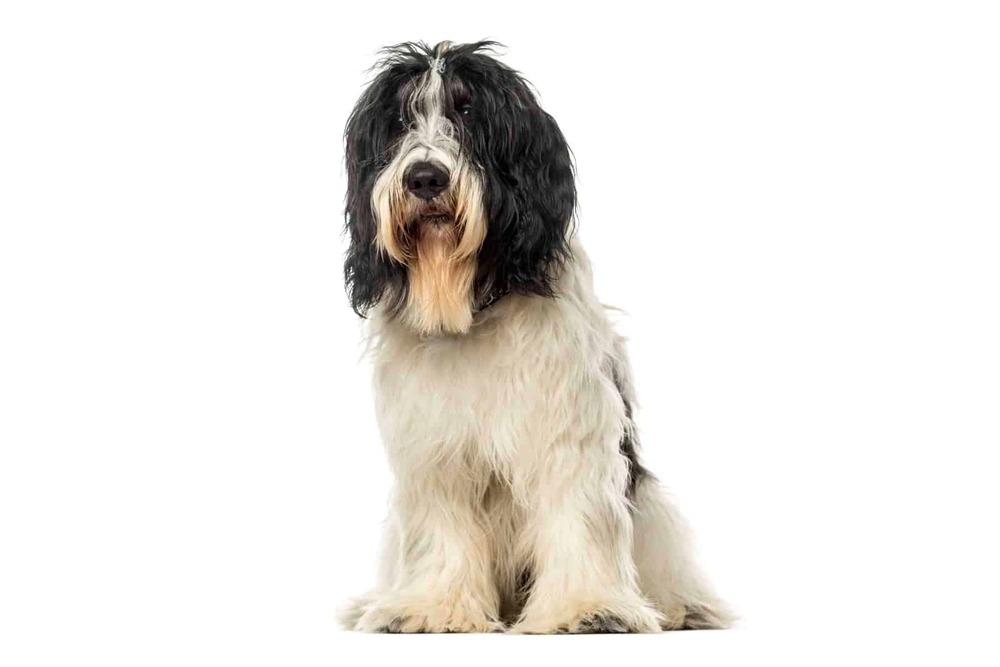
- Coat: Long, dense, lightly waved, with a distinct topknot and furnishings.2
- Energy: High, typically does best with daily exercise plus training or problem-solving games.
History and origin
The Schapendoes developed as a working sheepdog in the Netherlands, valued for being nimble, observant, and capable of covering ground for long periods. In practical terms, that heritage tends to show up today as a dog that likes to move, likes to think, and does not do its best work on a purely passive routine.
Breed numbers declined around the mid-20th century, and dedicated fanciers worked to preserve and rebuild the population. The Schapendoes was later recognised by the Fédération Cynologique Internationale (FCI) in 1971 as a sheepdog breed in Group 1.1, 4
Physical characteristics

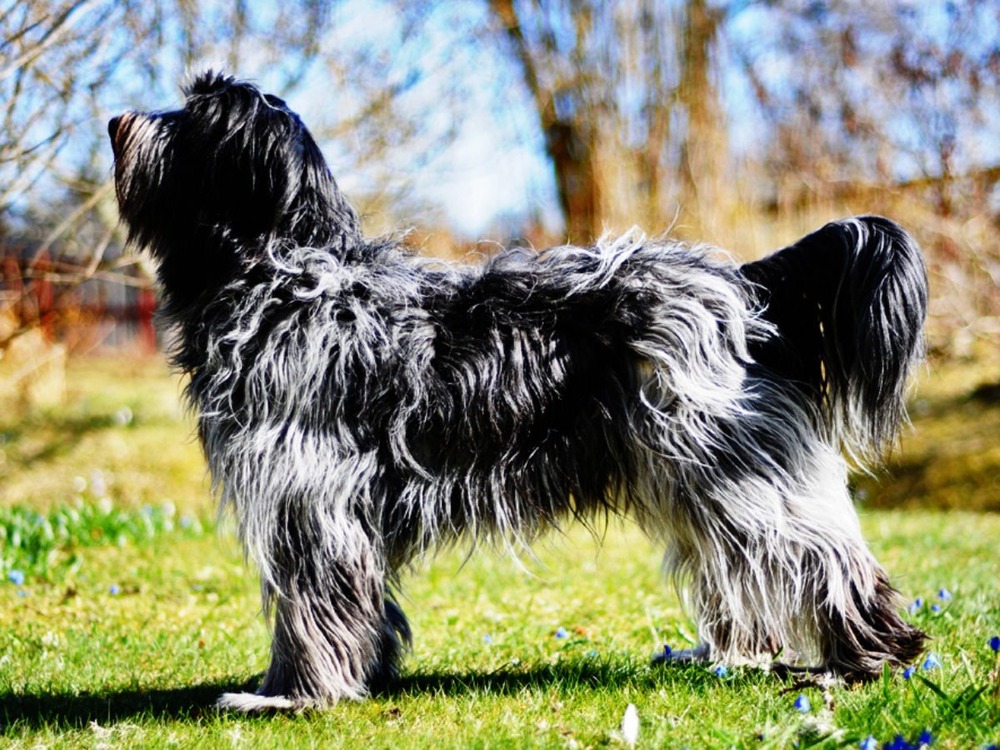
The first thing most people notice is the coat, but the structure underneath matters just as much. A well-made Schapendoes is light-footed and springy, built to change direction, jump, and work over uneven ground without wasting energy.2
The coat is dense and double, with hair that is fine and dry rather than silky. It is meant to look natural and a little tousled, not sculpted. Features like the topknot, moustache, and beard are typical, and the tail is long and feathered, used for balance and as a “rudder” when moving at speed or jumping.2
Temperament and behaviour in everyday life
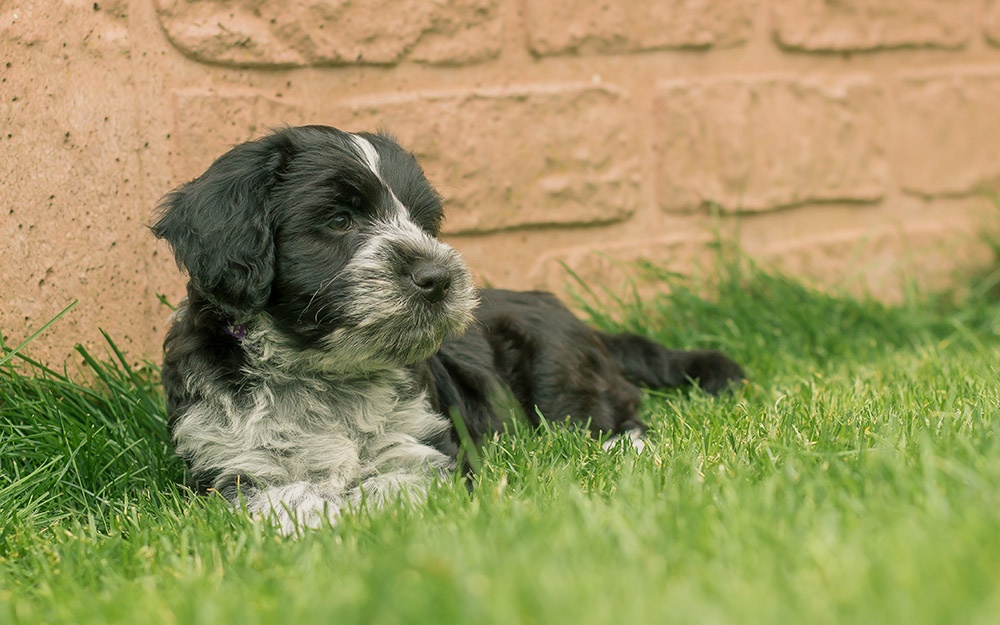
Schapendoes are often described as friendly and lively, with a brain that is very much switched on. In a home, that can look like a dog that watches patterns, learns quickly, and notices small changes, like a new route on your walk, a visitor at the gate, or the moment you pick up a lead.
One helpful way to think about the breed is this: a Schapendoes usually does best when it has a job, even if the “job” is a game of scent work in the backyard, learning a new cue, or practising an agility sequence. Boredom is the real troublemaker with many clever herding breeds, and the Schapendoes is no exception.
With children and other pets, outcomes are often best when the dog is well-socialised and given clear boundaries. Herding dogs can be inclined to shadow movement or get overexcited by running games, so calm introductions, supervision, and teaching a reliable “settle” are worth the effort.
Training and exercise needs
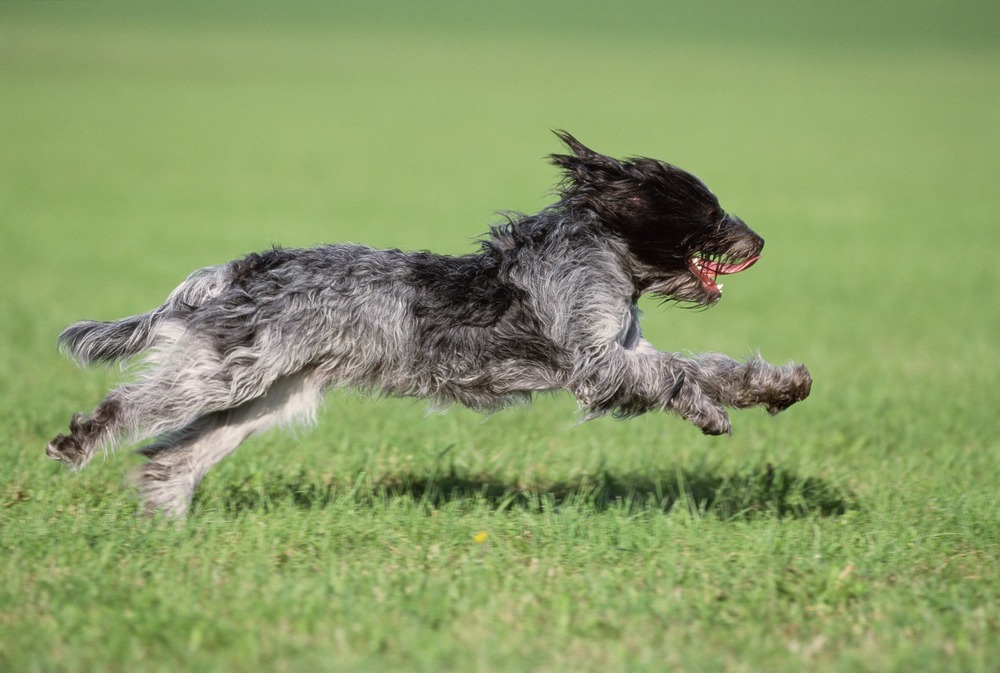
Schapendoes generally respond well to reward-based training, especially when sessions are short, varied, and a bit playful. Repetition without purpose can switch a smart dog off. If you keep the learning clear and the rewards meaningful, many will offer behaviours quickly and enjoy the back-and-forth of training.
Exercise is not just about kilometres. Alongside daily walks and off-lead time where safe and legal, it helps to add mental work that tires the mind, such as:
- Food puzzles and scatter feeding
- Basic scent games (find the treat, find the toy)
- Trick training and shaping games
- Dog sports such as agility or obedience, if it suits your lifestyle
Because they are athletic and can jump well, secure fencing and sensible impulse-control training are practical essentials, not optional extras.
Health and lifespan
The Schapendoes is often considered a generally healthy breed, with an average life expectancy commonly cited around 12 to 15 years.3 Like many medium herding breeds, it can still be affected by inherited conditions, and it is wise to speak with breeders about health screening and family history.
Two issues commonly discussed in breed health conversations include:
- Hip dysplasia, a developmental condition of the hip joint that can contribute to pain and arthritis over time.5
- Progressive retinal atrophy (PRA), a group of inherited eye diseases that can lead to vision loss.6
Preventative care is still the boring, important backbone: keeping a lean body condition, maintaining regular vet checks, and not ignoring subtle changes in movement, stamina, or vision.
Grooming and coat care
The coat is part of the Schapendoes charm, but it is also where many owners either settle into a rhythm or get overwhelmed. The goal is not perfection. The goal is keeping the dog comfortable, keeping the skin healthy, and preventing mats from tightening close to the body.
A practical routine for many homes is thorough brushing and combing a few times a week, with extra attention behind the ears, in the armpits, around the tail, and anywhere a harness rubs. If you miss a week during a wet season, tangles can turn into tight mats surprisingly quickly.
It also helps to do small, regular checks: look for grass seeds, burrs, or skin irritation, and make grooming a calm, predictable process. Gentle handling beats wrestling, especially with dogs that are sensitive to being restrained.
Diet and nutrition
A Schapendoes does best on a balanced diet that supports an active body without pushing weight up. Portion size should match age, activity level, and body condition, not just what is written on the bag. If you can easily feel ribs under a light covering, you are usually on the right track.
Be cautious with “people food” habits. Some foods are not just unhealthy, they are genuinely dangerous to dogs, including chocolate, grapes and raisins, and alliums such as onion and garlic. Products containing xylitol (a sweetener found in some sugar-free items) are also a well-known risk.7, 8
If you like using fresh foods as training rewards, keep it simple and dog-safe, and check with your vet if your dog has any medical issues that change dietary needs.
Living with a Schapendoes
When people say this breed can be “apartment friendly”, what they often mean is that the Schapendoes is not huge, and many individuals can settle indoors if their needs are met. The difference between a peaceful apartment dog and a frustrated one is usually the daily routine, not the floor plan.
A Schapendoes tends to thrive with:
- consistent daily movement, not just weekend adventures
- training that continues beyond puppyhood
- company and engagement, rather than long stretches of isolation
- grooming that is treated as normal life, not an occasional event
If you enjoy being outside, teaching skills, and sharing your day with a bright companion, the Schapendoes can be a deeply satisfying dog to live with. If you want a low-input pet, it is kinder to both you and the dog to choose a breed with lower daily needs.
References
- Wikipedia: Schapendoes
- United Kennel Club: Schapendoes breed standard
- American Kennel Club: Schapendoes (breed overview)
- Fédération Cynologique Internationale: Schapendoes (No. 313)
- Orthopedic Foundation for Animals: Hip dysplasia in dogs
- UC Davis Veterinary Medicine: Progressive retinal atrophy (PRA)
- Dogs Trust: Can dogs eat grapes?
- The Kennel Club: Poisonous food for dogs
- Greencross Vets: Dental home care for pets
- Flemington Vet: Dental care tips