

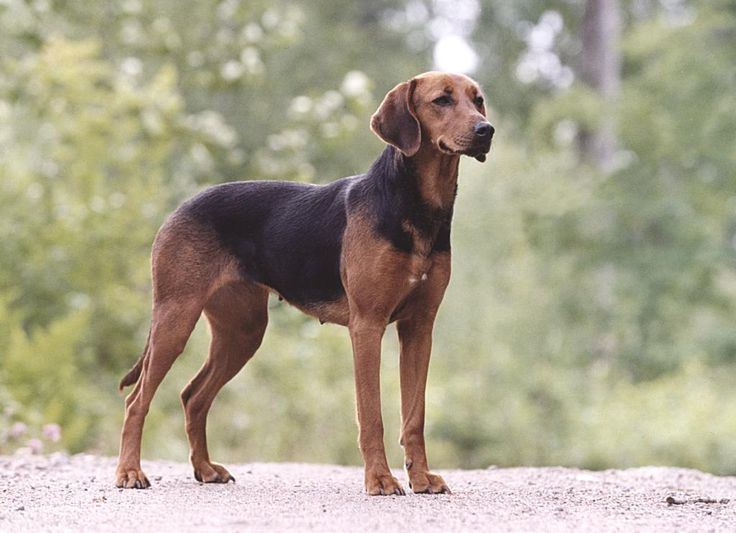
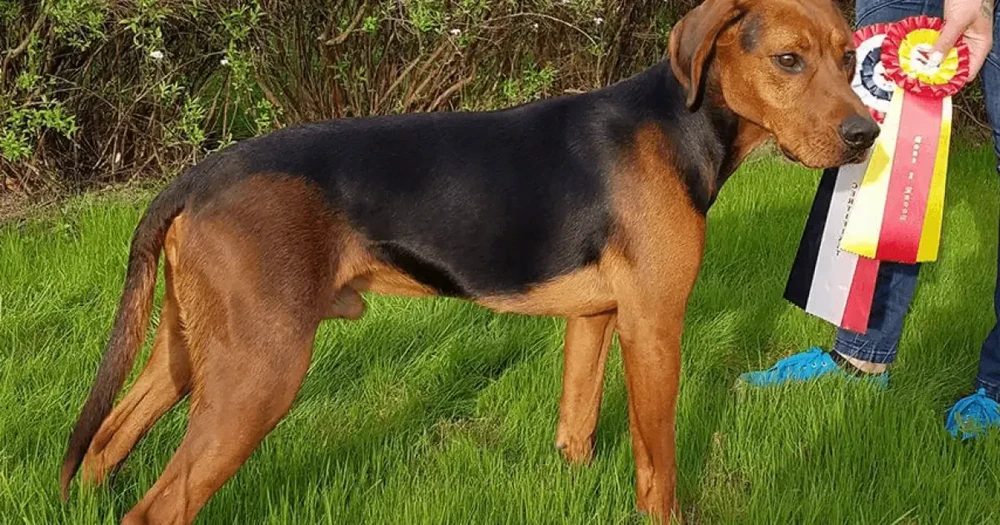
You might notice a Schillerstövare in a photo and assume it is “just another hound”, until you look a little closer. The outline is athletic rather than heavy, the colouring is a warm tan with a crisp black mantle, and the whole dog gives the impression of being built to keep moving for hours.
People usually end up here because they are weighing up a rare breed, trying to understand why a scent hound behaves the way it does at home, or comparing “stövare” types they have heard mentioned in Scandinavian hunting circles. What matters in practice is that this is a working-shaped dog with a family-friendly side, but only when its daily need to track, move, and think is taken seriously.
- Breed category: Scent hound (FCI Group 6)
- Country of origin: Sweden
- Height: Males 53 to 61 cm, females 49 to 57 cm1
- Typical lifespan: Often around 12 to 14 years (varies by individual)
- Coat: Smooth, close-lying
- Colour: Rich tan with a clearly defined black mantle, small white markings may be permitted1, 2
- Energy level: High, best suited to active homes
- Original purpose: Hunting hare and fox
History and origin
The Schillerstövare is closely tied to Swedish hunting culture, especially the tradition of following a single dog working scent over distance. In Sweden it is still valued as a thorough tracker with a clear voice on the trail, which is part of what makes the breed so recognisable in the field.2
Breed histories can get simplified online, so it helps to keep the key points straight. The Swedish Kennel Club describes the Schillerstövare as evolving in West Gothia around the turn of the 20th century, connected to the work of the young farmer Per Schiller (1858 to 1892). The dogs were named Schillerstövare in 1907, and the breed is often described by the SKK as Sweden’s first native breed.2, 4
In international terms, the breed is recognised by the Federation Cynologique Internationale (FCI) as Schillerstövare, breed number 131.1
What a Schillerstövare looks like
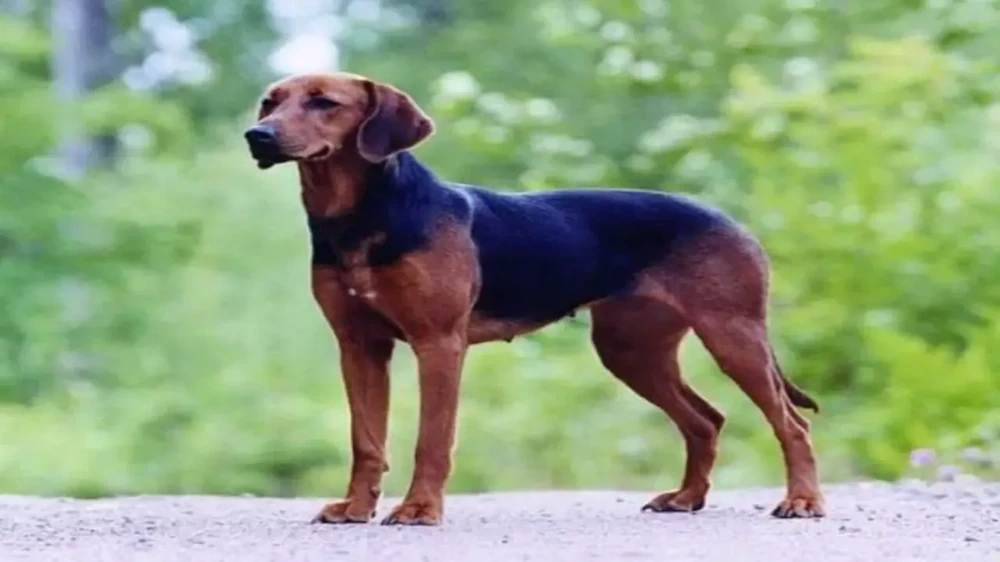
This is a medium-sized hound with a strong but elegant build, meant to suggest speed and endurance rather than bulk. The coat is smooth and glossy, lying close to the body, and the typical colour is a rich golden tan with a clearly defined black mantle.2
Size is one of the most practical details when you are choosing equipment, planning exercise, or working out whether your space is realistic. The SKK gives an ideal height of 57 cm for males and 53 cm for females, with accepted variation of 53 to 61 cm for males and 49 to 57 cm for females.2
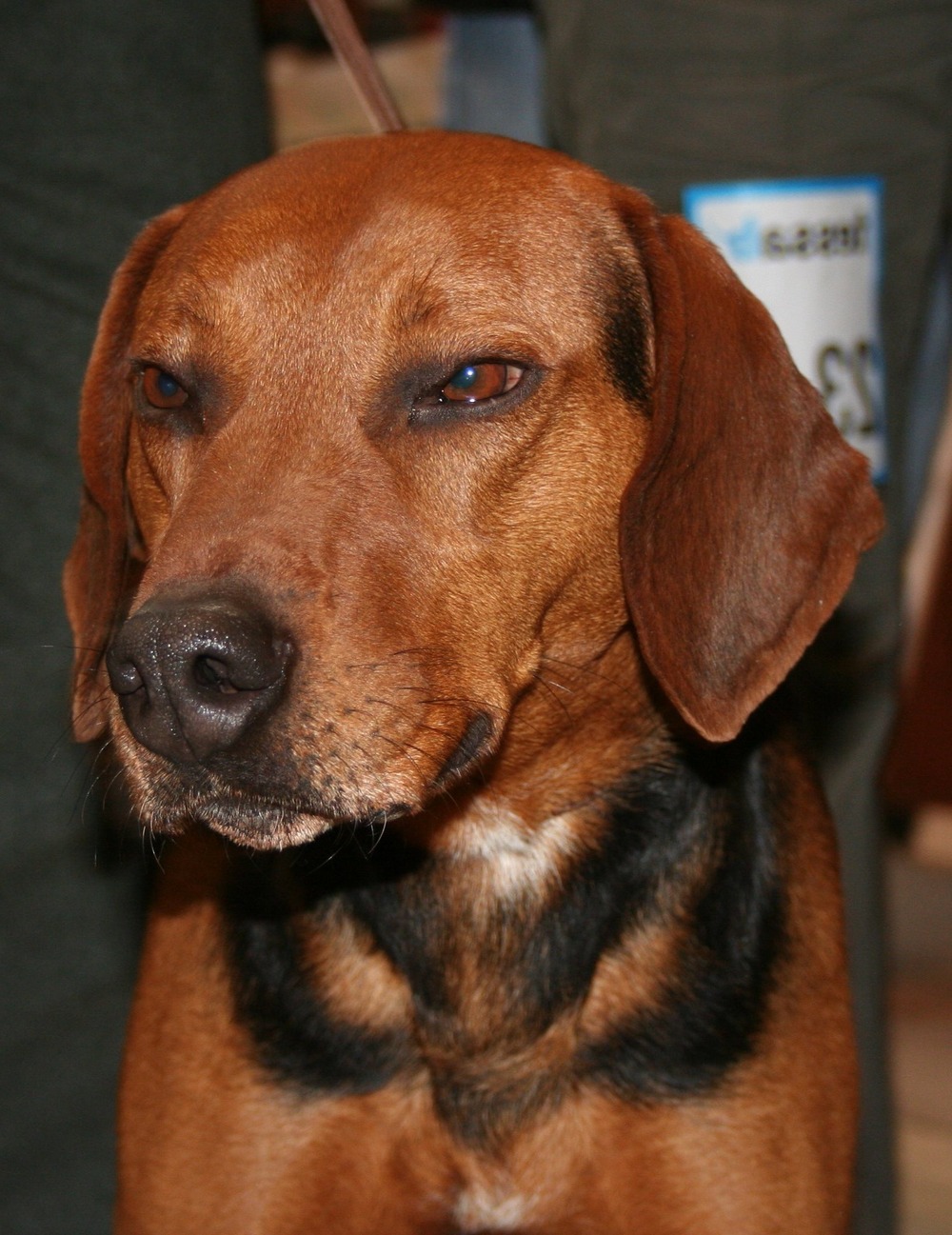
Like many drop-eared scent hounds, the ears sit close and can reduce airflow compared with prick-eared breeds. That does not mean trouble is inevitable, but it does make ear checks part of normal care, particularly after wet weather, swimming, or heavy scrub-bashing.
Temperament and behaviour in everyday life
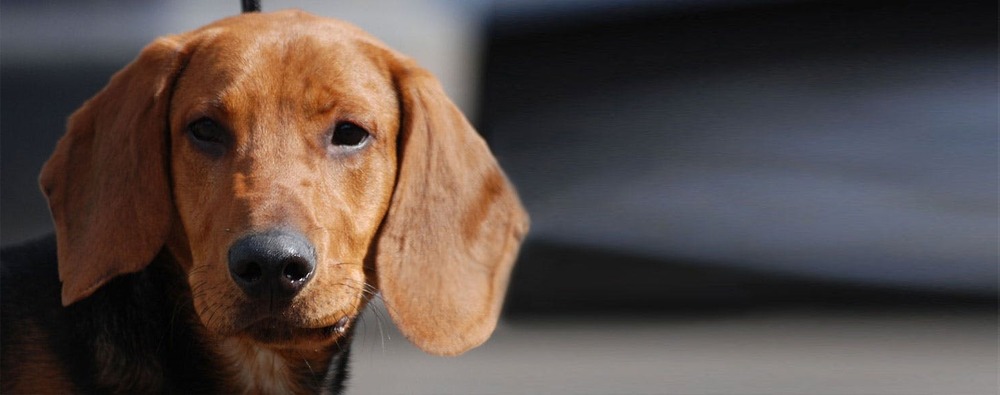
The Schillerstövare is often described by the Swedish Kennel Club as even-tempered and calm, with a working style that is thorough and keen. Many are pleasant family dogs in the right set-up, although they are still most commonly kept as hunting dogs in their home country.2
It is easy to misread a scent hound’s focus as stubbornness. When the nose switches on, the rest of the world becomes background information. This is not a character flaw so much as a design feature. The practical implication is that recall and lead skills matter, and so does offering safe ways to use that tracking drive.
With children and visitors, the breed’s steadier side tends to show best when the dog’s daily needs are met. A Schillerstövare that is under-exercised can become noisy, unsettled, or inclined to go looking for entertainment, including scent-trailing away from you if given the chance.
Training and exercise that actually works
Early socialisation helps most dogs, but for a working-bred scent hound it is particularly useful for building calm routines around people, traffic, other dogs, and new environments. It is less about turning the dog into something it is not, and more about teaching it how to live well alongside humans.
Reward-based training is widely recommended because it builds cooperation without provoking the resistance that can come with heavy-handed methods. The RSPCA notes that positive reinforcement can be enjoyable for dogs, provides mental stimulation, and helps prevent unwanted behaviours.5
Exercise needs are best thought of as a blend of movement and purposeful sniffing. Daily walks are a baseline, but many Schillerstövare do better when they also get structured scent games, longer weekend outings, or safe off-lead time in secure areas. The RSPCA recommends regular daily exercise, at least once a day, through walks or off-lead runs where appropriate and safe.5
- Scent work at home: scatter feeding, “find it” games, hiding toys or treats
- On-walk enrichment: slow sniffy sections, permission-based sniffing rather than constant marching
- Secure freedom: fenced paddock time, long-line tracking practice, dog sports suited to hounds
Health and lifespan
The Swedish Kennel Club notes that the breed is generally considered to be without serious known defects, but that hip dysplasia does occur.4
Ear issues are not unique to this breed, but drop ears can increase risk factors by trapping moisture and debris. Cornell’s College of Veterinary Medicine advises that cleaning frequency depends on the individual dog, and that over-cleaning can irritate ears. They also recommend a routine clean after ears get wet, such as after swimming or bathing, and to contact your vet if you suspect infection.6
Most owners do best with a simple rhythm: regular checks, weight management, fitness that matches the dog’s age, and prompt veterinary advice when something changes. If you are buying a puppy, ask what screening is done in the breeding lines, especially around hips.
Grooming and maintenance
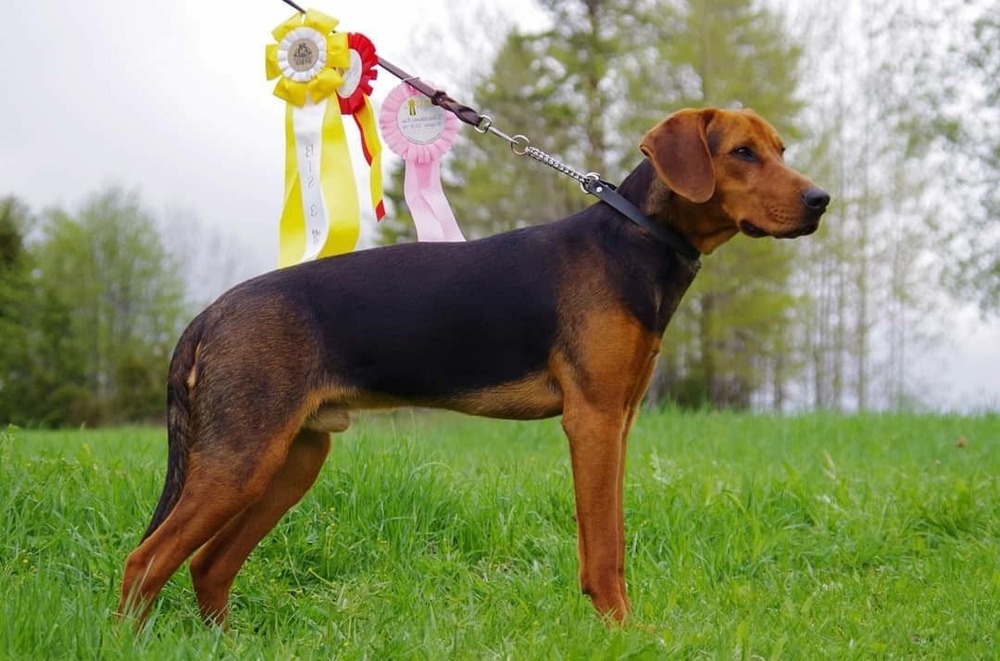
A short, close coat usually means grooming is more about consistency than complexity. A weekly brush removes dead hair, helps keep the coat glossy, and gives you a chance to notice skin irritation, grass seeds, or ticks before they become a bigger problem. The SKK also describes the coat as easy to care for, with bathing as needed.4
Pay extra attention to the parts that do not show in photos: nails, teeth, and ears. Many active dogs wear their nails down naturally, but not all, especially if they exercise on softer ground.
For ears, aim for gentle inspection rather than aggressive cleaning. If your dog is prone to infections, your vet can recommend the right cleaner and a schedule that suits your dog’s history, lifestyle, and skin health.6
Diet and nutrition
For an athletic, high-drive hound, diet matters because it supports day-to-day stamina and long-term joint and muscle health. The tricky part is that “good ingredients” on a label do not automatically equal a good diet for your individual dog.
The World Small Animal Veterinary Association (WSAVA) Global Nutrition Guidelines and related owner resources emphasise the value of nutritional assessment and choosing foods using reliable information, not just marketing or the ingredient list. In practice, it often helps to discuss options with your veterinary team, especially if your dog is very active or has recurring skin or gut issues.7, 8
As a general routine, measure meals, monitor body condition, and adjust for season and workload. If treats are a big part of training, fold them into the day’s calories rather than adding them on top.
Is this breed a good match for you?
The Schillerstövare tends to suit people who genuinely enjoy getting outside most days, and who can provide secure space, consistent training, and time for the dog to do what it is built to do, follow scent and move.
This breed can be a rewarding companion, but it is not always an easy fit for apartment living or for households that need a naturally low-interest dog off lead. If you like the idea of a hound but want a quieter, less driven lifestyle companion, it is worth meeting adult dogs and speaking with breed clubs or experienced owners about what “high exercise needs” looks like in real life.
If you do choose a Schillerstövare, the best outcomes usually come from planning for the nose. Build routines that make tracking and exploring safe, and you will often see the calmer, steadier temperament the breed is known for.2
References
- Federation Cynologique Internationale (FCI): Schillerstövare (No. 131)
- Swedish Kennel Club (SKK): Schillerstövare
- Nordic Kennel Union (via SKK): Schiller Hound (Schillerstövare)
- Swedish Kennel Club (SKK): Schillerstövare (Swedish page, health and history notes)
- RSPCA Pet Insurance Australia: Essential dog care information (exercise and training)
- Cornell University College of Veterinary Medicine: How to clean your dog’s ears
- WSAVA: Global Nutrition Guidelines
- WSAVA Global Nutrition Committee: Owner resources and selecting a pet food guidance