

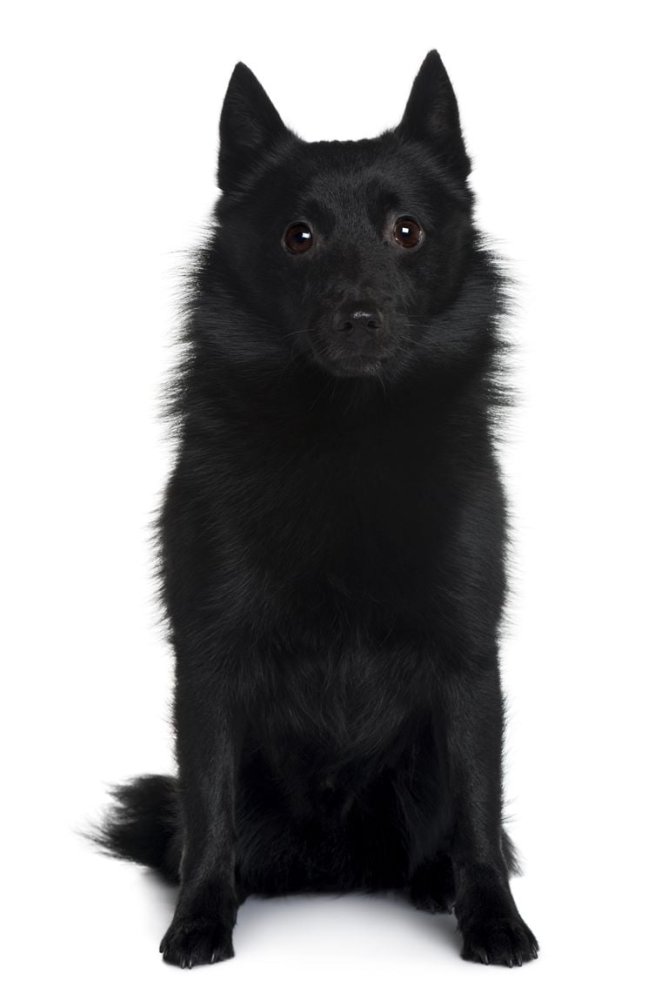
- Breed category: Companion dog
- Country of origin: Belgium
- Average height: 25 to 33 cm
- Average weight: 4.5 to 7 kg (some individuals fall outside this range)
- Typical lifespan: 12 to 16 years
- Grooming requirements: Moderate, regular brushing
- Exercise requirements: Moderate to high, daily walks plus play
- Coat type: Dense double coat
- Common coat colour: Black
- Shedding level: Moderate, heavier seasonally
- Ear type: Erect, triangular
- Tail: Natural tail varies, tail docking is restricted or banned in many places
- Temperament: Curious, confident, alert
- Intelligence level: High
- Barking tendency: Often high, especially as an alert dog
- Compatibility with children: Often best with older, respectful children
- Compatibility with other pets: Can be good with early socialisation
- Training ease: Moderate, can be independent
- Common health concerns: Eye disease, thyroid disease, inherited MPS IIIB in the breed
- Drooling tendency: Low
- Weather tolerance: Dense coat, take care in heat
- Original purpose: Ratter and watchdog, including on canal boats and in shops
You usually notice a Schipperke before you know what it is. A compact black dog with a sharp outline, pricked ears, and a way of standing as if it is keeping an eye on everything at once. People often meet the breed through a neighbour, a dog park, or a photo online and come away with the same question: what is that little dog that looks like it is permanently “on duty”?
It is tempting to assume they are simply a small companion breed that needs a lap, a lead, and a tidy grooming routine. In day-to-day life, what tends to shape the experience more is their watchful nature, their quick mind, and how easily they can decide a household routine is their job to supervise.
When a Schipperke fits, it feels like living with a bright, busy little shadow. When it does not, it is usually because their alert temperament was underestimated, or because their needs for training, enrichment, and sensible boundaries were treated as optional.
History and origin
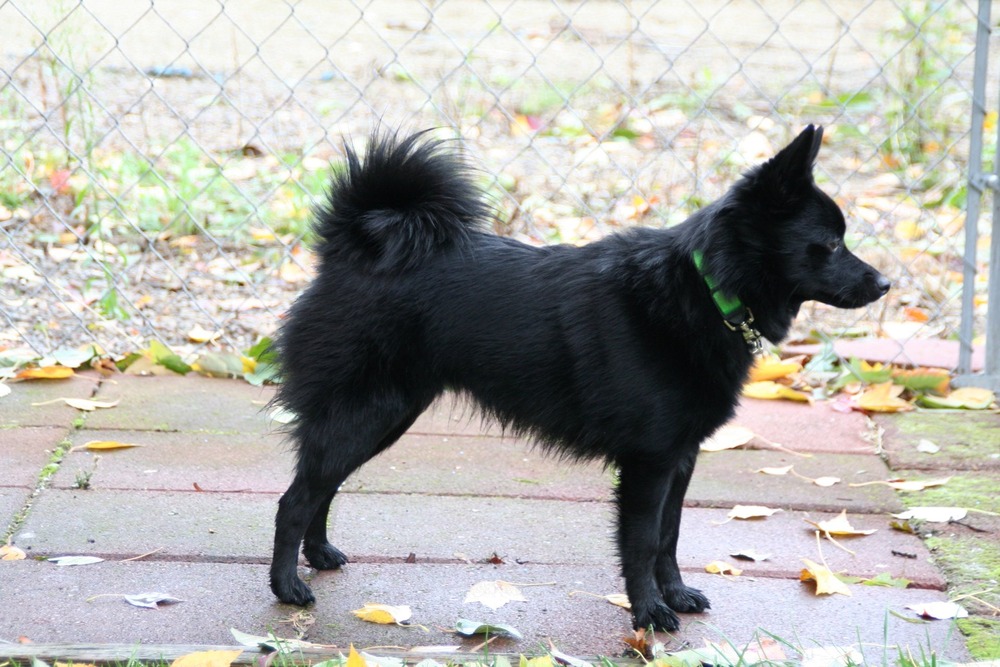
The Schipperke is a Belgian breed, most closely associated with Flanders and the working life of towns and waterways. They are widely described as watchdogs and ratters on canal barges, and also as vigilant little guardians in workshops and shops, especially among tradespeople.1, 2
The name is commonly linked to Flemish and is often translated as “little captain” or “little skipper”, a nod to their boat and dockside associations. You will sometimes see discussion of an alternative interpretation that connects the name to “little shepherd”, reflecting debate about the breed’s early role and language roots.1, 3
By the late 1800s, Schipperkes were appearing at dog shows and drawing attention beyond Belgium. In the United States, the American Kennel Club recognised the breed in 1904, which is one reason that date is often repeated in modern summaries of the breed’s “official” history.1
What a Schipperke looks like in real life
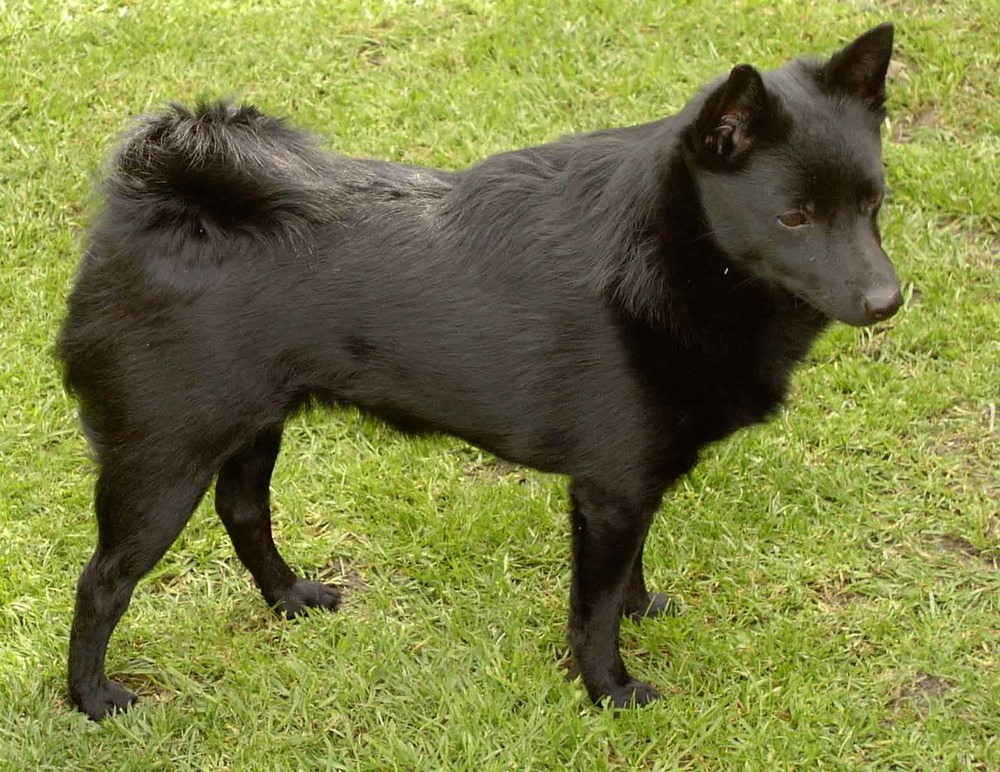
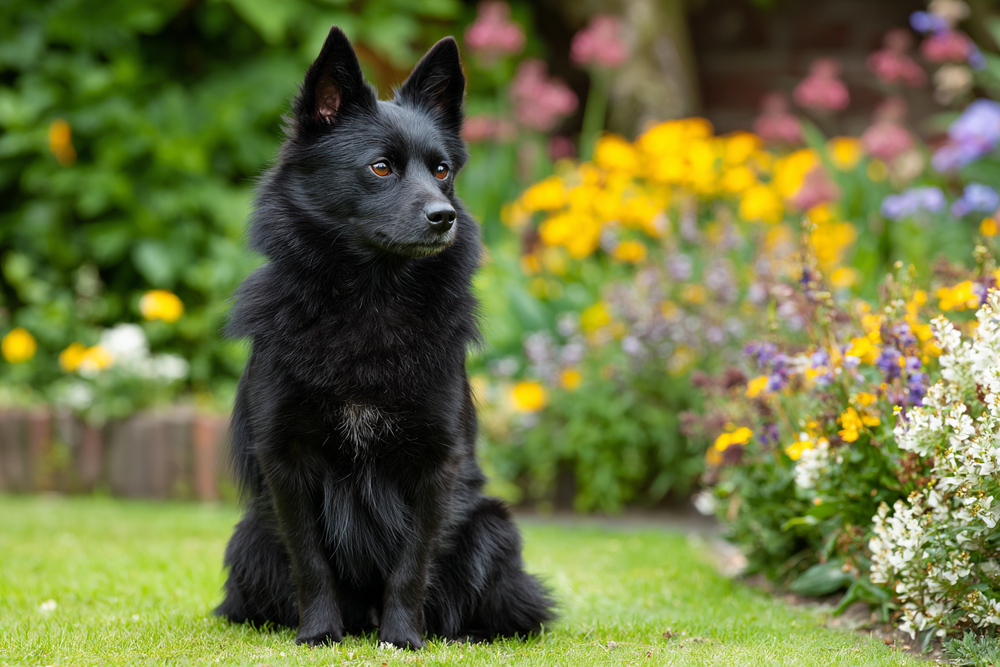
Schipperkes are small dogs with a sturdy build, a thick double coat, and a distinctive silhouette. Many people notice the ruff and slightly “mane-like” outline around the neck and shoulders, which can make them look bigger than they are when they are standing tall and alert.3
They are most commonly black. Other colours exist in some lines, but black is the classic look most people associate with the breed, and it is the colour you will see most consistently referenced in mainstream breed descriptions.3
About the tail
This is where confusion is common. You will hear Schipperkes described as “tailless”, but many are born with tails. Traditionally, very short docking created the familiar tailless outline in some countries and show traditions. Today, tail docking is restricted or illegal in many regions, so you may see Schipperkes with natural tails more often depending on where you live and how the dog was bred and registered.3
Temperament and behaviour
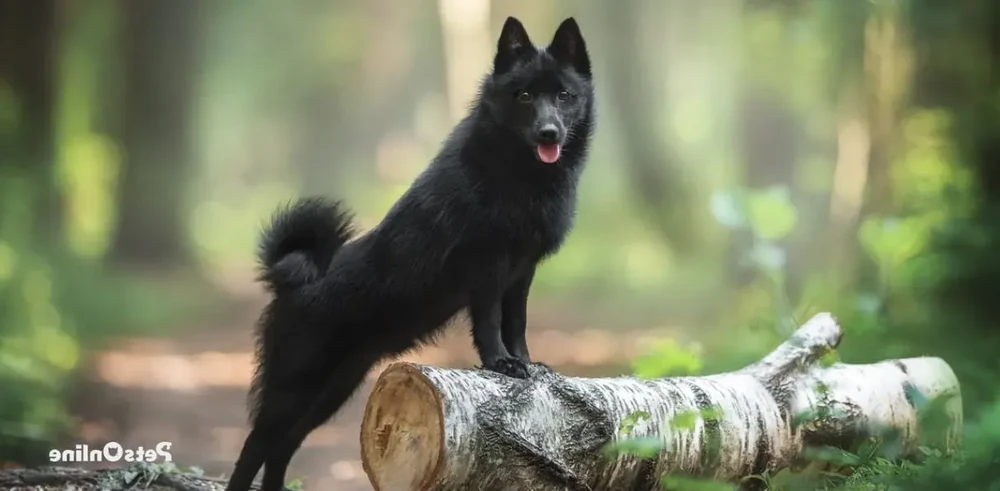
A Schipperke is often described as lively, curious, and intensely alert. In everyday terms, this can look like a dog that is quick to notice movement outside, quick to investigate a sound, and quick to decide that visitors, deliveries, and passing dogs are all events worth commenting on.
That watchfulness can be genuinely useful if you want a small dog that takes home security seriously. It can also be tiring if you were hoping for a quiet housemate. The breed’s tendency to vocalise is less about “naughtiness” and more about a pattern of rapid responding to change in the environment.
Children, visitors, and other animals
Many Schipperkes do well with older children who can read dog signals and respect space. With younger kids, the practical issue is often the dog’s quickness and sensitivity to handling rather than any inherent incompatibility. Supervision and calm, predictable interactions matter.
With other pets, early socialisation helps. A Schipperke’s history as a ratter can show up as interest in chasing smaller animals, so management and training should be realistic rather than hopeful.
Training and exercise that actually works
Schipperkes are smart and they learn quickly, but that does not always translate into automatic compliance. Many owners find they get the best results when training is treated as a daily habit, not a short “puppy phase”.
Positive reinforcement methods suit the breed well, especially when sessions are short, clear, and varied. If training becomes repetitive, some Schipperkes simply disengage and go looking for something more interesting to do.
Meeting their needs without overdoing it
Most Schipperkes need a steady mix of physical exercise and mental work. Daily walks help, but the real difference is often made by enrichment you can repeat, such as scent games, food puzzles, trick training, and structured play in a secure space.
- Short training bursts throughout the day, rather than one long session.
- Games that reward calm behaviour, not only excitement.
- A plan for barking, including teaching a cue for quiet and managing triggers.
Health and lifespan
Schipperkes commonly live into their teens, with many sources citing a typical range of around 12 to 16 years.3
Like all breeds, they can be prone to specific issues. Eye disease is a recurring theme in breed overviews, and thyroid disease is a common condition in dogs more broadly, typically managed with lifelong medication once diagnosed.4, 5
A breed-specific inherited disease to know about
One of the most important breed-linked conditions discussed by Schipperke breed organisations is MPS IIIB (mucopolysaccharidosis type IIIB), a serious inherited disease for which DNA testing is available. If you are buying a puppy, it is reasonable to ask what health testing has been done in the breeding lines and to request documentation where relevant.6
If you are adopting, a veterinarian can help you prioritise practical screening based on age, symptoms, and family history (when known). Even a fit, energetic Schipperke benefits from routine checks because small dogs can hide changes until they are well established.
Grooming and everyday maintenance
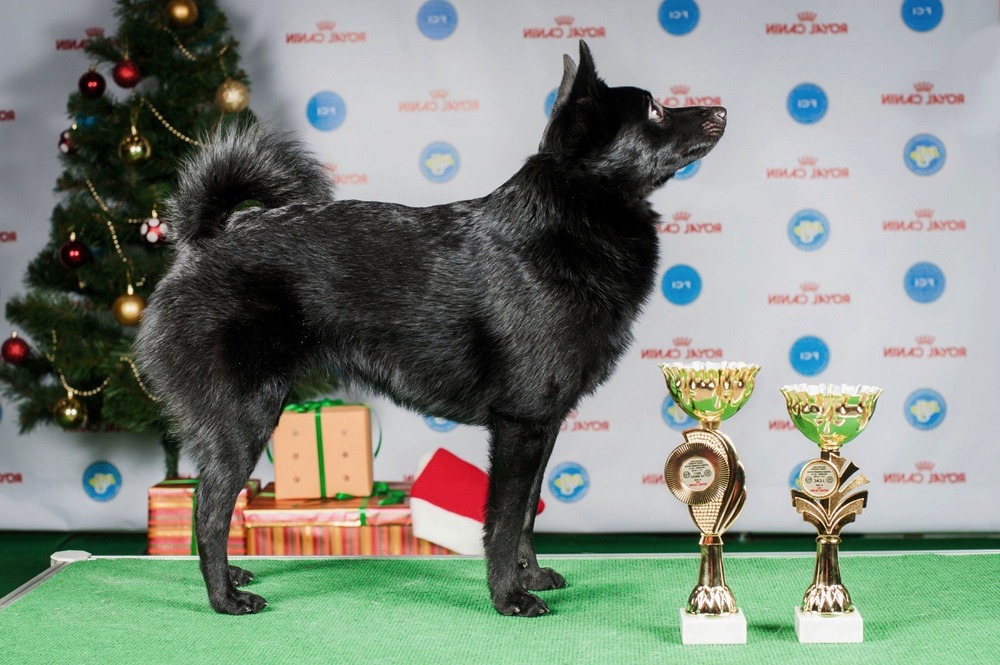
The Schipperke coat is dense and double, which usually means shedding is manageable most of the year and then suddenly very noticeable during seasonal blowouts. A consistent brushing routine is less about aesthetics and more about comfort, skin health, and keeping the undercoat from building up.
For many homes, a thorough brush once or twice a week is a workable baseline, increasing during heavier shedding periods. Baths can be occasional. Over-bathing can dry the coat and skin, particularly if harsh shampoos are used.
Do not forget the small maintenance jobs that prevent bigger problems, including nail trims, ear checks, and dental care. In small breeds, dental disease can creep up quietly, so routine tooth brushing is worth treating as normal care rather than a special extra.
Diet and nutrition
For a dog this size, small changes in food can make a noticeable difference to body condition. The goal is not a perfect number on a chart, but a dog you can lift comfortably, with a visible waist and ribs you can feel under a light covering.
A complete and balanced commercial diet is the simplest option for most households. If you feed a mix of kibble, wet food, and treats, it helps to remember treats count, especially for a dog that trains well with food.
Common household foods to avoid
Some of the most common accidental poisonings come from ordinary kitchen items, not “chemicals”. Chocolate, grapes and raisins, and onions and related allium foods are repeatedly listed as dangerous for dogs. If you suspect your dog has eaten something unsafe, contact a vet promptly.7, 8
Living with a Schipperke: who they suit
A Schipperke often suits someone who enjoys an interactive dog, the sort that likes to be involved, likes to learn, and notices everything. They can work well in smaller homes and even apartments, provided their daily exercise and enrichment are not treated as optional.
They tend to be less suited to households that want a consistently quiet dog, or that have long days without a plan for activity and supervision. The breed’s strengths are real, but so are the practical consequences of an alert, clever dog with energy to spare.
If you are choosing between breeds, it can help to ask yourself one plain question: do you want a dog with a strong opinion about the world outside your front door? With a Schipperke, the answer matters.
References
- American Kennel Club: Schipperke History, “Little Captain” of Belgian Dockyards
- Schipperke Club of America: The Breed (history and purpose)
- Encyclopaedia Britannica: Schipperke (breed overview)
- Merck Veterinary Manual (Pet Owner Version): Disorders of the thyroid gland in dogs
- Merck Veterinary Manual (Professional): Hypothyroidism in animals
- Schipperke Club of America: MPS IIIB information and DNA testing
- Agriculture Victoria: Human foods to avoid for cats and dogs
- RSPCA Australia: Household dangers to your pet (toxic foods overview)