

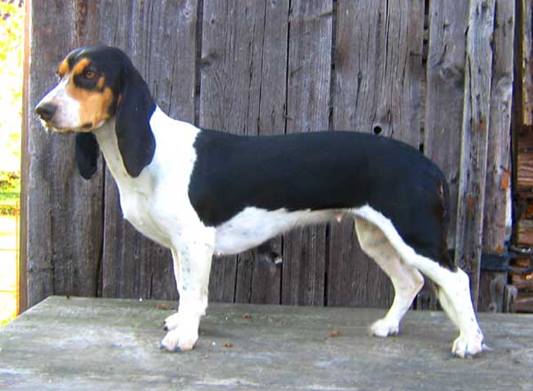
People usually come across the Schweizer Laufhund after noticing a dog that looks a bit like a classic hound, long ears, clean lines, and a nose that seems to switch on the moment it steps outside. Sometimes it is a photo from Switzerland, sometimes it is a conversation with a hunter, and sometimes it is simply the question, “What breed is that?” because it does not look like the more familiar beagles and coonhounds.
It is tempting to think that hounds are “just” scent dogs that follow their noses and ignore the rest of the world. With the Schweizer Laufhund, the picture is a little more interesting. This is a purposeful, medium-sized working hound, bred to hunt independently on difficult ground, which means its best qualities tend to show up when its life includes movement, structure, and something meaningful to do with its senses.
For the right household, that makes them deeply satisfying to live with. For the wrong one, the same traits can become the everyday friction points: wandering attention outdoors, boredom at home, and frustration when their exercise is treated as optional rather than essential.
- Breed group: Scent hound (medium-sized)
- Country of origin: Switzerland
- Height at withers: Males 49 to 59 cm, females 47 to 57 cm1
- Coat: Short, smooth, dense2
- Typical colours: Four recognised varieties with distinct colour patterns (Bernese, Jura, Lucerne, Schwyz)2
- Life expectancy: Often around 10 to 14 years, depending on lines and care3
Where the Schweizer Laufhund comes from
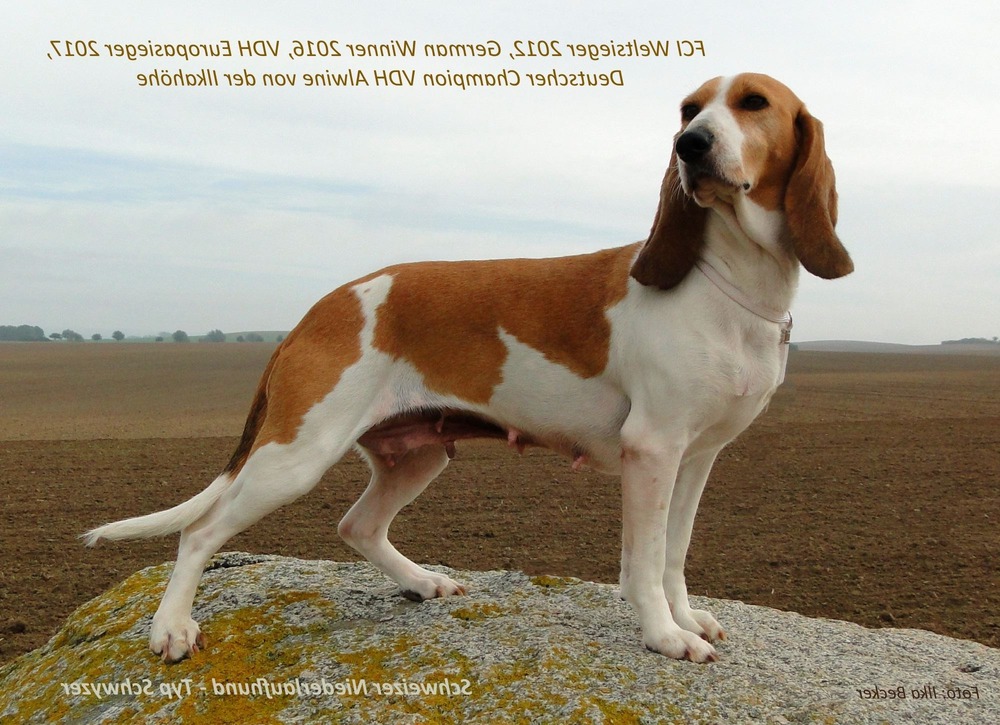
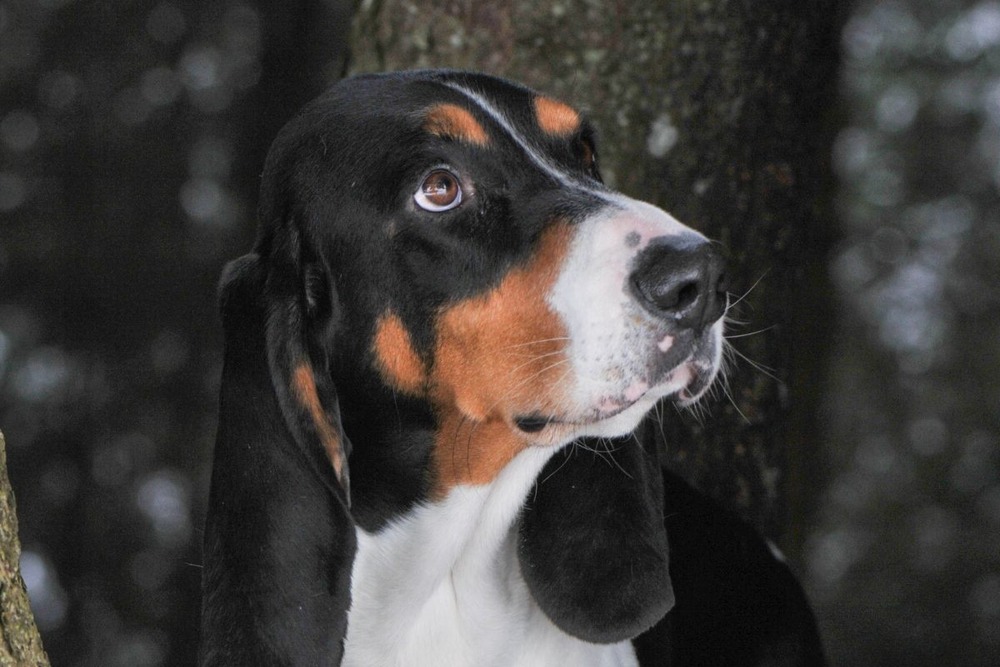
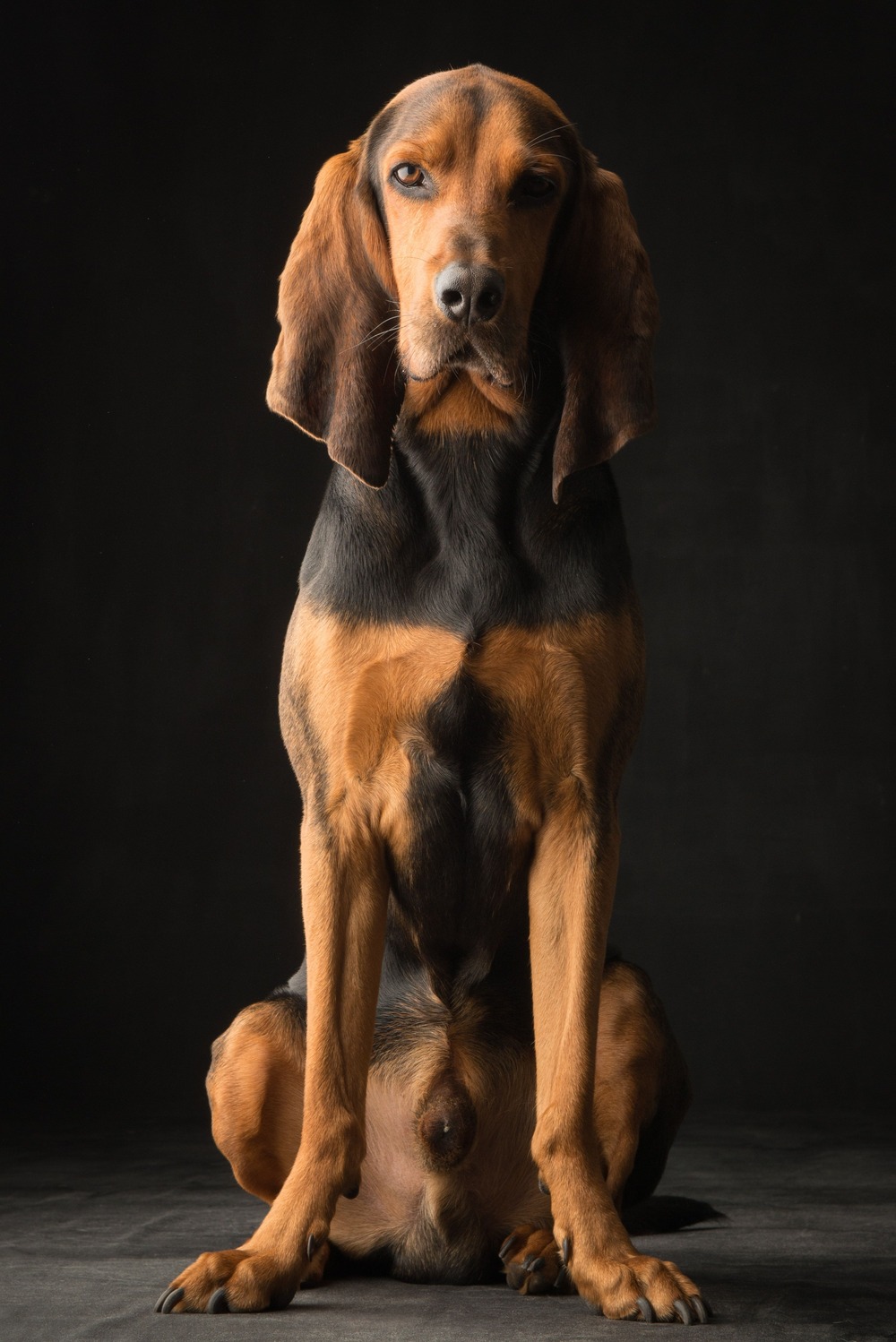
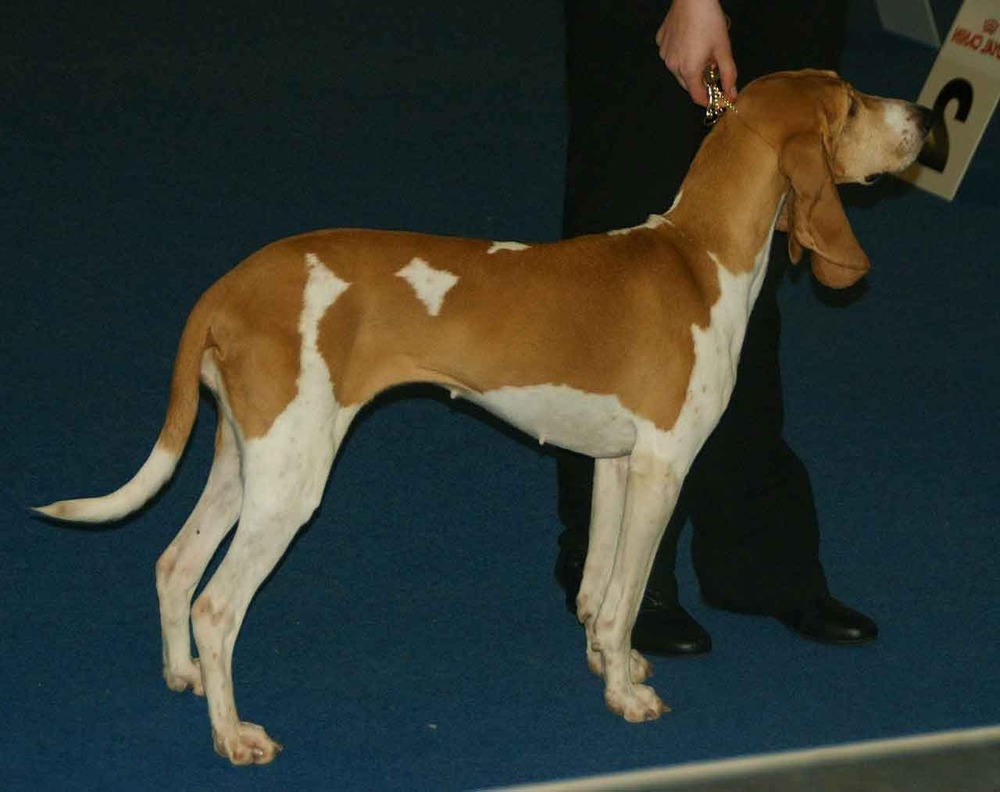
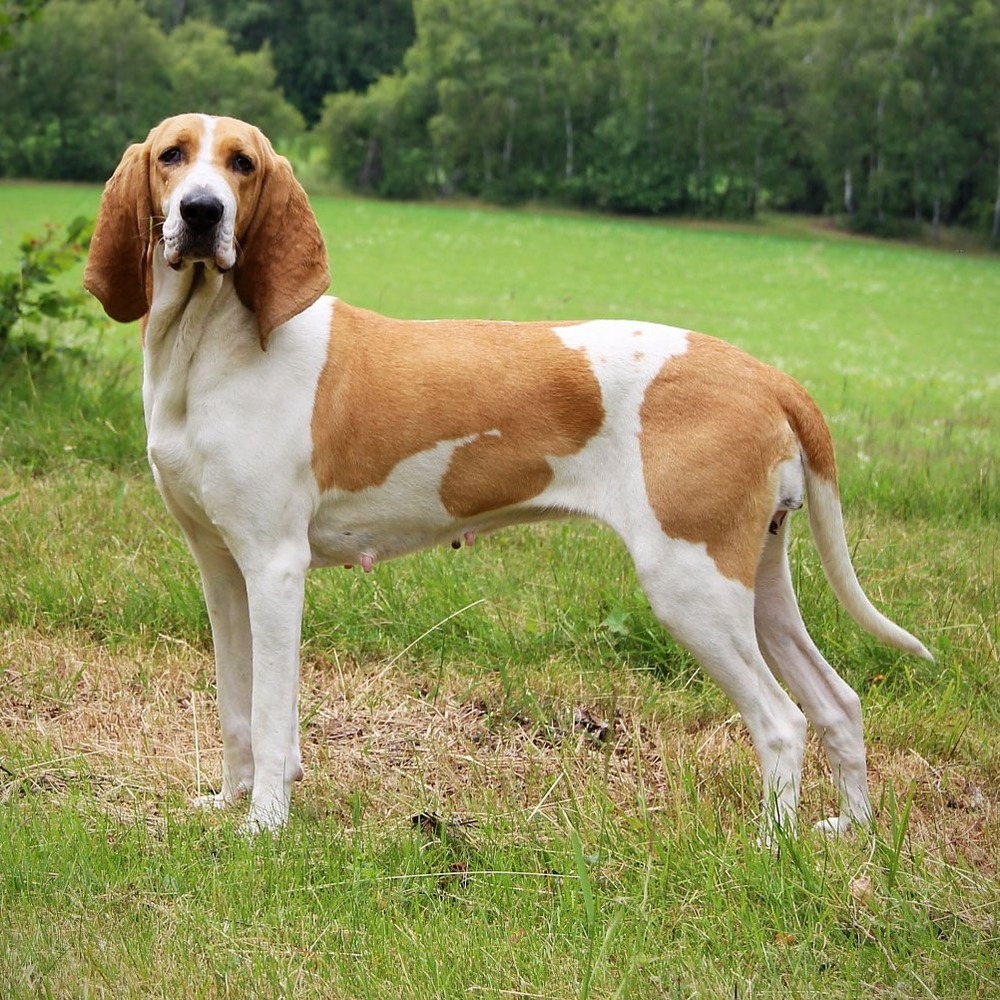
The Schweizer Laufhund (also called the Swiss Hound) is, in practice, a family of closely related hounds rather than one single “look”. In Switzerland, the breed is traditionally described in four varieties, each linked to coat colour and pattern: Bernese Hound, Jura Hound, Lucerne Hound, and Schwyz Hound.2
Historically, these dogs were shaped for hunting on challenging terrain. The modern breed standard describes a dog built for strength and endurance, hunting independently, giving voice on trail, and persisting even on difficult ground.2
If you have ever lived with a scent hound, this background explains a lot of the day-to-day realities. The breed’s “independence” is not stubbornness for its own sake. It is a working style that prioritises information from the environment, especially scent, and that can be both impressive and inconvenient depending on how you manage it.
Appearance and the traits people notice first
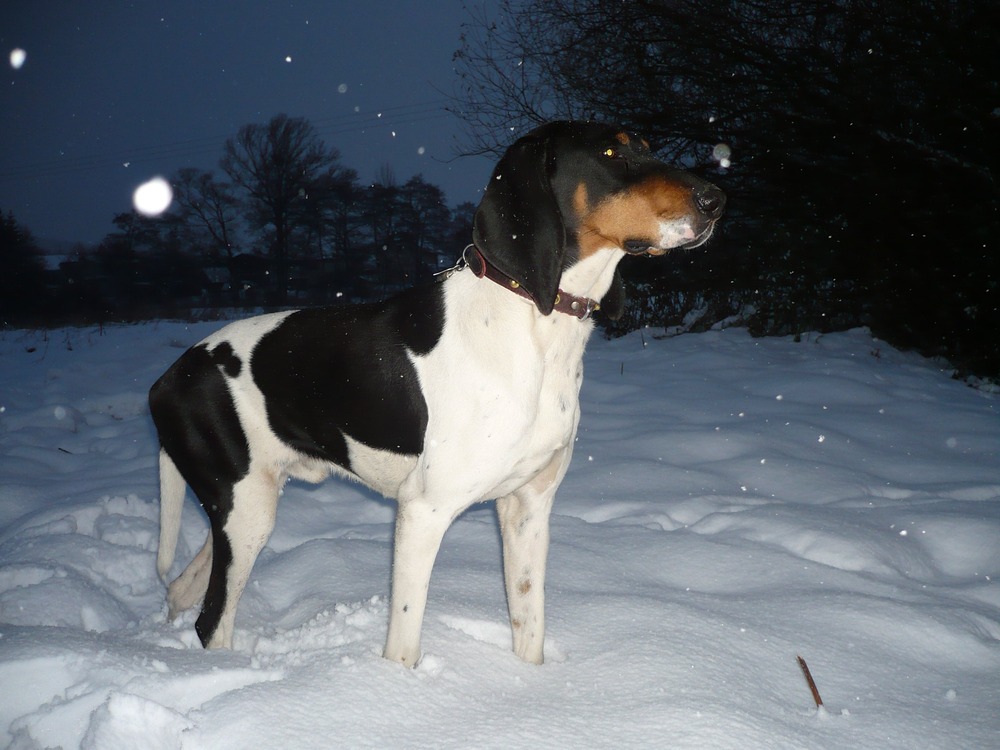
The Schweizer Laufhund is a medium-sized hound with a lean, athletic build and long leathers (ears) that frame the face. The coat is short and dense, which usually makes grooming straightforward, but it also means you will notice seasonal shedding on soft furnishings.2
Size is one of the more reliable bits of information for prospective owners, because the international standard is clear: males 49 to 59 cm and females 47 to 57 cm at the withers, with no tolerance for undersize or oversize.1
The signature trait, though, is the nose. The breed standard explicitly frames the Swiss Hound as a hunting dog used for species such as hare, roe deer, fox, and sometimes boar, working with determination and voice.2 In a pet home, that often shows up as intense interest in scent trails, lingering at “message spots” on walks, and a strong preference for exploring with the nose rather than marching in a straight line.
Temperament, day-to-day behaviour, and suitability
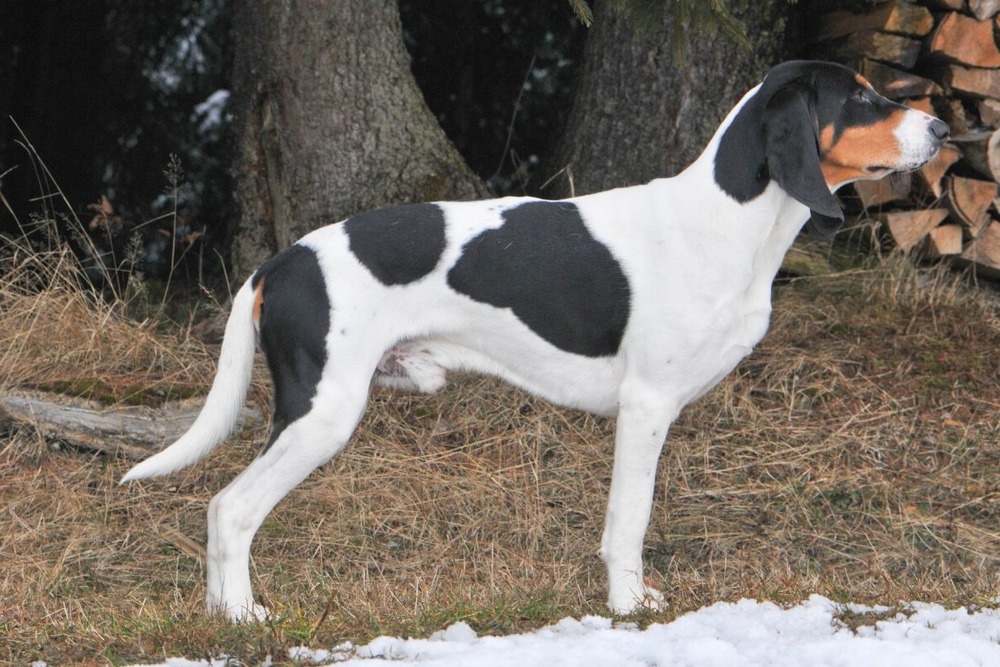
Schweizer Laufhunds tend to do best with people who enjoy the rhythm of an active dog and who do not take “being distracted by scent” personally. In many hounds, connection builds through shared routine and calm consistency, not through drilling commands until the dog gives in.
As with any breed, individuals vary, but it helps to assume a few baseline needs:
- Time outside, every day, not just quick toileting breaks.
- Training that makes room for sniffing and exploration, rather than trying to eliminate it.
- Thoughtful management around wildlife and roaming, because scent hounds can travel surprisingly far when following a trail.
They can suit family life well when their exercise and enrichment needs are met, and when children are coached in respectful handling. They are generally not ideal for people wanting a low-energy dog or a dog that will reliably ignore the world off lead without substantial training and careful proofing.
Training that works with a scent hound brain
With the Schweizer Laufhund, training is less about “winning” and more about building habits that hold up when the outside world is interesting. Positive reinforcement is particularly useful for hounds because it encourages cooperation without creating conflict around recall and handling.
Many owners find it helps to treat sniffing as part of the walk, not a failure of the walk. A practical approach is to alternate between:
- short “together” segments (loose lead walking, check-ins, simple cues)
- planned sniff time (a cue like “go sniff” can be surprisingly effective)
- a calm finish, so the dog learns how to come down after excitement
Because the breed was developed to work independently, it is normal for them to test whether a cue is worth responding to when something else is competing for attention. Consistency matters more than intensity. Short sessions, repeated often, typically land better than long sessions that end in frustration.
Exercise and enrichment that keeps them steady
This is a high-drive, active type of dog. The best outcomes usually come from meeting exercise needs in ways that reflect what the dog was built to do, moving, searching, and using its nose.
If you want one simple rule of thumb, it is this: aim for daily exercise plus a job. The “job” does not need to be hunting. It can be scent games in the yard, scatter feeding, hiding treats, or structured tracking games on a long line.
When their needs are not met, many hounds do not become “naughty” so much as busy. They may pace, vocalise, steal food, dig, or fixate on scents and sounds. These are often coping behaviours, and they usually improve when the dog’s routine becomes more predictable and satisfying.
Health considerations and preventative care
Like many medium-sized athletic breeds, joint health and body condition matter. One of the most practical things you can do for a working-style dog is to keep them lean, because excess weight increases load on joints and can make everyday movement less comfortable over time. Veterinary nutrition guidelines emphasise regular nutritional assessment as part of routine care, including tracking body weight and body condition score.4, 5
Ear health is another common, very manageable theme in floppy-eared breeds. Long ears can reduce airflow and trap moisture, which can contribute to otitis externa in predisposed dogs. If your dog is prone to ear trouble, your vet may recommend an ear examination and, where appropriate, cytology or culture in recurrent or non-responsive cases.6
Do not treat painful ears at home with random cleaners or left-over drops. Ear disease can involve a damaged ear drum, foreign material such as grass seeds, allergy, or resistant infection, and the wrong product can worsen the problem.6, 7
Grooming, coat care, and the bits people forget
The Schweizer Laufhund’s coat is short and uncomplicated. For most dogs, a weekly brush is enough to lift dead hair and keep the skin in good condition. Expect a bit more shedding as seasons change.
Grooming is also where you can quietly do a lot of health monitoring. While brushing, check for:
- new lumps, sore spots, or dandruff
- ticks or grass seeds, especially after long grass or bush walks
- redness or odour around the ears
Nail trims, dental care, and parasite prevention are not glamorous, but they are part of what keeps an active dog comfortable enough to keep moving. If nails are regularly clicking on hard floors, many dogs are already longer than ideal, which can subtly change gait and traction.
Feeding and keeping a healthy weight
There is no single perfect diet for every Schweizer Laufhund, but there are sensible foundations. Choose a complete and balanced diet appropriate for your dog’s life stage and activity, and reassess regularly. Global veterinary guidance recommends making nutrition part of every health visit, using objective measures like body condition scoring and muscle condition scoring to guide adjustments.4
In practical terms, it helps to focus on two habits:
- Measure food for a while, especially if weight is creeping up. It is easy to overfeed an active dog once treats and chews are added.
- Use the dog’s body, not the label, as feedback. You should be able to feel ribs with light pressure, and see a waist from above in a healthy dog.8
If your dog is doing intense exercise, discuss calories and recovery with your vet. Athletic dogs can look lean and still be under-fuelled, and older dogs can look “fine” while quietly losing muscle. Both situations benefit from a proper assessment rather than guesswork.
Closing thoughts on living with a Schweizer Laufhund
The Schweizer Laufhund is not common in many places, which can make it harder to find accurate, grounded information. The international breed standard is a helpful anchor: a medium-sized Swiss scent hound, built for endurance, working with determination, and expected to do its job well.2, 9
In a home setting, that translates to a dog that often thrives on movement, scent work, and calm, consistent handling. If you can offer space, time, and structure, they can be a genuinely rewarding companion, not because they are easy, but because they are purposeful.
References
- FCI. Schweizer Laufhund (Swiss Hound), Breed N°59 (overview page)
- Dogs Global. Swiss Hound (Schweizer Laufhund) FCI Breed Standard summary (FCI-Standard N°59)
- Eukanuba. Swiss Hound (Schweizer Laufhund) breed information
- WSAVA. Global Nutrition Guidelines
- AAHA. 2021 Nutrition and Weight Management Guidelines, Screening Evaluation
- Australian Veterinary Prescribing Guidelines (University of Melbourne). Companion Animal Medical Guidelines, Ear disease (Otitis externa)
- Macarthur Veterinary Group. Otitis (Ear infection) in dogs and cats
- Purina Institute. Defining healthy body condition in pets
- FCI. Schweizer Laufhund (Swiss Hound), Breed N°59 (German page)