

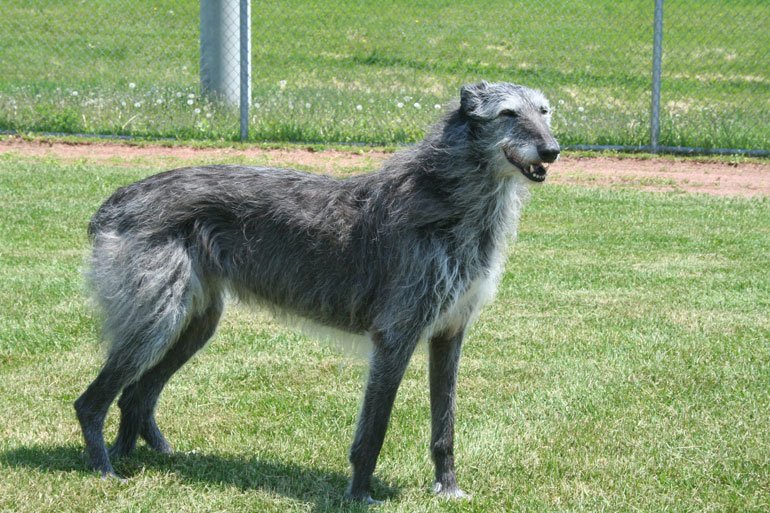
- Breed category: Hound (sighthound)
- Country of origin: Scotland
- Average height: Males about 76 to 81 cm, females about 71 cm (breed standards vary by registry)
- Average weight: Males about 38 to 50 kg, females about 34 to 43 kg
- Average lifespan: Often 8 to 11 years
- Grooming requirements: Moderate, regular brushing
- Exercise requirements: Moderate to high, with regular chances to stretch out safely
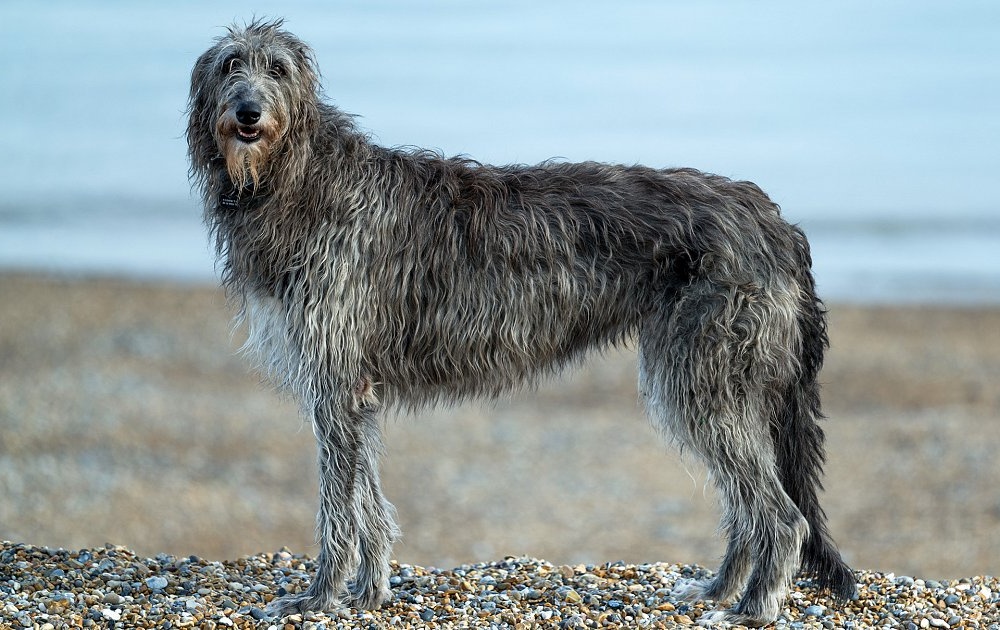
- Coat type: Harsh, wiry, rough coat
- Coat colours: Grey and brindle are common, with fawn and red shades also seen in some standards
- Shedding level: Moderate
- Barking tendency: Usually low
- Best suited for: Calm homes with space, people who enjoy daily walks and occasional secure runs
People often come across Scottish Deerhounds in an unexpected way, a tall, rough-coated dog moving like a shadow across a paddock, or a quiet giant leaning politely into a visitor’s leg. They look imposing, but they do not usually behave like a “big boisterous dog”. That contrast is what makes many owners pause and wonder what life with one is actually like.
It is easy to assume that a Deerhound is basically an oversized Greyhound, or that a dog bred for hunting must be intense and demanding. In practice, they can be surprisingly gentle indoors, then suddenly very athletic when given the chance. Understanding that rhythm helps you meet their needs without turning daily life into a training project.
They are also a breed where the practical details matter, things like safe off-lead spaces, heat management, and knowing the early signs of bloat. With Deerhounds, thoughtful routines tend to matter more than constant “busy” exercise.
The Scottish Deerhound and its background
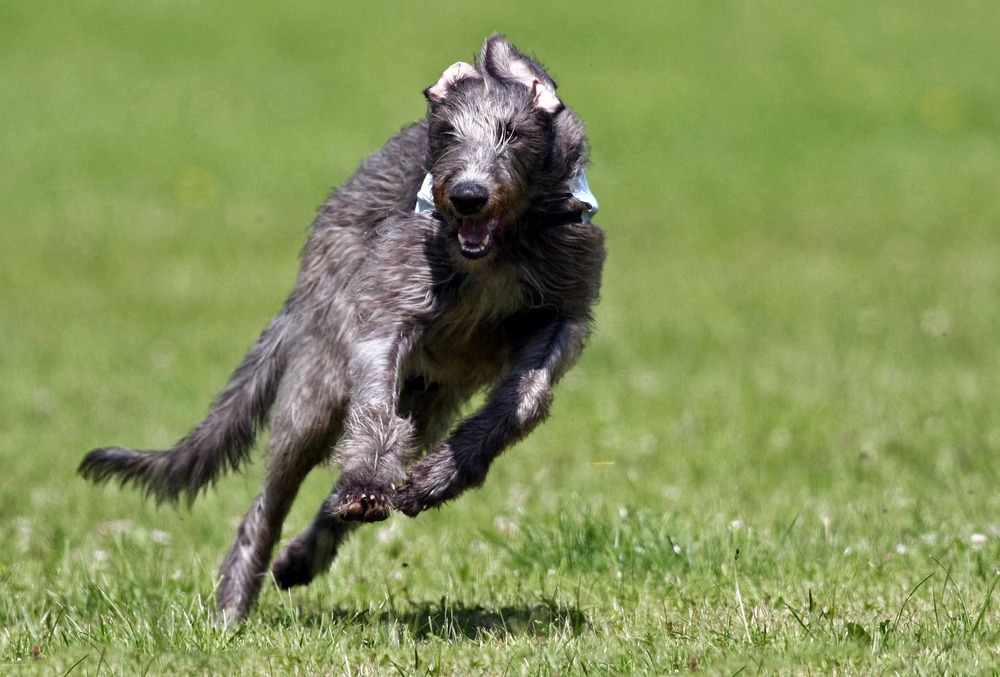
Scottish Deerhounds sit within the sighthound family, dogs built to spot movement and chase it quickly. Historically, rough-coated coursing hounds were used in Scotland for deer coursing, and the modern Deerhound developed along those lines over time.1, 2
Breed histories can get romantic very quickly. It is fair to say Deerhounds have long been associated with Scottish estates and field sports, but the more useful point for today’s owner is this: they are shaped by a purpose that favoured speed, stamina, and quiet focus, not guard-dog suspicion or constant “on duty” alertness.2
What that history looks like in a modern home
Many Deerhounds are calm around the house, then light up when a safe running opportunity appears. That switch can be startling if you are used to dogs who “warm up” gradually. It is also why secure fencing and a plan for recall are not optional extras for many households.
If you share your home with smaller pets, it is wise to think about management early. Sighthounds can have strong chase instincts, and individual variation is real. Early socialisation, sensible boundaries, and supervision in the early months usually matter more than any one rule about the breed.
Temperament and day-to-day behaviour
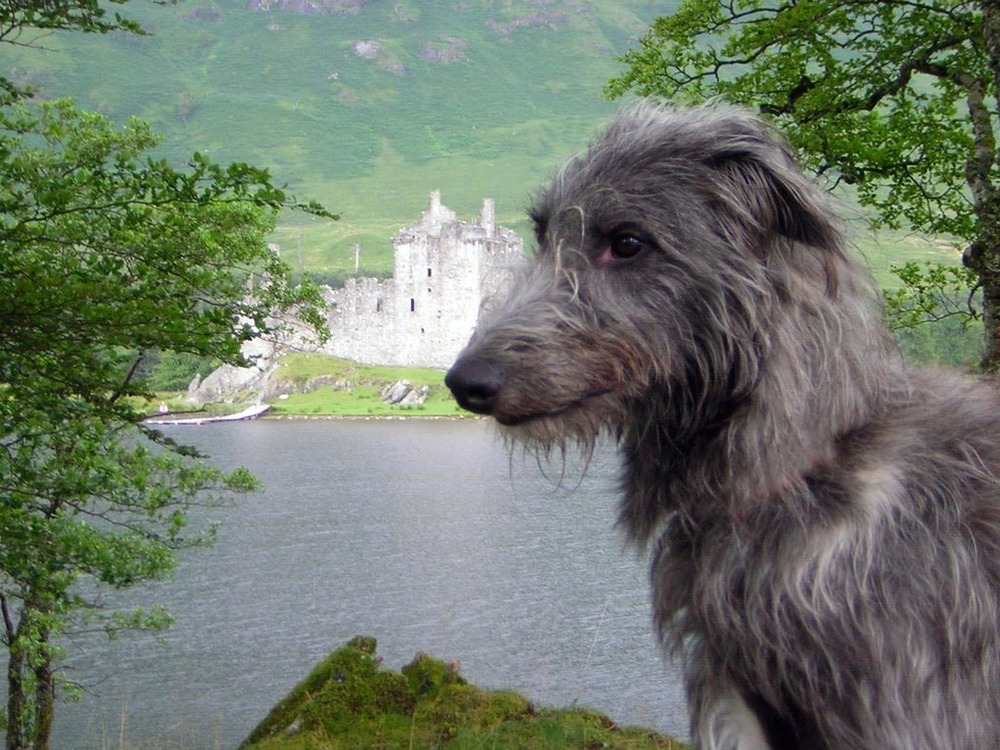
Deerhounds are often described as gentle, dignified, and friendly. In many homes, that shows up as a dog who prefers to be near you rather than on you, and who is content to watch the household rather than patrol it. The trade-off is that they are not always instantly responsive to repetitive drills.
Think in terms of soft confidence rather than “eager to please”. Consistent routines, kind boundaries, and rewards that genuinely matter to the dog often work better than a firm voice or corrections.
Children, visitors, and other dogs
With children, their size is the headline. Many Deerhounds are tolerant and steady, but a tall dog can accidentally bump a toddler simply by turning around. Calm introductions, teaching kids how to approach, and giving the dog a quiet retreat are practical safeguards.
With other dogs, many Deerhounds are social and relaxed, especially when they have grown up with good canine manners. Off-lead dog parks can be hit and miss, partly because sighthound play can look intense, and partly because not every dog handles a sudden chase game politely.
Training and exercise that suits a Deerhound
Training tends to go best when it feels purposeful and brief. Many Deerhounds respond well to reward-based methods, especially when lessons are broken into small pieces and practised in real-life contexts, doorways, greetings, loose-lead walking, settling on a mat.
Exercise is less about marathon jogging and more about a pattern of steady daily movement plus occasional opportunities to run safely. The Kennel Club (UK) notes Deerhounds often need more than two hours of exercise per day, but that can be made up of walks, sniff time, and free running in a secure area, depending on the individual dog and life stage.2
A practical weekly rhythm
- Daily: one or two walks with time to sniff and decompress.
- Several times a week: a secure, fenced run where the dog can stretch out.
- Ongoing: short training sessions that support safety (recall foundations, emergency stop, polite greetings).
Heat is worth taking seriously. Deerhounds are large, can be sensitive to hot weather, and their enthusiasm to run can outpace their ability to cool themselves. In warm conditions, aim for early walks, shade breaks, and plenty of water.
Health considerations to know early
Scottish Deerhounds are not fragile dogs, but they are a large, deep-chested breed, and that shape comes with a higher need for owner awareness around bloat (GDV), which can be life-threatening and fast-moving.3, 4
Bloat (GDV): what owners should watch for
GDV is an emergency. Signs can include a swollen abdomen, unproductive retching, drooling, restlessness, and sudden collapse. If you see these, treat it as urgent and seek veterinary help immediately.3
Reducing risk in everyday routines
No prevention plan is perfect, but veterinary guidance commonly includes feeding multiple smaller meals, slowing down fast eaters, and avoiding vigorous exercise right before and after meals. Some sources also advise avoiding raised food bowls for dogs at risk, and discussing preventative gastropexy with your vet in appropriate cases.4
Heart disease is also discussed in breed circles, and some surveys in UK populations have reported cardiac-related causes of death as relatively common. This does not mean every Deerhound is destined for heart trouble, but it does support being consistent with vet checks and asking your veterinarian what screening makes sense for your dog’s age and family history.1
Grooming, coat care, and comfort
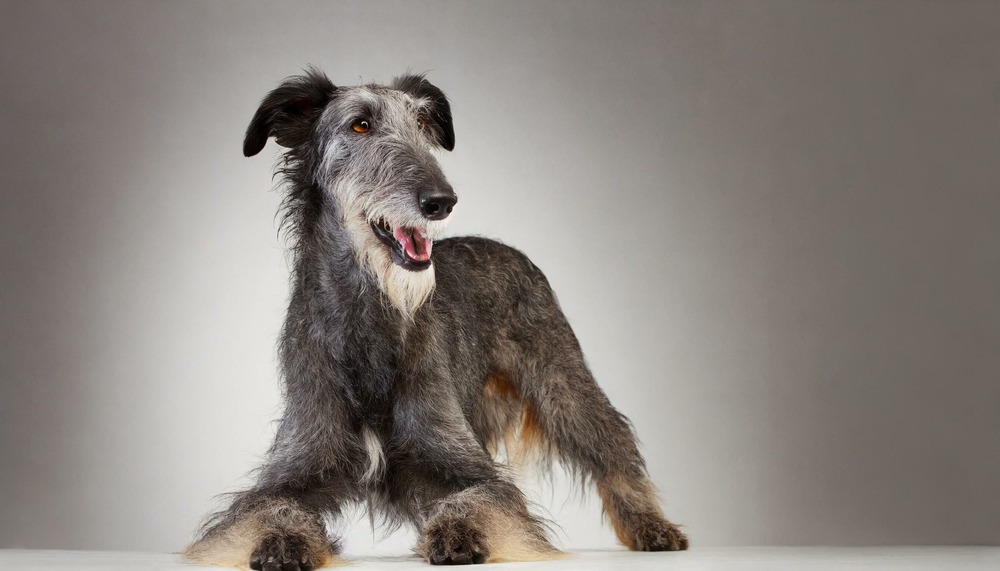
The Deerhound coat is rough and protective rather than silky. A thorough brush once or twice a week usually keeps it tidy, helps you spot burrs, and reduces hair around the house. The coat is meant to look a little “lived in”, so chasing a perfectly smooth finish can be a frustrating goal.
Pay attention to the basics that large dogs quietly need: nails kept short enough for good foot posture, ears checked for debris, and a soft place to rest. Many Deerhounds will choose a firm, cool surface when they are warm, so offering both cushioned bedding and cooler options can help them self-manage comfort.
Food, feeding, and common household hazards
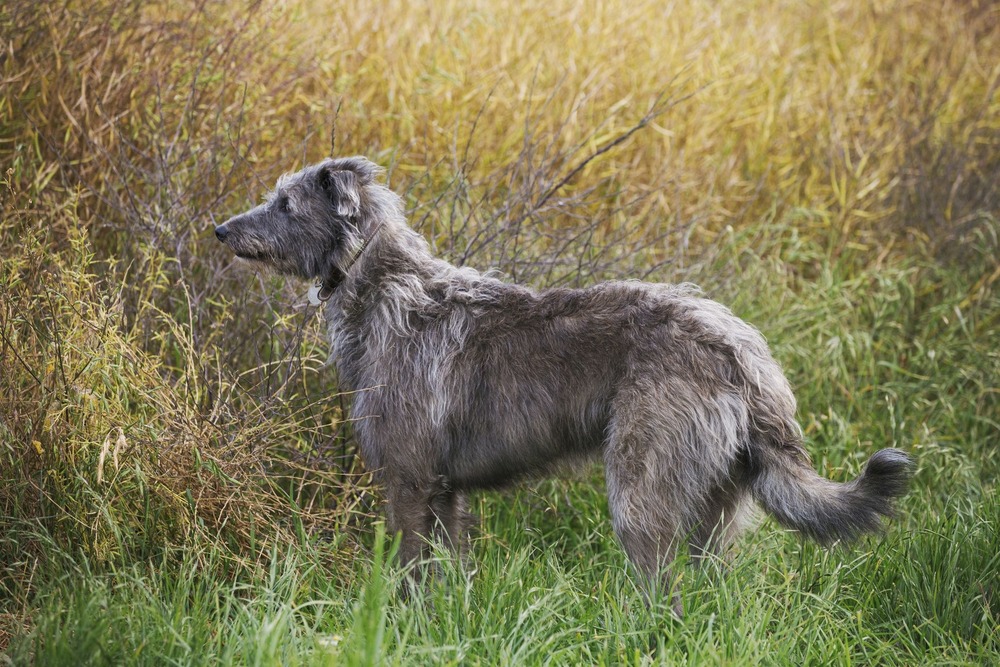
Deerhounds do best on a diet that supports lean muscle and steady growth, especially in adolescence. Your vet can help you choose an appropriate large-breed diet and adjust amounts as activity levels change.
From a safety point of view, it helps to keep a short mental list of foods that are not “a little treat”, they are a genuine risk. Australian guidance commonly lists items like chocolate, grapes and raisins, and alliums (onion, garlic, chives) among foods that can be toxic to dogs.5, 6
If your Deerhound is a fast eater, consider a slow feeder or puzzle-style bowl. It is not about making meals complicated, it is about supporting calm, steady eating, which can be useful for deep-chested dogs.
Is a Scottish Deerhound a good match for you?
A Deerhound can be a deeply satisfying companion for the right household: people who enjoy long, unhurried walks, have space, and appreciate a dog who is often quiet at home. They are less suited to homes that rely on constant off-lead freedom in unfenced areas, or where the day is too cramped for a large dog to move comfortably.
If you are considering the breed, spend time with adult Deerhounds, not just puppies. Their adult size, their calm indoor nature, and their sudden athletic bursts are easier to understand when you see them in real life. Reputable breed clubs and experienced sighthound rescues can also help you think through your home setup and expectations.
References
- Scottish Deerhound (overview and health notes)
- The Kennel Club (UK): Deerhound breed information
- Merck Veterinary Manual: Gastric dilation and volvulus (GDV) in dogs
- American Animal Hospital Association (AAHA): Understanding canine bloat (GDV)
- Agriculture Victoria: Human foods to avoid for cats and dogs
- RSPCA Australia: Household dangers to your pet
- United Kennel Club (UKC): Scottish Deerhound breed standard (coat, colour, size)
- RSPCA Pet Insurance Australia: Foods to avoid feeding your dog