

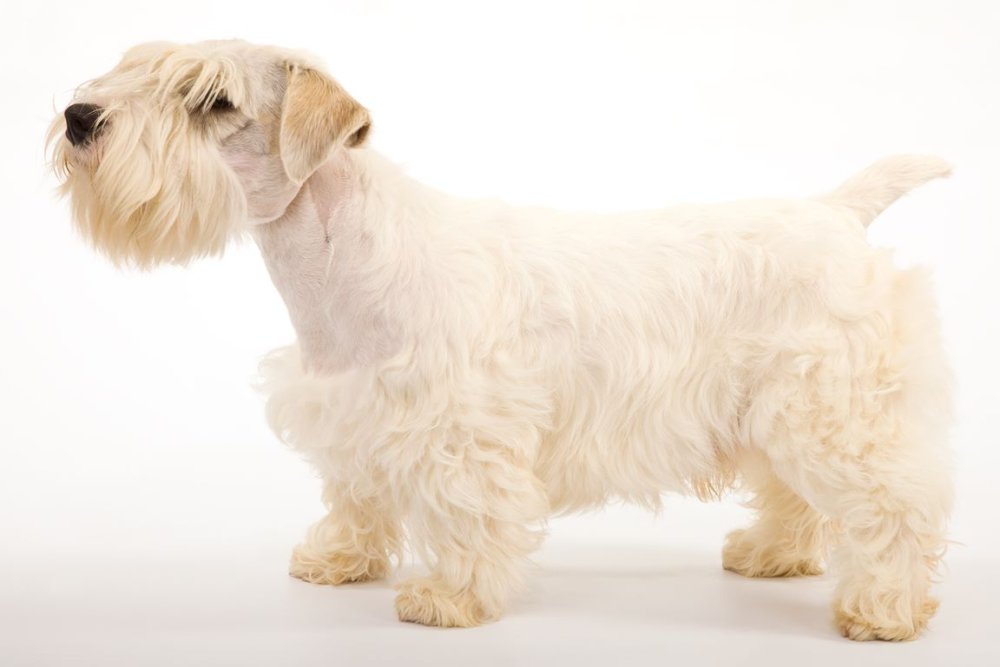
You might come across a Sealyham Terrier on a walk and do a double take. The neat beard, the bright white coat, the sturdy little body, it looks like a dog built for company, but also for work. People often assume small terriers are either busy and yappy, or delicate and purely decorative. Sealyhams do not sit neatly in either box.
They were shaped for a specific kind of job, going to ground after quarry, and they still carry some of that terrier directness. In day to day life, that can show up as confidence, a strong interest in smells and movement, and a dog who likes to have an opinion. With the right routines, it can also translate into a calm, funny companion who fits well in many homes.
If you are thinking about living with one, or you have already met one and are wondering what makes them tick, it helps to look past the haircut and into what they were bred to do, and what they need from people now.
- Breed category: Terrier
- Origin: Wales, United Kingdom
- Typical height: up to 31 cm at the shoulder (breed standard)
- Typical weight: around 9 kg (dogs), 8 kg (bitches), breed standard ideal
- Typical lifespan: often over 10 years
- Exercise needs: moderate, often up to 1 hour per day
- Coat: long, hard and wiry topcoat with undercoat
- Colour: white, sometimes with lemon, brown, blue, or badger markings on head and ears
- Temperament (general guide): alert, fearless, friendly disposition
Figures vary between individuals and lines. If you are choosing a puppy, ask the breeder what they see in their adults, and what they are aiming to produce.1, 2
Where the Sealyham Terrier came from

The Sealyham Terrier was developed in Pembrokeshire, Wales, and is closely linked with Captain John Owen Edwardes of Sealyham Manor. The goal was a small, tough terrier that could work alongside hounds, then go to ground after animals such as otter and badger.1
That working history matters because it explains a lot of what people still notice today. Sealyhams tend to be compact but surprisingly solid, and many are keen to investigate tight spaces, follow scent trails, and persist with tasks that interest them.
The breed club was formed in 1908, and the breed was recognised by The Kennel Club in 1911.1
Appearance, coat, and those distinctive eyebrows
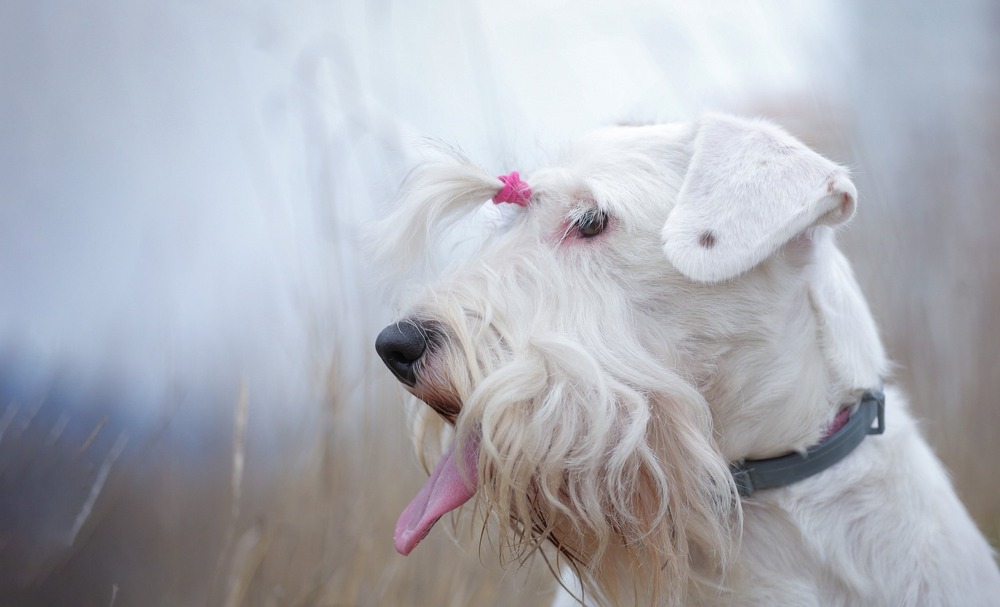
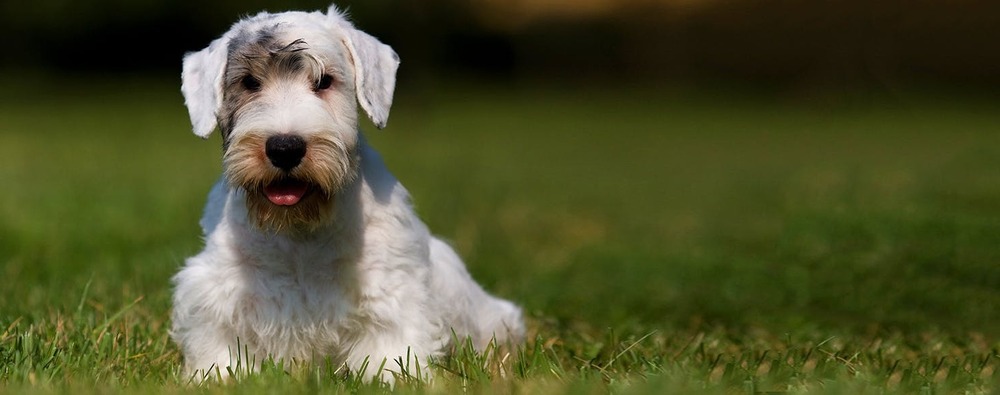
A Sealyham Terrier is often described as a lot of dog in a small package. The outline is oblong rather than square, and the breed standard emphasises substance without clumsiness, plus brisk, vigorous movement.2
The coat is a big part of the look. It is a double coat with a hard, wiry topcoat and a weather resistant undercoat, which is one reason the breed could work in rough conditions. It also means grooming is not optional if you want the coat to stay comfortable and functional.2
Colour is typically all white, or white with limited markings on the head and ears. Heavy ticking on the body is considered undesirable in the UK standard, and other colour combinations are not accepted under that standard.2
Temperament in everyday life
In the breed standards, Sealyhams are described in practical terms: alert and fearless, while still of friendly disposition.2 In a home, that often looks like a dog who notices changes quickly, takes an interest in what is happening around the house, and may be ready to speak up when something seems different.
They are terriers, so independence is part of the package. That does not mean they cannot be close companions. It usually means they do best with clear routines, gentle boundaries, and training that makes sense to them. Repetition for its own sake tends to bore terriers. Short, well timed sessions and a bit of humour go a long way.
If you live with children or other pets, the individual dog matters more than the breed label. Early social experiences, sensible supervision, and teaching kids how to interact calmly with dogs are the make or break factors. A Sealyham that is well socialised and not overwhelmed can fit nicely into family life.
Training and exercise: enough to satisfy a terrier, not exhaust the household
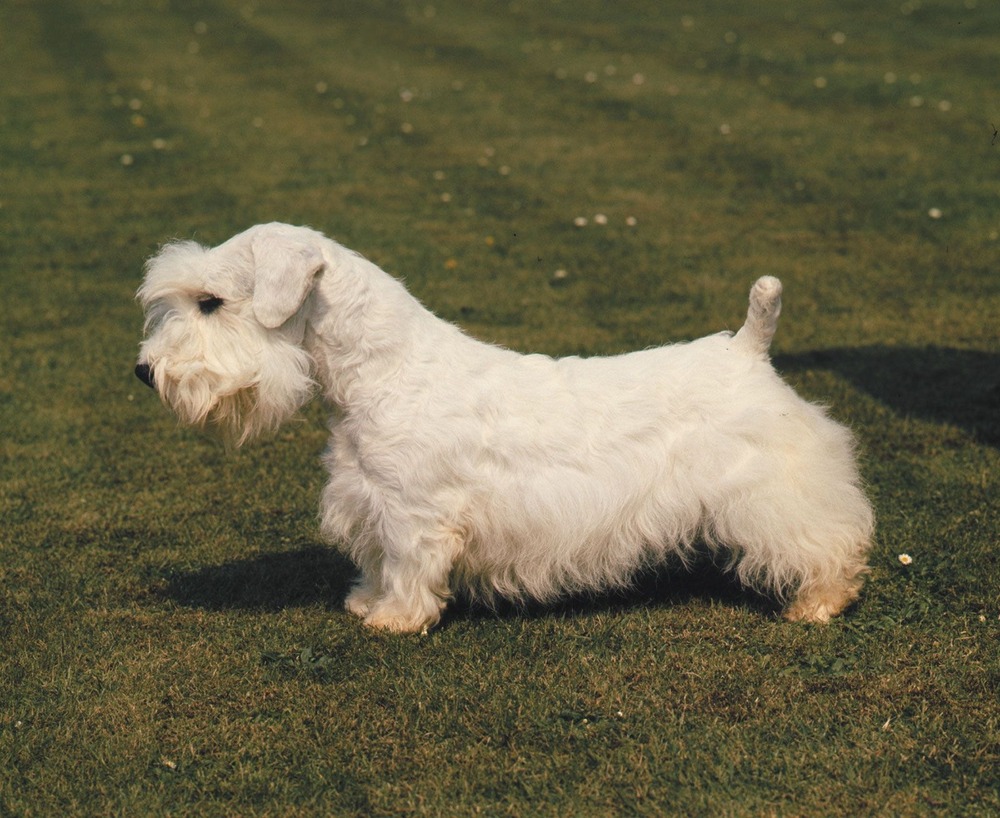
Many Sealyhams are happiest with a steady daily pattern: a walk, a sniffy potter, a bit of play, and something to do with their brains. The Kennel Club guidance commonly suggests up to around an hour of exercise per day for the breed.1
What helps most is not intensity, but variety and follow-through. A terrier that learns the rules are consistent tends to settle more easily. Practical options include:
- short training games (sit, wait, mat work, recall practice in safe areas)
- food puzzles or scatter feeding in the grass
- lead walking with time allowed for sniffing, not just marching
- safe digging outlets (a sandpit or a designated patch), if your dog enjoys it
If barking is an issue, it is worth looking for the pattern behind it. Alert barking can be self reinforcing, but it is often helped by management, rewarding quiet behaviour, and giving the dog a predictable alternative such as going to a mat when the doorbell goes.
Health considerations to discuss with breeders and your vet
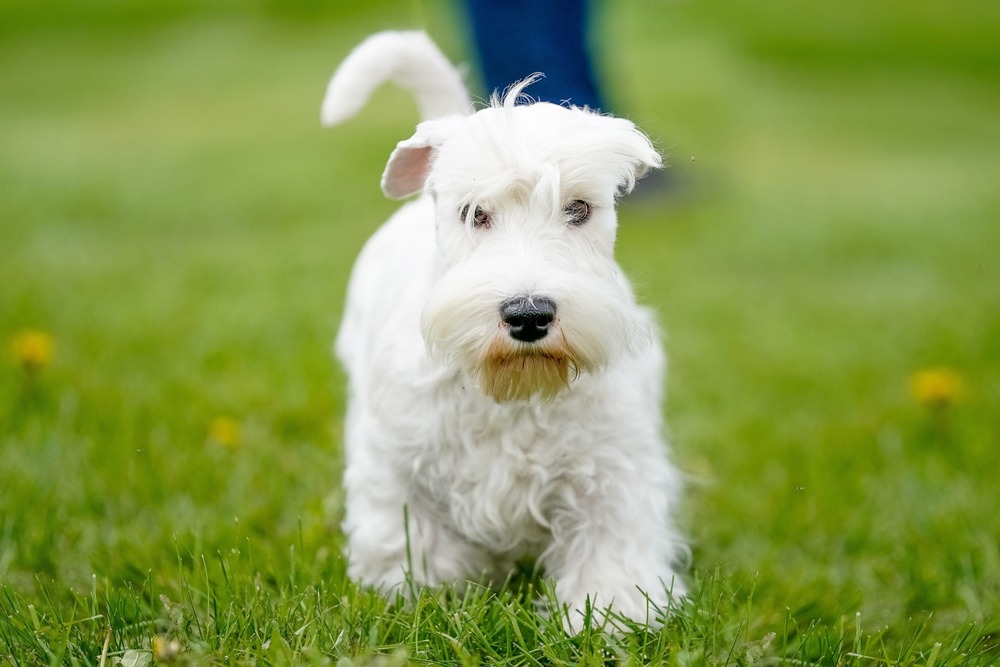
No breed is free of health concerns, and terriers have their own set of watch points. For Sealyhams, eye health is a recurring theme in breed guidance, and The Kennel Club lists both the DNA test for primary lens luxation (PLL) and the BVA/KC/ISDS eye screening scheme among the breed related recommendations.6
PLL is an inherited eye disorder where the lens can move out of its normal position. It is considered painful, and can lead to serious complications such as glaucoma and blindness if untreated. Signs like a suddenly red, watery, or squinty eye need prompt veterinary attention, whether the cause is PLL or something else.7
Eye screening can also help identify inherited and non inherited eye disease. In the UK scheme, adult dogs used for breeding are generally recommended to have an eye exam within 12 months before mating, with other timing advice depending on age and context.5
When you are choosing a breeder, it is reasonable to ask what tests they do, what results they have, and how they use those results in mating decisions. A good conversation here often tells you as much about the breeder as it does about the dogs.
Grooming, coat work, and what people mean by “low shedding”
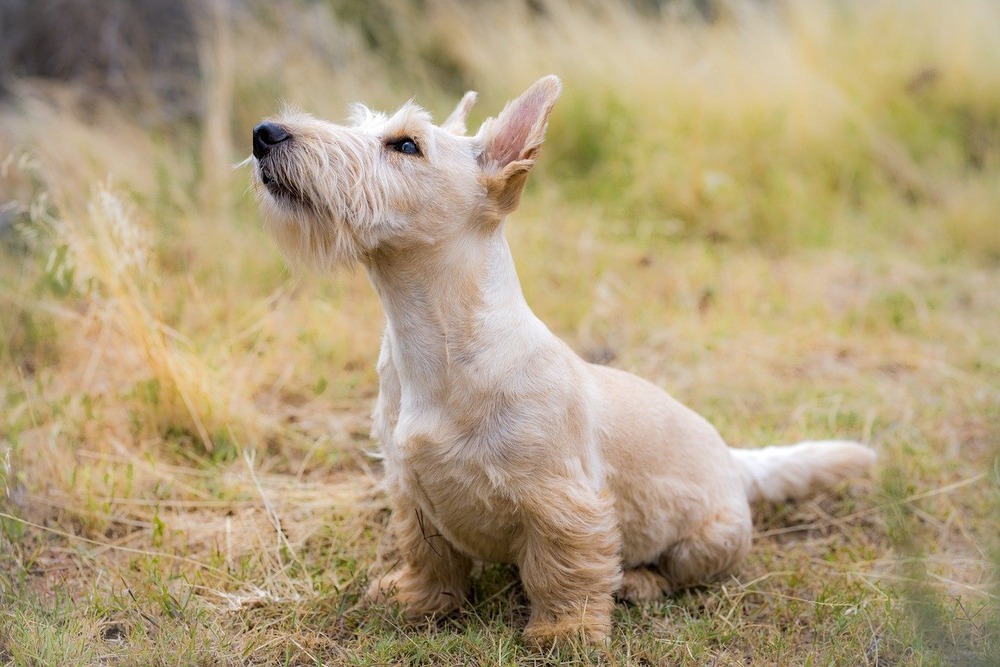
Sealyhams are often described as non shedding or low shedding. In practice, many owners find there is less loose hair around the house, but there is still plenty of coat maintenance. The wiry topcoat can mat if it is left, especially around the legs, armpits, and beard.
The Kennel Club guidance commonly suggests daily grooming for the breed.1 That does not have to mean a full salon session each night, but it does mean regular brushing and combing, plus routine checks of:
- ears (for wax, smell, redness)
- eyes (discharge, squinting)
- paws (grass seeds, irritation between toes)
- skin under the beard (food build-up can cause irritation)
Some owners choose hand stripping to maintain coat texture, while others clip. It is worth talking with a groomer who understands wire coats, then choosing what is realistic for your household and comfortable for the dog.
Feeding and keeping weight steady
Sealyhams are sturdy, and on a small frame that can make weight creep easy to miss until it starts affecting fitness and joints. A complete and balanced diet that suits the dog’s life stage and activity is the foundation.
If you use treats in training, it helps to keep a simple rule in mind: treats and extras should make up no more than 10 percent of a dog’s daily calorie intake, with the rest coming from balanced food.8
For many dogs, you can swap part of their daily kibble allowance into your treat pouch, or use lower calorie options your dog enjoys. If you are unsure about portions, your vet can help you assess body condition and adjust feeding without guesswork.
Tail docking, natural tails, and what you might see in Australia
Older descriptions of Sealyhams sometimes say the tail is “typically docked”. Historically, docking was common in some working and show lines. In Australia, cosmetic tail docking has been banned since 2004, and a vet must not dock a dog’s tail unless it is for therapeutic reasons or in the dog’s best interests.9
So if you see a Sealyham with a short tail in Australia, there are a few possibilities. The dog may have had a medically necessary tail amputation, the dog may have been imported from a place where docking is legal, or the dog may come from older lines and circumstances that pre date current expectations. If you are buying a puppy in Australia, it is reasonable to expect a natural tail.10
References
- The Kennel Club: Sealyham Terrier (Breeds A to Z)
- The Kennel Club: Sealyham Terrier breed standard (updated 1 April 2025)
- United Kennel Club: Sealyham Terrier breed standard
- American Kennel Club: Breed weight chart (includes Sealyham Terrier)
- The Royal Kennel Club: BVA/KC/ISDS Eye Screening Scheme
- The Kennel Club: Health Standard (includes Sealyham Terrier recommended tests)
- UC Davis Veterinary Genetics Laboratory: Primary Lens Luxation (PLL)
- UC Davis School of Veterinary Medicine: Treat guidelines for dogs (10 percent rule)
- RSPCA Australia Knowledgebase: Is the tail docking of dogs legal in Australia?
- RSPCA Australia Knowledgebase: Why do some dogs still have docked tails?