

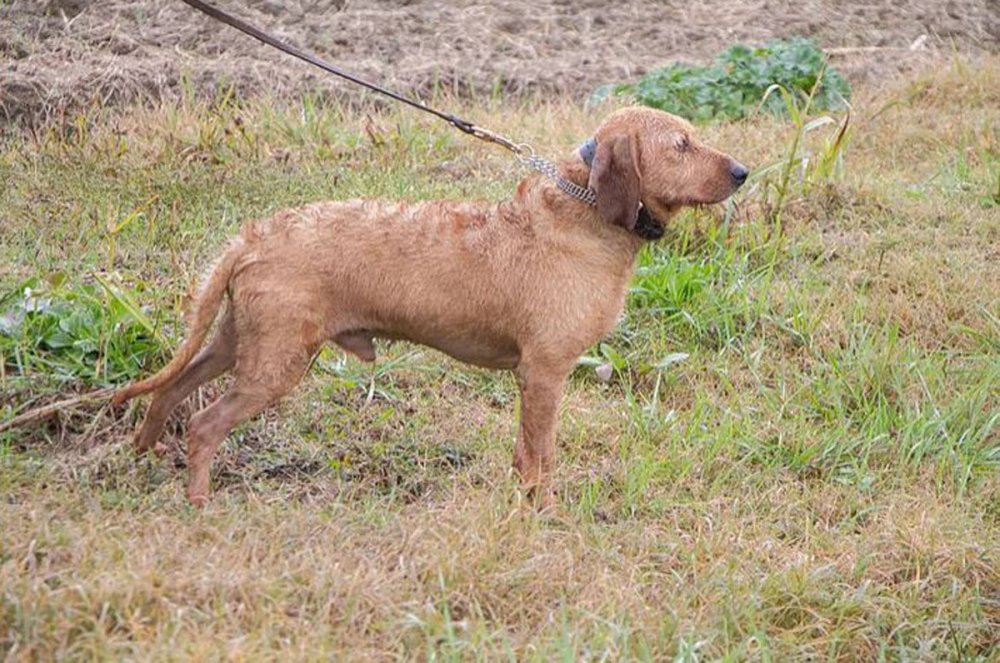
You might come across the Segugio dell’Appennino after spotting a photo of a lean, long-eared Italian hound, or after hearing someone describe a rabbit dog that can work all day and still look light on its feet. It is not a common breed outside Italy, so the first impression is often curiosity mixed with uncertainty: is it more like a beagle, a whippet, or something else entirely?
What tends to surprise people is that this is not a “rare novelty” so much as a dog shaped by a very specific job. In the Apennines, hounds needed to hunt with their noses, keep going over rough country, and stay connected to their handler without constant direction. Those priorities still show up today in the way the breed moves, thinks, and copes with everyday life.
If you are considering one, or you have already met one, it helps to start from a practical place: what the dog was bred to do, what it finds rewarding, and what it struggles with when the environment is too small, too quiet, or too repetitive.
Quick profile at a glance
Breed type: Italian scenthound, traditionally used for hare hunting and other game. 1, 2
- Size: males 44 to 50 cm at the withers, females 42 to 48 cm. 1, 2
- Weight: commonly listed around 10 to 18 kg in the ENCI standard. 2
- Coat: smooth-haired or wire-haired varieties are recognised in the breed standard. 2
- Exercise needs: typically high, especially if you want a settled dog indoors. 3
Origins, purpose, and what that means day to day
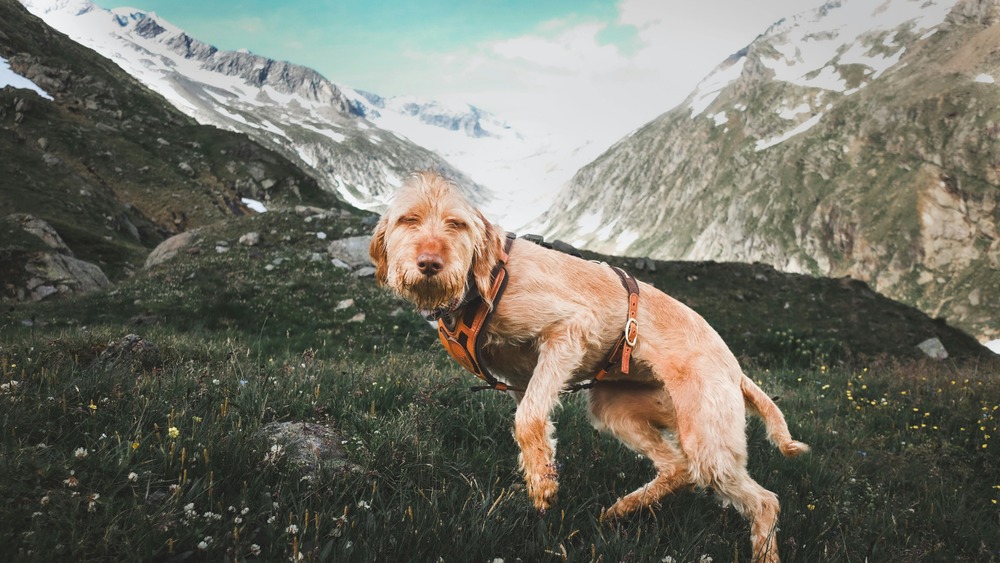
The Segugio dell’Appennino developed in Italy as a working hound, valued for its ability to follow scent over demanding terrain and maintain the steady, purposeful rhythm that hunting requires. In modern terms, that translates to a dog that often feels most “switched on” when there is a trail to follow, a space to cover, and a clear pattern to the day. 1, 2
It also explains a common mismatch: people fall for the elegant outline and assume an easy house dog. Many hounds can be calm at home, but only after their needs are met. With this breed, sniffing and moving are not optional extras. They are part of how the dog regulates itself.
Historically, the breed has been described and recorded in Italian hunting contexts for well over a century, and the ENCI standard reflects that working background. 1, 2
Temperament, behaviour, and suitability

In the home, many Segugi dell’Appennino are socially oriented and can be deeply attached to their people, while still keeping the independent problem-solving streak that comes with scent work. Think of it as a dog that can enjoy company, but does not always thrive on being micromanaged.
If you are choosing this breed for family life, the best indicator is not whether it is labelled “good with kids” online. It is whether the household can offer predictable exercise, patient training, and enough space to avoid constant frustration. As with any breed, supervision with children and thoughtful introductions matter, especially around fast movement, squeals, and toys that can trigger chase behaviour.
With other pets, early socialisation helps, but it is also sensible to assume there may be a strong tracking and chase instinct. Management is not a failure. It is simply good animal care for a dog designed to follow moving scent.
Training that works for a nose-led dog
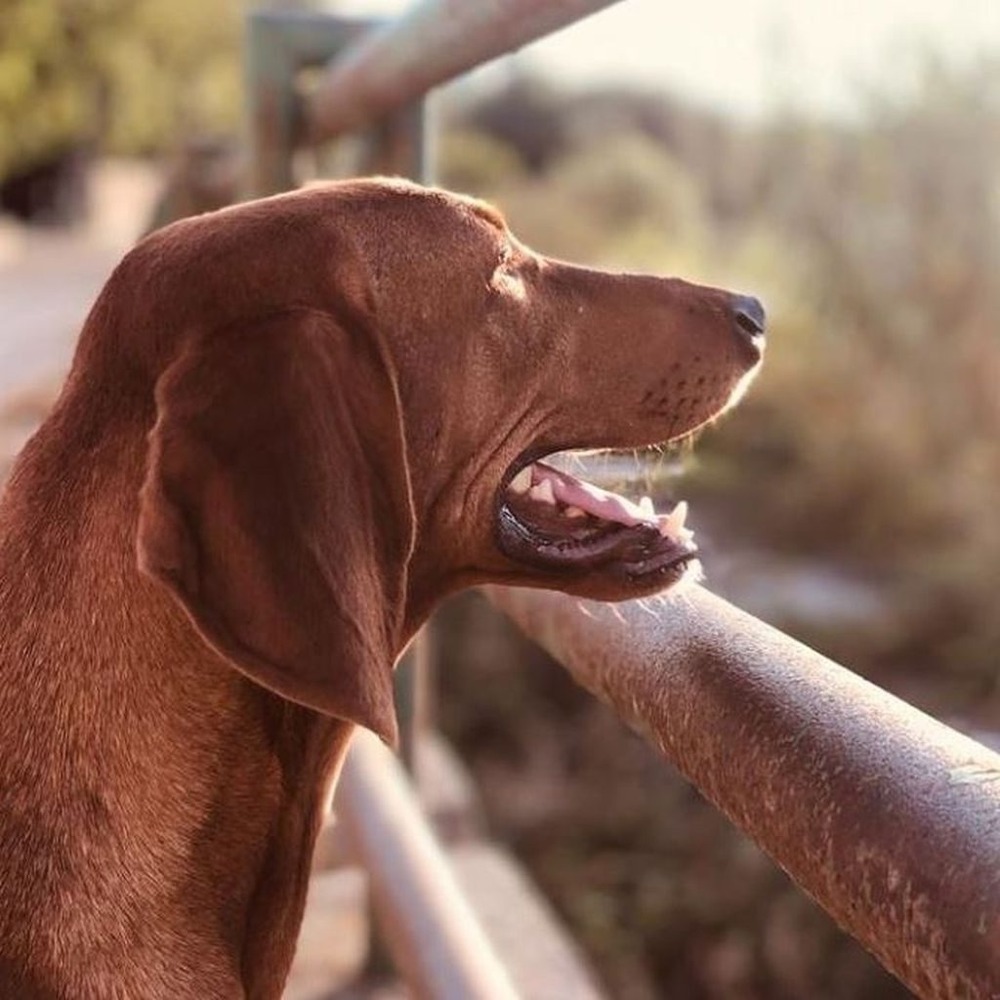
Sighthounds often respond to what they see. Many scenthounds respond first to what they smell. That difference matters when you are teaching recall, loose-lead walking, or calm behaviour around distractions.
Reward-based training, especially positive reinforcement, is widely recommended by Australian animal welfare and veterinary-aligned guidance because it is effective and avoids the risks that can come with aversive tools and punishment. 5, 6
For a Segugio dell’Appennino, practical training often looks like this:
- Short sessions, high frequency: keep it easy to win, then build duration.
- Use sniffing as a reward: ask for a simple behaviour, then release to “go sniff”.
- Train recall as a layered skill: start indoors, then fenced areas, then low-distraction outdoor spaces.
- Plan for adolescence: many hounds become temporarily more “selectively deaf” when hormones and confidence rise.
Exercise and enrichment, beyond just long walks
Daily movement matters, but so does the quality of that movement. A long on-lead walk on the same route can leave a working hound physically tired but mentally underfed. The breed standard and breed history point to a dog built for sustained work, often in rough country, with the nose doing most of the decision-making. 1, 2
Good options for many households include:
- Sniffaris, slow walks where the dog can investigate scents at its own pace.
- Scatter-feeding in grass, or simple scent trails in the yard.
- Hiking and varied terrain (building up gradually, especially in young dogs).
- Structured rest afterwards, so the dog learns that activity is followed by down time.
If you live in a flat or small home, it is not automatically impossible, but it usually requires more deliberate planning. The question becomes: can you reliably provide enough outdoor time, enrichment, and decompression for a dog that was bred to work?
Health considerations and preventative care
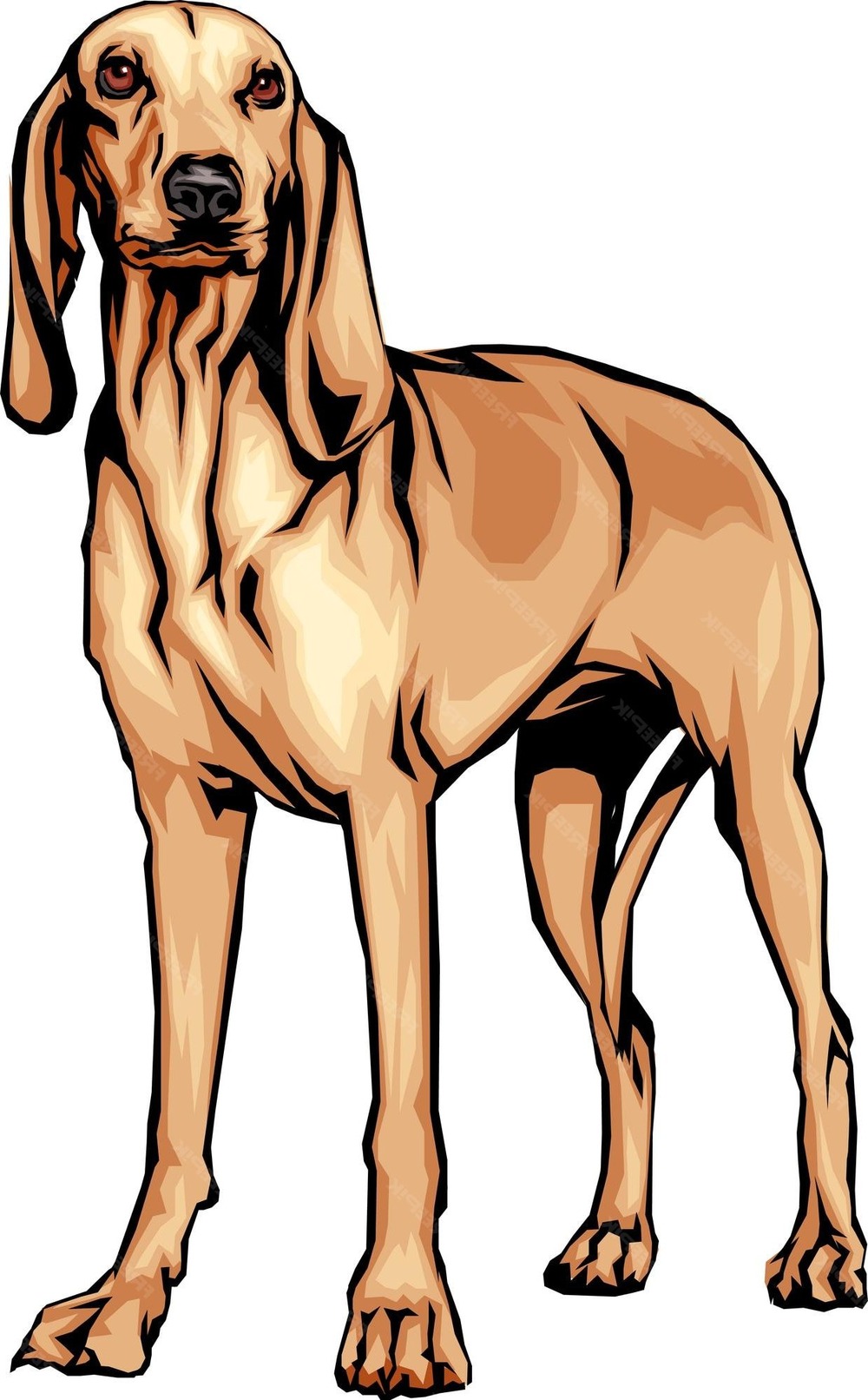
Any individual dog can be healthier or less healthy than the breed average, and rare breeds can have limited published health data compared with very common breeds. Still, a few themes are worth taking seriously in a practical care plan.
Hip dysplasia is frequently discussed across many medium-sized, active breeds. It is not something you can diagnose by sight, and it does not always show up early. If you are buying a puppy, ask about health screening and breeding decisions. If you are adopting an adult, ask your vet whether gait, strength, and condition suggest any need for investigation. 7
Long, drop ears can also increase the likelihood of ear trouble in many dogs because the ear canal may stay warmer and more humid, particularly after swimming, bathing, or repeated wet weather walks. Otitis externa is common in dogs, and treatment works best when the underlying cause is identified rather than simply repeating the same drops. 8
Practical habits that help include:
- Regular ear checks, especially after wet outings.
- Prompt vet attention for head shaking, odour, redness, or pain.
- Keeping nails short and body condition lean, which supports comfortable movement.
Grooming and coat care (smooth and wire varieties)
Grooming needs vary depending on whether the dog is smooth-haired or wire-haired, but the breed is generally not high maintenance compared with many long-coated breeds. 2
For most individuals, a weekly brush, occasional bath, and routine checks of ears, teeth, and nails are a realistic baseline. If you have a wire-coated dog, you may need to learn what coat care is appropriate from a groomer who understands that coat type.
Food, weight, and feeding decisions
Active scenthounds can look naturally lean, but it is still easy for weight to creep up when exercise drops or treats increase. It is also easy to go the other way and underfeed a dog that is doing serious physical work. A simple routine helps: monitor body condition regularly and adjust the ration with your vet’s guidance.
The World Small Animal Veterinary Association (WSAVA) provides practical guidance on assessing nutrition and choosing diets, including warnings that ingredient lists can be misleading if you do not also look at the overall formulation and quality control. That is a useful anchor when you are faced with confident claims online. 4
Living well with a Segugio dell’Appennino
People who do best with this breed tend to enjoy being outside, don’t mind a dog that wants to follow its nose, and are comfortable with training as an ongoing relationship rather than a one-off task. The aim is not to “switch off” the hunting dog. It is to channel the instincts into safe, satisfying routines.
If you are in Australia, it is also worth keeping basic responsible ownership foundations tidy, such as microchipping requirements, updating contact details, and understanding your state or council rules. Microchipping is strongly promoted by the RSPCA because it improves the odds of reunion if a pet goes missing. 9
References
- ENCI: Segugio dell’Appennino (breed information)
- ENCI: Segugio dell’Appennino breed standard (Standard No. 901 PDF)
- Wikipedia: Segugio dell’Appennino (overview and history)
- WSAVA: Global Nutrition Guidelines
- RSPCA Knowledgebase: Training recommendations (reward-based training)
- RSPCA Australia: Positive dog training (reward, never punishment)
- American Veterinary Medical Association (AVMA): Hip dysplasia in dogs
- Merck Veterinary Manual: Otitis externa in animals
- RSPCA Australia: Microchipping