

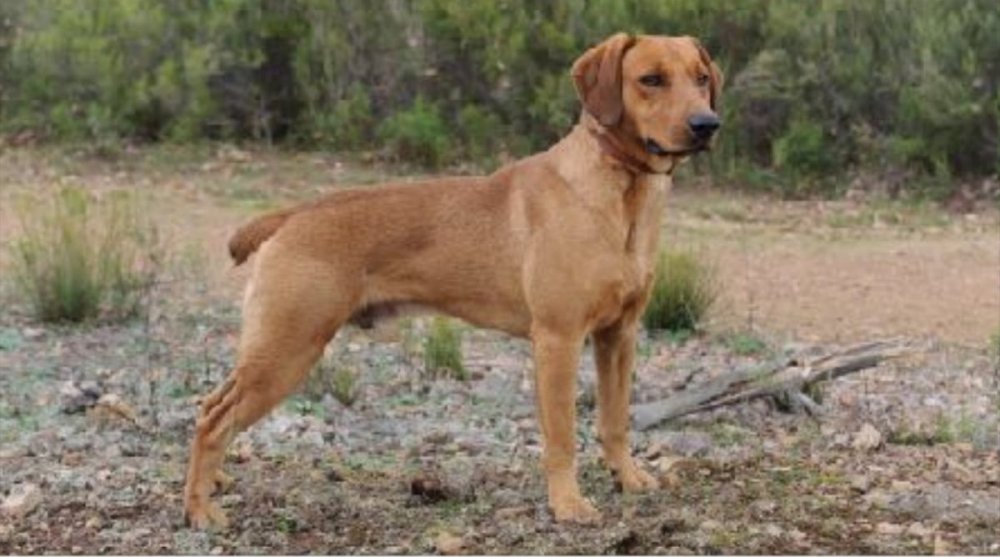
You usually come across the Segugio Maremmano in a sideways sort of way. Someone mentions an Italian scent hound, you see a photo of a lean, athletic dog with soft, drooping ears, or you meet one on a walk and notice how quickly its nose takes over. It can look like a straightforward hunting breed, but daily life with one is more textured than the label suggests.
These dogs are built to follow scent, to keep going, and to work at a distance from people. That does not make them untrainable or unsuited to family life, but it does mean the usual shortcuts, a quick backyard run, a bit of fetch, “he’ll grow out of it”, tend not to hold up.
If you are considering the breed, or living with one already, it helps to understand what sits underneath the good looks. The Segugio Maremmano is a practical, purpose-bred hound, and when its needs are met thoughtfully, it can settle into home life with a steady kind of ease.
Segugio Maremmano at a glance
Breed category: Hound (scent hound)
Country of origin: Italy
Height: Males about 48 to 54 cm, females about 46 to 52 cm (FCI standard, with a tolerance described in the standard).1
Weight: Males about 16 to 23 kg, females about 13 to 20 kg (FCI standard).1
Life expectancy: Often around 12 to 14 years (varies by individual health, lifestyle, and breeding).2
Coat: Smooth (short) or rough, depending on the variety, with practical, weather-tolerant texture.1
Colours: Commonly fawn (from pale to deep tan), black and tan, and brindle, with white markings possible.1
Exercise needs: High, with a strong preference for sniffing and tracking activities
Origins and the work the breed was made for
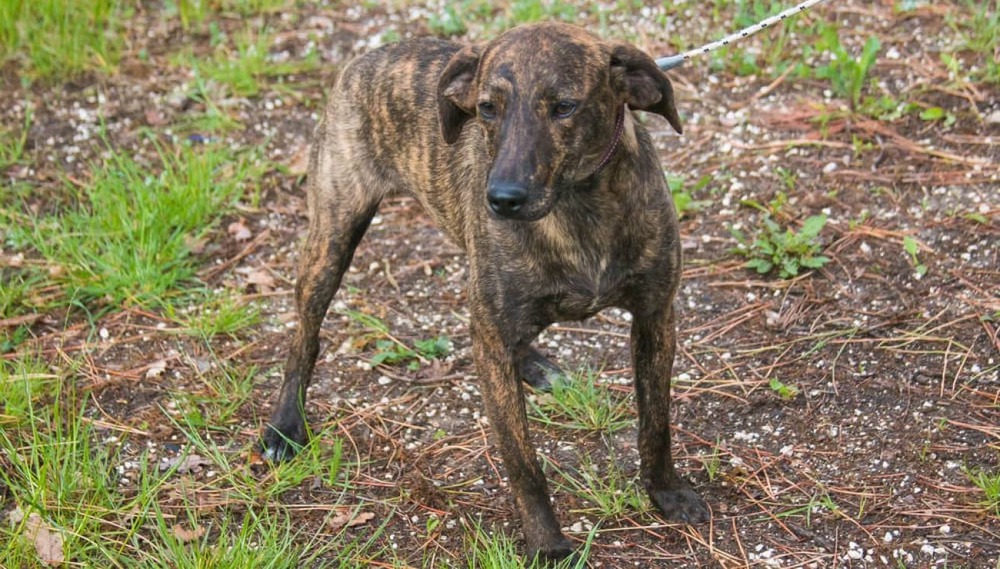
The Segugio Maremmano is an Italian scent hound associated with the Maremma area of Tuscany. It has been developed for hunting work, particularly tracking and pursuing game using scent, often across uneven ground and over long distances.1, 2
In practical terms, that history shows up in the way many individuals move through the world. The nose tends to lead, distractions can be genuinely compelling, and stamina can surprise people who expect a “medium-sized dog” to be medium effort.
It is also worth noting a detail that is often misreported online. While the breed may have been recognised nationally in Italy earlier, the Fédération Cynologique Internationale (FCI) lists the Segugio Maremmano as provisionally accepted, with acceptance on a provisional basis dated 1 March 2018, and the standard published in 2018.3
What they look like, and what that tells you
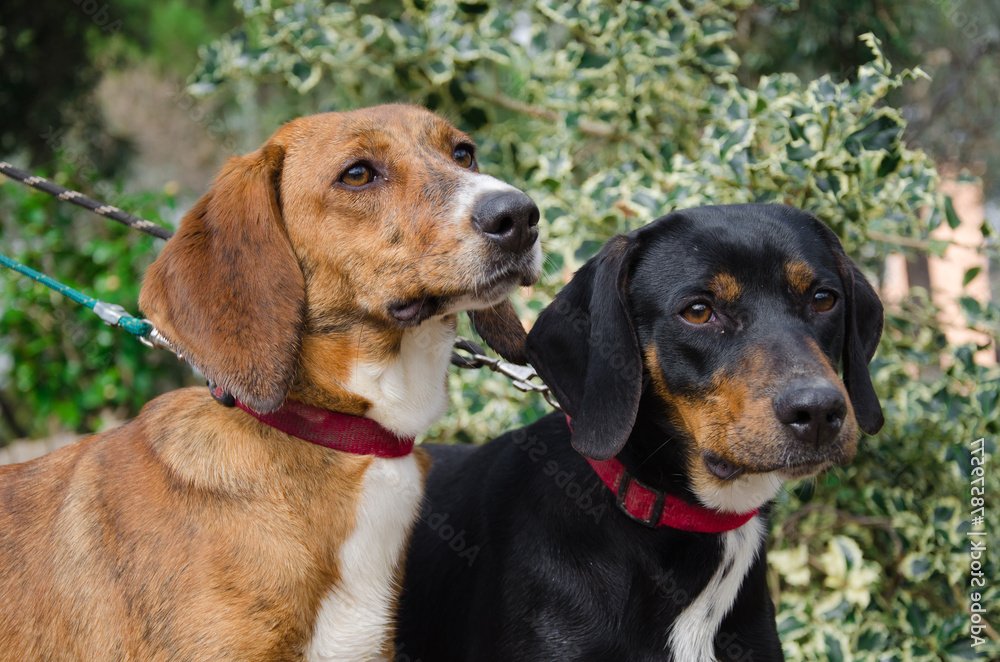
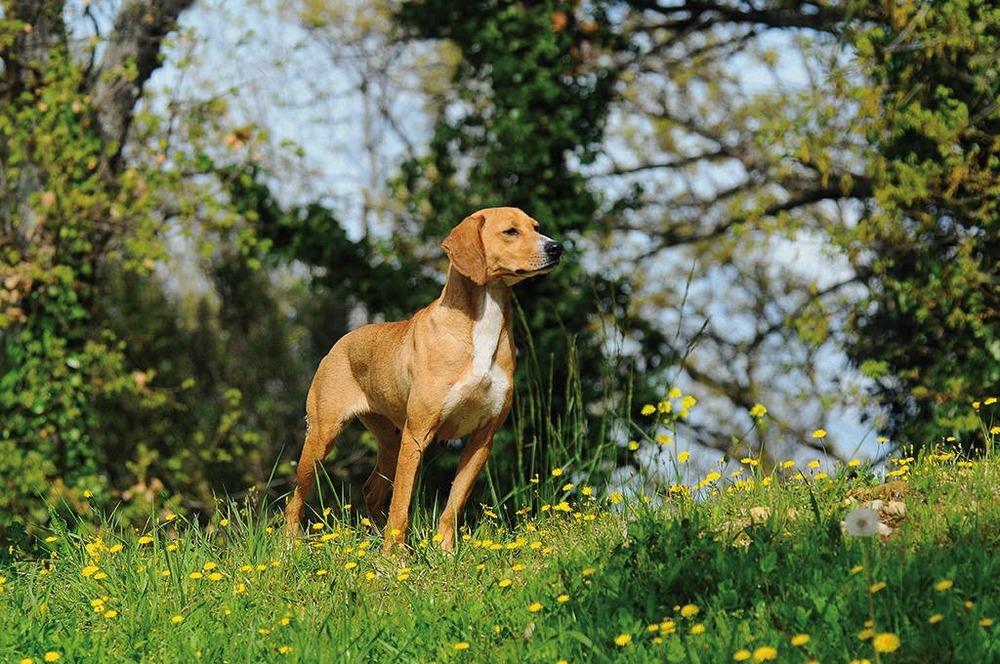
The Segugio Maremmano has a clean, athletic outline, built for efficient movement rather than bulk. Their ears are typically pendulous, and their head and muzzle are shaped for scent work. In the FCI standard, both smooth-haired and rough-haired coats are recognised.1
Those drooping ears are part of the classic hound look, but they also mean owners need to be a bit more attentive. Reduced airflow around the ear canal can be one factor that makes ear problems more likely in some dogs, especially if the dog is often in scrub, long grass, or water.4, 5
If you are choosing a puppy, it is sensible to look beyond colour and markings and ask about sound movement and overall robustness, because this is a dog designed to work.
Temperament, instincts, and family suitability
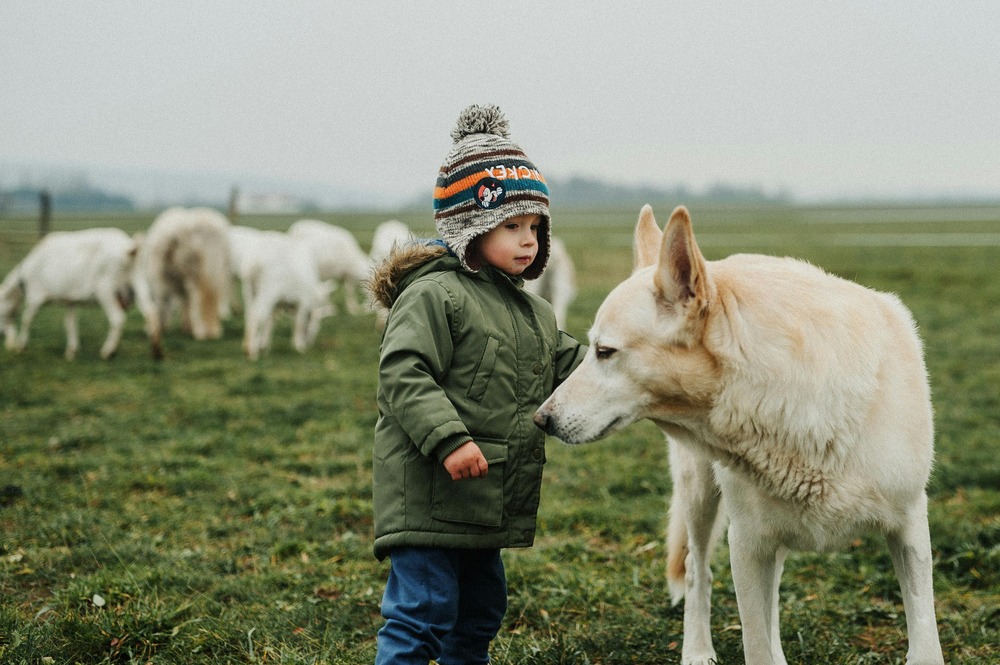
Many Segugio Maremmanos are people-friendly and steady in the home when their exercise and enrichment needs are met. The part that can catch families off guard is not “bad temperament”, but a strong, self-directed interest in scent and movement in the environment.
A helpful way to think about it is this: a lot of training with scent hounds is about building skills that can compete with the outside world. That includes recall, loose-lead walking, and calm settling, but it also includes the daily habit of giving the dog appropriate outlets for sniffing, searching, and tracking.
With children and other pets, early experiences matter. Like any breed, supervision and sensible boundaries are important, and it is wise to be thoughtful around smaller animals if the dog shows a strong chase response. The goal is not to “switch off” instincts, but to shape them into safe routines.
Training that respects a hound brain
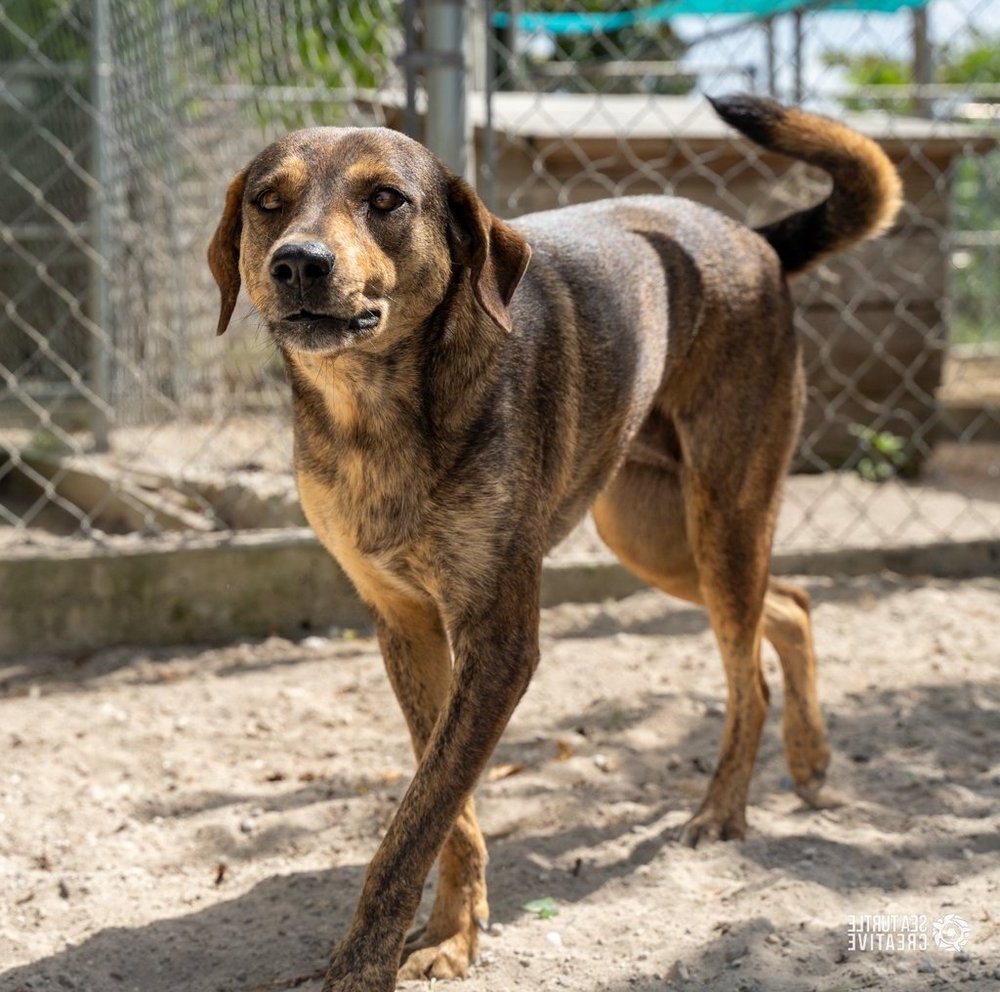
The most reliable progress tends to come from training approaches that are consistent, reward-based, and realistic about distractions. The RSPCA describes reward-based training as setting the dog up to succeed, then reinforcing the behaviour you want (positive reinforcement), while avoiding aversive techniques and punishment-based methods.6
For this breed, that philosophy is not just about being kind. It is also practical. Hounds that are pressured or corrected harshly can become less engaged, more avoidant, or simply more determined to follow the scent and tune you out.
If you want to keep things simple, focus on three foundations:
- Recall as a game (many short repetitions, high-value rewards, managed environments)
- Lead skills that allow sniffing at times, rather than treating every sniff as “naughty”
- Settle and switch-off practice indoors, so the dog learns how to rest
Exercise and enrichment that actually works
A Segugio Maremmano generally needs daily exercise that includes both movement and nose work. Long walks are a start, but many individuals do best when they also get structured opportunities to sniff and search.
Good options include:
- Sniff-heavy walks on a long line in safe areas
- Scatter-feeding or hiding kibble in the grass for short “find it” sessions
- Simple scent trails using a dragged treat bag, then a reward at the end
- Rotating enrichment toys so novelty stays high
It is also sensible to be mindful with growing pups. Hard, repetitive high-impact exercise is not a great plan for any developing dog, and keeping body condition lean helps reduce stress on joints long-term.7
Health considerations, what to watch for
No breed is completely free of health concerns, and individual lines vary. Two practical areas to keep on your radar with this general “active hound” type are joints and ears.
Hip health and screening
Hip dysplasia is a condition where the hip joint fits poorly, which can lead to wear, arthritis, and reduced comfort over time. It has an inherited component, with environmental factors also playing a role.8
If you are buying from a breeder, ask what health screening they do. In Australia, Dogs Australia describes the CHEDS scheme for hip and elbow dysplasia assessment, which is open to dogs of at least 12 months of age.9
Ear health and recurrent infections
Ear disease is common across many breeds. Otitis externa refers to inflammation of the outer ear canal, and underlying contributors can include allergies, foreign bodies such as grass seeds, and anatomical factors. Proper diagnosis can involve cytology, and sometimes culture, especially with chronic or recurrent cases.4, 5
If your dog is shaking its head, scratching, has odour, redness, discharge, or seems uncomfortable when you touch the ear area, it is worth booking a vet visit rather than trying repeated home cleaning. A lot of chronic ear trouble becomes harder to fix when early signs are missed.
Grooming and everyday care
Coat care is usually straightforward. A quick brush once or twice a week is often enough to lift dead hair and dust, and it gives you a chance to check for ticks, grass seeds, and skin irritation after bush walks.
More important than coat glamour is routine maintenance:
- Regular nail trims, particularly if the dog is mostly on soft ground
- Teeth checks and dental care habits, guided by your vet
- Ear checks after big outdoor adventures, especially during grass-seed season
Feeding and keeping a lean body condition

Most Segugio Maremmanos do best on a balanced, complete diet suited to their life stage and activity level. The tricky part is that an athletic dog can still drift into “soft” body condition, especially if treats are doing a lot of training heavy lifting.
The WSAVA Global Nutrition Guidelines emphasise tailoring nutrition to the individual, and support routine nutritional assessment, including monitoring body condition score and diet history.10
If you want one simple habit that helps: measure meals for a fortnight, adjust based on body condition (not just the packet), and use part of the daily ration as training rewards.
Final thoughts
The Segugio Maremmano tends to suit people who enjoy being outside, who can be patient with a dog that finds the world genuinely interesting, and who like training as an ongoing conversation rather than a once-off task. When you meet their needs, the payoff is a dog with real stamina and presence, and a way of moving through the world that feels distinctly hound.
If you are unsure whether your household is the right fit, that uncertainty is useful. It usually means you are thinking clearly about what the dog will need, day after day, not just on the weekend.
References
- Fédération Cynologique Internationale (FCI): Segugio Maremmano (No. 361) nomenclature entry
- Wikipedia: Segugio Maremmano (overview, history, general characteristics)
- FCI: Provisional acceptance date and standard publication details for Segugio Maremmano
- The University of Melbourne: Companion Animal Medical Guidelines (ears and otitis externa)
- American College of Veterinary Surgeons (ACVS): Otitis externa in dogs (overview, signs, diagnostics)
- RSPCA Australia Knowledgebase: Reward-based dog training and positive reinforcement
- Vetwest Veterinary Clinics: Hip dysplasia in dogs (growth, exercise, and management considerations)
- Australian Mobile and Consulting Veterinarians (AMCV): Hip dysplasia overview and prevention
- Dogs Australia: CHEDS (Canine Hip and Elbow Dysplasia Scheme) information for owners
- World Small Animal Veterinary Association (WSAVA): Global Nutrition Guidelines