

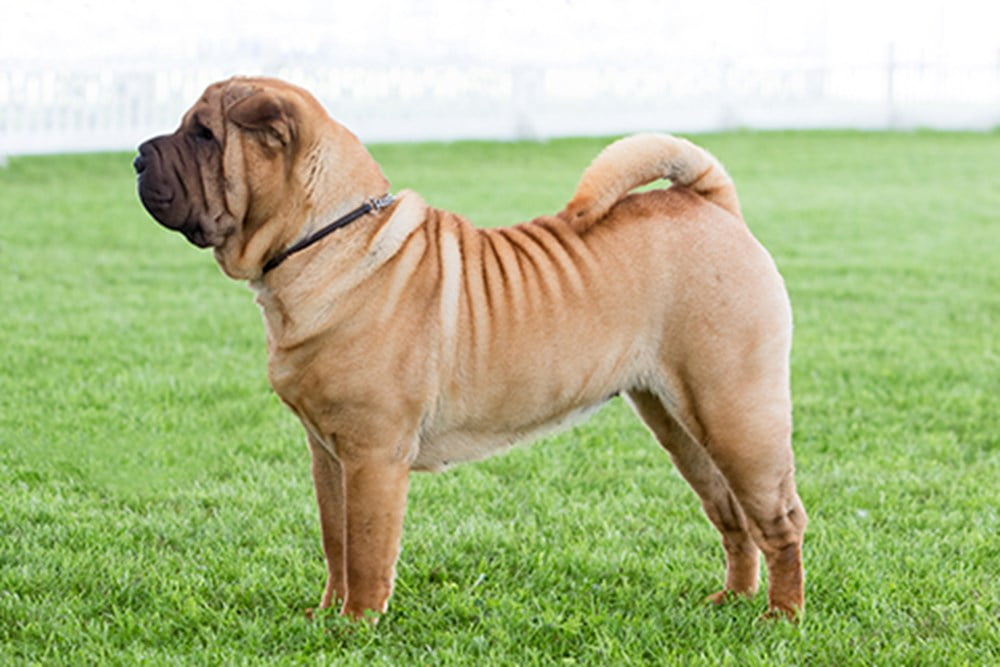
You might notice a Shar Pei on a walk and assume it is simply a “wrinkly dog”. Then you meet one properly, and the picture gets more interesting. Many Shar Pei are quiet observers, not the sort of dog that rushes up for pats, but they keep a steady eye on what is happening around them.
The wrinkles and the famous blue-black tongue are what most people remember, yet day-to-day life with this breed is less about the look and more about management. Skin folds can need regular checking, some Shar Pei are particular about strangers or other dogs, and hot weather can knock them about faster than you would expect.
When owners and vets talk about Shar Pei wellbeing, the conversation usually comes back to a few practical themes: calm, reward-based training, thoughtful socialisation, and early attention to skin and eye comfort. Getting those right tends to shape everything else.
Shar Pei essentials at a glance
Origin: China. Size: medium, typically around 46 to 51 cm at the withers. Coat: short and harsh. Typical nature: calm, independent, often reserved with strangers. Exercise: moderate, with care in warm weather.1
History and how the breed became what it is
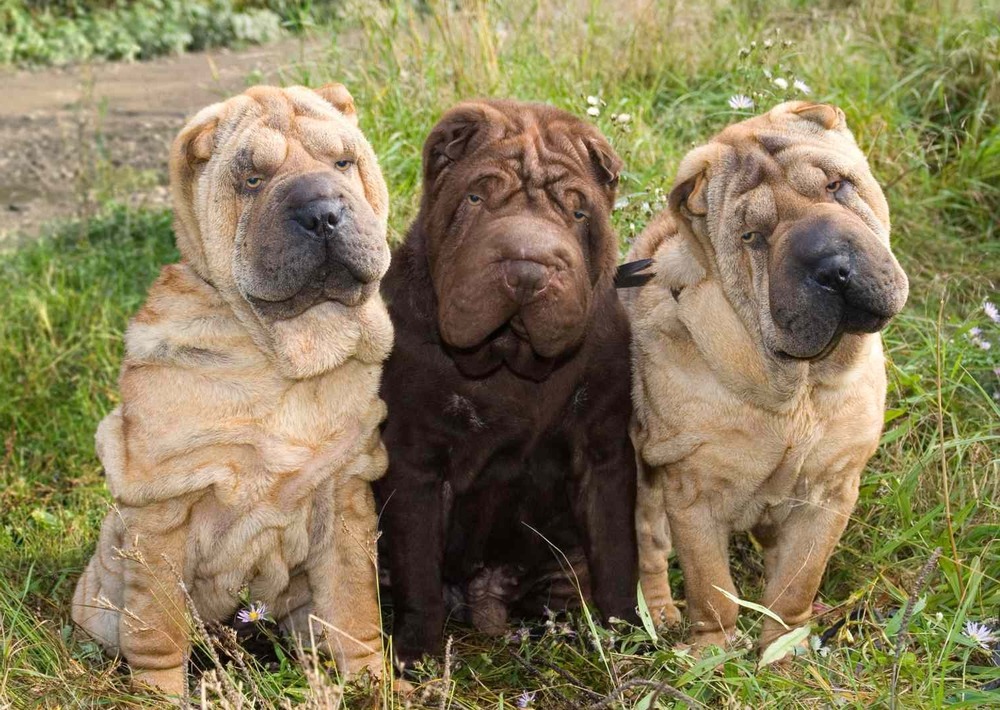
Shar Pei are widely associated with southern China and a working-dog past. Many modern summaries describe them as multi-purpose dogs used on farms for guarding and hunting, and also (in some periods) for dog fighting, which helps explain why loose skin, a harsh coat, and small, close-set ears were seen as useful traits at the time.2, 3
It is also worth holding the “ancient breed” idea lightly. Even the American Kennel Club notes that parts of the Shar Pei story are hard to pin down, and some claims about great antiquity are not definite because historical records are limited and the breed changed over time.2
In the mid 20th century, Shar Pei numbers fell dramatically. Later, international interest helped rebuild the population and formal breed standards became more established in different kennel clubs.3
What a Shar Pei looks like, and why it matters
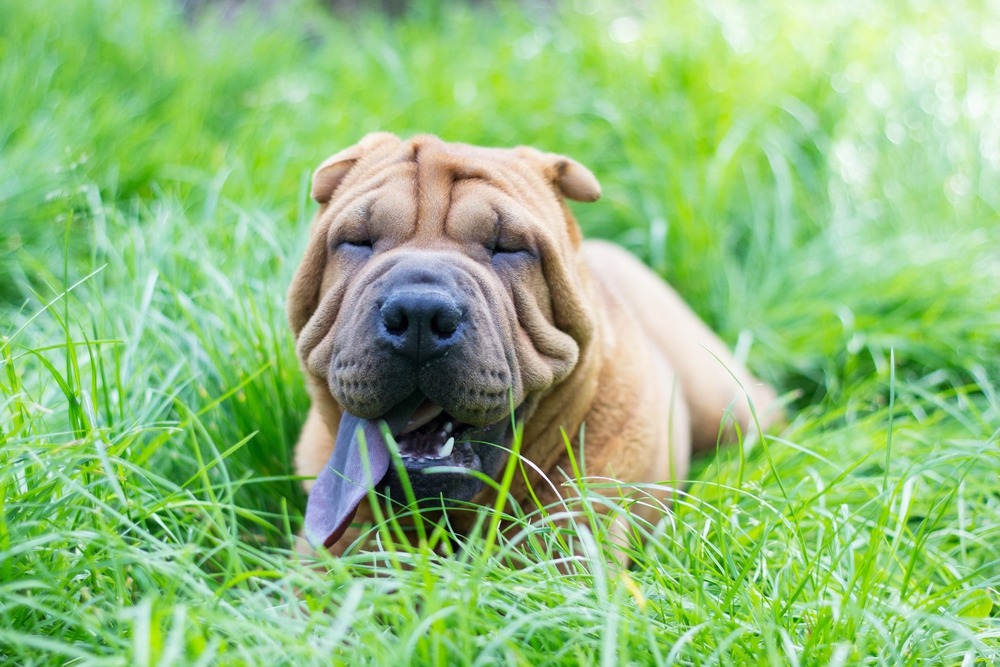
Physically, the breed is best known for loose skin and wrinkles, a harsh, bristly coat, and a compact, square outline. Adult dogs typically have less full-body wrinkling than puppies, with more emphasis on the head, neck, and shoulders in many individuals.1
The other hallmark is tongue pigment. Breed standards describe a solid bluish-black tongue as preferred (with lavender pigment accepted in dilute colours), which is one reason Shar Pei are often compared with Chow Chows.1
These features are not just cosmetic. Skin folds can trap moisture and debris, and small ears with narrow canals can make it easier for ear problems to smoulder if you miss early signs. It does not mean every Shar Pei will struggle, but it does mean routine checking is part of sensible care.
Temperament and everyday behaviour
Shar Pei are often described as calm and independent, with a tendency to be reserved with strangers while staying strongly bonded to their household.1
In practice, this can look like a dog that is content to be nearby without constantly seeking attention. Some will happily greet visitors after a minute or two. Others prefer distance, especially if people lean in quickly or try to cuddle a dog that is not asking for it.
If you are choosing a Shar Pei, it helps to value steadiness over “friendliness on demand”. A dog can be a good family companion without being socially outgoing, as long as everyone respects the dog’s space and reads body language well.
Children and other animals
Many Shar Pei can do well with children, particularly when kids are coached to approach calmly and avoid face-to-face hugging. As with any breed, active supervision matters, especially in households with toddlers and visiting children.
With other dogs and pets, outcomes vary. Early, positive exposures help, but temperament, individual history, and handling also play a role. If your Shar Pei seems tense around other dogs, a qualified trainer can help you put a plan in place before the pattern settles in.
Training that suits an independent dog
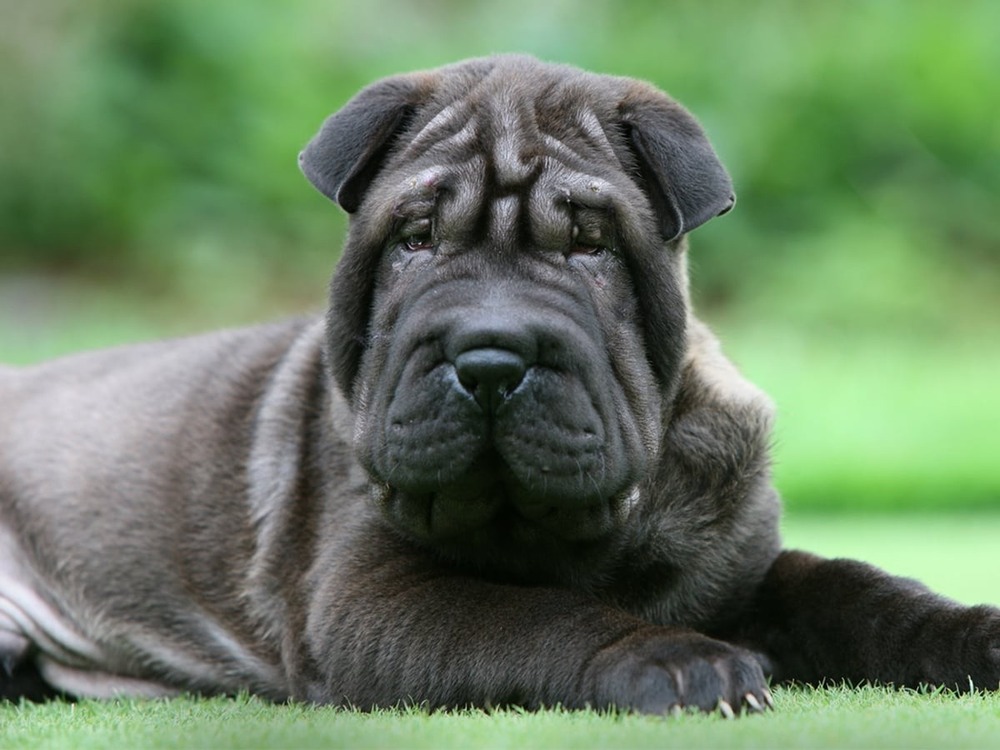
A Shar Pei is not usually motivated by constant repetition. Training tends to go best when it is brief, consistent, and built around reward-based methods that help the dog feel safe and successful. The RSPCA recommends reward-based training grounded in positive reinforcement, and advises avoiding punitive or aversive tools that can increase stress and behaviour risks.4
Early socialisation is often described as essential for breeds that can be naturally wary. Done well, it is not flooding a puppy with attention. It is a steady stream of controlled, positive experiences that teach the dog that novelty is manageable, and that their person will handle the situation.
- Keep sessions short, and finish on an easy win.
- Reward calm choices, such as looking at you, stepping away, or sitting.
- Practise handling gently (ears, paws, skin folds) with treats, so checks and grooming are less stressful later.
Exercise, heat, and sensible routines
Most Shar Pei suit moderate exercise, such as daily walks and a bit of play, with plenty of rest in between. The bigger issue is not usually “too little energy”, but exercising at the wrong time or in the wrong conditions.
Shar Pei can be sensitive to heat, and warm, humid days can turn a normal walk into a risky one. The RSPCA advises avoiding exercise in hot conditions, ensuring shade and ventilation, and knowing the signs of heatstroke.5, 6
Know the early signs of overheating
Heat stress does not always begin with dramatic symptoms. Early signs can include heavy panting, drooling, weakness, vomiting, or collapse. If you suspect heatstroke, start cooling with tepid or cool water and get veterinary help promptly. Avoid ice-cold water or ice, which can make things worse.5, 6
Health issues to be aware of
Shar Pei can live full lives, but there are a few breed-linked issues that are worth understanding before they become problems.
Skin and ears
Wrinkles and skin folds can create a warm, damp environment where infections can take hold, especially if a dog swims often or lives in humid weather. Regular checks for redness, odour, soreness, or darkened skin help you act early, and your vet can guide you on bathing routines and medicated products if needed.7
Eyes, including entropion
Entropion (where the eyelid rolls inward and hairs irritate the eye surface) is commonly discussed in Shar Pei. Breed standards also explicitly emphasise eyes being free from entropion, which reflects how important this is for welfare and comfort.1
If you see squinting, tearing, discharge, or a dog repeatedly rubbing at their face, it is worth a vet check sooner rather than later.
Shar Pei fever and amyloidosis
Some Shar Pei lines are affected by Shar Pei fever (often described as recurrent fever episodes, sometimes with swelling around the hocks). This condition is also linked with a higher risk of amyloidosis, which can affect organs such as the kidneys. Any repeated fever episodes should be discussed with your vet, even if the dog seems to “bounce back” afterwards.8
Grooming and day-to-day maintenance
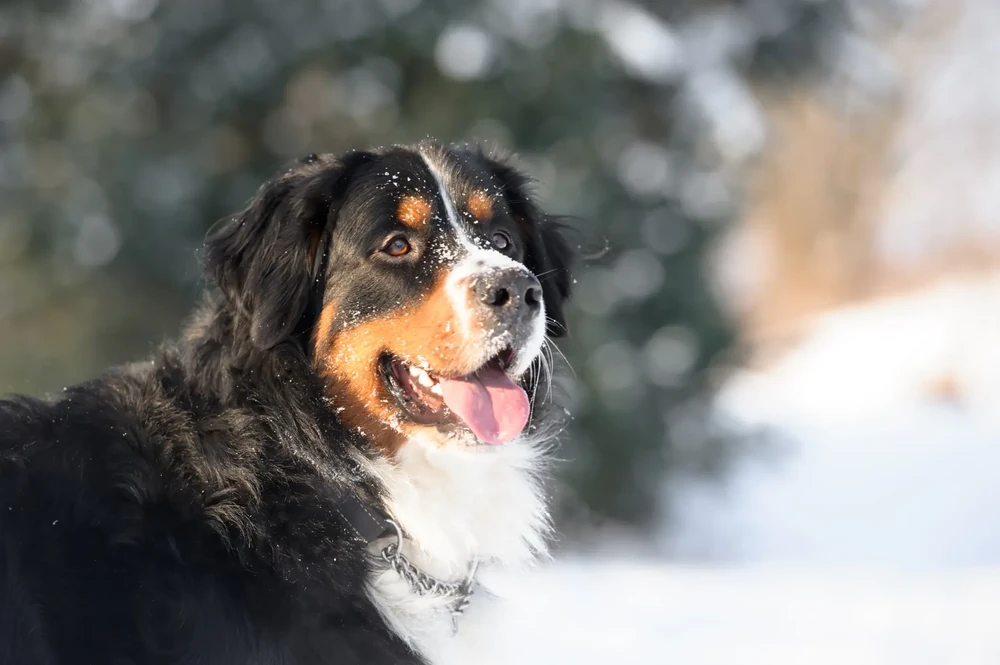
The coat itself is usually low fuss. A weekly brush often does the job, and it can be a good time to check the skin, ears, and paws while your dog is relaxed.
Wrinkles are where owners can accidentally overdo it. You want folds to be clean and dry, not scrubbed. If your Shar Pei is prone to irritation, your vet may recommend specific cleansing routines and occasional medicated baths.7
Teeth and breath are part of health, too
Dental disease is very common in adult dogs, and home care makes a difference. Veterinary guidelines commonly emphasise professional cleaning when needed, followed by daily at-home brushing as the most effective routine. If daily brushing is not realistic at first, starting gently and building the habit still helps.9
Feeding and keeping weight steady
A good diet for a Shar Pei is not about a single “perfect” brand. It is about consistently meeting needs for protein, energy, and essential nutrients, while keeping body condition lean enough that joints and skin do not carry unnecessary strain.
If your dog is itchy or has recurring ear and skin problems, your vet may suggest a structured approach (including ruling out parasites, addressing infections, and considering a proper elimination diet when food allergy is suspected). Randomly switching foods often creates more noise than clarity.
Choosing a Shar Pei responsibly
If you are considering this breed, it is reasonable to ask breeders and rescue groups about skin, eye, and fever history in the line, and what support they provide after adoption.
Look for people who prioritise health and temperament over extreme wrinkling. A Shar Pei should look like a Shar Pei, but should also be able to see comfortably, move freely, and tolerate ordinary grooming and handling without a daily struggle.1
Living well with a Shar Pei
A Shar Pei often thrives in a home that is calm, predictable, and respectful. When owners take the breed on its own terms, not expecting a social butterfly, many Shar Pei become steady, companionable dogs who fit neatly into family routines.
The main work is rarely about doing more. It is about doing the small things consistently: gentle training, careful introductions, skin and eye checks, and sensible choices in hot weather. That is usually what keeps the wrinkles charming, rather than complicated.
References
- The Kennel Club: Shar Pei breed standard
- American Kennel Club Archives: Chinese Shar-Pei Club of America collection
- American Kennel Club: 7 things you did not know about the Chinese Shar-Pei
- RSPCA Knowledgebase: Training recommendations and reward-based methods
- RSPCA Australia: Protect pets from heatstroke (signs and prevention)
- RSPCA Pet Insurance: Heatstroke and hyperthermia in cats and dogs
- PetMD: Chinese Shar-Pei health and grooming guide (skin fold care)
- Merck Veterinary Manual: Amyloidosis in animals
- WSAVA: Global Dental Guidelines for Dogs and Cats (PDF)