

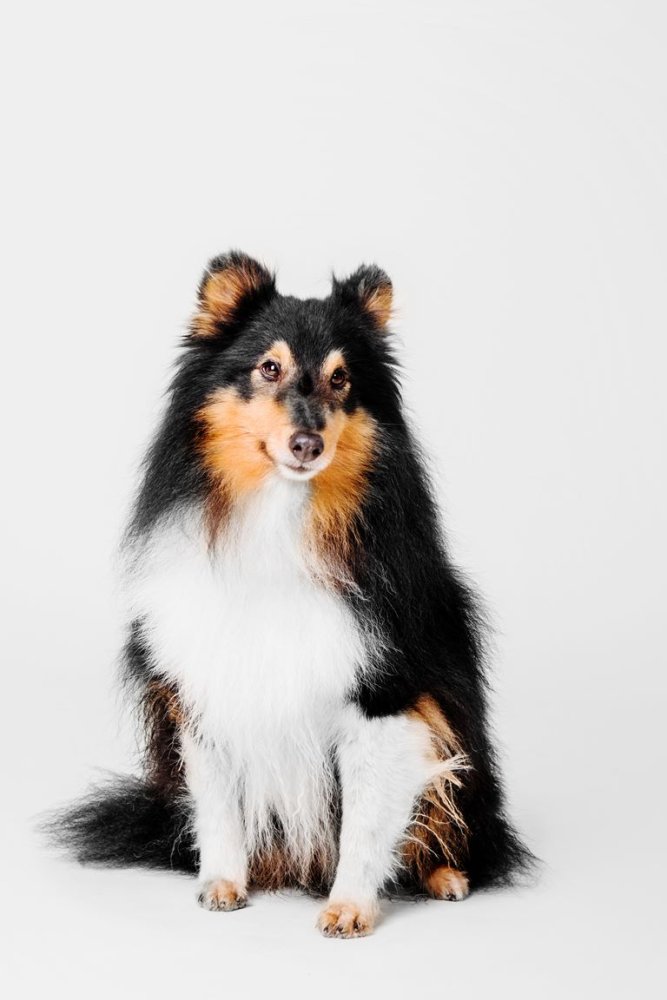
You might meet your first Shetland Sheepdog at the park and think, “That looks like a little Lassie.” Then it starts watching everything, listening for every small sound, and moving as if it has a job to do. People often notice the same pattern at home: a dog that learns quickly, sticks close, and has a surprisingly big voice for a small frame.
Shelties can be wonderfully responsive companions, but they are not “easy” in the way some people mean it. Their herding background shows up as high awareness, quick reactions, and a need for both exercise and mental work. If those needs are met, they tend to settle into family life well. If they are not, barking, reactivity, and busy behaviour can creep in.
It also helps to be clear about what is breed and what is individual. A well-bred, well-socialised Sheltie can feel calm and polite in public. Another may be more reserved with strangers or more sound-sensitive. Understanding the range makes day to day life smoother, especially if you are deciding whether this breed fits your household.
At a glance
Breed group: Herding
- Origin: Shetland Islands, Scotland
- Typical height: about 37 cm (dogs) and 35.5 cm (bitches), with modest variation considered undesirable in breed standards1, 2
- Coat: Double coat with long, straight outer coat and dense undercoat1
- Common colours: sable, tricolour, blue merle (plus other recognised combinations depending on standard)1
- Life expectancy: often around 12 to 14 years (individuals vary)
- Known for: trainability, alertness, sensitivity to routine and environment
History and what it shaped
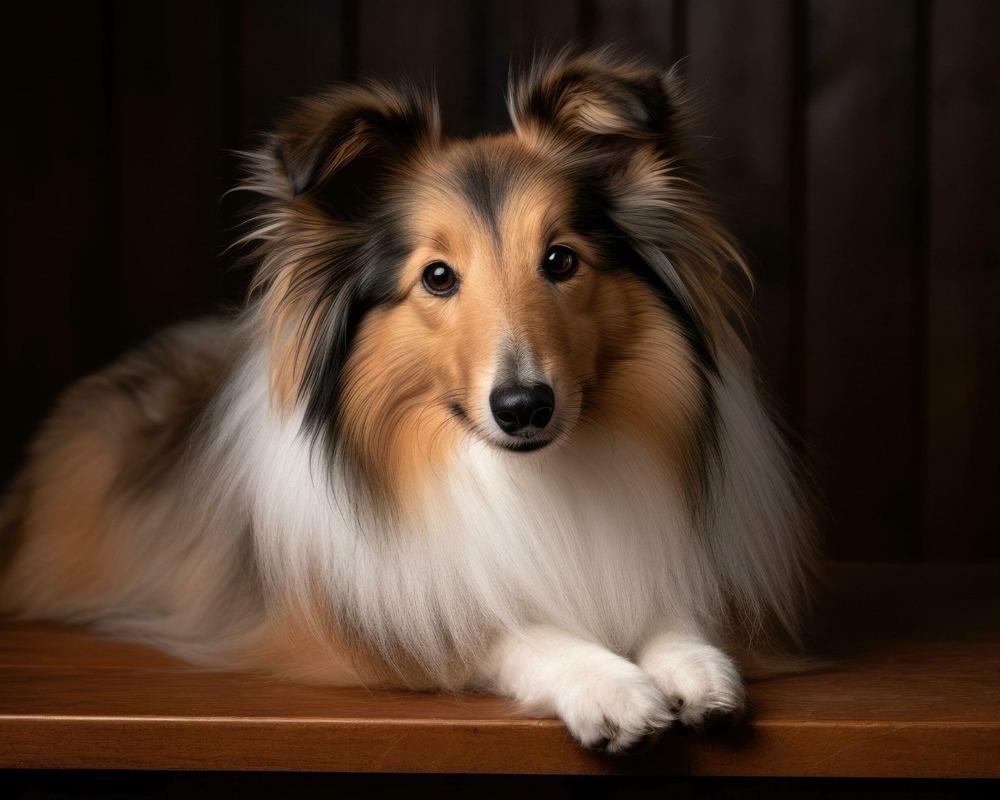
The Shetland Sheepdog developed as a small working herding dog in the Shetland Islands, where a compact size was practical and a quick, responsive mind was an advantage. Over time, the breed became more consistent in appearance, while still keeping a strong “working dog” attentiveness.
That background matters because it explains the Sheltie’s most familiar traits: quick learning, a tendency to notice movement, and a readiness to alert bark. In modern homes, those same qualities can look like a dog that shadows you from room to room, watches the street, and tries to organise the household when excitement rises.
Physical characteristics
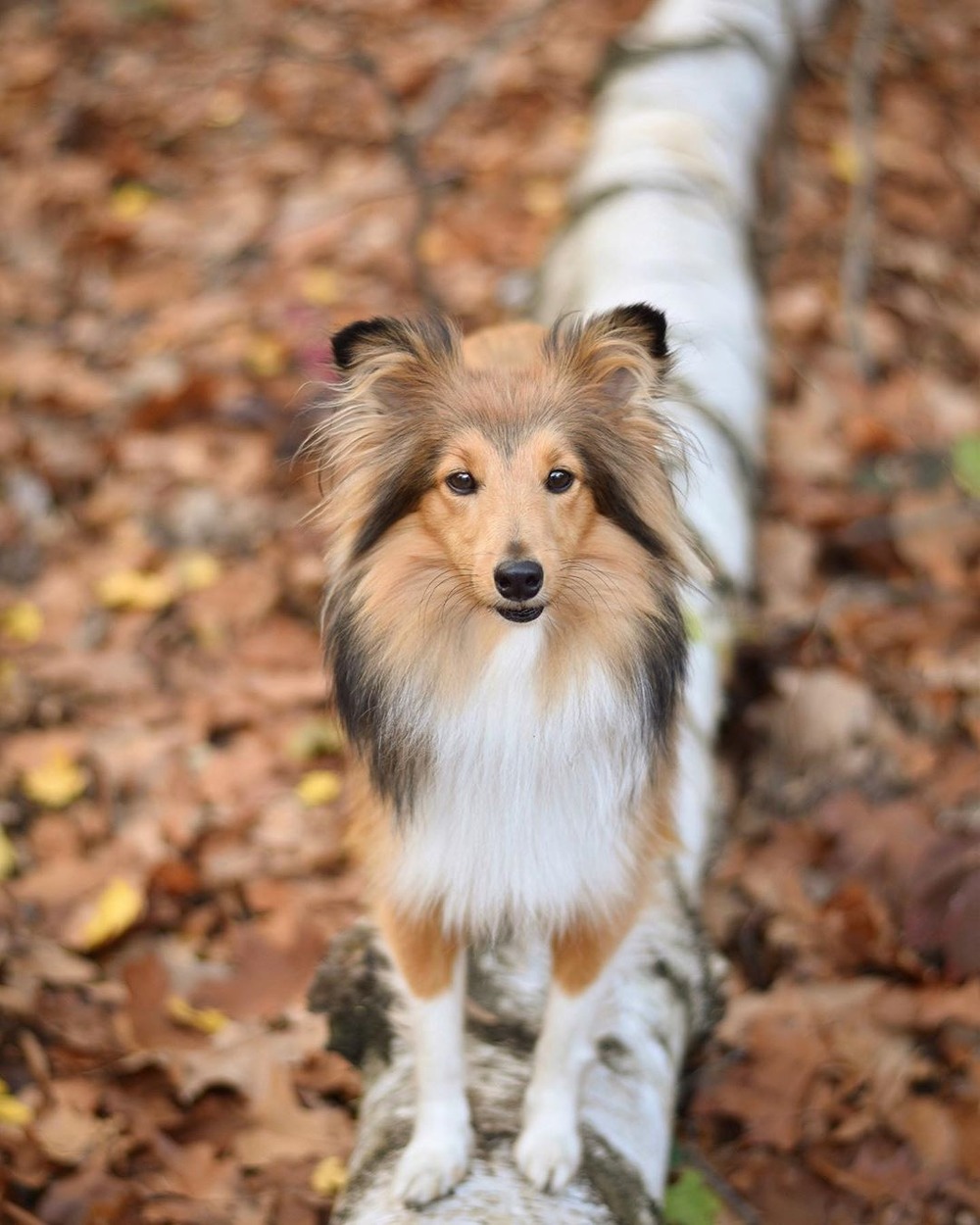
The Sheltie is a small, balanced dog with a distinct outline: refined head, semi erect ears, and a profuse double coat. Breed standards describe an ideal height of 37 cm for dogs and 35.5 cm for bitches, with more than about 2.5 cm above or below considered undesirable for conformation purposes.1, 2
That coat is beautiful, but it is also functional. A dense undercoat supports insulation, while the long outer coat sheds water and dirt. In everyday life, it means you will see seasonal coat blow and you will need a grooming routine that reaches the undercoat, not just the surface.
Temperament and behaviour in real homes
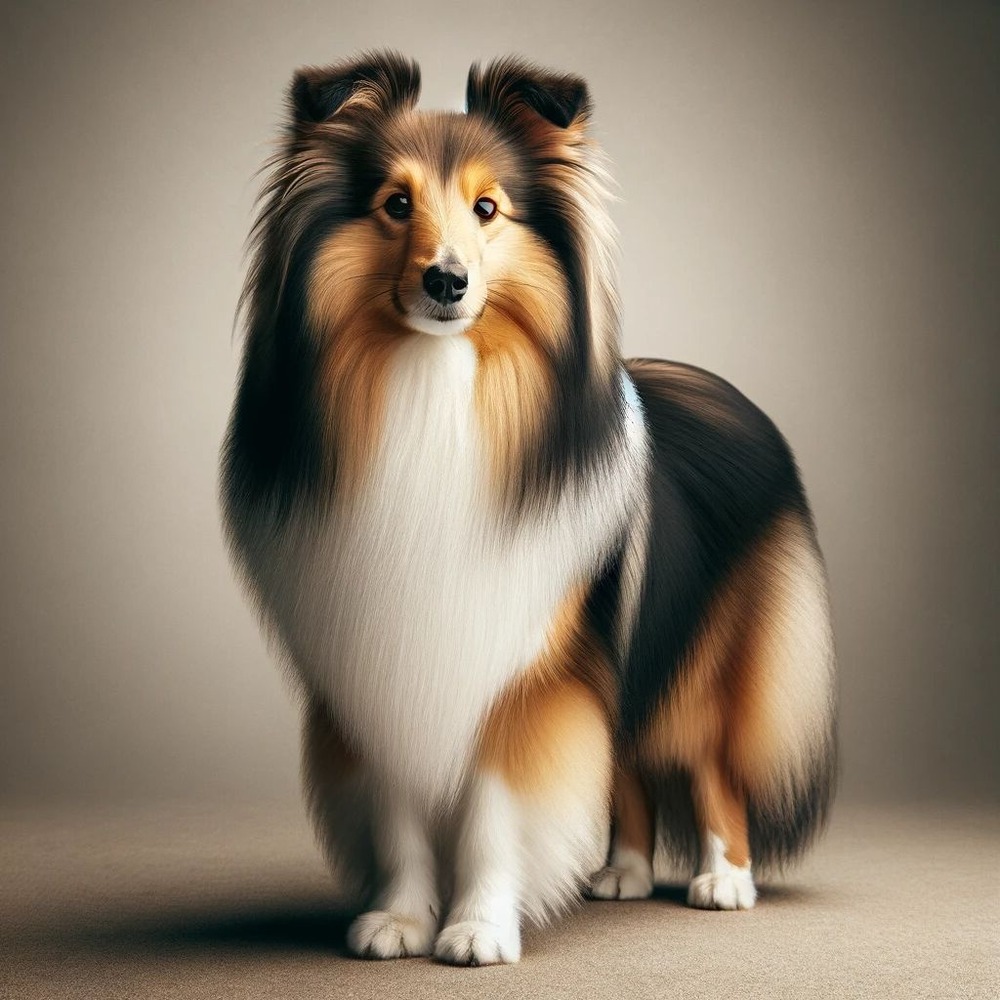
Most Shelties are people-focused and highly responsive to training. They are often described as gentle and intelligent, but it is worth adding a practical footnote: they can be environmentally sensitive. Sudden noises, unfamiliar visitors, and chaotic play can tip some individuals into barking or avoidance.
Many are reserved with strangers rather than naturally “everyone’s best friend”. That is not a flaw. It is a temperament style that benefits from steady social exposure, predictable handling, and a home that notices early stress signals, such as scanning, stiff posture, lip-licking, or retreating behind furniture.
Herding instincts can show up as following, circling, or trying to control movement. With children, this may look like the dog hovering during running games, or becoming over-aroused when kids squeal. The goal is not to stop the instinct existing, but to channel it into structured activities and teach calm, safe alternatives.
Training that suits a Sheltie
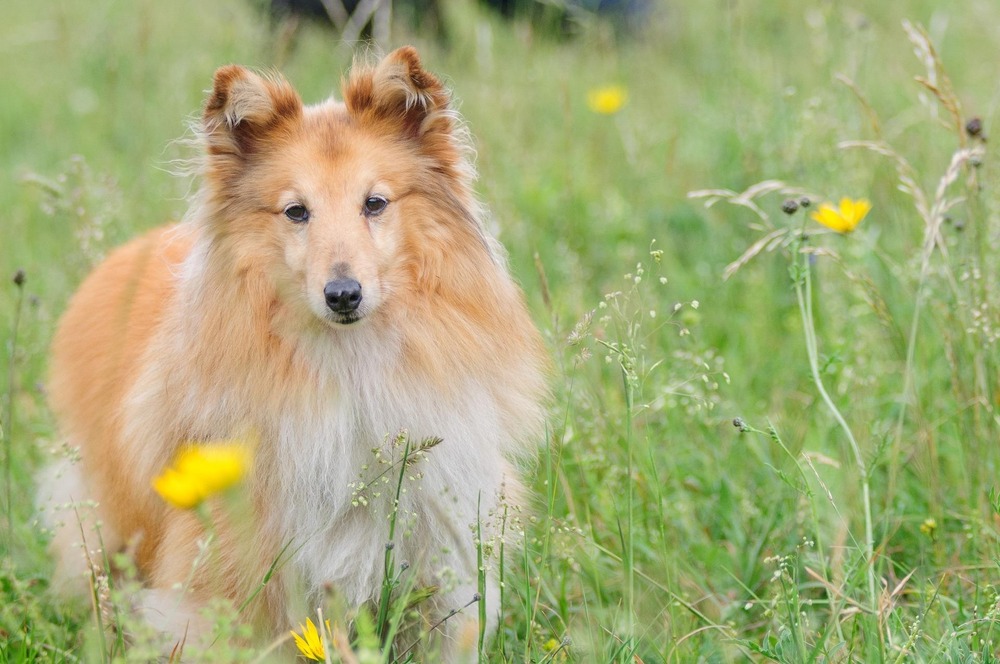
Reward-based training tends to fit Shelties well because it builds clarity without pushing them into conflict. The RSPCA recommends reward-based methods grounded in positive reinforcement and advises avoiding aversive tools and punishment-based approaches, which can increase risk and worsen behaviour over time.3
With Shelties, the small details matter. Keep sessions short, end on a win, and reinforce the behaviours you want to live with, such as settling on a mat, checking in on walks, and staying relaxed when the doorbell goes. A calm, consistent approach is often more effective than “being firm”.
If barking is an issue, it helps to think in causes rather than labels. Shelties may bark from alerting, frustration, habit, or sound sensitivity. A practical plan usually includes:
- management (for example, blocking window access during peak foot traffic)
- teaching an incompatible behaviour (mat settle, go to bed)
- reinforcing quiet moments, not only reacting to loud ones
- increasing mental exercise, so the dog is not “self-employed” all day
Exercise and enrichment
Shelties are small enough for many homes, including some flats, but they are not low-energy. They usually need daily walks plus opportunities to use their brain. Think sniffing, pattern games, basic obedience, trick training, and structured play, not just physical running.
They often love agility-style skills, rally obedience, and anything that feels like a shared project. The sweet spot is balanced arousal: enough activity to take the edge off, then a deliberate wind-down routine afterwards.
Health considerations to know about
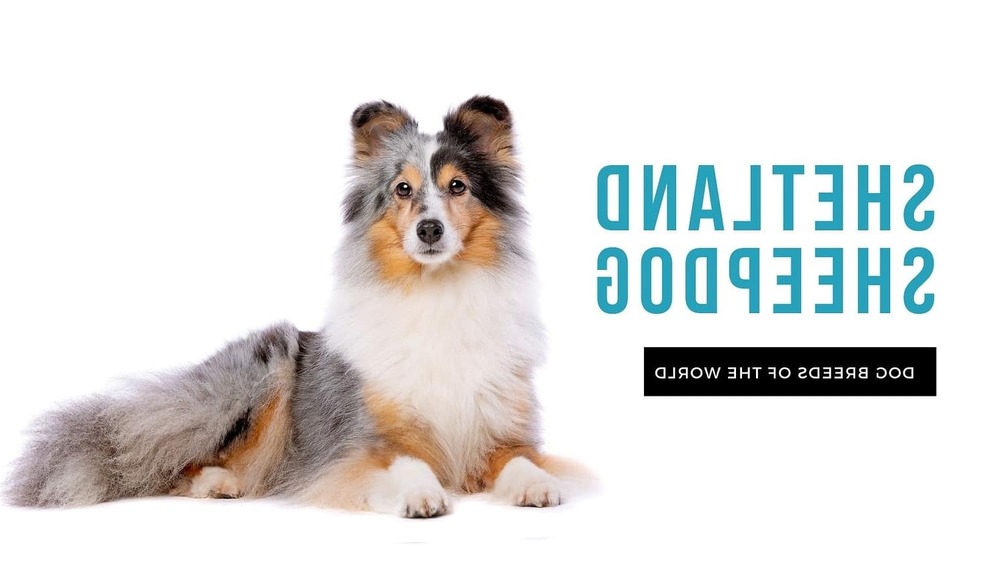
Like many purebred dogs, Shelties can be predisposed to certain inherited conditions. Two that often come up in Sheltie circles are hip dysplasia and inherited eye disease. Hip dysplasia is a developmental condition of the hip joint that ranges from mild to severe and can contribute to arthritis over time.4
In the eyes, one well-known inherited issue in collie-type breeds is Collie Eye Anomaly (CEA). It can be missed on later examinations because changes may become harder to see as pigment develops, which is one reason early screening and appropriate testing are discussed so often by breeders and ophthalmology-focused resources.5
If you are buying a puppy, it is reasonable to ask what health screening the parents have had (for hips and eyes, and any relevant DNA tests used by that breeder). If you already share your home with a Sheltie, regular vet checks and early investigation of changes in mobility, night vision, or confidence on stairs can make a real difference.
Grooming and shedding
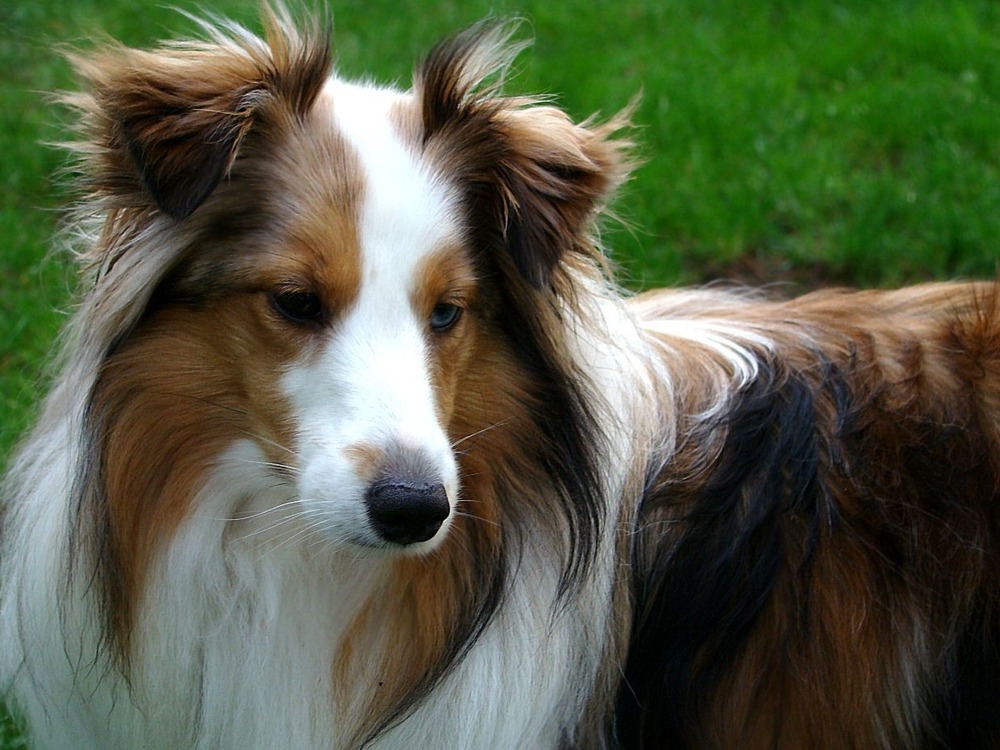
A Sheltie coat looks like a lot because it is a lot. Weekly brushing is a good baseline for many dogs, with more frequent sessions during seasonal shedding. The key is to brush through to the undercoat and check friction points, such as behind ears, under elbows, and around the ruff.
A bath now and then can help loosen dead undercoat, but grooming is also a health check. It is your chance to notice lumps, sore patches, parasites, or changes in skin condition.
Diet and body condition
Shelties can be keen eaters, and their fluffy coat can hide weight gain. Rather than choosing food by ingredient list alone, the WSAVA Global Nutrition Committee notes that ingredient lists can be misleading and provides tools for evaluating diets using more meaningful label and manufacturer information.6
Portion size depends on age, activity and desexing status. A practical routine is to monitor body condition regularly, adjust food in small steps, and keep treats as part of the daily budget. If you are unsure, your vet can help you set a target weight and a plan that is realistic for your dog and household.
Living with a Sheltie in hot weather
Thick-coated dogs can struggle in Australian summers, especially if they are active, excitable, or exercised at the wrong time of day. The RSPCA advises avoiding exercise in extreme heat, providing shade and ventilation, ensuring access to fresh water, and never leaving pets in cars. They also outline first aid steps if heatstroke is suspected, such as applying cool or tepid water and seeking veterinary care promptly.7
Some states also publish practical guidance on heat and animal welfare, including warnings about exercising dogs in hot conditions and the dangers of leaving animals in vehicles.8
If your Sheltie seems to “go flat” in heat, that is useful information, not stubbornness. Aim for early morning walks, indoor enrichment on hot days, and a cool resting place at home. A summer haircut is not always the fix people expect, since the double coat also plays a role in insulation. If you are considering major coat changes, discuss it with an experienced groomer and your vet.
Choosing a Sheltie, or supporting the one you have
A Sheltie tends to thrive with people who enjoy training, notice small behavioural shifts, and like having a dog that participates in daily life. They are often at their best when their world is predictable, their exercise is consistent, and their brains have something to do.
If you want a quiet, unflappable dog who ignores the world, a Sheltie may not be the right match. If you want a small dog with a big working-dog mind, and you are willing to build skills around barking, arousal, and settling, the breed can be deeply rewarding.
References
- The Kennel Club (UK): Shetland Sheepdog breed standard
- Dogs NSW: Shetland Sheepdog breed standard
- RSPCA Knowledgebase: Training recommendations and reward-based methods
- American Kennel Club: Hip dysplasia in dogs
- Australian Shepherd Health & Genetics Institute: Collie Eye Anomaly overview
- WSAVA: Global Nutrition Guidelines and pet owner tools
- RSPCA Australia: Keeping your pet safe during hot weather
- Agriculture Victoria: Caring for animals during extreme heat
- AKC Canine Health Foundation: Shetland Sheepdog health information