

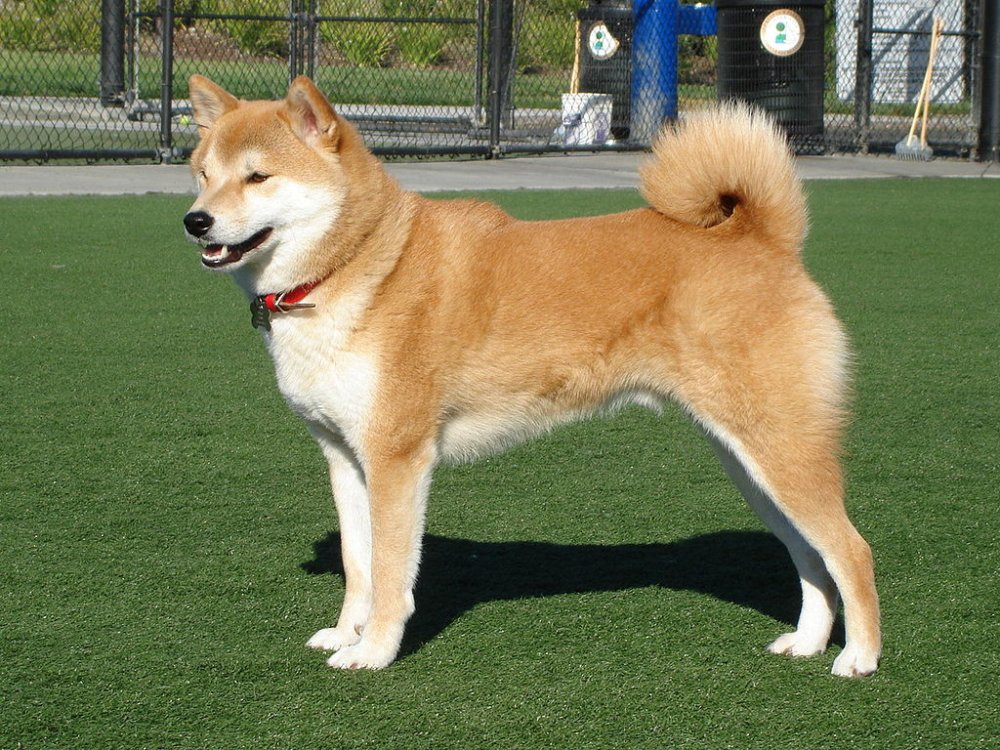
You do not usually start thinking about Shiba Inus because you have a sudden interest in Japanese dog history. It is more often something practical: you have met one at the park, seen their fox-like face online, or noticed how calmly they can sit while still looking like they are taking everything in.
Then the questions turn up. Are they actually good family dogs, or are they too independent? Can they live in a smaller home? Why do some seem aloof with strangers, yet deeply attached to their people?
A Shiba Inu can be a wonderful companion, but they tend to suit people who appreciate a dog with their own opinions and boundaries. Understanding what sits behind that reputation, from their working origins to their everyday care needs, makes life with a Shiba feel less mysterious and far more enjoyable.
- Breed category: Non-sporting (AKC)
- Country of origin: Japan
- Typical height: Males 37 to 42 cm, females 34 to 39 cm (approx.)1
- Typical weight: Around 10.5 kg (males) and 7.5 kg (females) at preferred size (approx.)1
- Average lifespan: Often 12 to 15 years (individual variation is normal)
- Coat: Dense double coat, seasonal shedding is common
- Exercise needs: Daily walks plus play and sniff time
- Temperament (broadly): Alert, self-possessed, loyal to their people (often reserved with strangers)
- Heat sensitivity: Can struggle in hot, humid weather, plan summer exercise carefully6
Where the Shiba Inu comes from, and why it still matters
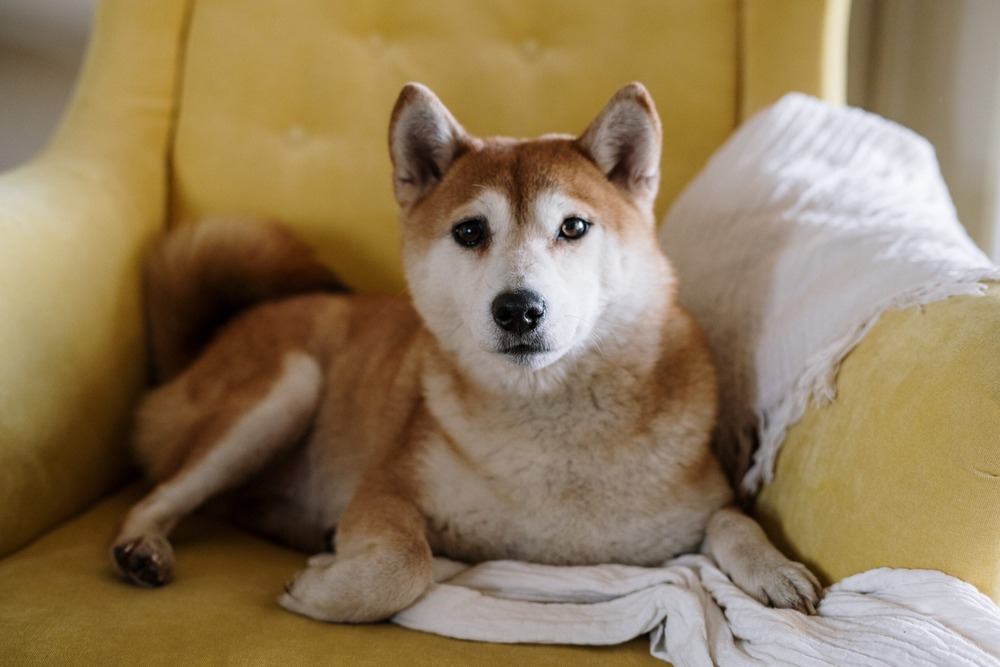
The Shiba Inu is one of Japan’s native spitz-type breeds, originally developed for hunting by sight and scent in dense cover and mountainous areas.1 That background helps explain a lot of what modern owners experience, including quick reactions, strong preferences about handling, and an ability to make their own decisions when something catches their attention.
In Japan, native breeds have also been treated as part of cultural heritage. The Nihon Ken Hozonkai (NIPPO) describes the Japanese native breeds as having been designated natural monuments, and lists the Shiba Inu among them (Shiba Inu: 1936).2 You do not need to be invested in that history to live happily with a Shiba, but it can encourage a more respectful approach: this is a breed shaped for function, not for compliance.
What a Shiba Inu looks like, and what is underneath the fluff
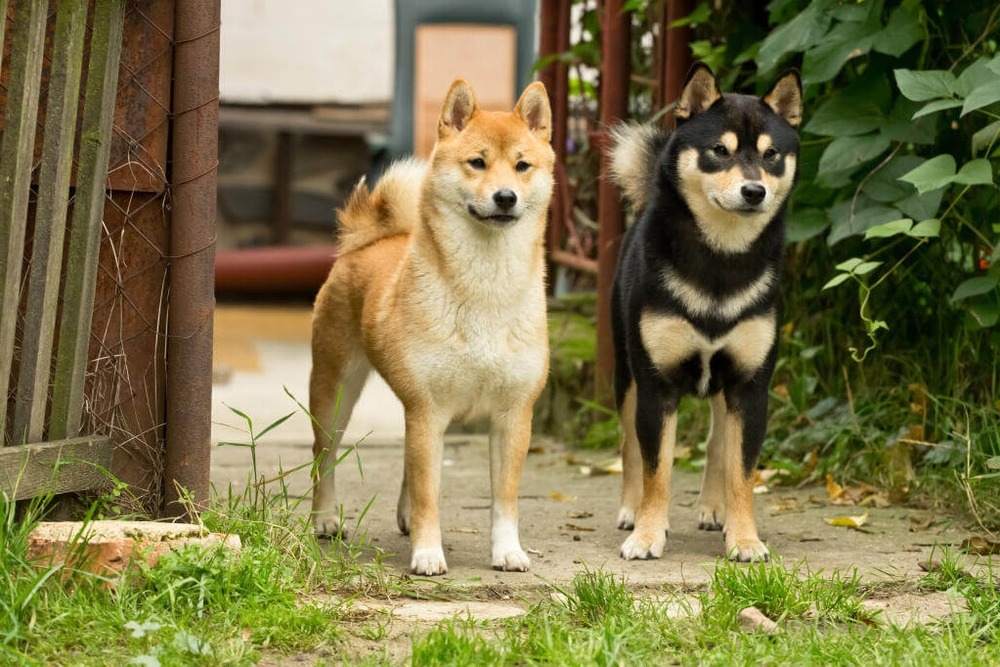
The “fox” comparison is common, but what most people are really noticing is the combination of compact proportions, upright triangular ears, and the tight, curled tail carried over the back.1 Their coat is a thick double layer: a harsher outer coat with a softer undercoat designed for insulation and weather protection.1
That double coat is also why Shibas can look deceptively tidy until the undercoat starts to “blow” seasonally. It is normal to see heavy shedding in bursts, and it is not a sign you are doing something wrong. The main skill is learning how to brush effectively, without turning grooming into a wrestling match.
Temperament and day-to-day behaviour in real homes
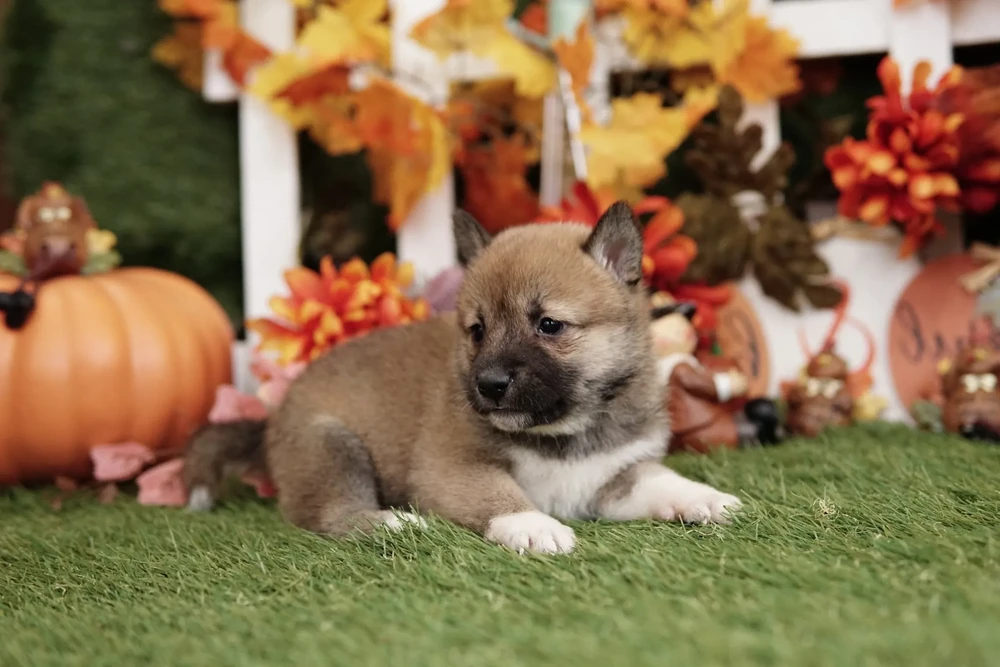
Shiba Inus are often described as independent, and that can be true, but it is usually more precise to say they are selectively cooperative. Many Shibas will learn cues quickly, then weigh up whether responding feels worthwhile, safe, or comfortable in that moment. This is not “dominance” so much as a breed tendency towards self-direction.
With family, Shibas can be deeply attached. With strangers, many are polite but reserved. You can support that natural temperament by avoiding forced interactions, especially in adolescence, and by rewarding calm behaviour around visitors rather than expecting instant friendliness.
One commonly mentioned quirk is the “Shiba scream”, a sharp vocalisation some individuals make during intense excitement, frustration, or when they strongly dislike being restrained. It is not a guaranteed trait, but it is common enough that owners are wise to plan for low-stress handling, particularly around nail trims, vet visits, and grooming.
Children, visitors, and other pets
Shibas can do well with children who understand dog body language and give space. The key word is respectful. A Shiba who is repeatedly hugged, grabbed, or cornered may not “cope” in the way a more socially tolerant breed might, and the risk of a snap increases in any dog when warning signals are ignored.
If you have kids, the most practical approach is to set up clear household rules and a safe retreat for the dog. Helpful boundaries include:
- No bothering the dog when they are eating, sleeping, or chewing.
- No picking up, hugging, or face-to-face play.
- Adults manage greetings, kids do not chase.
With other pets, early socialisation and careful introductions matter. Shibas were developed for hunting small game, so some individuals have a strong chase response, especially with small animals. Even when everyone gets along, management is still part of the picture, such as secure fencing and a lead outdoors.
Training and exercise, keeping it realistic
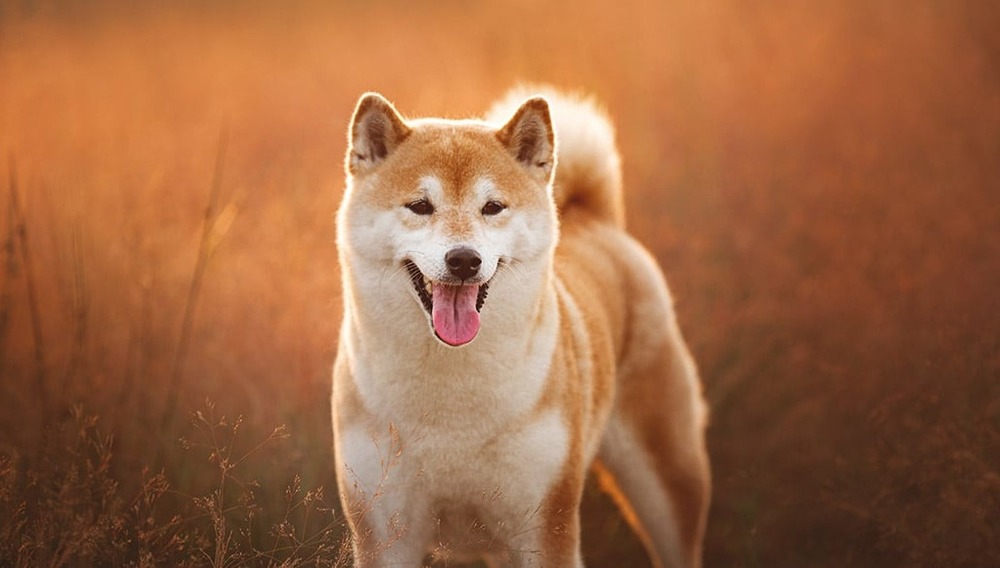
Training a Shiba Inu is usually less about teaching and more about building buy-in. Short sessions, positive reinforcement, and practising around distractions gradually tend to work better than repeating cues until everyone is annoyed.
Two areas deserve extra attention:
- Recall and off-lead safety: many Shibas are not reliable off-lead in unfenced areas. This is not a training failure, it is a realistic risk assessment.
- Handling tolerance: teach cooperation with grooming, vet checks, and being touched, using gradual desensitisation and rewards. This can prevent future battles.
Exercise needs vary by individual, but most Shibas benefit from daily walks plus opportunities to sniff, explore, and use their brain. Think less about clocking kilometres and more about providing structured outlets that keep them settled at home.
Health considerations to discuss with your vet
Shiba Inus are often considered generally robust, but they can still be affected by inherited and lifestyle-related issues. Three conditions owners commonly hear about include:
- Hip dysplasia: a developmental condition that can lead to arthritis and pain, diagnosis is typically supported by radiographs (X-rays).3
- Patellar luxation: a kneecap that can slip out of place, sometimes seen as a skipping gait, severity varies widely.4
- Glaucoma and other eye disease: eye conditions can be painful and time-sensitive, so prompt veterinary assessment matters if you notice squinting, redness, cloudiness, or apparent vision changes.5
Good breeding practices and early veterinary guidance help, but so do the basics that are easy to underestimate: keeping your Shiba at a lean weight, maintaining regular dental care, and building a routine your dog can cope with calmly.
Grooming a double coat without making it a drama
A Shiba’s coat is designed to shed, and the heavy seasonal shed is normal. For many double-coated dogs, weekly brushing is a reasonable baseline, with more frequent sessions during peak shedding.7 The goal is to remove loose undercoat and prevent matting in friction areas, not to chase a permanently hair-free house.
It also helps to treat grooming as a handling exercise, not a single task. Aim for short, calm sessions and finish before your dog hits their limit. That is often the difference between “my Shiba tolerates brushing” and “my Shiba tries to leave the postcode”.
Heat and summer management, especially in Australia
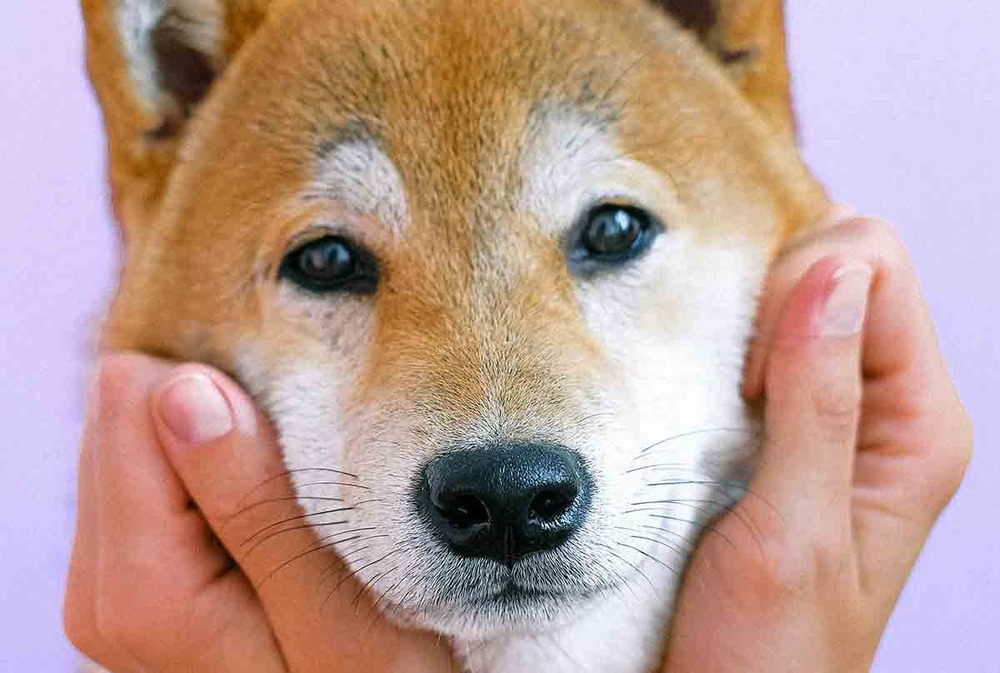
Shibas have a thick coat and can struggle in hot or humid conditions. Practical summer habits make a difference: walk early or late, provide shade and water, and avoid hot surfaces like asphalt that can burn paws.6
If you ever suspect heatstroke, treat it as an emergency. RSPCA guidance recommends moving the animal to a cool area, applying cool or tepid water (not ice), using airflow like fanning, and getting to a vet promptly.6
Recognition and popularity, what it does and does not tell you
The Shiba Inu was recognised by the American Kennel Club in 1992.8 Breed recognition and social media popularity can make a Shiba feel familiar before you have lived with one, but the lived reality still comes down to the individual dog and the household you can offer.
If you are considering a Shiba, it is worth thinking honestly about your comfort with a dog that may not enjoy being handled, may not be reliably off-lead, and may prefer calm predictability over constant novelty. If that sounds like a relief rather than a disappointment, you may be well matched.
References
- National Shiba Club of America (AKC): Shiba Inu breed standard
- Nihon Ken Hozonkai (NIPPO): Natural monuments and the six Japanese breeds
- Merck Veterinary Manual (Pet Owner Version): Hip dysplasia in dogs
- American College of Veterinary Surgeons (ACVS): Patellar luxation (kneecap dislocation)
- American College of Veterinary Ophthalmologists (ACVO): Glaucoma in pets
- RSPCA Australia: Keeping your pet safe during heat
- RSPCA Pet Insurance Australia: Guide to dog cleaning and grooming
- American Kennel Club: Breeds by year recognised
- RSPCA Pet Insurance Australia: Heatstroke (hyperthermia) guide for cats and dogs