

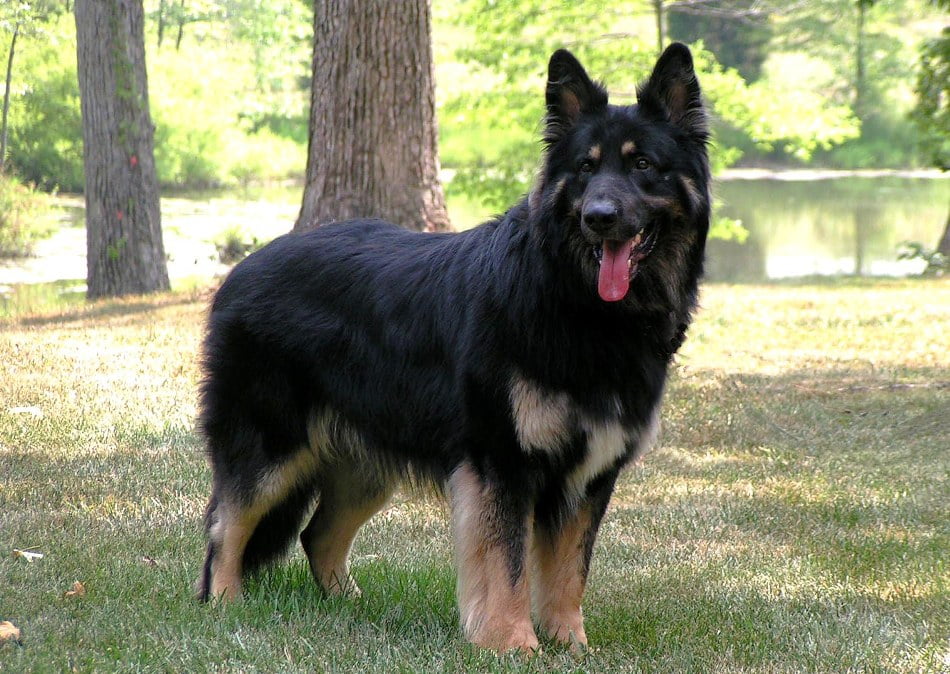
You might first notice a Shiloh Shepherd because they look familiar but not quite, like a German Shepherd with a bigger frame and a softer outline. People often come across the name through breeder listings, therapy dog conversations, or a neighbour’s very large, very calm shepherd type dog and start wondering what, exactly, they are looking at.
It is easy to assume the differences are mostly cosmetic, a longer coat here, a taller dog there. In practice, the Shiloh Shepherd was developed with a particular goal in mind: a large companion dog with shepherd intelligence, steadier composure, and structure that supports a working life without constant wear and tear. That aim matters when you are choosing a dog to live closely with people, or when you are trying to understand the needs of the one you already have.
Shilohs can be a wonderful fit in the right home, but they are not “big shepherd equals easy family dog” by default. Size changes everything, including training priorities, feeding choices, travel logistics, and the way you manage health risks.
Quick profile: what owners usually notice first
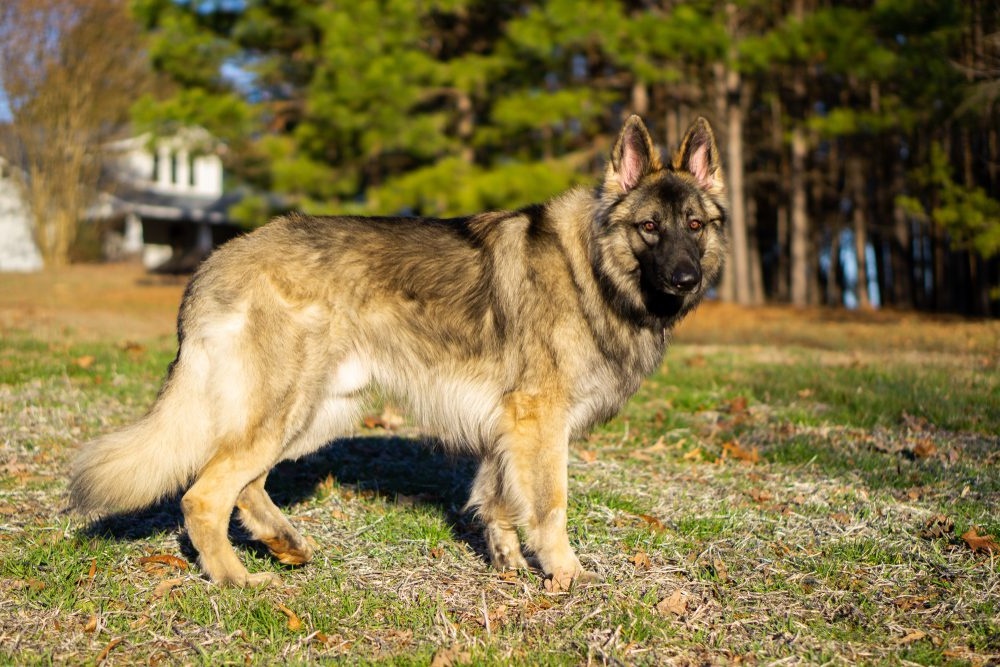
The Shiloh Shepherd is a contemporary breed developed in the United States. Breed clubs describe it as a large, balanced dog intended to be an adaptable companion with a calm, steady temperament and a willingness to work when asked.1
- Size: typically very large, with breed standards describing adult heights around 26 to 32 inches at the shoulder (about 66 to 81 cm), depending on sex.1
- Coat: double coat, usually in plush or smooth varieties, with seasonal shedding.1
- Temperament: often described as calm, people-oriented, and capable of therapy-type work when well bred and well trained.1
If you are comparing a Shiloh to a German Shepherd, the most useful question is not “which is better?”, but which breeding goals sit behind the dog in front of you, and whether your daily life supports those needs.
History and development
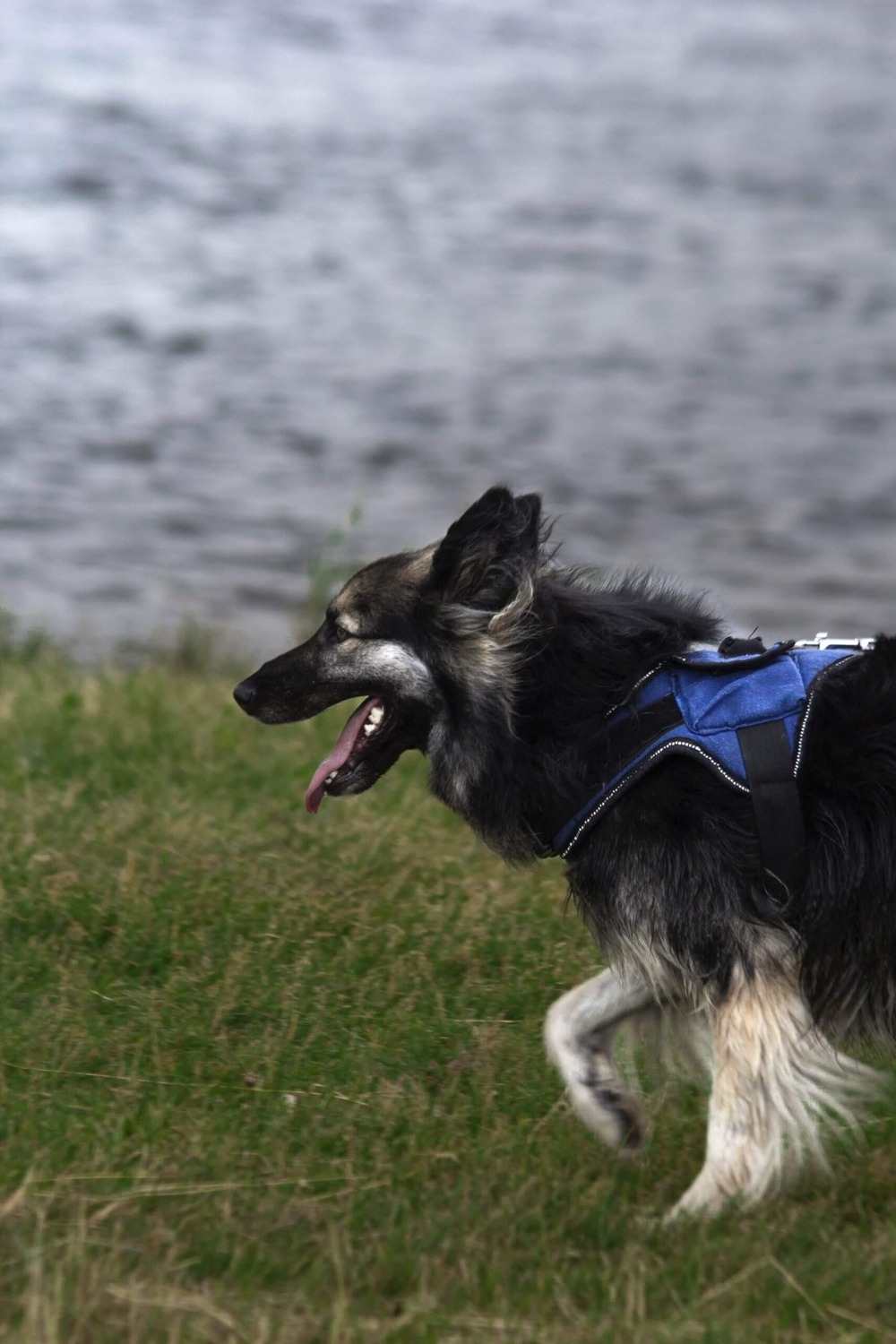
Most accounts trace the Shiloh Shepherd to breeder Tina Barber, who began developing a distinct line of shepherd type dogs in the 1970s, with an emphasis on size, soundness, and a calmer companion temperament than some contemporary working lines.2
Breed club histories describe the Shiloh becoming formally recognised through registries in the early 1990s, alongside the creation of breed organisations and a dedicated registry system for tracking pedigrees and health factors within a limited gene pool.2
This “small population” reality is worth keeping in mind. It does not mean every Shiloh is unhealthy, but it does mean health testing and transparent records carry extra weight when you are assessing a breeder or an adult dog.
What they look like and why it matters
Shiloh Shepherds are typically described as large, muscular, and longer than tall, with an athletic outline rather than a heavy, cumbersome build. Breed standards place a strong emphasis on overall balance and movement, not just height.1
Coat and colour can vary. Sables and bi-colours are common, and some standards also allow solid black and solid white. Many Shilohs carry a dense undercoat that insulates well in cooler weather, which can be a comfort in winter but needs thoughtful management in heat.1
In day-to-day life, physical structure shows up in small ways. A big dog with a deep chest needs space to turn comfortably in the home, a car set-up that keeps them stable, and owners who are prepared for the reality of lifting, supporting, and managing a heavy animal if injury occurs.
Temperament and behaviour in a family home
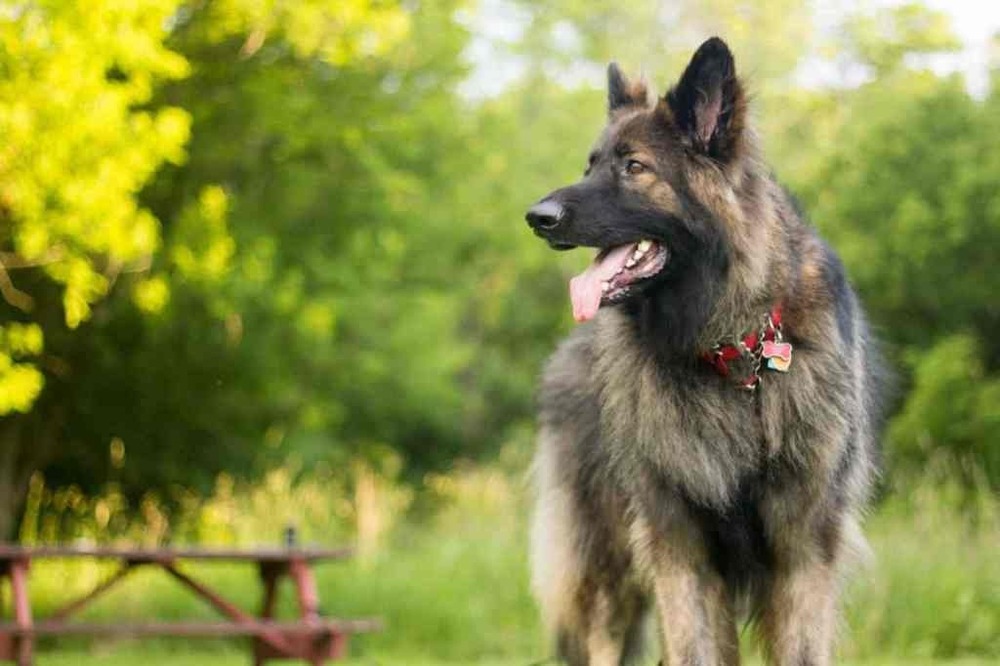
Breed standards and breed clubs describe the ideal Shiloh as confident, composed, and people-focused, with steadiness around everyday noise and novelty. In well-bred dogs, you often see a watchful, observant style rather than a constantly “on” temperament.1
That said, no standard replaces the individual dog in front of you. Genetics, early experiences, and the home environment all shape behaviour. A Shiloh who has not been carefully socialised may still become wary, over-aroused, or reactive, particularly as adolescence hits and the dog’s size starts to match their feelings.
With children, the most important factor is usually not “gentleness” as a trait, but management and training. A large dog can unintentionally bowl a child over, and a child can unintentionally push a young dog past their comfort zone. Calm routines, adult supervision, and teaching both sides how to share space go a long way.
Training, socialisation, and exercise
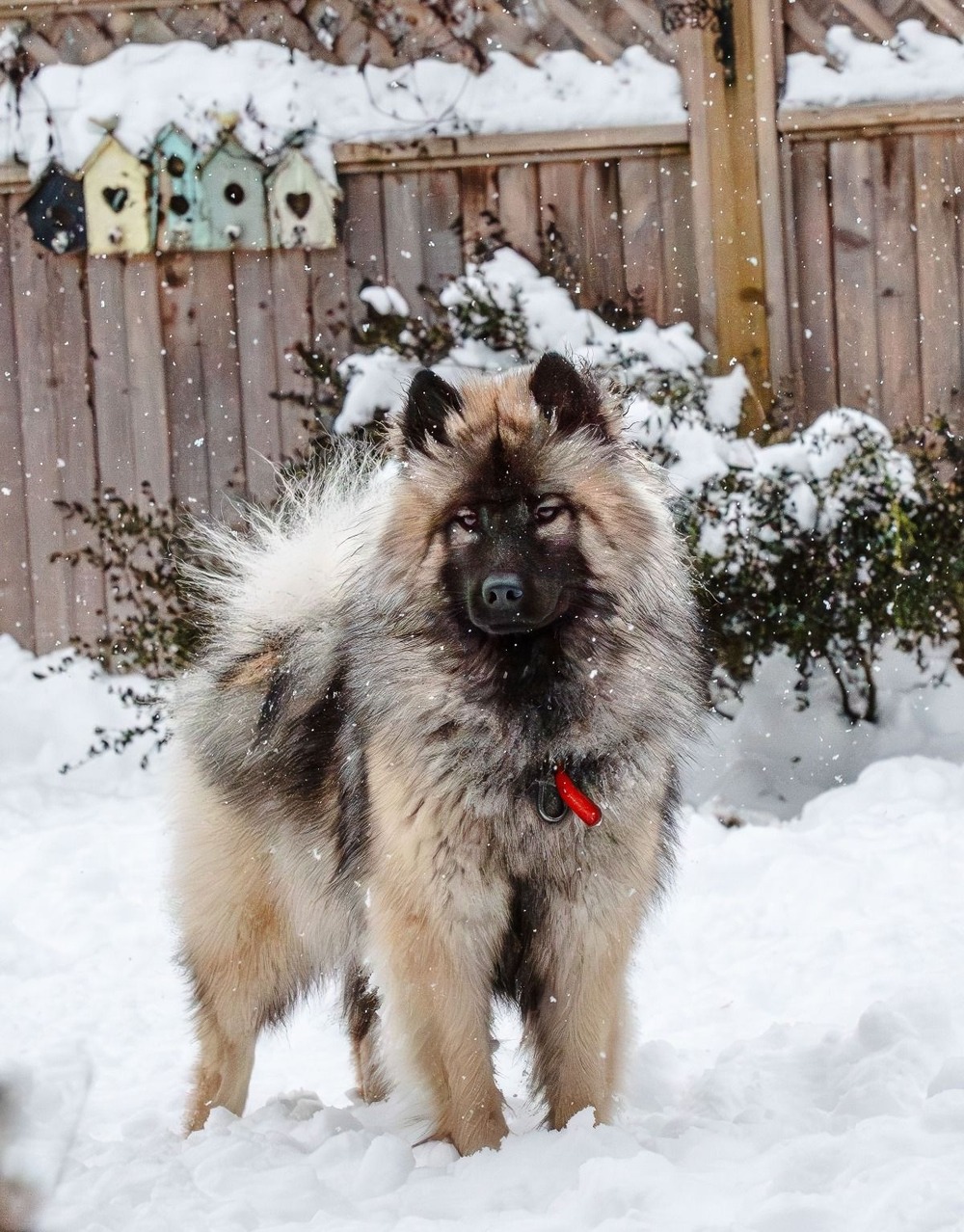
Shiloh Shepherds tend to learn quickly, but big, intelligent dogs do not thrive on drilling or harsh corrections. Reward-based methods are widely recommended for puppies because they build cooperation, confidence, and good habits without adding unnecessary stress.6
Socialisation is often misunderstood as “meeting lots of dogs”. In reality, it is about safe, positive experiences with the world, including surfaces, sounds, handling, visitors, and calm exposure to novelty. Australian guidance commonly notes a critical socialisation window in early puppyhood, roughly from 3 to 17 weeks, where gentle, structured exposure can shape later behaviour.6
Exercise needs are usually best thought of as a blend of physical activity and brain work. Many Shilohs enjoy long walks, hiking, and training games, but they also benefit from decompression time where they can sniff and move at their own pace. A tired dog is not always a well-trained dog, so aim for steady routines, good sleep, and short, regular training sessions.
Health considerations and lifespan
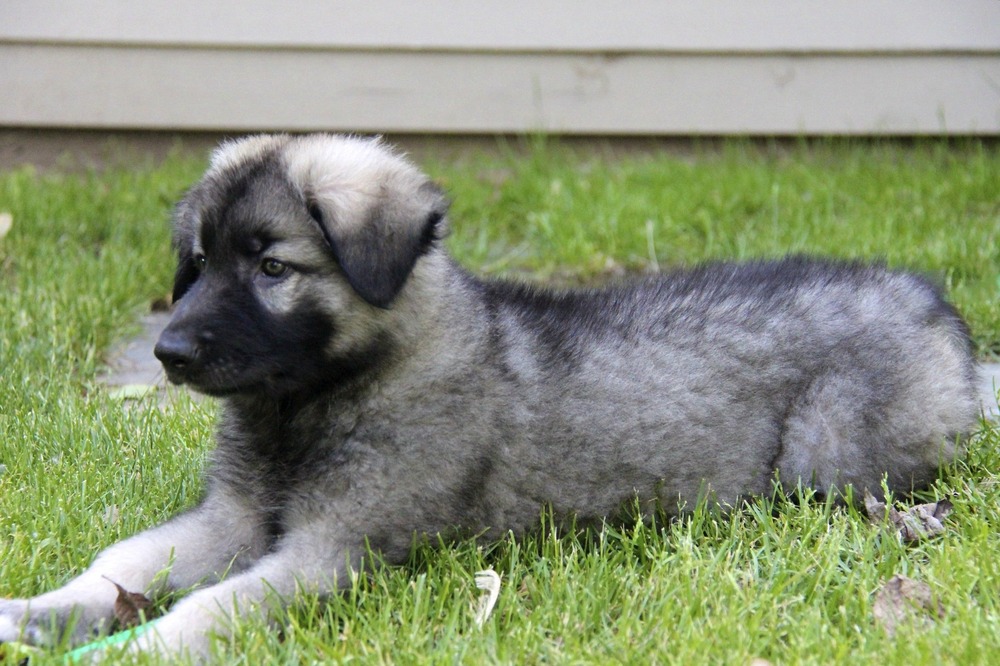
Shiloh Shepherds are a large, deep-chested type of dog, which makes a few health topics especially relevant in conversation with your vet. Two of the big ones owners tend to hear about are joint disease (including hip dysplasia) and gastric dilatation-volvulus (GDV), often called bloat.
GDV is a true emergency. It involves stomach dilation and, in some cases, twisting, which can quickly become life-threatening. Risk is higher in large and deep-chested dogs, and factors such as eating quickly, feeding one large meal a day, family history, and exercising soon after eating are commonly discussed in veterinary guidance.3, 4
For some high-risk dogs, vets may discuss a preventative procedure called gastropexy, particularly when a dog is already undergoing surgery for another reason. This is not a decision to make from internet advice alone, but it is worth raising as a calm, practical conversation if your dog has the build and family background that increases risk.3
Lifespan estimates vary by line and by source, but Shilohs are often described as living roughly within the broad range you would expect for a very large dog. Your best “health plan” is boring, consistent care: maintaining a lean body condition, appropriate exercise, routine vet checks, and choosing breeders who can show meaningful health testing and pedigree transparency.
Grooming and everyday maintenance
A Shiloh’s coat can look effortless, but it is not maintenance-free. Weekly brushing is a realistic baseline for many dogs, and during seasonal coat blows you may need to brush more often to prevent tangles and reduce hair build-up in the home.
Focus on comfort as much as appearance. Gentle coat care gives you regular chances to check skin, ears, and feet, and to notice small changes early. For large breeds, nail care also matters because long nails can subtly change posture and loading through joints over time.
If your dog is heat-sensitive, grooming choices should support cooling rather than chasing a “neat” silhouette. Double coats insulate in both directions, so avoid shaving unless your vet recommends it for a medical reason.
Diet and feeding habits for a big, active dog
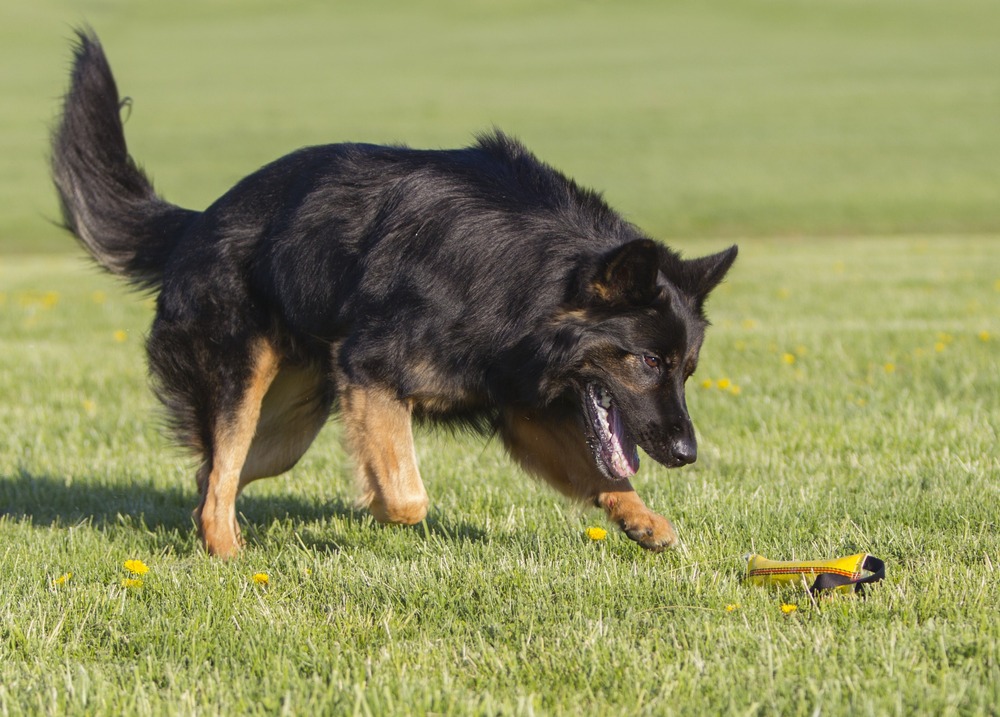
Large dogs do best when diet decisions are made with both nutrition and behaviour in mind. A “good” food is one your dog can digest well, that keeps them in lean condition, and that fits your household routine without turning meals into a daily battle.
Because GDV risk is often discussed in deep-chested dogs, many vets recommend practical feeding habits such as splitting food into two meals, slowing down fast eaters, and avoiding hard exercise immediately after eating.3, 4
If you are unsure whether a diet is appropriate, it can help to use established veterinary nutrition frameworks when you speak with your clinic. The World Small Animal Veterinary Association provides guidance for pet owners on how to evaluate diets and how to have a useful nutrition conversation with your vet team.8
Is a Shiloh Shepherd right for you?
Shiloh Shepherds can be a lovely match for people who want a large companion dog with a thoughtful temperament and who enjoy training as part of everyday life. They usually suit households that have the time and space for consistent exercise, grooming, and ongoing social learning.
They are often less comfortable as a “weekend dog” where most stimulation comes in bursts, or where the dog spends long hours under-exercised and under-supervised. With a giant breed, small gaps in training and management can become big problems simply because the dog has size and strength behind them.
If you are choosing a breeder, look for calm, clear answers about health testing, temperament goals, and how puppies are raised. A reputable breeder should be able to describe what they are selecting for, what they are actively avoiding, and how they support owners after the puppy goes home.
References
- International Shiloh Shepherd Dog Club (ISSDC): Shiloh Shepherd Breed Standard
- Shiloh Shepherd Resource Centre (Shiloh Shepherd Pedigrees): History
- American Animal Hospital Association (AAHA): Understanding Canine Bloat (GDV)
- Cornell University College of Veterinary Medicine: Gastric dilatation volvulus (GDV) or “bloat”
- American Kennel Club (AKC): Bloat (GDV) in Dogs
- RSPCA Knowledgebase: Is socialising my puppy important?
- RSPCA Australia: Socialising your puppy
- World Small Animal Veterinary Association (WSAVA): Global Nutrition Guidelines
- VetSurg (Australia): Prophylactic gastropexy in dogs to prevent GDV