

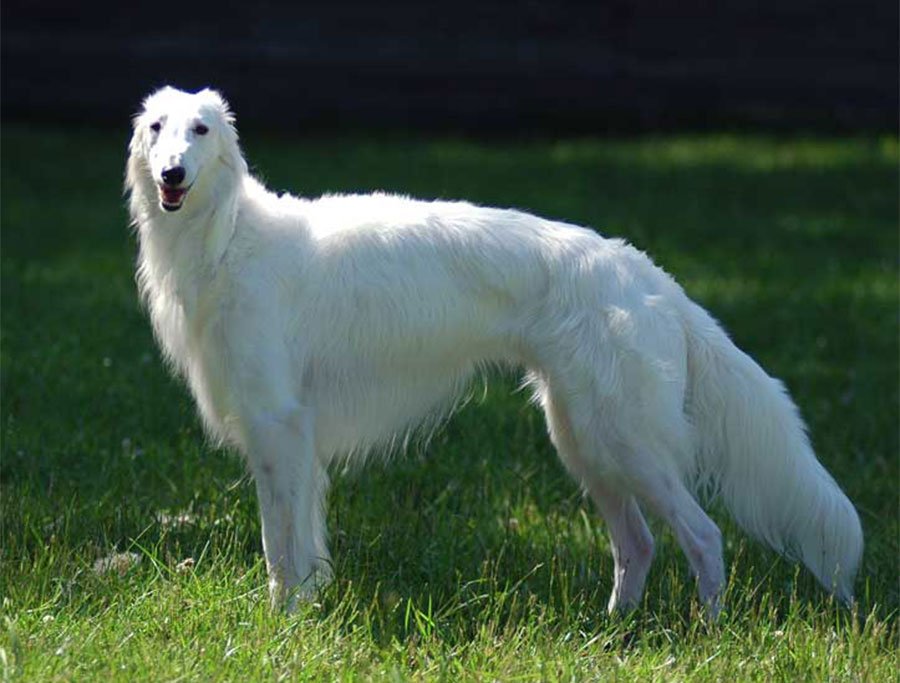
- Breed category: Sighthound
- Country of origin: United States
- Average height: Males 47 to 60 cm, females 46 to 58 cm
- Average weight: Males 15 to 25 kg, females 10 to 20 kg
- Typical lifespan: About 12 to 16 years
- Grooming requirements: Moderate, regular brushing
- Exercise requirements: High, daily exercise needed
- Coat type: Silky, medium length
- Coat colours: Wide range of colours and patterns
- Shedding level: Moderate
- Ear type: Semi-pricked or rose
- Tail type: Long, curved
- Temperament: Friendly, affectionate, gentle
- Intelligence level: High
- Barking tendency: Often low
- Compatibility with children: Often good with gentle handling
- Compatibility with other pets: Variable, depends on socialisation and the other animal
- Training ease: Moderate, responds best to reward-based methods
- Common health considerations: Varies by line, responsible breeders health test
- Dietary needs: Balanced, complete diet suited to life stage
- Energy level: High outdoors, usually calm indoors once exercised
- Drooling tendency: Low
- Weather sensitivity: Often feels the cold, many need a coat in winter
- Overall maintenance level: Moderate
- Original purpose: Companion, sport, and show
- Registry milestone: ISWS chartered in 1999
- Kennel club recognition: UKC recognition in 2011
- Apartment suitability: Possible, if exercise and enrichment are consistent
- Best suited for: Active homes that enjoy training, running, or dog sports
You might notice one at the park and do a double take. It has that unmistakable sighthound outline, light on its feet and built for speed, but with a soft, flowing coat you do not usually associate with the lean sprinter types.
People often assume a sighthound will be either frantic and hard to manage, or so laid-back it barely needs anything. The Silken Windhound tends to sit in the middle: athletic when given space, then surprisingly settled at home when its needs have been met. That balance is part of the appeal, and also where most of the real-world care questions come from.
It is also a modern breed with an unusual amount of documentation around its development and registry. That matters if you are trying to make sense of recognition, health testing, and what responsible breeding looks like for a comparatively young sighthound.
Where the Silken Windhound came from
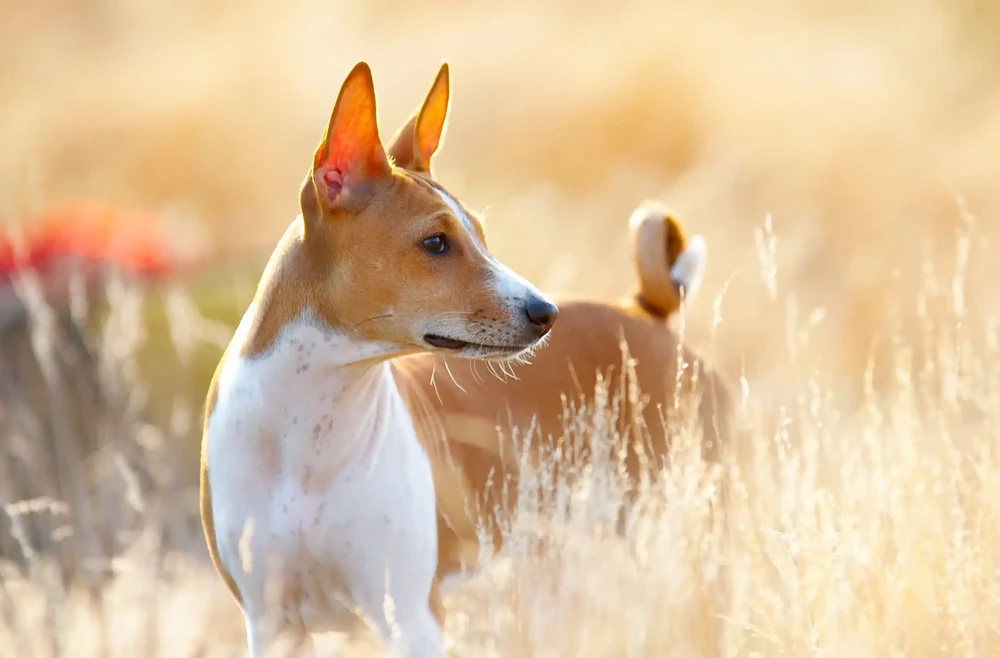
The Silken Windhound was developed in the United States in the 1980s by Borzoi breeder Francie Stull (Kristull Kennels), with the aim of producing a small to medium sighthound with a long, silky coat and a companionable temperament.1, 2
Early foundation stock drew on Borzoi lines and Whippet influence, along with small sighthound type dogs used to help shape size, coat, and overall versatility. Over time, a consistent type emerged, and the breed community formalised around record keeping, a breed standard, and events.2, 3
If you are comparing dates you might see several mentioned online. A helpful way to hold it in your head is this: the name “Silken Windhound” was adopted in the late 1990s, the International Silken Windhound Society (ISWS) was chartered in 1999, and UKC recognition followed in 2011.2, 3
Appearance, movement, and what it tends to mean day to day
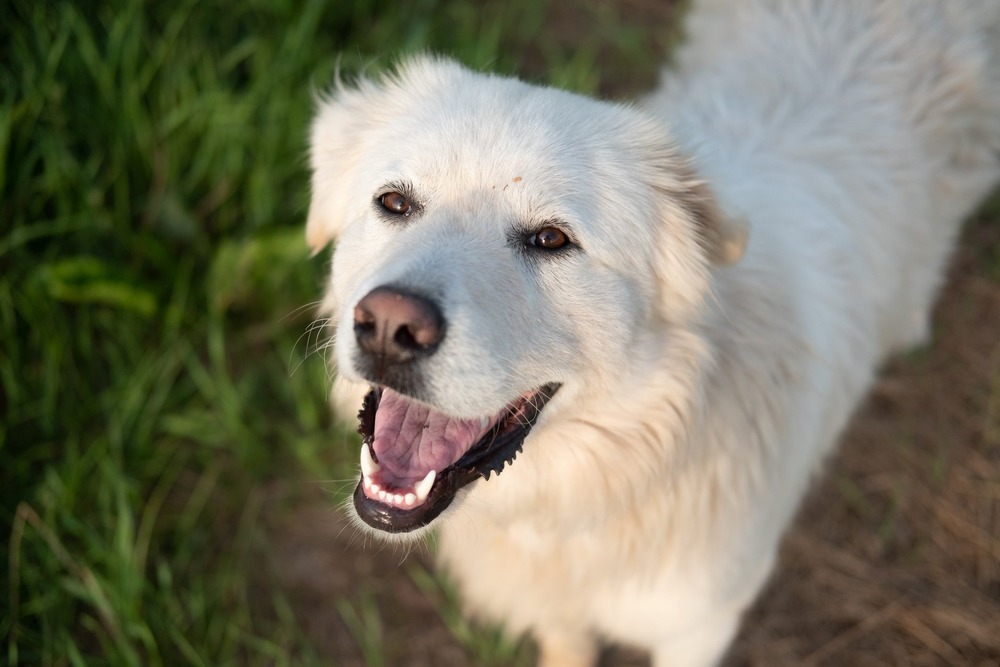
Silkens are built like sighthounds: deep-chested, long-limbed, and economical in motion. The coat is soft and silky, and can be straight, wavy, or slightly curly, with a wide range of colours and markings.4
That structure usually shows up in everyday life as bursts of speed rather than constant activity. Many are happiest with a routine that includes safe off-lead running in a properly enclosed area, plus relaxed walks that let them sniff, look around, and decompress.
The coat changes the practicalities more than people expect. It is not the heavy, dense coat of a double-coated breed, but it can pick up burrs and tangles, and it does not automatically make a dog “all-weather”. Many Silkens still feel the cold, particularly if they are lean, older, or standing still for long periods.
Temperament, family life, and other pets
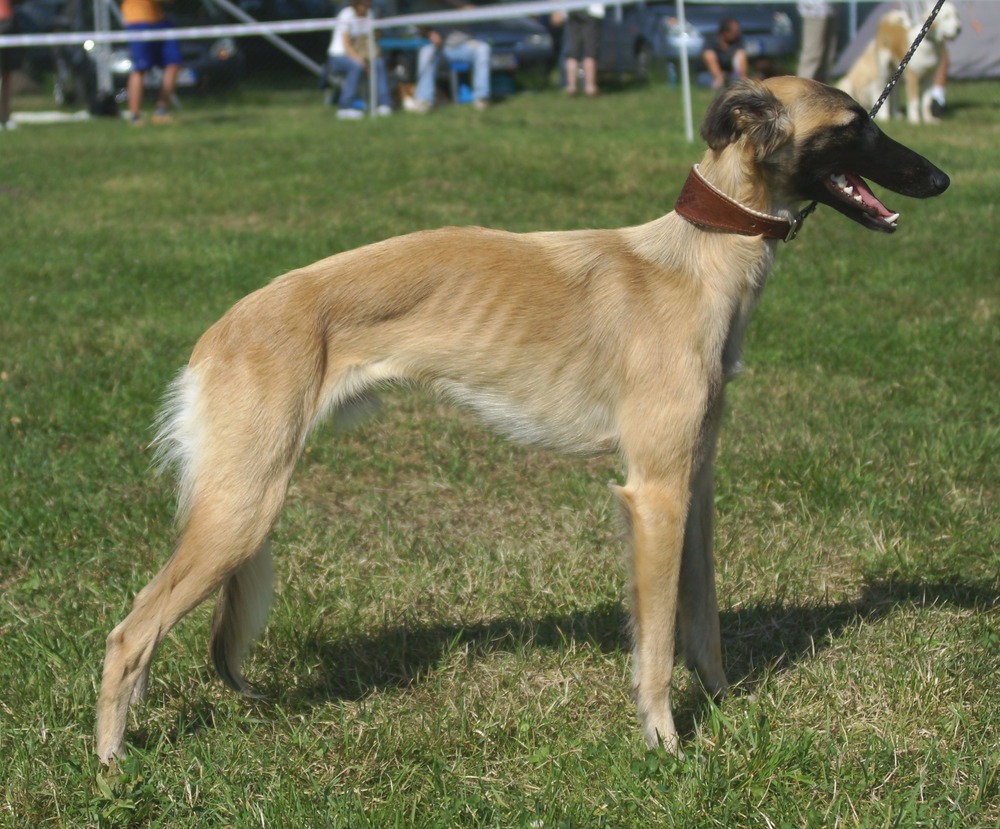
Well-bred Silkens are generally described as friendly, people-oriented dogs that enjoy being part of the household, not a dog that lives on the edges of it. They often train nicely with reward-based methods, particularly when sessions stay short, calm, and consistent.5
With children, the match is often good when the adults set things up properly. This is a dog with a fine-boned, athletic body, so it tends to do best with kids who can be gentle, and with families who are willing to supervise, teach calm handling, and provide the dog with a quiet retreat.
With other animals, it helps to be clear-eyed about sighthounds. A Silken may live peacefully with cats or small dogs, especially if raised alongside them, but prey drive can be real. Early socialisation helps, but management is what keeps everyone safe, especially outdoors where fast movement can trigger chasing.5
- Use secure fencing and a lead near roads and wildlife.
- Introduce small pets slowly, with barriers and supervision.
- Practise recall, but assume it is a work in progress around high-value distractions.
Training and exercise that suits a sighthound brain
Silkens often respond best to training that feels like a conversation rather than a contest. Heavy-handed corrections can shut some dogs down, while overly repetitive drills can make them switch off. Clear cues, gentle boundaries, and rewards that actually matter to the dog usually get you further.
In terms of exercise, think in layers. A daily walk matters, but so does the chance to run, and so does mental enrichment (tracking games, basic obedience, shaping, calm social outings). Many owners find dog sports a good fit, particularly lure sports where the dog can use its natural strengths in a safe, structured way.5
The main safety note is simple: a running sighthound needs space and containment. Choose fully enclosed areas, check gates, and avoid relying on voice control alone in places where one chase could end in a road accident.
Health and responsible breeding: what to look for
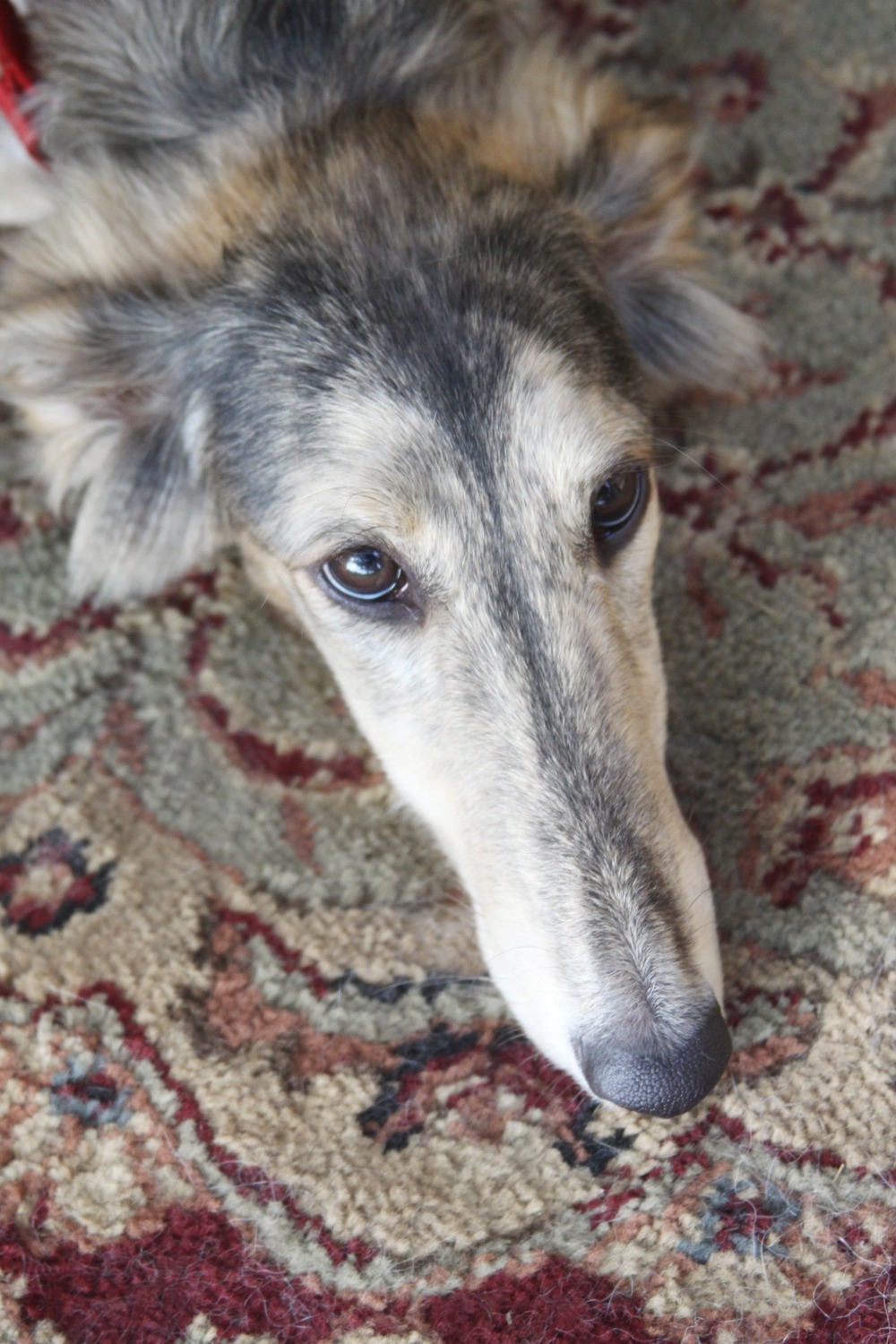
Silken Windhounds are often described as generally healthy, and many owners report long-lived dogs. Still, any individual dog can be affected by inherited conditions, and the practical difference between “healthy breed” and “healthy puppy” is the work done behind the scenes by responsible breeders.5
One notable feature of the breed is the ISWS approach to record keeping and parentage verification. ISWS registration has been tied to a structured registry, and the breed community maintains a DNA database used for parent verification and breeding records.3, 6
If you are talking to a breeder, ask what health screening they do and how they decide which dogs to mate. A good conversation usually includes both the strengths and the limitations of their lines, plus what support they offer as the puppy grows.
Grooming and coat care in the real world
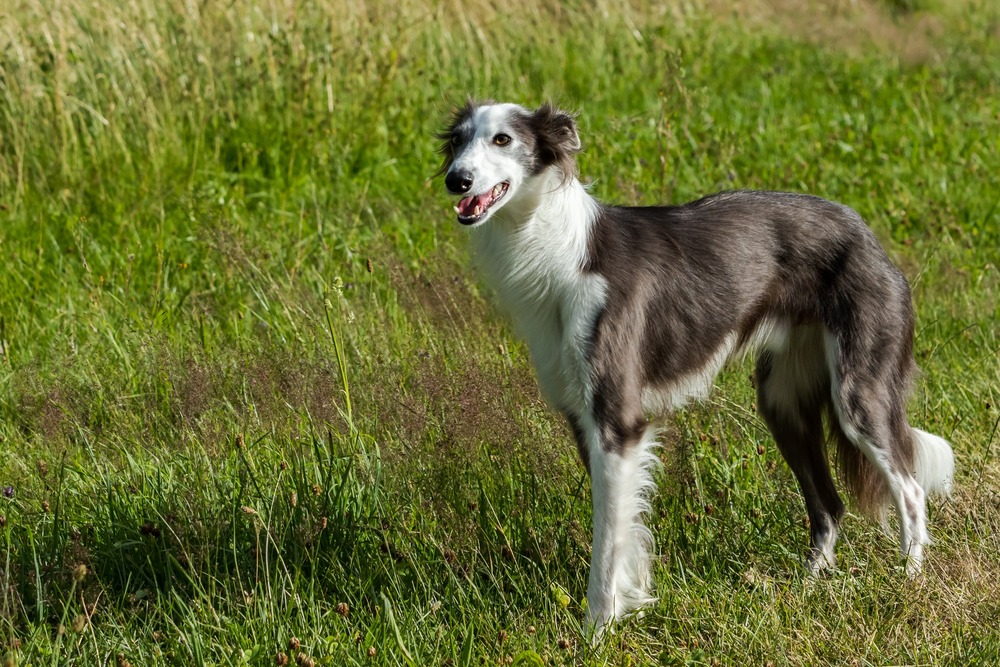
The Silken coat is lovely to live with, but it does ask for routine. For most dogs, a thorough brush a couple of times a week is enough to prevent mats, especially behind the ears, at the feathering, and anywhere a harness rubs.
Seasonal shedding varies, and some lines seem to shed more than others. The goal is not perfection, it is comfortable skin and a tangle-free coat. A quick check after bushy walks can save you a frustrating grooming session later.
Do not forget the unglamorous parts of care: nails, ears, and teeth. Dental disease is common in pet dogs, and toothbrushing is widely recommended as a primary at-home tool, even if you only manage a few times a week at first.7, 8
Feeding and keeping a lean, strong body
Silkens tend to look naturally slim, which can confuse people used to stockier breeds. A healthy sighthound physique is usually lean, with a visible waist and a tucked-up abdomen, but not bony. Your vet can help you judge body condition without chasing a number on the scales.
Choose a complete, balanced diet suited to your dog’s life stage, and adjust portions with the seasons. Many sighthounds fluctuate a little with activity levels, and treats can add up quickly during training phases.
If you are increasing exercise, do it gradually and keep an eye on stools, appetite, and coat condition. These small signals often tell you more about how a diet is working than a label ever will.
Final thoughts on living with a Silken Windhound
A Silken Windhound can be a deeply pleasant dog to share a home with, particularly if you like quiet companionship punctuated by real athleticism. The best matches are usually households that enjoy daily movement, value gentle training, and are willing to manage the realities of a fast dog with a chasing instinct.
If you are meeting Silkens for the first time, it is worth watching them for a while. When they are well-socialised and comfortably handled, you often see a dog that can sprint like a specialist, then settle like it has nowhere else it needs to be.
References
- Kennel Kristull, Silken Windhound History
- Silken Windhound Club of America, History of the Breed
- International Silken Windhound Society (ISWS), About ISWS Registration
- Worldly Dogs, Silken Windhound (breed overview and standard summary)
- The Spruce Pets, Silken Windhound: Dog Breed Characteristics and Care
- International Silken Windhound Society (ISWS), Pedigree Database and registry purpose
- FOUR PAWS Australia, Dental care for dogs and cats
- Dogs Life, Dental care for dogs (includes AVDS comment on brushing frequency)