

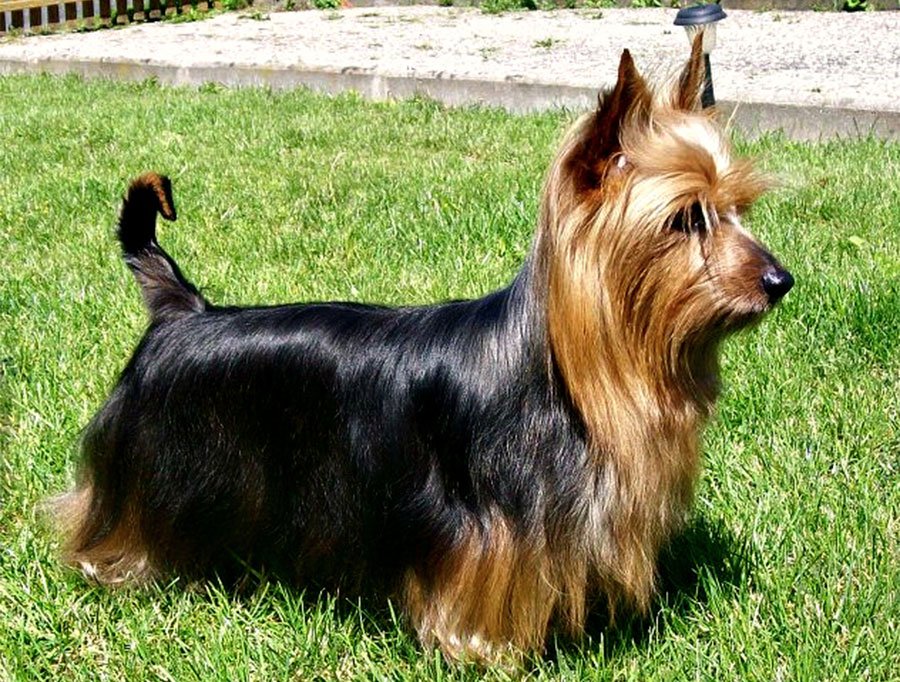
You often notice Silky Terriers before you properly meet one. A small dog with a bright, tidy outline, a coat that looks like it belongs in a show ring, and a way of moving that says, quietly, “I’m here and I’m watching.” Then, a few minutes later, you see the other side of the breed, the terrier side, curious, quick, and ready to involve themselves in whatever is happening.
Because they are little, people sometimes assume a Silky will naturally suit a low-effort lifestyle. In practice, they tend to do best with someone who enjoys daily routines: short training sessions, regular grooming, and just enough walking and play to keep a smart, energetic dog settled.
Silkies can be wonderful companions in a flat or a house, but the fit comes down to expectations. If you like a dog who is small but not passive, and you are willing to meet them halfway, the breed has a lot to offer.
At a glance: Silky Terrier basics
- Breed group: Often listed in the Toy group (depending on registry)1, 2
- Country of origin: Australia2
- Height: About 23 to 26 cm1, 2
- Weight: Typically in proportion to height (many adults sit around 3.5 to 4.5 kg)1
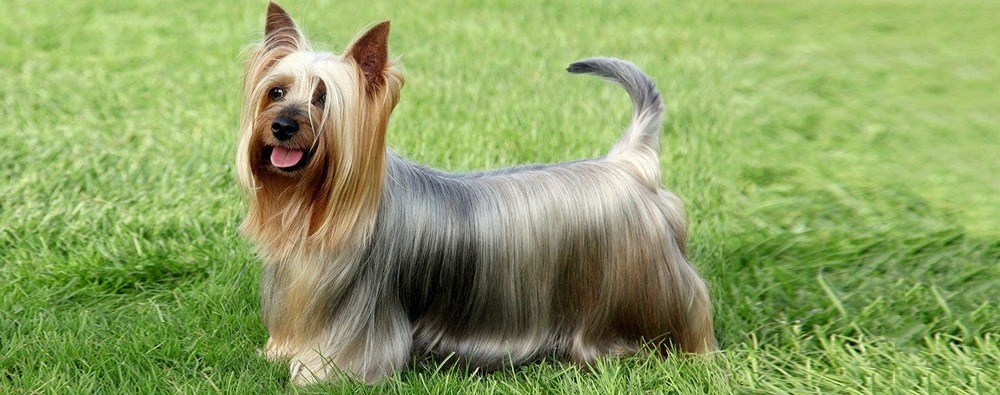
- Coat: Straight, flat, fine, glossy, silky texture2
- Common colours: Blue and tan shades2
- Life expectancy: Often around 12 to 15 years (individuals vary)
History and origin
The Australian Silky Terrier developed in Australia from British terrier roots, and is closely related to the Australian Terrier and Yorkshire Terrier.2 Over time, breeders refined a dog that could live closely with people while still keeping classic terrier traits: alertness, speed, and a willingness to investigate every corner of the yard.
Even if your Silky has never seen a rat, the original “vermin dog” purpose still shows up in day-to-day life. Many Silkies retain a strong interest in movement, rustling shrubs, fast toys, and anything that looks like it might be worth chasing. It is not “bad behaviour” so much as a working heritage in miniature.
Recognition timelines vary by kennel club. In the United States, the American Kennel Club lists the Silky Terrier as recognised in 1959.3 Internationally, the breed is recognised by the FCI as breed number 236.4
Physical characteristics
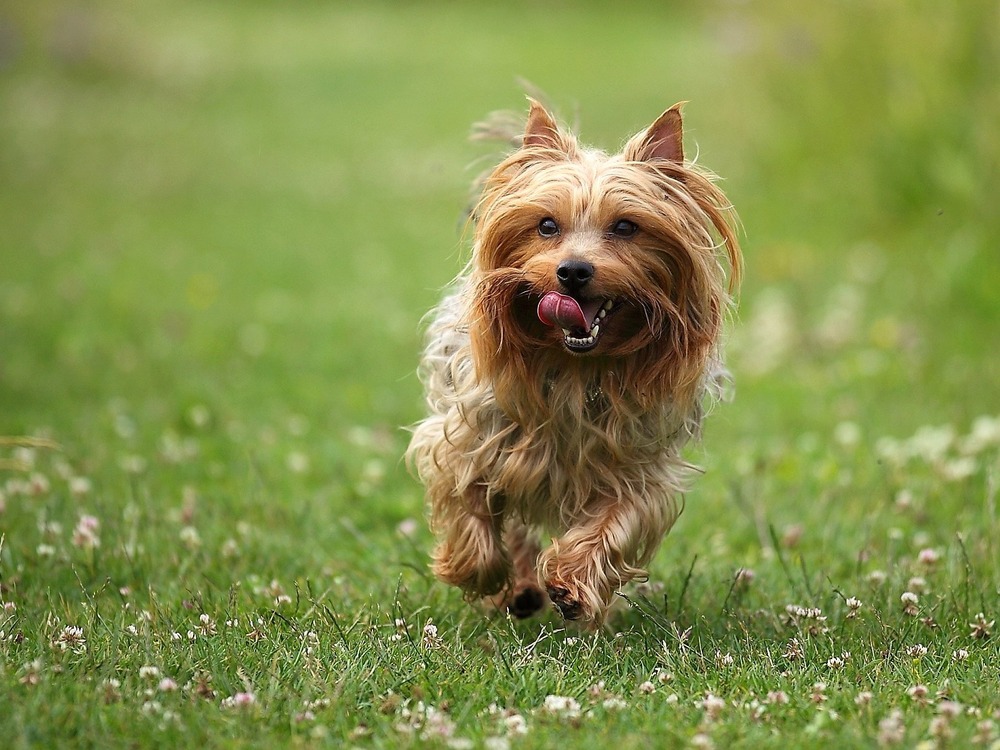
Silkies are small, compact terriers with a refined outline. Breed standards describe a straight coat that parts along the back and falls to either side with a glossy, silky texture.1, 2 The overall look is neat rather than fluffy, and the coat should not be so long that it interferes with movement.2
That coat can be a point of confusion for first-time owners. A Silky does not typically shed heavily, but the hair can tangle, matt, and collect debris if it is left to its own devices. In other words, you may have less hair on the couch, but you will still need a plan.
Most Silkies carry themselves with an alert expression, pricked ears, and a terrier-like readiness to respond to sound and movement.2 It is part of the breed’s charm, and also a clue that they appreciate outlets for their attention and energy.
Temperament and behaviour in everyday homes
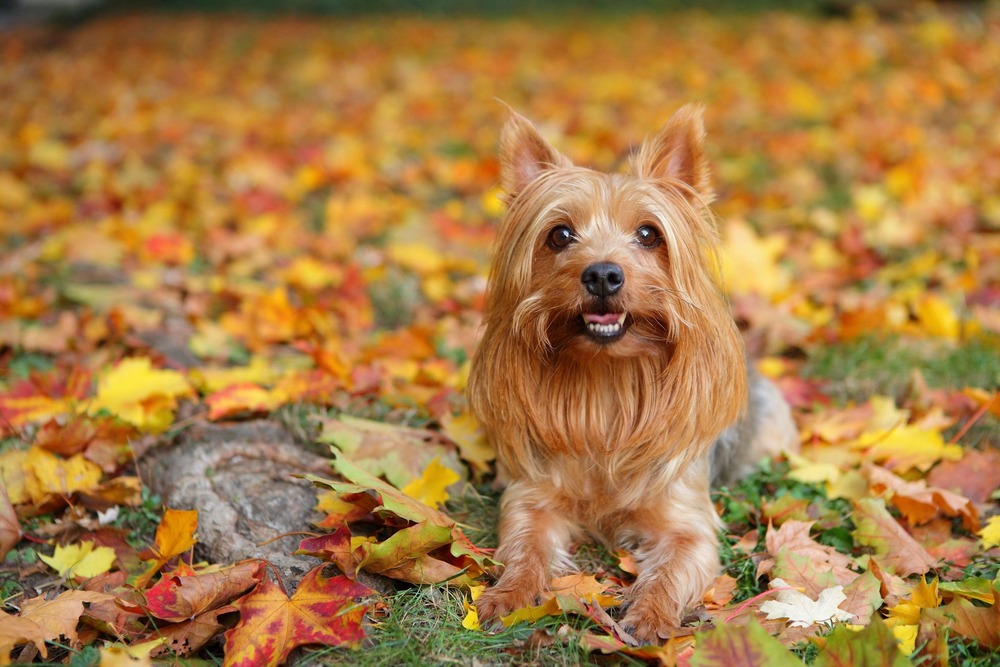
People often describe Silkies as lively, friendly, and responsive, with a distinctly terrier edge.2 Many are deeply people-focused and enjoy being in the middle of household life, watching what you are doing, and tagging along from room to room.
They are also frequently vocal. In an urban setting, that can mean they will notice hallway sounds, visiting friends, and birds on the balcony. Rather than trying to “stop barking” as a single goal, it helps to think in terms of teaching what to do instead, such as going to a mat, checking in, or searching for scattered treats.
With children, Silkies often do best with older kids who can handle a small dog gently and read early signs of stress or overexcitement. As with any breed, supervision matters, especially when games get fast and hands get grabby. With other pets, early, calm introductions and ongoing management of chasing behaviour are usually more useful than expecting the dog to “just get used to it”.
Training and exercise needs
Silkies are typically quick learners, but they can be independent, especially if the environment is more interesting than the lesson. Training works best when it is short, consistent, and rewarding. A few minutes here and there, woven into daily life, often beats one long session that leaves you both tired and frustrated.
For exercise, think “moderate, but daily”. Most adult Silkies do well with walks plus some play and brain work at home. Scent games, simple agility-style obstacles, and food puzzles can all help, particularly for dogs who get bored easily.
- Keep sessions short, and end while the dog is still engaged.
- Reward calm behaviour as deliberately as you reward tricks.
- If chasing is a theme, practise recalls and use long lines in open areas.
Health considerations and lifespan
No breed is “problem free”, and small dogs have their own patterns of risk. Two issues often mentioned in Silkies and similar toy breeds are patellar luxation and tracheal collapse.
Patellar luxation involves the kneecap moving out of its normal groove, and it is commonly seen in small and miniature-breed dogs. Signs can include intermittent lameness or a skipping gait, and severity varies from mild to surgical cases.5
Tracheal collapse is more common in toy and miniature breeds and is often associated with a dry, honking cough and breathing effort that may worsen with excitement, heat, or exercise. Management commonly includes weight control and veterinary-guided medication, with procedures reserved for more severe cases.6
In everyday terms, the most practical health supports are the unglamorous ones: keeping your dog lean, maintaining dental care, and seeing your vet early when something changes. If you are choosing a puppy, ask breeders about health screening and how they handle dogs with orthopaedic or airway concerns. A good conversation here is often more valuable than any promise of “perfect health”.
Grooming and maintenance
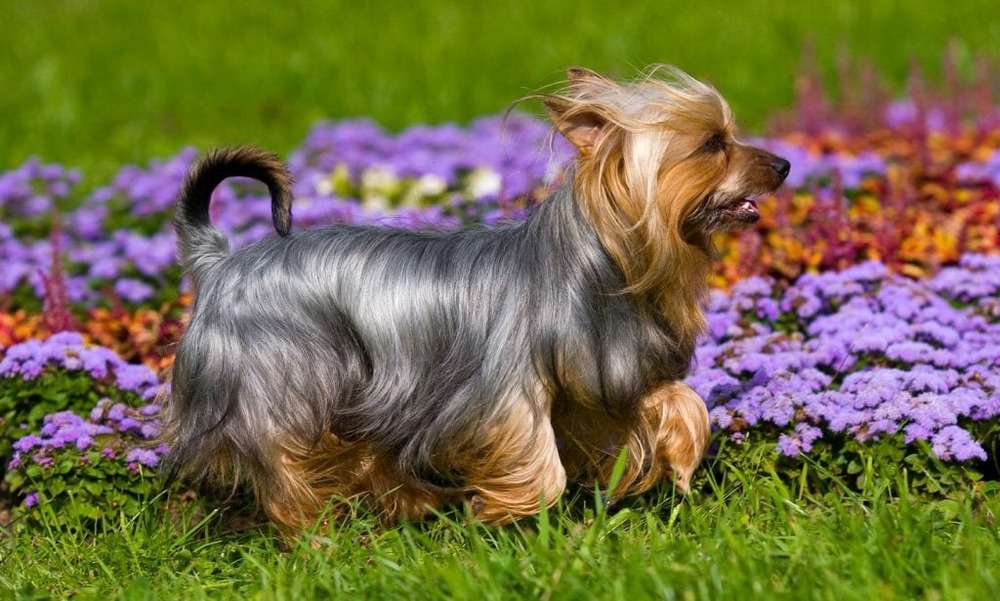
The Silky coat is beautiful, but it is not a set-and-forget coat. Regular brushing helps prevent mats, particularly behind the ears, under the collar area, and around the legs. A fine comb is useful for checking your work, and a light misting spray can reduce breakage if the coat is dry.
Many owners settle into a rhythm of a quick brush a few times a week, plus a more thorough session on the weekend. Professional grooming can make life easier, especially if you prefer a shorter, practical trim that still keeps the classic Silky look.
Do not overlook dental care. Veterinary dental groups note that daily brushing is ideal, and any brushing done regularly is better than none. Plaque tends to build fastest on the outer surfaces of the upper teeth, so even a brief, targeted brush can make a difference.7
Diet and nutrition
Silkies generally do well on a high-quality, complete diet formulated for small breeds, adjusted to their life stage and activity level. The main thing to watch in a small dog is how quickly “extras” add up. A few rich treats each day can shift weight and, in dogs with airway sensitivity, extra weight can make breathing harder.6
If you like sharing food, be clear about what is genuinely safe. Several common household foods are risky for dogs, including chocolate, grapes and raisins, onions and related plants, and cooked bones that can splinter.8, 9 When in doubt, keep human food out of reach and use dog-safe treats measured as part of the day’s intake.
A simple, sensible routine helps most:
- Two measured meals a day for adults (many dogs do well on this).
- Use treats strategically, and count them toward daily calories.
- If coughing, gagging, or digestive upset becomes a pattern, check in with your vet.
Living with a Silky Terrier: what tends to work
Silkies suit people who enjoy a bit of interaction and routine. They often love having a job, even if that job is “find the treats”, “carry the toy”, or “sit politely before the lead goes on”. Consistency, gentle boundaries, and daily engagement usually bring out the best in them.
They can be very adaptable in small spaces, as long as the day includes movement and mental stimulation. Where people get stuck is expecting the dog to be decorative. A Silky is more like a little working terrier in a tidy coat.
If you are considering the breed, it helps to ask yourself one question: are you happy to live with a dog who is bright, watchful, and involved? If yes, the Silky Terrier can be a deeply satisfying companion.
References
- The Kennel Club (UK), Australian Silky Terrier breed standard
- Fédération Cynologique Internationale (FCI), Australian Silky Terrier (No. 236)
- American Kennel Club (AKC), Breeds by Year Recognized
- American Kennel Club, Silky Terrier history
- Merck Veterinary Manual, Patellar Luxation in Dogs and Cats
- Merck Veterinary Manual (Pet Owner), Tracheal Collapse in Dogs
- Veterinary Oral Health Council (VOHC), Brushing
- RSPCA Australia, Household dangers to your pet
- Agriculture Victoria, Human foods to avoid for cats and dogs