

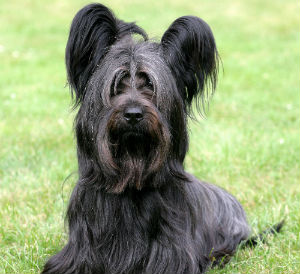
People often come across the Skye Terrier in a photo first, a low, long dog with a coat that falls like a curtain. It can look almost ornamental, the sort of breed you imagine gliding around a lounge room rather than scrambling through scrub. Then you meet one, or you live with one, and you notice the terrier underneath: watchful, quick to form strong preferences, and quietly determined about the world being as they expect it to be.
It is also a breed that tends to suit people who like a bit of subtlety. Skyes are rarely “everyone’s dog”. They can be deeply attached at home, while staying reserved with strangers. That combination can be lovely, and it can also surprise owners who assumed a small-to-medium terrier will automatically be friendly with everyone, and easy-going with other pets.
Understanding where the Skye Terrier came from helps make sense of what you see today, from the long body and weatherproof coat to the tendency to think things through and hold their ground. They are companionable dogs, but they do best when their care is shaped around their structure, their grooming needs, and their terrier instincts.
Skye Terrier origins and what they were bred to do
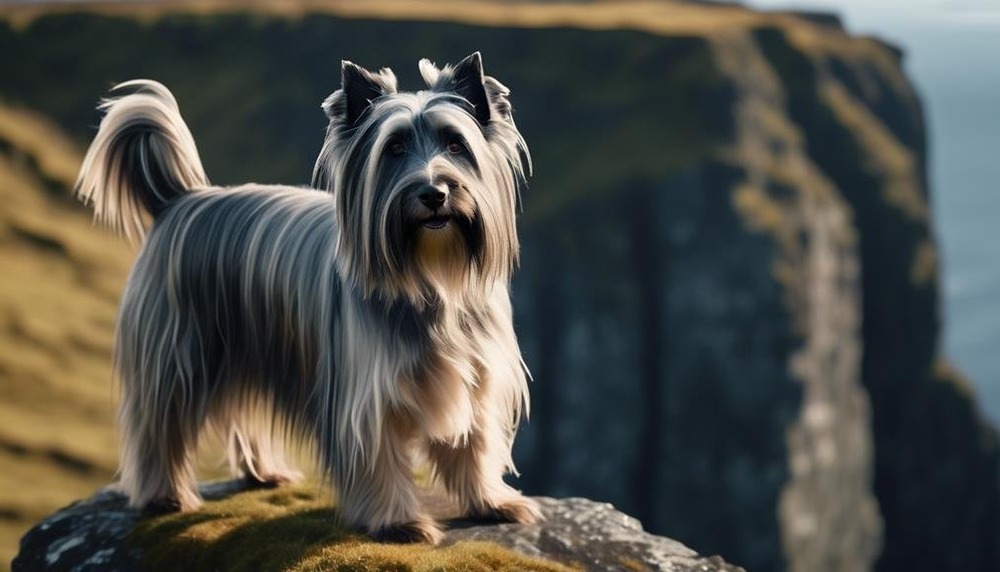
The Skye Terrier originated in Scotland’s western isles, with the breed taking its name from the Isle of Skye. Historically, these dogs were used for going to ground and working in difficult terrain, hunting pests and quarry such as foxes and badgers. That working background still shows in their alertness, their persistence, and the way they often prefer to assess a situation rather than rush in.1, 2
In the 19th century, the Skye became fashionable in Britain, including among the upper classes. Queen Victoria’s interest helped raise the breed’s public profile, which is part of why it appears so often in writing about Victorian dog keeping. Popularity did not last, though, and the Skye Terrier is now considered a comparatively uncommon breed in many countries.3
Distinctive build
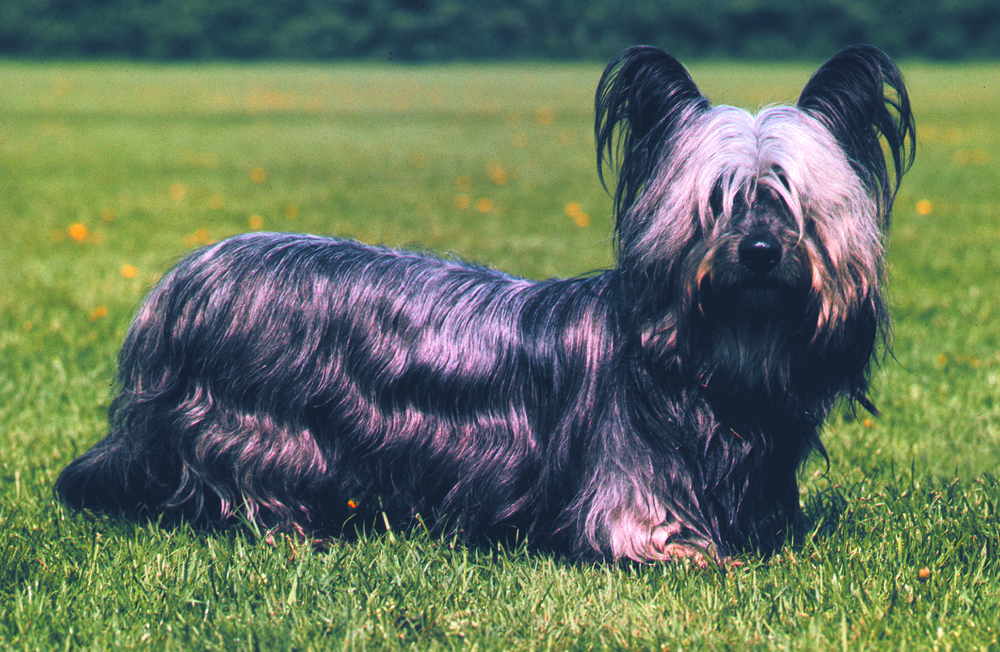
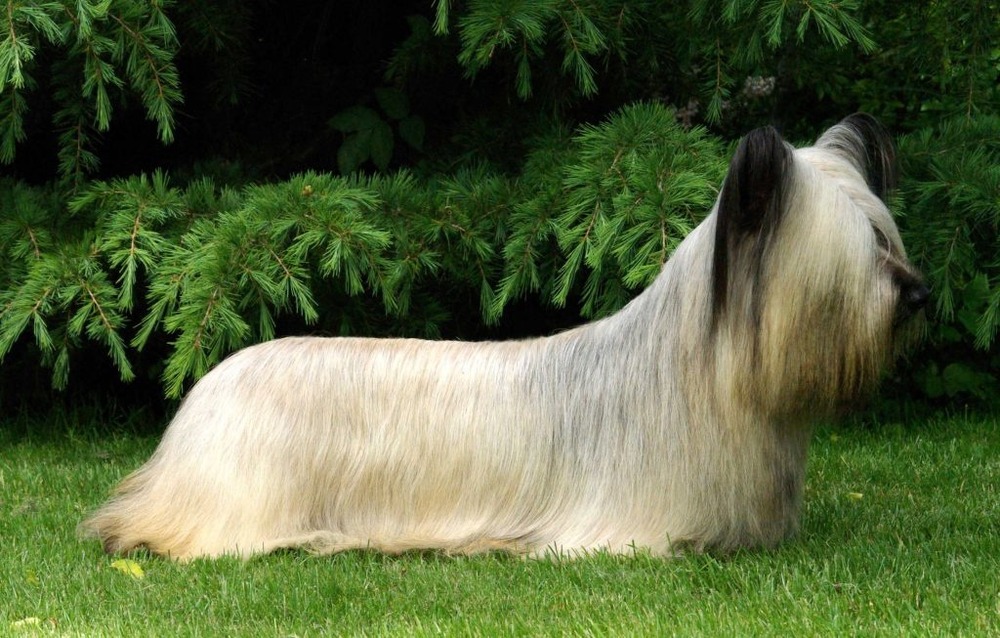
A Skye Terrier is noticeably longer than they are tall, with relatively short legs and a low-set outline. Breed standards describe a long, flat coat with a softer undercoat, and either prick or drop ears are acceptable. This shape is part of the charm, but it also means owners should be thoughtful about day-to-day handling, particularly around stairs, jumping off furniture, and rough play that encourages twisting through the spine.2, 3
Temperament: loyal, watchful, and not in a hurry to be everyone’s friend
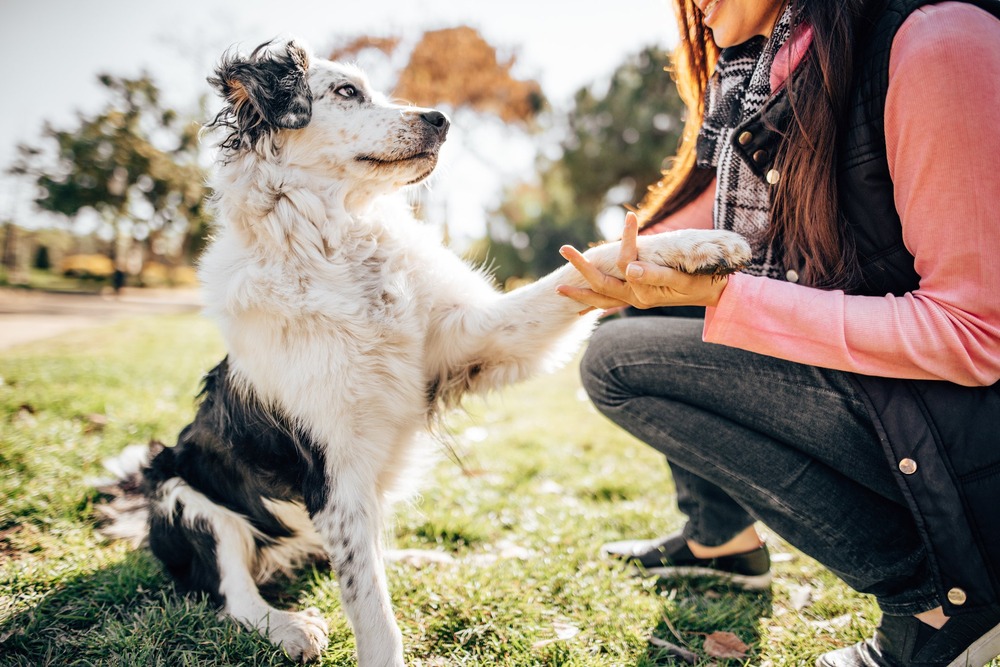
Most Skye Terrier descriptions share a similar theme: devotion to their people, paired with caution around strangers. Many owners experience them as a dog that bonds strongly within the household, sometimes focusing on one person. That does not mean they cannot enjoy visitors, but it often takes time and calm introductions for them to feel comfortable.1
This temperament can be a real asset for the right home. A Skye that is allowed to observe, and is rewarded for calm behaviour, often becomes a steady companion. The tricky part is that well-meaning people sometimes push friendliness, trying to “socialise” by insisting the dog accepts pats and handling from unfamiliar people. With Skyes, socialisation works best when it is about choice, distance, and positive associations, not forced contact.
Other dogs and other pets
Skye Terriers are terriers, and some will be selective with other dogs, particularly with unfamiliar adults. Early, well-managed exposure helps, but it is wise to assume they may not enjoy every dog they meet, especially in tight spaces like footpaths and small parks. If you have cats or smaller pets, be realistic about prey drive and put management in place early, including gates, leads, and structured introductions.1
Living with a Skye Terrier in a family home
Skye Terriers can do well in family settings, but they tend to suit homes that respect boundaries. They are often better with children who can follow simple rules: no grabbing, no chasing, no leaning over the dog’s head, and letting the dog move away when they have had enough. Supervision matters, not because Skyes are “bad with kids”, but because a dog with a reserved streak can be put under pressure by unpredictable handling.1
In many households they are perfectly content to be an “in the house” dog, close to their people, with a moderate daily routine. They are not usually the sort of terrier that needs hours of hard running, but they do need purposeful activity: sniffing walks, short training sessions, and games that use their brain as well as their body.1
Training and exercise that suits the Skye Terrier
Skye Terriers are intelligent, but their style is rarely frantic obedience. They can be responsive with reward-based training, especially when sessions are short and the reinforcement is worthwhile. Consistency is more effective than intensity, and it helps to avoid repetitive drilling, which some Skyes simply switch off from.
A balanced routine usually includes:
- Daily walks with sniff time, not just marching along the footpath.
- Simple skills that build cooperation, such as loose lead walking, recall games, and calm greetings.
- Low-impact enrichment at home, including food puzzles and scatter feeding.
Because the breed is long-backed, it is sensible to keep exercise low-impact and steady. If you are starting agility or similar sports, look for options that minimise repeated high jumps and fast tight turns, and speak with your vet or a qualified canine conditioning professional about building strength safely.
Health considerations and sensible prevention
Many Skye Terriers live into their early-to-mid teens, with sources commonly placing lifespan around 12 to 15 years.1, 4
Like all breeds, they can be affected by inherited or lifestyle-related problems. Hip dysplasia is sometimes discussed, but for many owners the more practical day-to-day focus is protecting the dog’s long body: keeping them lean, reducing repetitive jumping, and using ramps or steps where appropriate. Breed clubs and kennel organisations also note the value of regular veterinary care and being alert to changes in movement, comfort, or willingness to exercise.1, 3
Heat and hot weather
Skye Terriers have a substantial coat, and many individuals cope poorly with heat and humidity. In warmer months, it helps to plan walks early or late, prioritise shade, and keep water available. The RSPCA’s guidance on heat stress is a good baseline for all dogs: avoid exertion in the hottest part of the day, keep pets cool and well ventilated, and know the warning signs, including heavy panting, drooling, vomiting, weakness, or collapse.5, 6
If you suspect heatstroke, start cooling with cool or tepid water (not ice-cold), use airflow, offer small sips of water, and contact a veterinarian immediately.5
Coat care: beautiful, practical, and a genuine commitment

The Skye Terrier coat is part of what makes the breed so recognisable: long, straight, and flat, with a softer undercoat. In practice, it means you will need routine grooming, not just occasional brushing. Left to itself, the coat can mat close to the skin, particularly behind the ears, at the armpits, around the groin, and where a harness sits.2, 3
A workable routine for many homes is a thorough brush and comb several times a week, with a quick daily check of high-friction areas. If you prefer a tidier “pet trim”, a groomer can help, but it is still worth maintaining the coat’s condition rather than shaving it down as a shortcut, unless your vet or groomer recommends otherwise for welfare reasons.
Practical grooming tips
- Use a line-brushing approach so you reach the undercoat, not just the surface.
- Keep nails short to support comfortable movement and traction.
- Check ears regularly, especially in drop-eared dogs, and speak to your vet if you notice redness, odour, or frequent head shaking.
Feeding and body condition: keeping the long frame comfortable
There is no single perfect diet for every Skye Terrier, but there is a consistent practical goal: keep them lean and well-muscled. Excess weight adds load through joints and the spine, and it can make heat stress more likely in warm weather. If you are unsure about portions, ask your vet to help you assess body condition score and adjust feeding accordingly.
For many Skyes, two measured meals a day works well. Treats are useful for training, but it helps to treat them as part of the overall daily intake rather than “extras”. If you are changing foods, do it gradually to reduce stomach upset.
Famous Skye Terriers, and the story of Greyfriars Bobby
The Skye Terrier has a long cultural tail, but the best-known story is still Greyfriars Bobby, the dog associated with Greyfriars Kirkyard in Edinburgh. Many retellings describe Bobby as a Skye Terrier, while some accounts suggest he may have been a Dandie Dinmont Terrier instead. The detail is debated, but the story remains part of Scotland’s dog folklore and has helped keep interest in these rough-coated Scottish breeds alive.7, 8
Final thoughts on choosing a Skye Terrier
A Skye Terrier tends to suit someone who enjoys a dog with opinions, a dog who watches first and joins in second. If you are drawn to the breed for its look, it is worth loving the quieter realities too: the coat care, the slow-building trust with strangers, and the need to protect a long body with sensible routines.
In the right home, a Skye can be deeply companionable. They are at their best when people meet them where they are, and take the time to build a steady, respectful relationship.
References
- Purina UK: Skye Terrier dog breed information
- United Kennel Club: Skye Terrier breed standard
- The Kennel Club (UK): Skye Terrier breed standard
- Encyclopaedia Britannica: Skye terrier
- RSPCA NSW: Heat stress and first aid
- RSPCA Australia: Keeping your pet safe during heat
- Wikipedia: Greyfriars Bobby
- The Guardian: Greyfriars Bobby may have been a different breed (2022)