

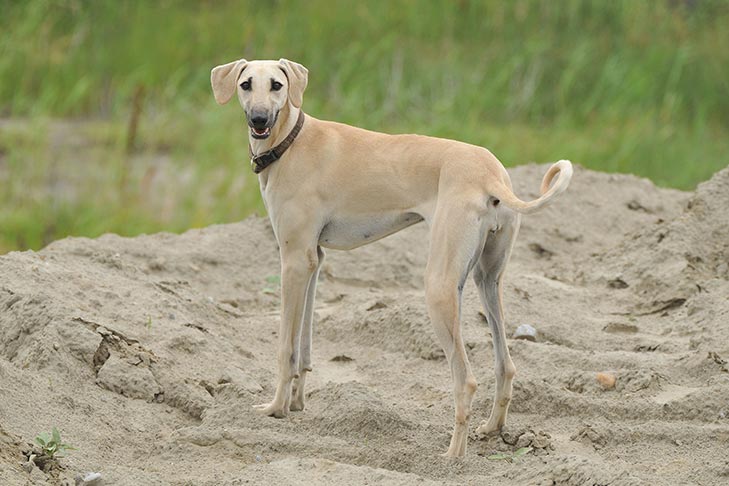
You might first notice a Sloughi the way you notice a deer on a quiet track: long lines, stillness, then sudden speed. People often meet the breed through a photo, a rare sight at a lure coursing day, or a conversation that starts with, “Is that a Greyhound?” The Sloughi sits close to that sighthound silhouette, but it carries a different history, and often a different sort of presence in the home.
There is a common assumption that a fast dog must be “always on”, or that a hunting breed cannot settle. With Sloughis, daily movement matters, but so does their preference for calm, predictable handling. They tend to watch first, then decide, which can be misread as stubbornness when it is really a mix of sensitivity and independence.
For anyone considering life with a Sloughi, or trying to understand one they already share a lounge with, the practical questions are usually the same: how much exercise is enough, how do you train a dog with strong instincts, and what does “low maintenance” really mean when you live with a lean, desert-bred athlete?
- Breed category: Sighthound
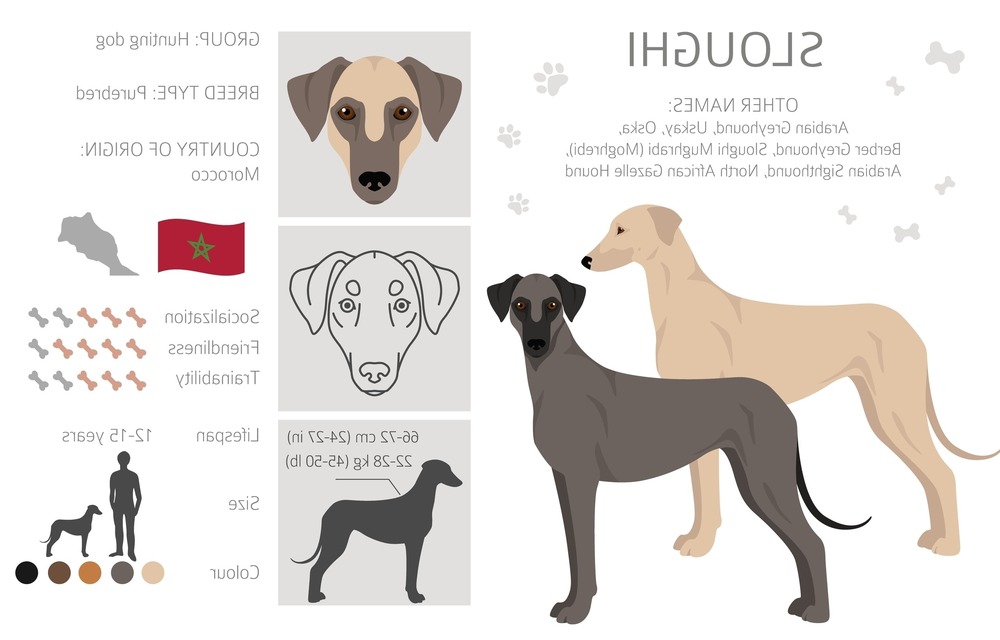
- Origin: North Africa (FCI lists Morocco as country of origin)1
- Typical height: Males 66 to 72 cm, females 61 to 68 cm (ranges vary by standard)2, 3
- Typical weight: Often around 18 to 28 kg, depending on sex and build
- Typical lifespan: Commonly cited around 12 to 16 years, though individual lines vary
- Coat: Short, smooth, low grooming needs2, 3
- Temperament: Often reserved with strangers, typically quiet and loyal with family2, 3
Where the Sloughi comes from, and why it still shows
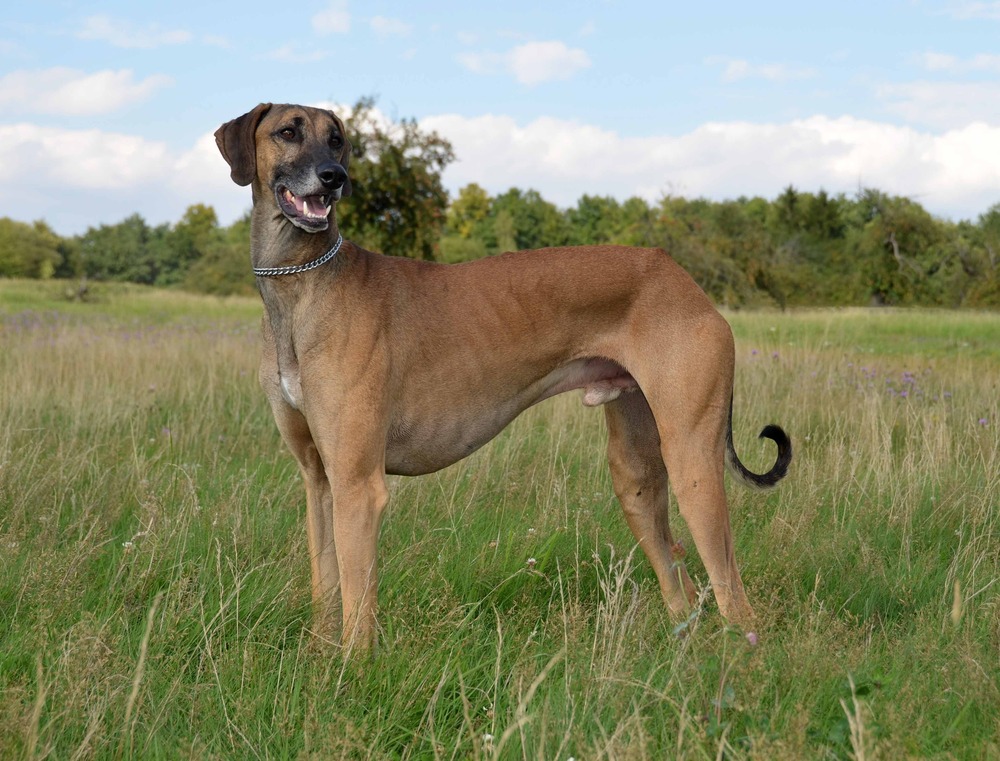
The Sloughi developed across North Africa as a coursing hound, shaped by open country and long distances rather than dense cover. Breed descriptions consistently place its roots in the band of countries bordering the Mediterranean, including Morocco, Algeria, Tunisia and Libya, with the FCI identifying Morocco as the country of origin in its nomenclature listing.1, 3
When you live with one, that background can feel surprisingly present. Sloughis are built to see movement and respond quickly, which is part of their appeal, and also the reason everyday management matters. A dog bred to course game has a body that expects to run, and a brain that notices the small things: a cat on the fence, a jogger turning a corner, a pigeon lifting off.
It also helps explain their shape. The “very slim” look some people worry about is often normal for the breed, which tends to carry little visible body fat compared with many modern companion dogs.3
Looks, movement, and the “cheetah” comparison
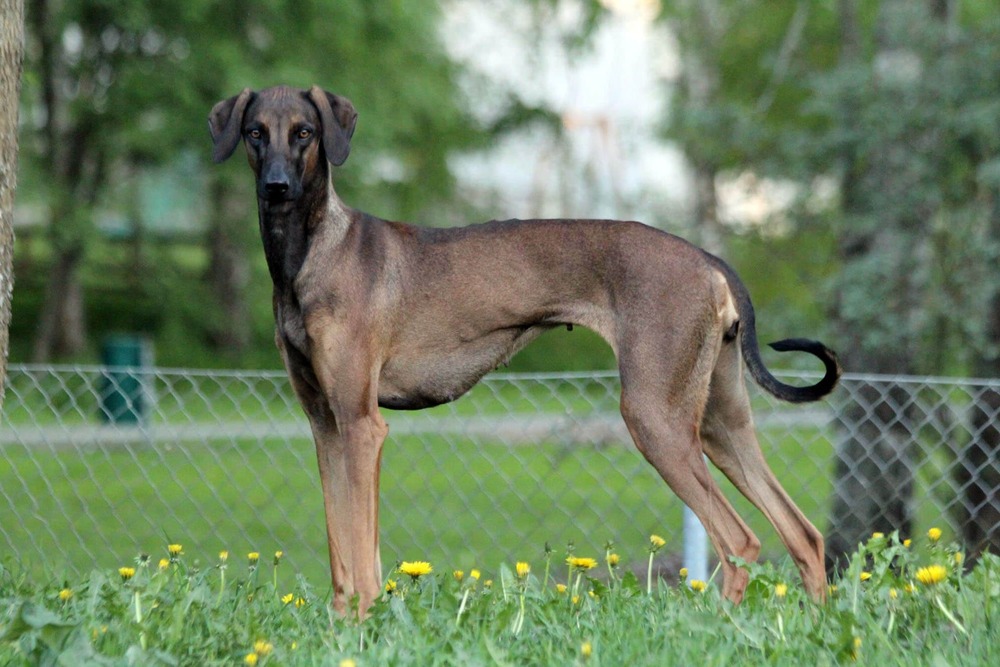
The Sloughi is sometimes described in big-cat terms, mostly because its outline is so clean: long legs, deep chest, and a tucked-up underline that reads as pure athletic function. The coat is short, smooth, and sits close to the body. Colour is typically within the sand and fawn range, sometimes brindled, and may include a black mask or darker markings, depending on the standard being referenced.2, 4
One detail that matters for day-to-day care is how quickly that short coat gives up warmth. Many Sloughis feel the cold, especially when they are wet or still. In cooler months, a simple coat for early mornings can make outdoor time easier, and can help prevent the dog from choosing “no thanks” when you genuinely need them to move.
What you should not judge is fitness by bulk. A healthy Sloughi is usually lean, with clear muscle definition and a light frame. If you are unsure, it is better to check body condition with your vet than to “pad them out” with extra food.
Temperament, and what “reserved” can look like at home
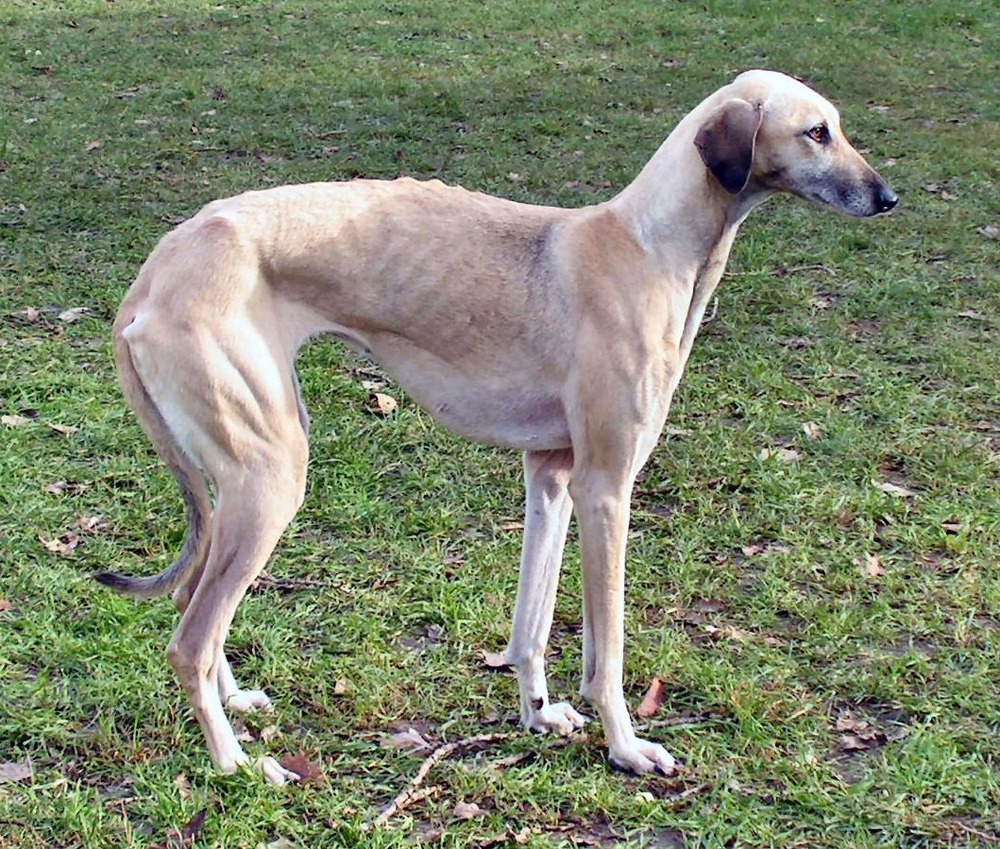
Most Sloughis are not loud dogs. Breed standards and club descriptions tend to use words like quiet, dignified, reserved, and affectionate with family.2, 3 In practice, that can mean a dog who chooses one or two people as their centre of gravity, and takes their time warming up to visitors.
This is not automatically a problem, but it does change what “good socialisation” looks like. For many Sloughis, the goal is not a dog who runs up to everyone. It is a dog who can stay settled, accept handling when needed, and move through the world without feeling pressured.
A gentle first impression often goes a long way. Visitors who ignore the dog at first, offer space, and let the Sloughi approach can get better results than enthusiastic greetings.
Training a Sloughi, without turning it into a power struggle
Sloughis are intelligent, but they are not usually the sort of dog who repeats drills just to make you happy. If you have trained a very biddable breed before, the Sloughi can feel “selective”. It helps to reframe this as a dog who is responsive to the environment and sensitive to pressure, rather than a dog who is trying to win.
Positive reinforcement suits most Sloughis, particularly when sessions stay short and clear. Consistency matters, but so does emotional tone. Harsh handling can create avoidance, and once a sighthound decides a situation feels unsafe, it can take time to rebuild trust.
If you only teach one thing early, make it recall foundations and a strong “stop and wait” on lead. You may never have a completely reliable off-lead recall around wildlife, which is normal for many sighthounds. Management, including secure fencing and long lines, is part of responsible ownership.
Exercise needs, and the importance of safe running
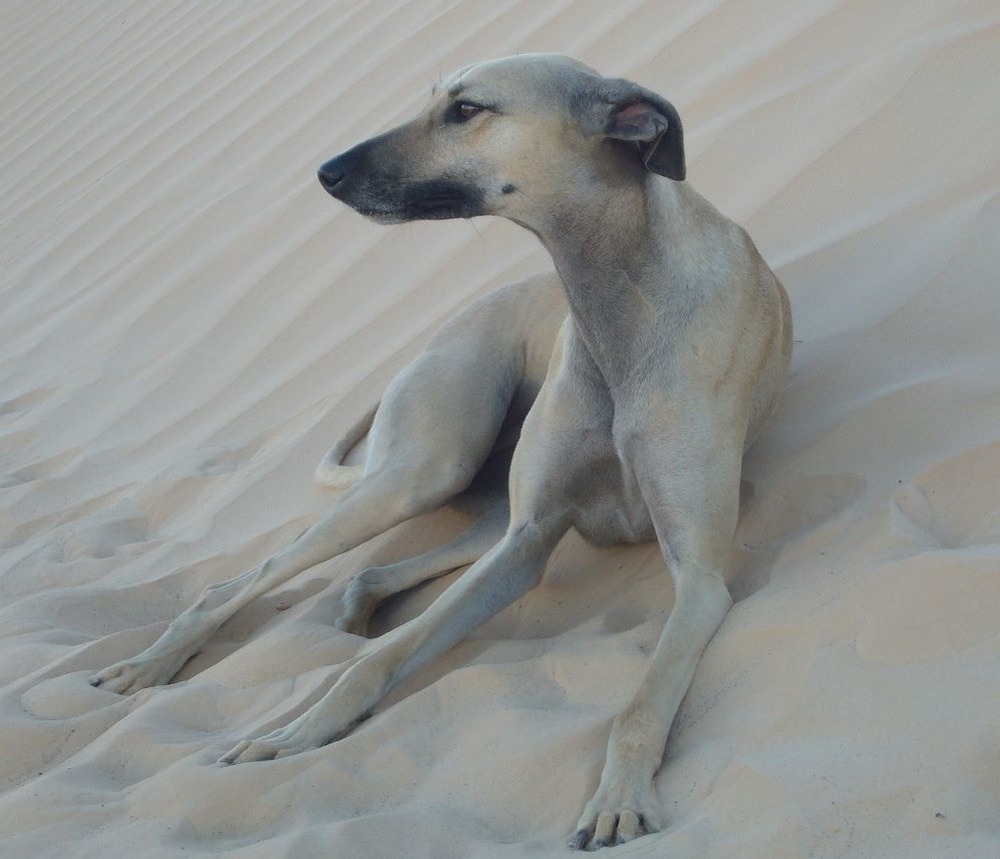
A Sloughi generally needs daily exercise, but “exercise” is not only distance. Many are happiest with a mix of walking for decompression, plus opportunities to stretch out into a fast run in a secure area. Breed summaries often describe them as energetic, and many owners find that they are calm indoors once their needs are met.4, 5
Secure space matters because a sight-triggered chase can happen before you have time to think. If you use dog parks, choose quieter times and calmer areas. Lure coursing can be an excellent outlet, and it suits the way many sighthounds like to move.
In warm weather, it is also worth remembering that heat illness can affect any dog. Plan runs for cooler parts of the day, bring water, and take heavy panting seriously.6
Health considerations, and what to discuss with your vet
Sloughis are often described as generally healthy, but like all breeds they can be affected by inherited conditions. Hip dysplasia is one condition seen across many breeds, and it is influenced by genetics and other factors such as growth and body condition.7
Progressive retinal atrophy (PRA) is another inherited concern that comes up in breed discussions more broadly. PRA is not a single disease, and different genetic variants exist across breeds. If you are buying from a breeder, ask what eye testing and DNA testing is done in their lines, and what those results mean in plain language.8
- Ask about screening (hips, eyes, and any breed club recommendations).
- Keep the dog lean and fit, which supports joints over time.7
- Build a relationship with a vet who is comfortable advising on athletic, lean breeds.
Grooming and everyday care
The Sloughi’s coat is one of the simpler parts of ownership. Weekly brushing is usually plenty, and it can be more about skin checks and bonding than “de-shedding”. Breed guides commonly describe grooming needs as low and the coat as short.3
Nails, ears, and teeth still need routine attention. For a dog that can be reserved with handling, it helps to make these small care tasks boring and predictable, with rewards, short sessions, and no wrestling.
Comfort counts too. Many Sloughis appreciate a warm bed, a soft surface for joints, and a coat in winter. Those are not luxuries for a fine-coated, lean dog, they are sensible supports for recovery and rest.
Feeding, body condition, and avoiding food myths
People often over-focus on ingredient lists, especially with a rare breed, because it feels like control. In reality, the more useful question is whether the diet is nutritionally complete and appropriate for your individual dog’s age, activity, and health. Veterinary nutrition guidance also emphasises regular nutritional assessment, including weight and body condition scoring, rather than set-and-forget feeding.9
A Sloughi that runs hard may need careful energy support, but that does not always mean “more food”. It can mean a more calorie-dense diet, a better feeding schedule, and monitoring. If you are unsure, a vet can help you make adjustments without drifting into either under-feeding or slow weight gain that strains joints.
Practical baseline for most households is a complete and balanced diet, measured portions, regular weigh-ins, and changes made gradually.9
Living with a Sloughi, and who it suits best
The Sloughi tends to suit people who like quiet companionship, who can provide daily exercise, and who are comfortable with a dog that may not adore every stranger. They can do well in a range of homes, including smaller spaces, provided their running and enrichment needs are met, and provided fencing and management are taken seriously.
They often shine with owners who notice small signs of stress or over-arousal, and who are happy to train in a way that respects the dog’s sensitivity. If you want a highly social dog who enjoys constant handling, or if you cannot provide safe opportunities to run, another breed may be an easier fit.
A good match is usually someone patient, active, and calm in their approach, with an appreciation for the Sloughi’s particular way of being in the world.
References
- FCI: Sloughi (breed nomenclature and standard publication details)
- The Kennel Club (UK): Sloughi breed standard
- The Kennel Club (UK): Sloughi breed information
- American Kennel Club: About the Sloughi
- Westminster Kennel Club: Sloughi overview
- American Kennel Club: Heatstroke in dogs (signs and contributing factors)
- VCA Animal Hospitals: Hip dysplasia in dogs
- The Guardian: Genetic test and progressive retinal atrophy (PRA) background
- WSAVA: Global Nutrition Guidelines