

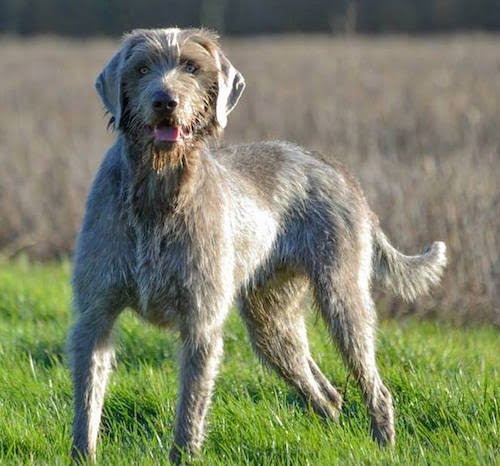
You might notice a dog with a bristly coat and a focused, scanning way of moving, the sort of dog that seems to take in every scent on the wind. People often assume a “pointer” is only for hunters, or that a high-drive working breed cannot settle into family life. The Slovakian Wirehaired Pointer sits in that more interesting middle ground, capable in the field, but also deeply shaped by the day-to-day habits of the home it lives in.
What usually catches people out is not the coat, or even the athletic build, but the combination of stamina and sensitivity. This breed tends to do best with clear routines, calm handling, and enough meaningful work to stop its clever brain from inventing its own projects.
If you are considering one, or living with a young dog who suddenly seems to have endless energy, it helps to understand what the breed was designed for, and what that means in ordinary life, from exercise to grooming to health checks.
- Breed category: Gundog (HPR type)
- Country of origin: Slovakia
- Typical height: Males about 62 to 68 cm, females about 57 to 64 cm (at the withers)1, 2
- Typical weight: Often around 20 to 35 kg, depending on sex and build
- Typical lifespan: Commonly around 12 to 14 years
- Coat type: Harsh, wiry topcoat with undercoat
- Colours: Commonly grey (roan) with varying brown shades
- Exercise needs: High, daily physical and mental work
- Grooming needs: Moderate, regular brushing, occasional hand-stripping or tidying for some coats
- Best suited to: Active households, people who enjoy training, and owners who can provide structured outlets for drive
Origins and what the breed was built to do
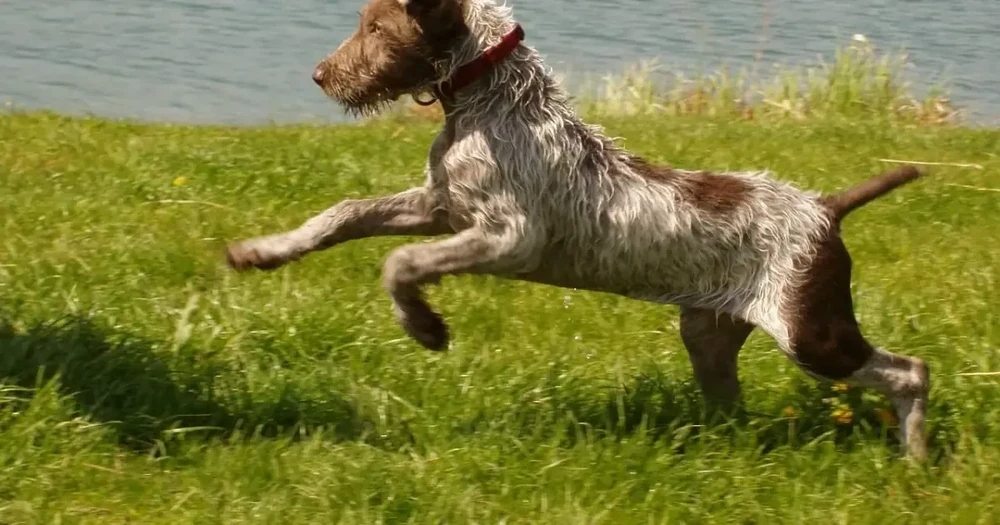
The Slovakian Wirehaired Pointer (often called the Slovakian Rough-haired Pointer) is a relatively modern European gundog developed after the Second World War. The aim was practical: a versatile dog able to hunt across forest, field and water, with enough coat protection for challenging weather and enough steadiness to work closely with a handler.1, 2, 3
Accounts of the breed’s development commonly mention the use of established hunting breeds, including the German Wirehaired Pointer, Weimaraner and Czech rough-coated types, to create a dog that could point, track and retrieve with reliability.2, 3
That background matters because it explains a lot of the everyday behaviour owners notice. Many individuals carry a strong desire to range, investigate, and use their nose. They are not “naughty” for doing it, it is simply what their brains and bodies were shaped to do. The practical question is how you channel that into safe, legal outlets that fit your life.
Temperament in real homes
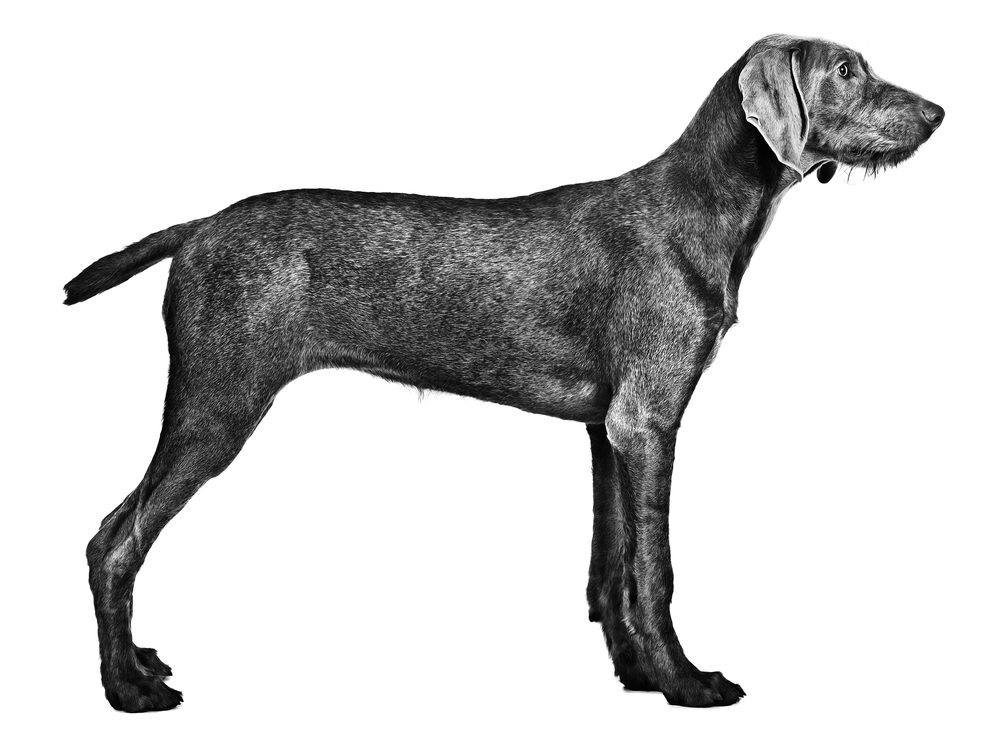
Well-bred Slovakian Wirehaired Pointers are typically described as intelligent, biddable and strongly people-oriented, particularly with their own family. In a calm home with consistent expectations, this can look like a dog that checks in often and enjoys learning. In a busy or inconsistent setting, the same traits can show up as restlessness, vocalising, or persistent “helpfulness” like carrying objects, shadowing, or pestering for activity.2, 4
With children, they often do best when adults keep the household predictable and teach both dog and child how to share space. Even gentle dogs can become overwhelmed by squealing, hugging, or rough handling, and high-energy breeds can knock over small kids without meaning to. Think in terms of management rather than trust: supervision and calm routines make a bigger difference than personality labels.
With other pets, early socialisation and ongoing management are important. Many individuals live well with other dogs. Smaller animals can be more complicated, particularly for dogs with strong prey drive, so it is worth being honest about your household and your ability to train and supervise over the long term.
Training that suits a smart, driven dog

These dogs tend to learn quickly, but speed of learning is not the same as maturity. Adolescence can bring a surge in independence, distraction and stamina, even in dogs that were “easy” puppies. If training suddenly feels like it has fallen apart, it often helps to treat it as a normal developmental phase and return to short sessions with simple wins.
Positive reinforcement methods, paired with clear boundaries and good management, are widely recommended for companion dogs and working breeds alike. Rewarding the behaviours you want, and setting up the environment so the dog can practise them, usually produces steadier results than punishment-based approaches, especially for sensitive dogs.5
Useful focus areas for this breed include:
- Recall foundations (on lead, long line, then gradually with controlled off-lead practice)
- Loose-lead walking and disengaging from wildlife scents
- Settling skills, such as mat training and quiet time after exercise
- Cooperative care, including ear checks, nail handling, and grooming
If you want to explore gundog-style outlets without hunting, scent work and retrieving games can be a good fit. They use the nose and the body, but also encourage steadiness, which many high-drive dogs benefit from.
Exercise and enrichment that actually tires them out
A brisk lead walk is rarely enough for a Slovakian Wirehaired Pointer, not because they are “too much”, but because their working design expects sustained movement and problem-solving. Many owners find that the dog is most settled when exercise includes both physical effort and brain work.
As a guide, aim for a mix across the week:
- Cardio-style movement (running beside you, hiking, or structured fetch where the dog can pause and reset)
- Nose-led activities (scatter feeding, scent trails, hide-and-seek games)
- Training sessions that build impulse control (stays, wait at doors, calm greetings)
Heat is an often-missed issue. In warm weather, wired, driven dogs may keep going past comfort, especially if they are chasing scents or retrieving. Plan exercise for cooler times, carry water, and learn the early signs of overheating. If you are unsure, your vet is the best place to get advice tailored to your dog and your climate.6
Health considerations and routine care
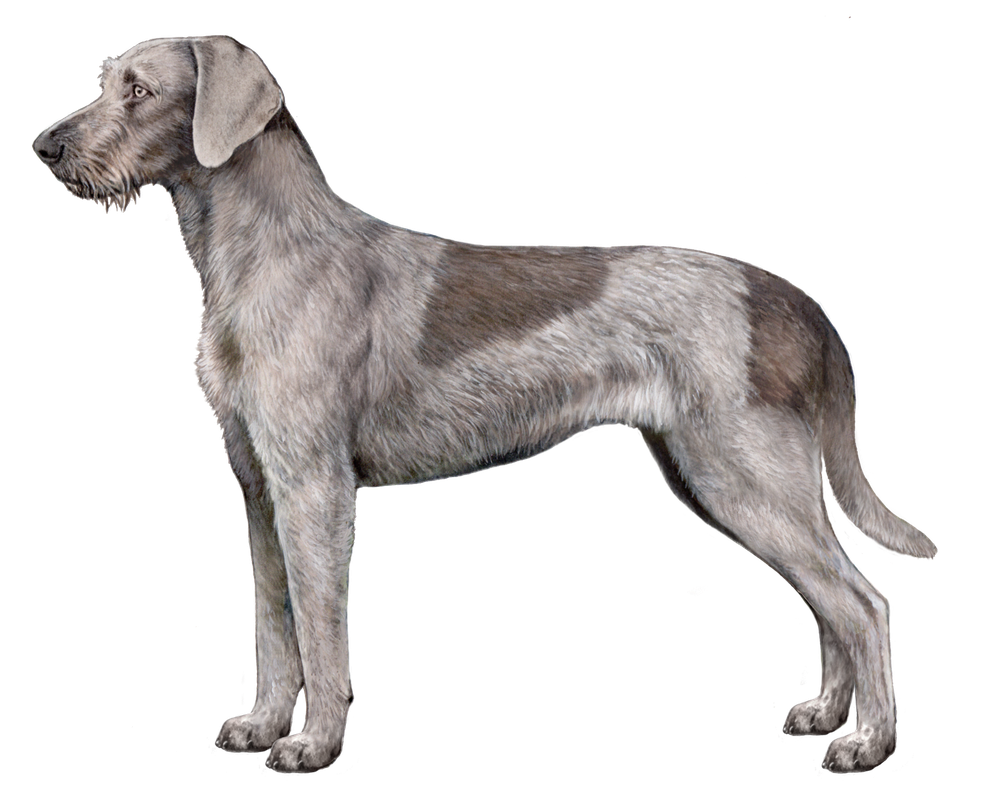
No breed is “problem free”, but good breeding and sensible preventative care can stack the odds in your favour. Hip dysplasia is one of the conditions commonly discussed in medium to large active breeds, and reputable breeders typically screen breeding stock. If you are buying a puppy, ask what testing has been done and request documentation, rather than relying on verbal reassurance.7
Ear problems are another practical issue for many drop-eared dogs. Ear infections are not always about “dirty ears”, they can be linked to moisture, ear shape, underlying skin disease, allergies, or recurrent irritation. Regular checks are useful, but avoid over-cleaning. If your dog’s ears smell, look red, or seem painful, it is worth a vet visit rather than experimenting at home.8
Routine care that tends to pay off includes:
- Regular veterinary check-ups, including weight and mobility checks
- Parasite prevention suited to your region and lifestyle
- Dental care, ideally starting with home routines while the dog is young
- Maintaining a lean body condition to protect joints and stamina
Coat care and grooming, keeping it simple
The coat is designed to be protective rather than silky. Most dogs do well with a weekly brush to remove debris and prevent tangles, plus a quick check after bush walks for grass seeds, ticks, and scratches. Some coats benefit from occasional hand-stripping or professional tidying, but many pet homes keep things practical with light trimming where needed.
Bathing is usually occasional. Over-washing can dry the skin and soften the harsh texture that helps the coat repel water and dirt. If your dog starts to smell “doggy” quickly, or seems itchy after baths, it may be worth discussing shampoo choice and frequency with your vet.
Build grooming into routine life rather than making it a wrestling match. A few minutes at a time, paired with small rewards, often creates a dog that accepts brushing and handling as normal. Think of it as cooperative care training, not just grooming.
Feeding and body condition for an athletic breed
These are energetic dogs, but that does not mean they should be fed “as much as they want”. What you are aiming for is stable energy, good recovery after exercise, and a lean, muscled body condition. Over time, excess weight can make joints work harder and can reduce heat tolerance.
A complete and balanced commercial diet, matched to the dog’s life stage and activity level, is a sound baseline. If you prefer home-prepared feeding, do it with qualified guidance so the diet remains nutritionally complete, especially for calcium, phosphorus, and trace nutrients.9
In practice, helpful habits include:
- Measuring meals and adjusting based on body condition, not just the feeding guide
- Using part of the daily ration as training rewards
- Keeping treats meaningful but limited
- Splitting food into two meals if it suits your household and your dog
Is this the right dog for you?
The Slovakian Wirehaired Pointer tends to suit people who like being outdoors, enjoy training, and want a dog that feels like a true partner. The dogs that struggle most are often living in homes where exercise is sporadic, boundaries are unclear, or the day is so busy that the dog spends long stretches under-stimulated.
If you are drawn to the look, but unsure about the pace of life required, it can help to spend time with adult dogs, not just puppies. Talk to breed clubs, gundog trainers, and owners who live with the breed day in and day out. The best match is usually the one where the dog’s needs fit your normal week, not your ideal week.
References
- Federation Cynologique Internationale (FCI): Slovakian Wirehaired Pointer (Standard No. 320)
- United Kennel Club (UKC): Slovakian Wirehaired Pointer
- American Kennel Club (AKC): Slovakian Wirehaired Pointer
- PetMD: Slovakian Wirehaired Pointer
- American Veterinary Society of Animal Behavior (AVSAB): Position statements (humane dog training)
- RSPCA Australia: Signs of heatstroke in dogs
- Orthopedic Foundation for Animals (OFA): Hip Dysplasia
- VIN Veterinary Partner: Ear Infections in Dogs (Otitis Externa)
- World Small Animal Veterinary Association (WSAVA): Global Nutrition Guidelines