

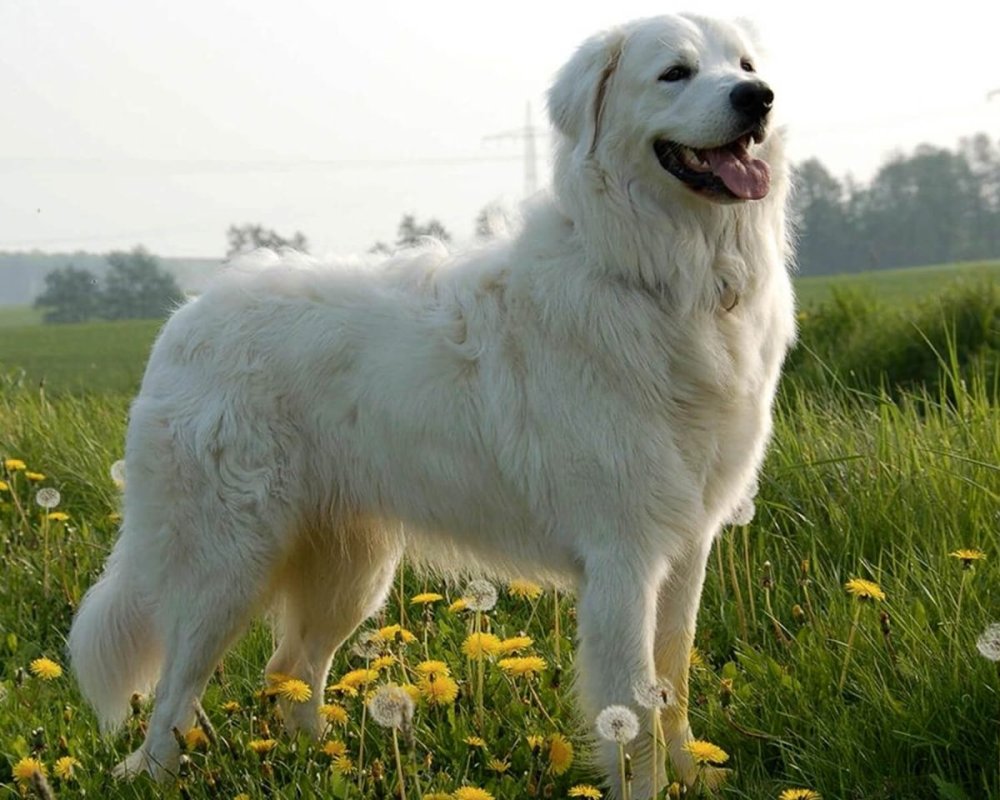
You usually come across the Slovenský čuvač because you have seen a big white dog on a rural property, met one at a show, or heard someone describe a “guardian breed” that is calm until it needs to make a decision. From a distance, it can look like a fluffy, gentle mountain dog. Up close, you notice the watchfulness first: the way the dog stands still, scans, then chooses whether to engage.
It is easy to assume that a livestock guardian is just a larger family pet, or that a protective dog simply needs “more training”. In practice, breeds like the Slovenský čuvač are shaped by generations of independent work, often out of sight of people. That independence can be a gift in the right home, and a source of friction in the wrong one.
If you are considering the breed, the useful questions are practical ones: how much space and structure you can offer, how you feel about barking as communication, and whether you are comfortable living with a dog that can take responsibility seriously. When those pieces line up, the Slovenský čuvač can be a steady, capable companion.
At a glance
Breed type: Livestock guardian (working dog)
Origin: Slovakia, Carpathian region 1
Height: around 59 to 70 cm at the withers (varies by sex and standard) 2, 3
Weight: often about 31 to 44 kg (varies by sex and build) 3
Coat: dense double coat, white, weather-protective 2, 3
Typical lifespan: commonly cited around 11 to 13 years 4
History and origin
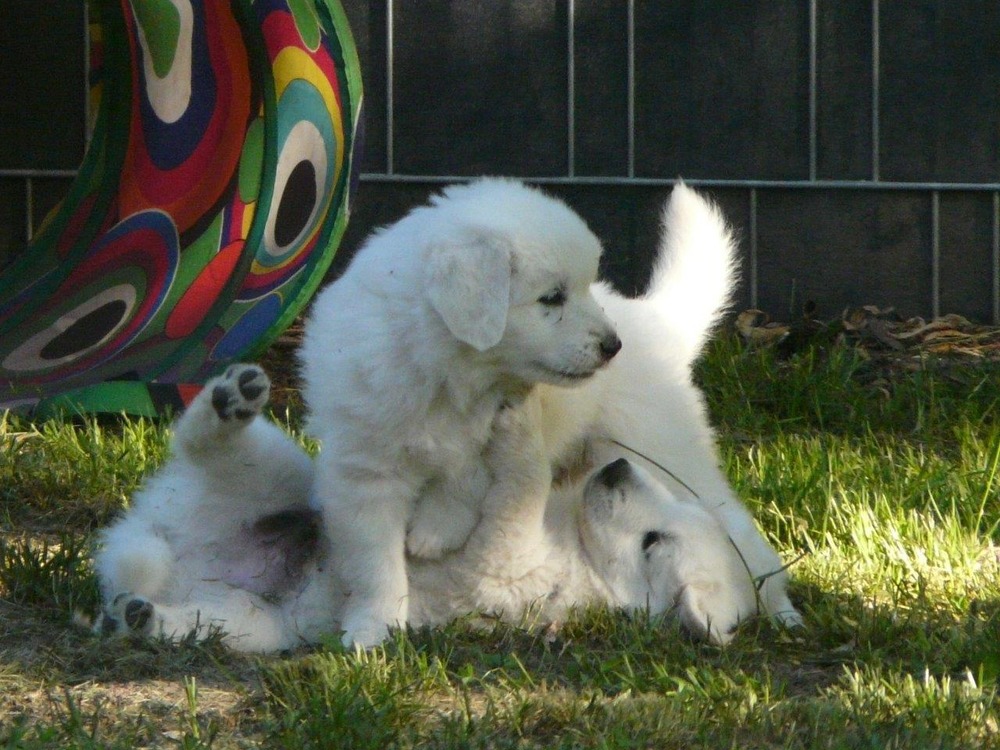
The Slovenský čuvač sits within a family of European white livestock guardians, developed to live close to stock and make decisions in harsh conditions. The FCI records Slovakia as the country of origin and lists the breed under its international standard. 1
In the mountains, a guardian’s job is not to move sheep like a herding dog. It is to notice change early, place itself between stock and risk, and persist. That background helps explain why many čuvače seem quiet in familiar settings but switch on quickly when something is new, unusual, or approaching the boundary.
You will sometimes see the breed compared with the Great Pyrenees and other guardians. The resemblance is not just about the white coat, it is about shared function: weather resistance, visibility to shepherds, and the ability to work at a distance from direct human instruction. 3
Physical characteristics
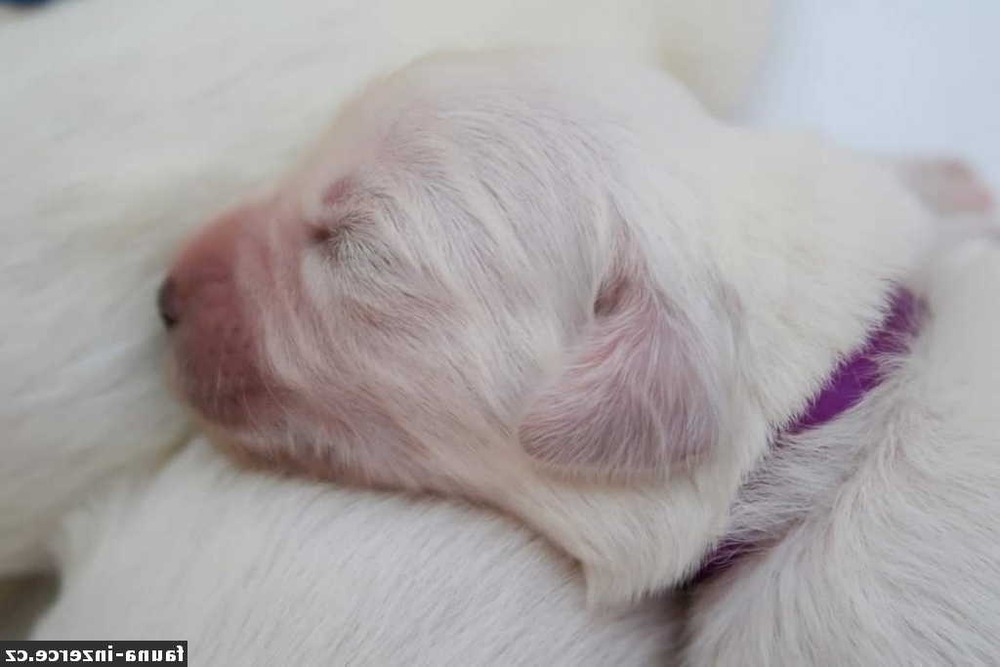
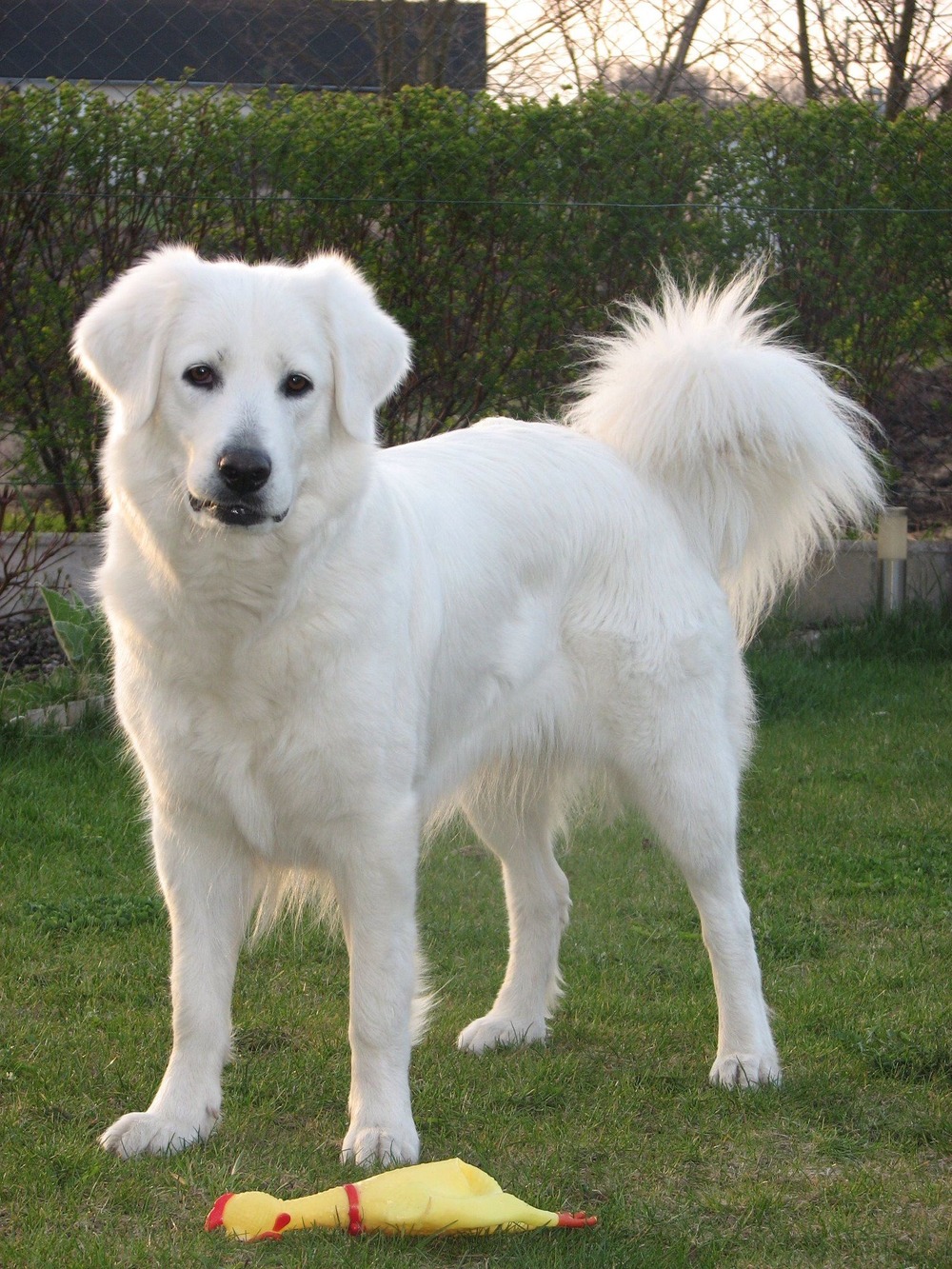
The classic picture is a large, solid dog with a dense coat, dark pigment around the eyes and nose, and pendant ears. In the FCI standard, the colour is white, with only limited shading tolerated, which keeps the overall impression bright and clear against a landscape or flock. 2, 3
That coat is part insulation, part armour. It is built for cold and wet conditions, and it tends to shed accordingly. Expect seasonal coat drop, plus ongoing hair year-round. If you like a spotless house, it is better to be honest about that now.
Size figures vary slightly depending on which registry you are reading, but the consistent theme is a substantial dog that matures slowly. Many owners find the adolescent stage lasts longer than expected, mentally as much as physically.
Temperament and everyday behaviour
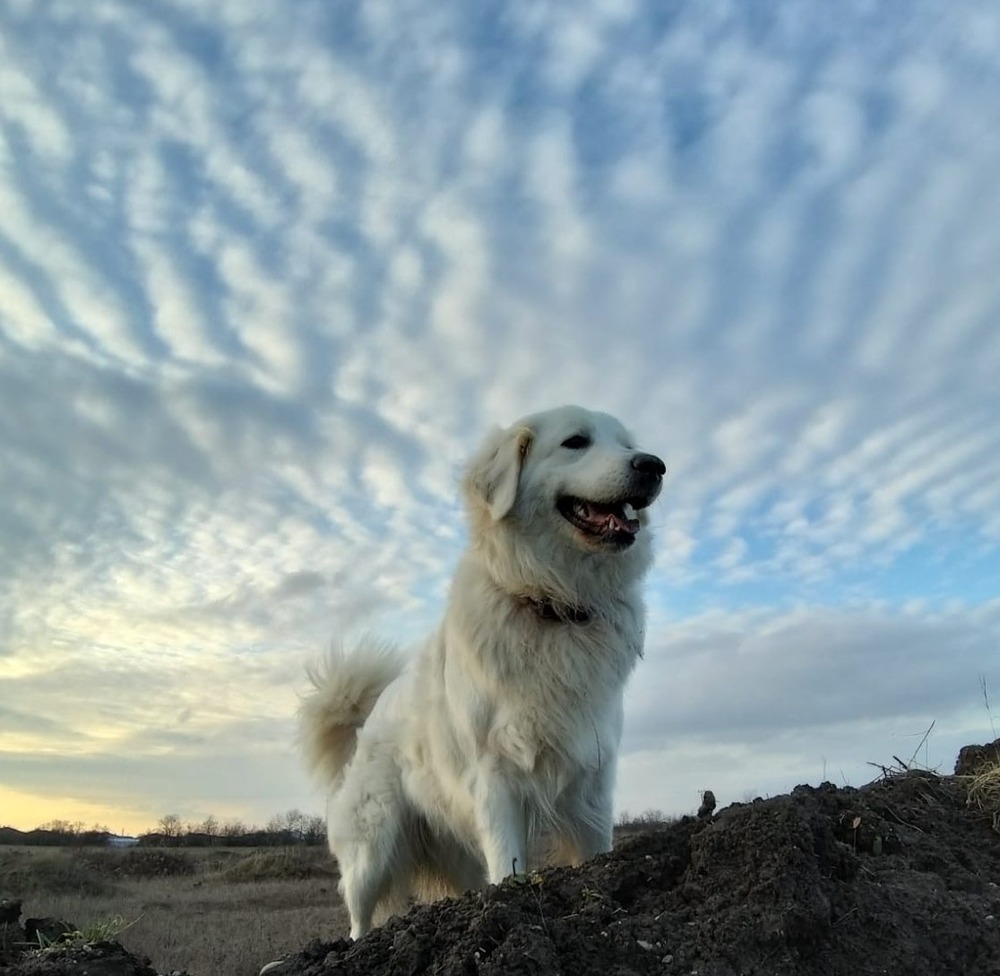
Most Slovenský čuvače are described as devoted to their people and property, with a strong tendency to observe first and act second. A helpful way to think about it is guardian logic: the dog is constantly sorting the world into “normal” and “worth checking”. When something falls into that second category, you may see blocking behaviour, deep alert barking, or firm body positioning.
This is not “bad behaviour” in the abstract. It is functional behaviour that needs shaping, so the dog learns what you consider normal: visitors arriving, kids running past fences, tradies entering gates, other dogs walking by. The earlier you build those reference points, the easier life tends to be.
With children, the breed can do well in a household that teaches respectful handling and gives the dog a place to rest undisturbed. Supervision matters, not because the breed is inherently unsafe, but because large dogs and busy family life can create misunderstandings quickly.
With other pets, outcomes depend heavily on introductions, management, and the individual dog. Some are very tolerant, especially if raised with other animals, while others are more selective and need clearer boundaries.
Training and exercise needs
The common mistake with guardian breeds is pushing for obedience before trust. The goal is not a dog that performs endlessly, it is a dog that can live calmly in your environment and accept your decisions about what is safe.
Early socialisation should be thoughtful rather than chaotic. You are aiming for steady exposure to people, surfaces, sounds, handling, and everyday events, paired with calm reinforcement. The RSPCA’s guidance on socialisation focuses on building comfort with the world in small, positive steps, which suits this breed well. 5
Training methods that rely on intimidation often backfire with independent dogs. Instead, prioritise:
- Reward-based learning for the behaviours you want repeated.
- Clear routines around gates, visitors, and boundary areas.
- Skills that support safety, such as recall practice on a long line, stationing on a mat, and calm greetings.
Exercise needs are real, but they are not just about kilometres. Many čuvače benefit from a daily combination of walking, sniffing time, and simple problem-solving. If you only provide high-intensity physical outlets, you can accidentally build a fitter dog with the same guarding opinions.
Health and lifespan
As a large breed, the Slovenský čuvač can be vulnerable to joint issues, including hip dysplasia. Hip dysplasia is influenced by genetics and environment, and signs can range from subtle stiffness to obvious lameness. Diagnosis is typically based on veterinary examination and imaging, and management often includes weight control and an exercise plan that protects joints. 6, 7
Because the breed is substantial and slow to mature, staying lean is not cosmetic, it is protective. If you are choosing a puppy, it is reasonable to ask what health screening the breeder uses (for example, hip scoring schemes) and how they select breeding dogs. Organisations such as the Orthopedic Foundation for Animals outline how screening programs work and why they matter. 8
Eye conditions are also mentioned in breed discussions. Your most practical step is straightforward: keep regular veterinary checks, and take changes in eyes, movement, or willingness to exercise seriously rather than assuming it is “just age”.
Grooming and coat care
A dense double coat needs routine maintenance, especially through seasonal shedding. Brushing a few times a week is often enough in quieter periods, with more frequent grooming when the undercoat is coming out.
Focus on the friction zones: behind ears, under the collar, armpits, and feathering. If you only brush the topcoat, the undercoat can compact and hold moisture close to skin.
Bathing should be occasional. Over-bathing can dry the coat and skin. When you do bathe, plan for thorough rinsing and full drying, particularly in cooler weather.
Diet and nutrition
There are many strong opinions about feeding large breeds, and it can get noisy quickly. A calmer, more useful approach is to choose a complete and balanced diet from a manufacturer that can answer basic quality questions, then monitor your individual dog’s condition over time.
The WSAVA Global Nutrition Guidelines encourage owners and veterinary teams to look beyond marketing cues and ingredient-list assumptions, and to prioritise evidence, nutritional adequacy, and how the dog is actually doing on the food. 9
For a Slovenský čuvač, the practical markers to watch are simple:
- Body condition (a visible waist and easily felt ribs under a light layer of tissue).
- Stool quality and skin and coat condition.
- Energy and recovery after activity.
If you are considering desexing, timing can be worth discussing with your vet, especially in large breeds where growth and joint development are part of the picture. The RSPCA notes there is no single rule that suits every dog, and encourages owners to make the decision with veterinary guidance. 10
Living with a Slovenský čuvač
This is not an ideal apartment breed. It is less about size alone and more about what the dog is inclined to do: monitor, patrol, and comment on what it notices. In close quarters, that can become frustrating for everyone.
A good home fit often looks like:
- Space to move and decompress, ideally with secure fencing.
- A household that accepts some barking as communication, then trains for “enough” rather than trying to remove it entirely.
- Owners who enjoy building skills slowly, and who are comfortable being consistent.
When those basics are in place, many čuvače settle into a steady rhythm. They are often affectionate with their people, quietly present around the home, and deeply invested in the routines that make a property feel predictable.
References
- FCI: SLOVENSKÝ ČUVAČ (No. 142) breed listing and standard dates
- United Kennel Club (UKC): Slovac Cuvac breed standard (height, weight, coat, colour)
- Wikipedia: Slovak Cuvac overview and FCI standard link
- Dimensions.com: Slovensky Cuvac size and commonly cited lifespan summary
- RSPCA Australia: Socialising your puppy
- American College of Veterinary Surgeons (ACVS): Canine hip dysplasia
- Animal Medical Center: Hip dysplasia in dogs (signs, diagnosis, treatment)
- Orthopedic Foundation for Animals (OFA): Hip dysplasia and screening
- WSAVA: Global Nutrition Guidelines
- RSPCA Pet Insurance (Australia): When should a dog be desexed?