

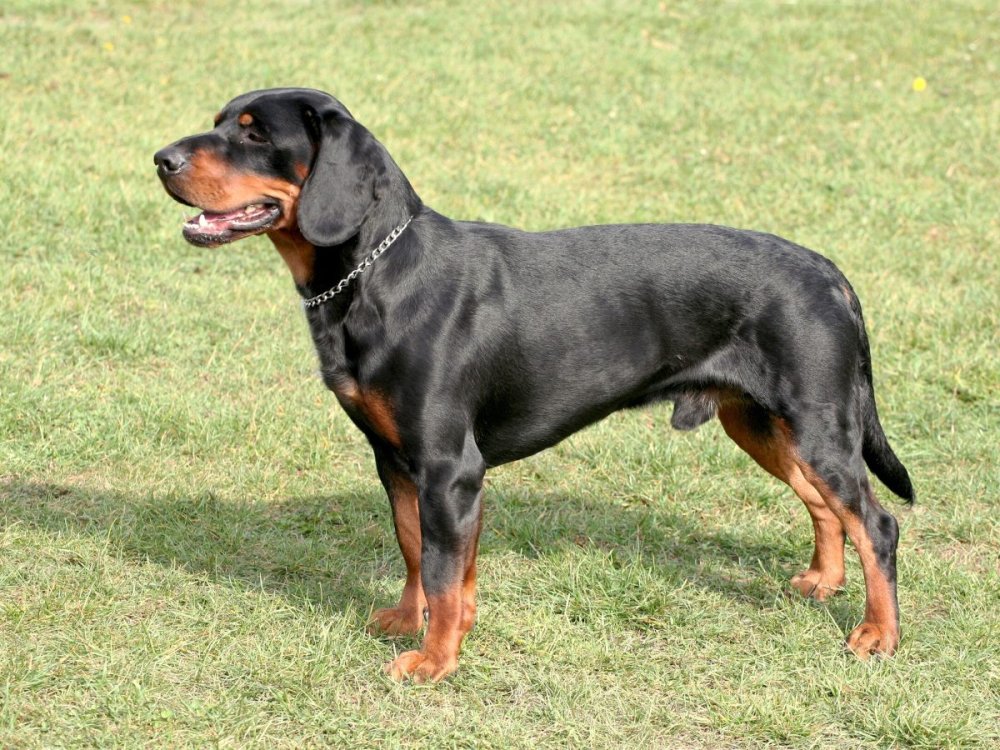
You usually meet a Slovenský kopov by noticing the kind of dog who seems to “switch on” the moment there is a scent worth following. On a walk they can look calm enough, then suddenly their nose drops, their body tightens into purpose, and you realise you are holding the lead of an animal bred to work for hours.
People sometimes assume hounds are either easygoing couch dogs or noisy, stubborn escape artists. The Slovenský kopov sits in a more interesting middle ground. They can be steady and companionable at home, but their world is organised by smell, movement, and the need to do something meaningful with that brain and body.
If you are considering the breed, or you have met one and wondered what makes them different, it helps to understand what they were built for: endurance tracking, often in tough country, with the confidence to handle large game. That history still shapes their daily needs and the sort of home they suit.1, 2
At a glance: the Slovenský kopov
Breed type: Scenthound (FCI Group 6)1
- Origin: Slovakia1, 2
- Height: Dogs 45 to 50 cm, bitches 40 to 45 cm (at the withers)1
- Weight: 15 to 20 kg1
- Coat: Short, dense, with undercoat more noticeable in winter1
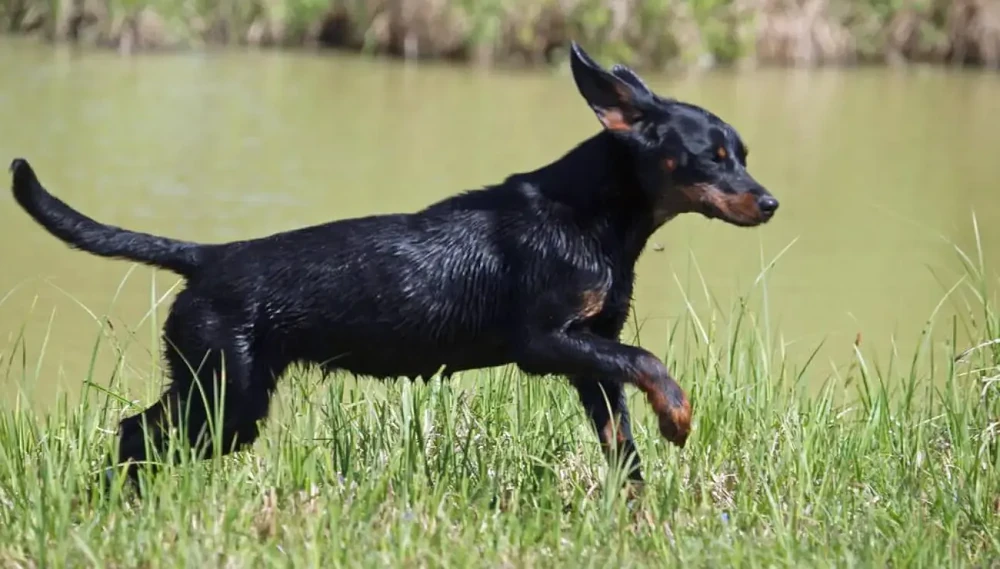
- Colour: Black with tan markings1
- Typical lifespan: Often described around 12 to 14 years (individuals vary)3
History and what the breed was made to do
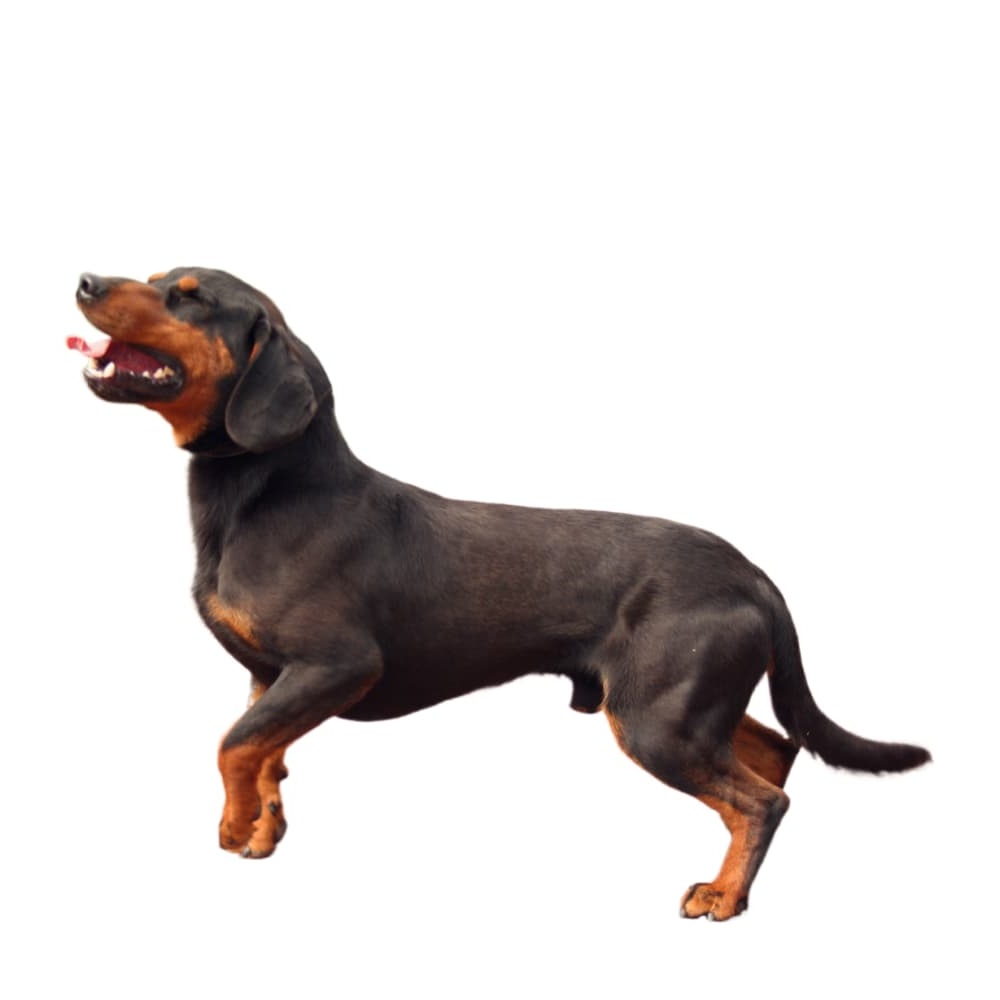
The Slovenský kopov is recognised internationally as a Slovakian Hound, a medium-sized scenthound developed in Slovakia for demanding hunting work. In the official breed standard, the emphasis is on hours-long trailing on a warm scent while giving voice, and on being keen enough for use on wild boar and predators in its home country.1, 2
That matters for modern owners because it explains some of the traits that can otherwise feel puzzling. A kopov is not “being difficult” when they lock onto a smell, range wide if given the chance, or seem to conserve energy indoors then want a long, purposeful outing. Those are working-dog defaults, not personality flaws.
You may also come across the label “Black Forest Hound”. It is best treated as an informal nickname used in some places rather than a true origin story. The breed is Slovak, and it has no historical connection to Germany’s Black Forest.2
Physical characteristics you will notice day to day
In person, the kopov reads as athletic rather than heavy. The FCI standard describes a lightly built, rectangular dog with solid bone, always black with tan markings. Coat length is typically short (about 2 to 5 cm), close-fitting and dense, with a seasonal undercoat that can be more obvious in winter.1
Those drop ears are part of the breed’s classic hound outline, but they also come with ordinary, practical care. Any dog with hanging ears can trap moisture and debris more easily, so it is sensible to keep an eye on ear cleanliness and speak with your vet if you notice redness, odour, or head shaking.
A final detail owners often appreciate is the breed’s “built-in map”. The standard specifically notes an extraordinarily developed sense of direction, which fits with how confidently many working hounds move through dense cover once they are on a line.1
Temperament and behaviour in a home setting
Kopovs are often described as spirited, determined, and very focused when they have a job. The official standard captures this simply as a spirited temperament with strong orientation skills, which is exactly what you would want in a dog expected to trail for long periods in complex terrain.1
In family life, that working focus can translate into a dog who does best with routine, training that makes sense to them, and daily outlets that involve their nose. When those needs are met, many hounds settle well at home. When they are not, you may see roaming, pacing, nuisance barking, or inventing their own games with the garden.
With children, success is usually less about breed “niceness” and more about supervision, teaching kids how to interact safely, and giving the dog a way to opt out. Like any medium-sized, energetic dog, they can bowl over a small child without meaning to, especially if excitement runs high.
With other pets, it is wise to be realistic. A scenthound bred for hunting may be inclined to chase. Careful management can make a big difference, especially early on. In practice that can look like:
- Slow introductions behind barriers
- Rewarding calm behaviour around smaller animals
- Preventing rehearsals of chasing, including keeping cats protected with vertical escape routes
- Using secure fencing and a lead in unfenced areas
Training and exercise, keeping the nose and brain busy
Hound training is most effective when you accept the underlying motivation. A kopov can learn quickly, but “proofing” behaviours around scent takes time, and punishment-based methods often backfire by increasing frustration or avoidance. Positive reinforcement, consistency, and thoughtful management are usually the most practical tools for the job.
Exercise needs are best understood as “purpose” as much as “distance”. Many kopovs enjoy long walks, structured runs, and hiking, but they also benefit from activities that let them do what they were bred to do. Options that tend to suit the breed include:
- Scent games at home (find-it, track a dragged treat bag, scent boxes)
- Long-line sniff walks in safe, legal areas
- Canine sports that use natural instincts, such as tracking-style activities where available
If you only do fast, repetitive exercise, you may end up with a fitter dog who still feels under-stimulated. A quieter, nose-led session can be surprisingly “tiring” in the best way.
Health and lifespan, what to watch for
The Slovenský kopov is often described as a generally robust, functional hound, and the FCI standard does not highlight extreme features that commonly drive breed-wide health problems. Still, individuals can develop the same issues seen across many medium, active dogs, including orthopaedic concerns and ear problems associated with drop ears.
From a day-to-day care perspective, the most useful health lever is often weight. Keeping your dog lean supports joints, stamina, and heat tolerance. A vet can help you assess body condition and set a sensible target, especially if your dog is desexed or their activity changes across seasons.
Heat and weather, a practical note for Australia
Although a kopov’s coat can handle cooler conditions well, many hounds struggle when Australian heat and humidity climb. On hot days, the kindest plan is usually the least exciting one: shade, ventilation, plenty of water, and exercise only in cooler hours.5, 6
Look out for early signs of heat stress such as heavy panting, drooling, vomiting, weakness, or collapse, and contact a vet immediately if you are concerned. For first aid, most reputable guidance recommends cooling with tepid or cool water and airflow, rather than ice-cold water or ice, which can worsen things.7
In Victoria, there are also specific legal requirements around leaving animals in vehicles and transporting dogs on ute trays during hot weather (including conditions around 28 degrees Celsius). It is worth reading the local guidance if you travel with your dog.6
Grooming and maintenance, simple but not nothing
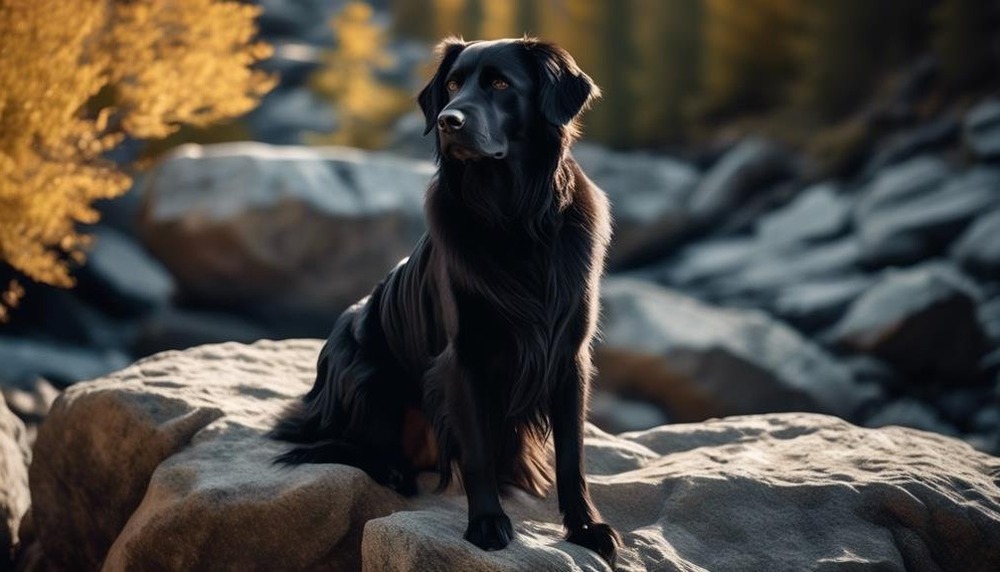
The coat is straightforward: short, dense, and designed for work. A weekly brush usually handles shedding and keeps the coat in good order, with a little extra during seasonal coat changes. Bathing can be occasional, or as needed after truly good hound adventures.
Where owners sometimes underestimate the workload is everything around the coat. Nails, teeth, and ears matter more than a glossy finish, and active dogs do not always wear nails down evenly on suburban surfaces. A small routine is often easier than a big fix later: quick checks each week, longer grooming when needed.
Diet and nutrition, feeding the athlete without overdoing it
For an active, medium-sized hound, the goal is steady energy and strong recovery, not constant richness. Choose a complete and balanced diet suited to your dog’s life stage, then adjust portions based on body condition rather than the packet alone.
Treats can be part of training, but it helps to keep them as a planned slice of the day’s intake. A commonly used guideline is to keep treats to no more than about 10 percent of daily calories, so training does not quietly unbalance the diet over time.8
If your dog is doing serious sport or hunting work, talk to your vet about whether any changes are needed. Performance feeding is less about fancy ingredients and more about matching energy, protein, and timing to the workload.
Is a Slovenský kopov likely to suit you?
When this breed fits, it can be a rewarding partnership: a dog who is steady at home, alert outdoors, and deeply satisfied by work that uses the nose. When it does not fit, the issues are usually predictable, not mysterious. A kopov that lacks outlets will go looking for them.
They tend to do best with people who can offer secure containment, daily exercise with purpose, and calm, consistent training. If you love long, sniffy walks, enjoy teaching skills over time, and can meet a hound where they are, the kopov’s focus can feel like a pleasure rather than a battle.
References
- Fédération Cynologique Internationale (FCI) Standard No. 244: Slovenský kopov (Slovakian Hound)
- Wikipedia: Slovenský kopov
- Dimensions.com: Slovenský Kopov Dimensions and Drawings
- Fédération Cynologique Internationale (FCI): Slovenský kopov breed listing
- RSPCA Australia: Keeping your pet safe during the heat
- Agriculture Victoria: Caring for animals during extreme heat (cats and dogs)
- ABC News: Ways to protect your dog from heat stress in summer
- World Small Animal Veterinary Association (WSAVA): Global Nutrition Guidelines
- RSPCA ACT: Hot weather advice for pets