

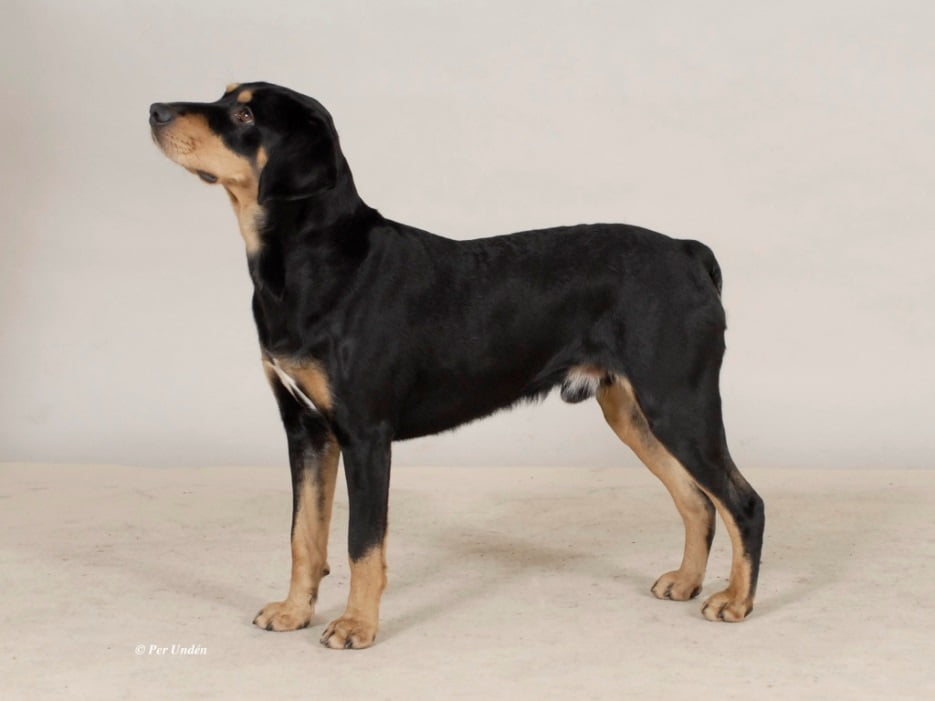
You tend to notice a Smålandsstövare in the same way you notice any capable scent hound, first through what they do rather than what they look like. They move with purpose, noses working, bodies ready to follow a trail that you might not even be aware is there. For some people, that shows up as an easygoing dog on a long bushwalk. For others, it looks like a dog who gets restless if the day is too quiet.
It can be tempting to assume that a “hunting breed” is only suited to hunting, or that a medium-sized dog will slot neatly into suburban life if you provide a daily walk. With the Smålandsstövare, the reality sits in the middle. They can be affectionate and steady in the home, but they usually do best when their instincts are acknowledged and given a safe outlet. Getting that balance right is what makes the breed such a pleasure to live with.
The Smålandsstövare (often called the Småland Hound) is a Swedish scent hound developed for hunting hare and fox. It is still considered a rare breed, even in Sweden, which is one reason people sometimes struggle to find reliable, detailed guidance beyond a few basic stats.1, 2
- Breed category: Scent hound
- Country of origin: Sweden
- Height: Males 46 to 54 cm, females 42 to 50 cm (ideal heights are often cited as 50 cm for males and 46 cm for females)1
- Typical life expectancy: Often around 12 to 15 years (individual variation is normal)
- Coat: Short to medium, close-lying, with a dense undercoat, usually black and tan (liver brown and tan may also be described in Swedish sources)1
- Original work: Hunting hare and fox using scent, with the dog’s voice helping the hunter follow the track2
History and origin

The Smålandsstövare comes from Småland in southern Sweden, a landscape of forests, farms, and stony ground where a practical, hardy hunting dog was valued. In Swedish breed descriptions, you will often see emphasis on a robust build and working utility rather than exaggerated features.2
Internationally, the breed is recognised by the Federation Cynologique Internationale (FCI) in Group 6 (scent hounds and related breeds). The FCI lists Sweden as the country of origin and notes that a working trial is required under the FCI nomenclature for the breed.1
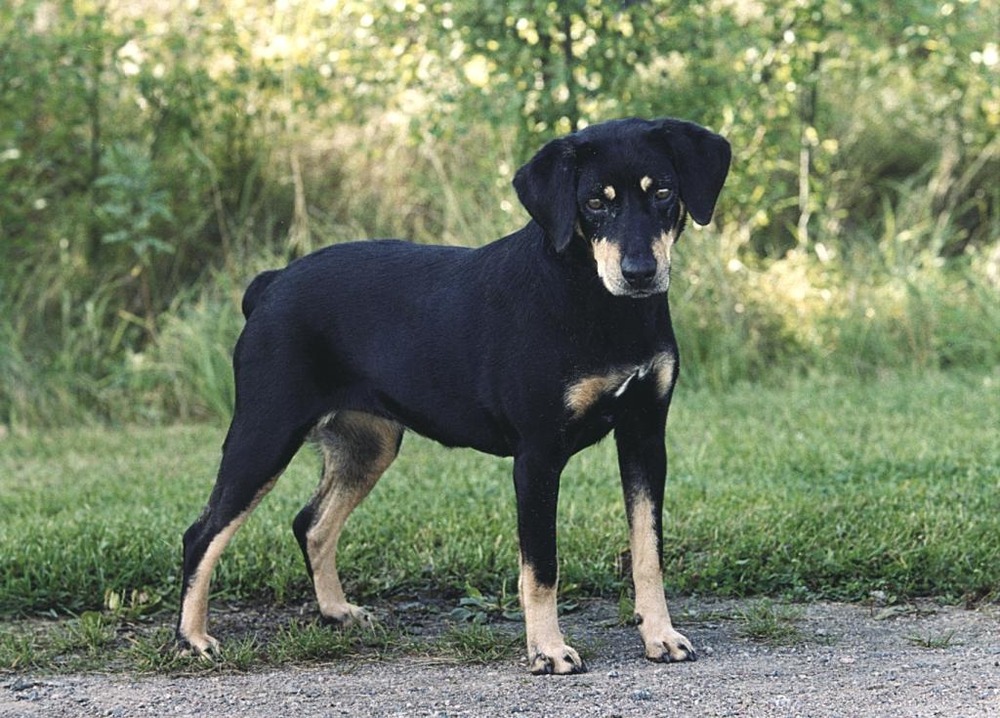
One small detail that turns out to be quite characteristic is the tail. Smålandsstövare may have a naturally long tail or a natural stumpy tail, which is still mentioned as a feature in Swedish breed information.2
Physical characteristics
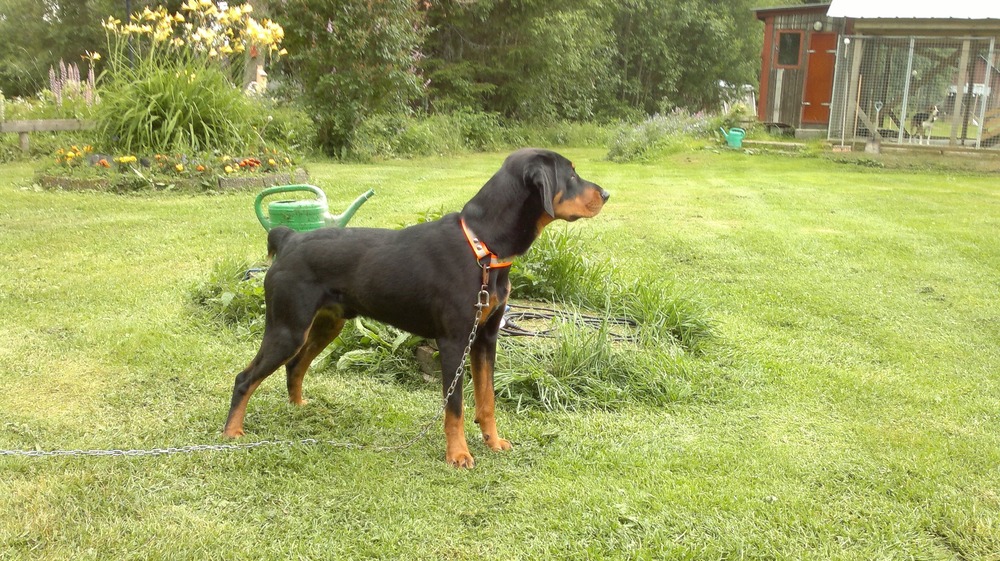
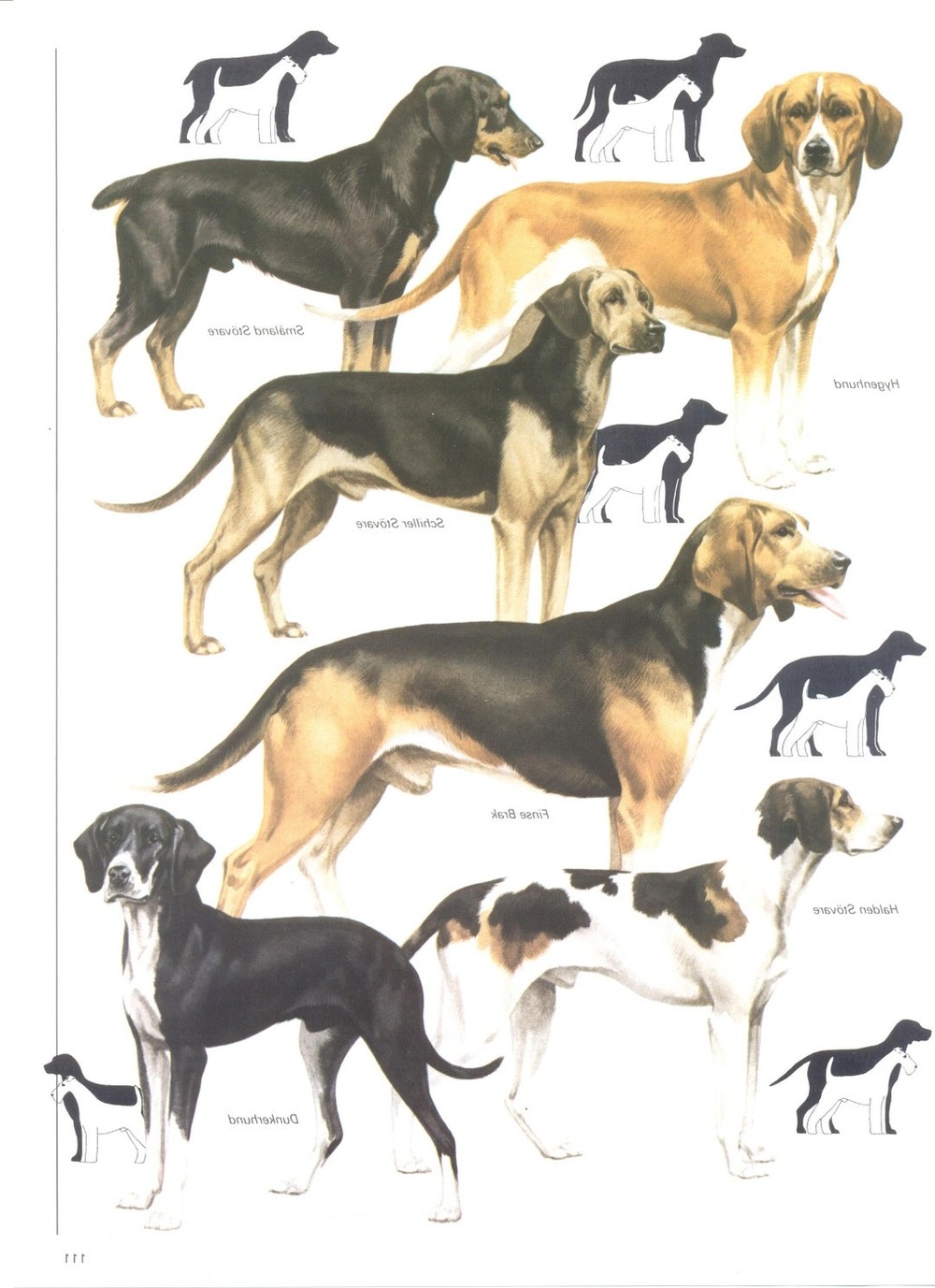
The Smålandsstövare is a medium-sized, compact scent hound with a body that is described as almost square, strong, and robust without being heavy.2 If you have lived with long-backed dogs or very fine-boned hounds, this is a different sort of outline. It is built for steady endurance and for negotiating uneven ground.
Coat descriptions can vary slightly by source, but the consistent themes are a close-lying coat with a protective undercoat and a black-and-tan pattern with well-defined tan markings. Small white markings on chest and toes are typically described as permissible in breed standards and breed club style descriptions.2
Practical note: those drop ears are part of the classic hound look, but they also mean you should be thoughtful about ear care, especially after swimming, bathing, or running through long grass.
Temperament and behaviour
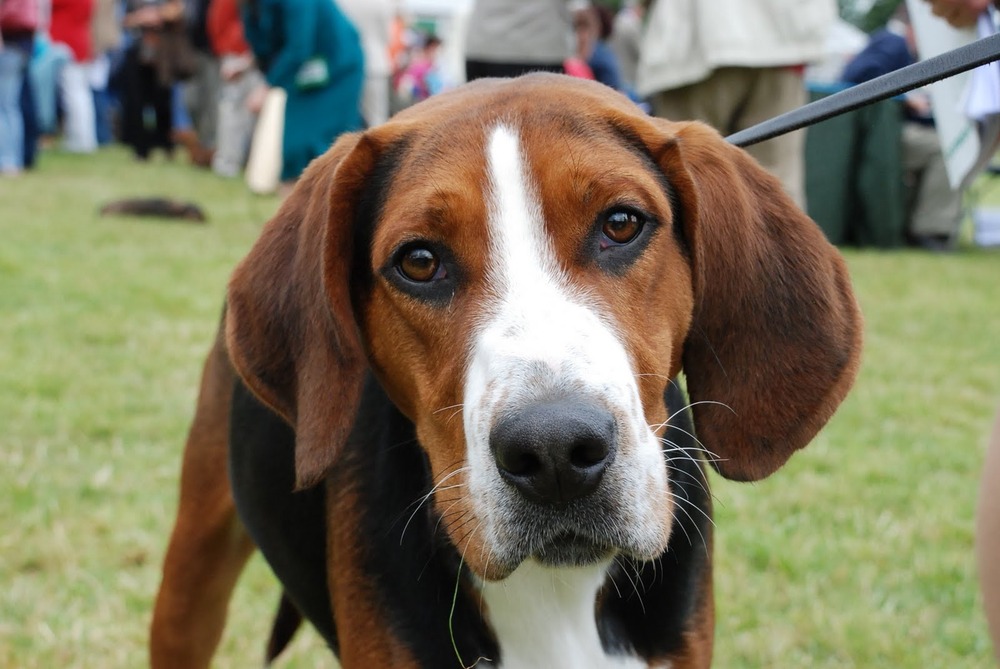
Most people are drawn to the Smålandsstövare because they want an active companion with a genuine interest in the world. As a scent hound, the breed is shaped by the job of tracking and staying with a trail. That often translates into a dog that is curious, persistent, and more satisfied after a slow, sniffy walk than a quick lap around the block.
In a family home, the best outcomes usually come from treating “energy” as information rather than a problem to suppress. A bored hound can find their own projects. A hound with enough movement and enough scent work is often easier to live with, because their needs have been met in a way that makes sense to them.
With children and visitors, it helps to think in terms of management and learning. Even a friendly dog can become over-aroused if greetings are chaotic. Calm routines, supervised interactions, and giving the dog a quiet place to opt out tend to matter more than any single label like “good with kids”.
If you have smaller pets, remember that scent hounds are wired to notice movement and follow trails. Some individuals may live peacefully with cats and smaller animals, but you should still plan for careful introductions and ongoing safety, particularly outdoors or in unfenced areas.
Training and exercise needs
Early training is less about “control” and more about building habits you can live with for years. For scent hounds, recall and lead manners are not just obedience points, they are the foundations of safety. The most reliable progress tends to come from short, consistent sessions, high-value rewards, and a home environment that makes it easy for the dog to succeed.
Australian RSPCA training guidance strongly supports reward-based, positive reinforcement methods, and highlights that puppies benefit from gradual, positive exposure to new people, places, handling, and everyday noises during their early developmental period.3, 4
Daily exercise should include both physical activity and time to investigate the environment. If you only do high-speed play, some hounds become fitter without becoming calmer. Many owners find a better balance by mixing:
- Sniff-focused walks (longer lead, slower pace, safe routes)
- Short training sessions that rehearse recall, settling, and loose-lead walking
- Simple scent games at home, such as hidden treats, scatter feeding in grass, or beginner tracking patterns
Heat and weather: the breed is generally described as hardy, but any active dog can overheat in hot, humid weather. On hotter days, shift exercise to early morning or evening, keep water available, and watch for signs of heat stress such as heavy panting, drooling, vomiting or unsteadiness. If you suspect heat-related illness, start cooling and contact a vet urgently.5
Health and lifespan
Like many medium-sized working dogs, the Smålandsstövare is often described as generally robust, but that does not mean “problem-free”. It is more useful to think in terms of sensible screening, good routines, and noticing small changes early.
Hip dysplasia is commonly discussed across many breeds, and it can vary from mild changes that cause little functional impact through to painful arthritis. Reputable screening programs generally rely on veterinary radiographs and formal scoring systems, and the results can help guide breeding decisions and long-term management.6
With drop-eared dogs, ear disease is also a practical consideration. Long ear flaps can reduce airflow, and otitis externa can be associated with underlying issues such as allergies, foreign bodies, or parasites, not simply “dirty ears”. If your dog is shaking their head, rubbing an ear, or you notice odour or discharge, it is worth getting a veterinary check rather than repeatedly cleaning at home and hoping it settles.7
For many dogs, longevity is supported by steady exercise, keeping to a healthy body weight, dental care, and choosing nutrition that suits the individual dog’s life stage and workload.
Grooming and maintenance
The Smålandsstövare coat is designed to be practical. Routine grooming is usually straightforward, but it still matters because it is how you notice changes early, a new lump, a sore spot, a tick, a tender ear, a stiffness you had not seen before.
A simple weekly brush is often enough for most of the year. During seasonal shedding, you may want to brush more frequently to lift loose hair and keep the undercoat moving. Bathing is best kept occasional, unless the dog has rolled in something memorable, since frequent washing can dry the skin.
Ear checks are worth making part of the routine, especially after water or long grass. If you are unsure what “normal” looks like for your dog’s ears, ask your vet to show you at a regular visit. It makes it easier to spot early changes before an infection becomes established.
Diet and nutrition
Feeding an active hound can feel deceptively simple until you hit the real-world variables: seasons, workload, desexing, age, and how much of their day is spent running versus sniffing slowly. A good diet is one that keeps your dog in a steady body condition, supports muscle, and is realistic for your household to maintain.
WSAVA nutrition resources for owners emphasise that ingredient lists can be misleading, and encourage looking for more meaningful indicators of quality, including whether a manufacturer provides appropriate nutritional expertise and clear contact details for questions.8
For most adult dogs, two meals a day suits digestion and routine. If you are increasing activity or training rewards, adjust meals accordingly so you are not accidentally overfeeding. If you are ever uncertain, your vet can help you assess body condition and make a practical plan rather than relying on guesswork.
Is the Smålandsstövare a good fit for your life?
The question is not whether the Smålandsstövare is a “good dog”. The question is whether your daily life has room for a dog that notices everything, follows scent with enthusiasm, and tends to do best when they have both freedom and structure.
This breed often suits people who genuinely enjoy being outside, who can provide secure fencing, and who are open to training that is cooperative rather than forceful. It may be less comfortable for households that are out all day with limited exercise options, or for people who want a dog that is naturally content with a quick walk and a quiet afternoon.
Best sign you will enjoy the breed: you like the idea of building routines, doing a little training most days, and letting your dog engage with the world through their nose.
References
- FCI Nomenclature: Smålandsstövare (No. 129)
- Swedish Kennel Club (SKK): Smålandsstövare
- RSPCA Knowledgebase: How can I socialise my puppy?
- RSPCA ACT: Dog Training School (reward-based training overview)
- American Veterinary Medical Association (AVMA): Preventing dogs from overheating
- Orthopedic Foundation for Animals (OFA): Hip dysplasia
- American College of Veterinary Surgeons (ACVS): Otitis externa (risk factors including floppy ears)
- WSAVA: Global Nutrition Guidelines and owner tools