

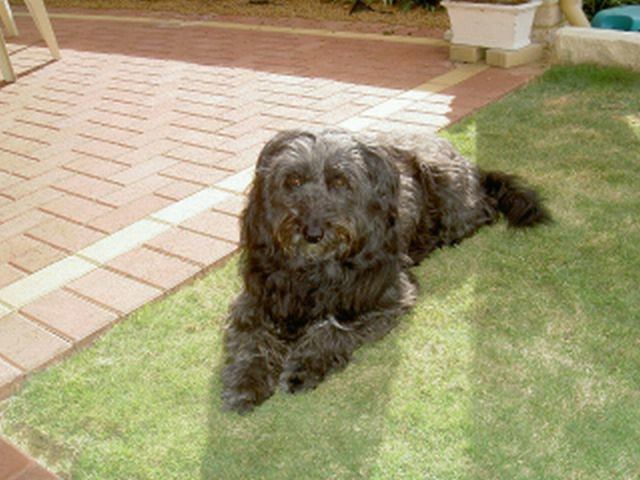
People usually come across the Smithfield after hearing an older farmer mention them, spotting a shaggy “sheepdog type” at a country show in Tasmania, or trying to work out whether a family dog has links to the old droving dogs of Britain. It is not a breed most people meet through mainstream kennel club channels, which can make the trail feel a bit fuzzy.
Part of the confusion is that “Smithfield” has been used as a practical working label as much as a formal breed name. In Britain it referred to rough-coated droving and herding dogs associated with Smithfield Market in London, and in Australia the name has persisted, especially in Tasmania, for dogs still valued primarily for their ability in the yards and paddock rather than for a standardised look.
If you are considering a Smithfield, or you already live with one, what matters day to day is not a perfect pedigree story. It is their working-dog temperament, their coat and heat management needs, and the kind of training that helps a smart, energetic dog settle into family life.
Background and working history

The Smithfield is commonly described as a herding and droving dog type connected with the livestock trade around Smithfield Market in London. In that context, “Smithfield” was as much a job description as a neat breed label, and records are patchy compared with modern, standardised breeds.1
In Australia, the Smithfield name is often linked with early colonial working dogs brought from Britain, then used where a tough, biddable dog was needed to move stock and cope with hard conditions. Some sources describe the original British Smithfield as likely extinct as a recognised population, while noting that dogs of similar type are still exhibited and worked under the Smithfield name in Tasmania.1, 2
It is also worth noting that “Smithfield” appears in broader working-dog history. Accounts of early cattle dog development mention “Smithfield drover type” dogs among the stock-working dogs present in the colonies, even if the details vary between sources.3
Appearance, coat, and what you notice first
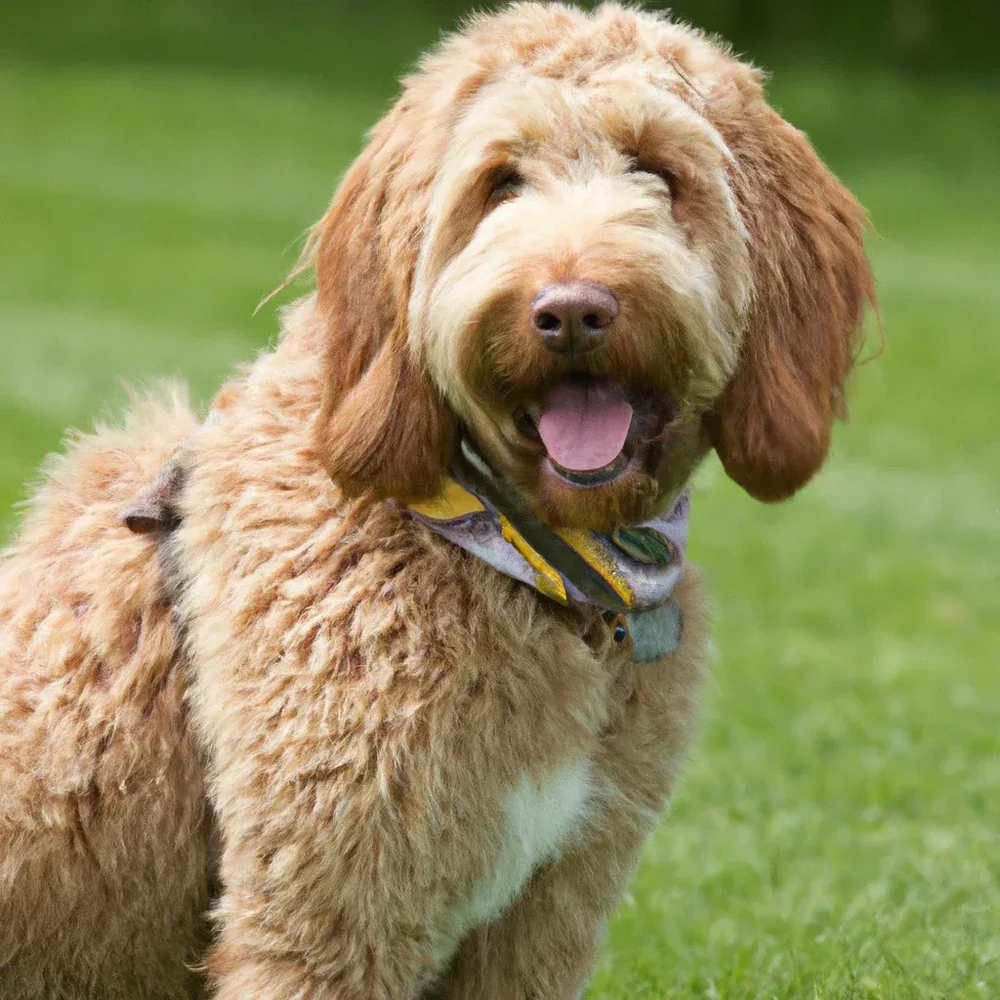
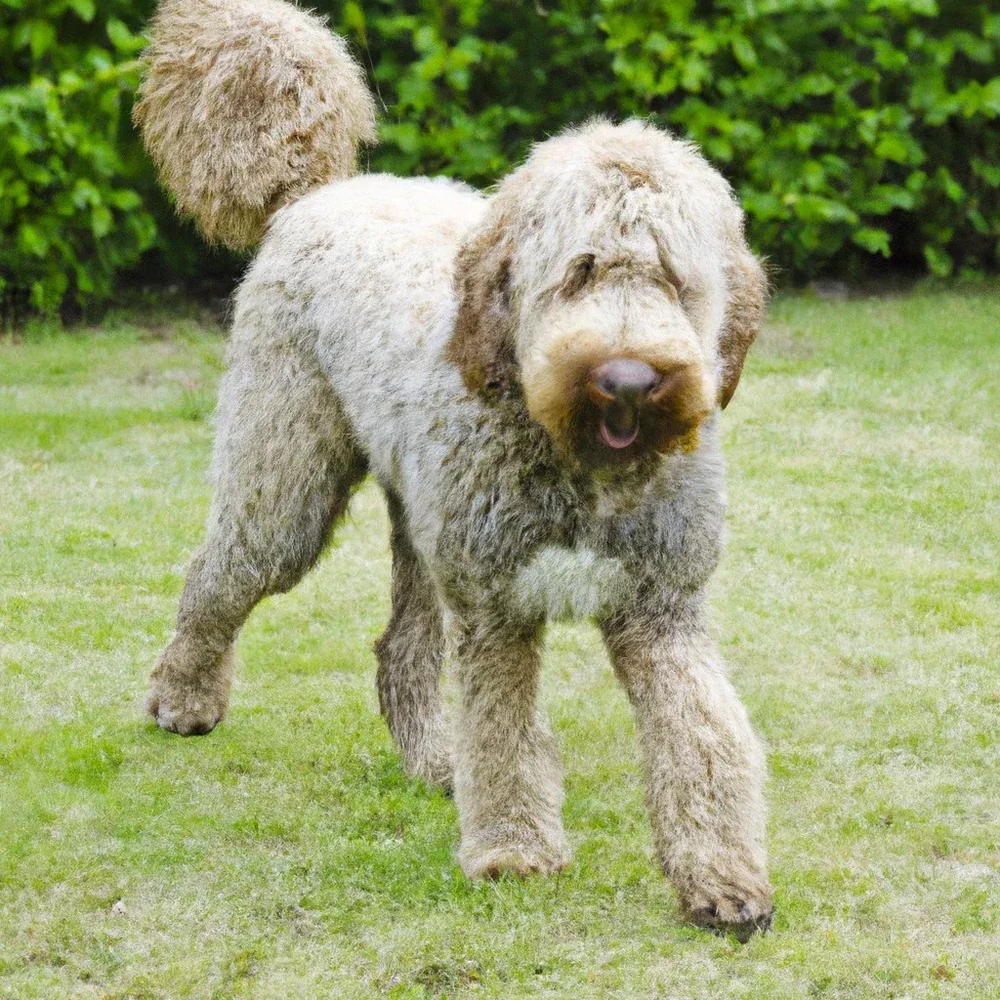
Most people recognise a Smithfield type by the shaggy, rough coat and a solid, working build. Descriptions commonly mention floppy ears and a coat that can be black, grey, or red with white markings, sometimes with a natural bobtail in some lines and a longer tail in others.1, 2
Because this is not an ANKC-recognised breed with a single, enforced standard, you may see variation in size, outline, and coat texture. In practical terms, that means judging the individual dog in front of you, not a checklist.
The coat is protective, but it is also a commitment. If you prefer a dog you can rinse and forget, a Smithfield type can feel like a lot of dog in the grooming basket.
Temperament and day-to-day suitability

Smithfield types are generally discussed as intelligent, people-aware working dogs who do best when they have a role, even if that role is “come with me and learn things”. They are often described as friendly and steady when their exercise and engagement needs are met, and they can be good family dogs with thoughtful socialisation.1
What can catch families off guard is that herding breeds and herding-breed types often bring movement sensitivity into the home. That can show up as circling, chasing, or getting a bit too involved when children run, bikes move, or visitors arrive. It is not “bad behaviour” so much as an unpolished working pattern, and it responds well to early training, management, and giving the dog appropriate outlets.
If you live in a small space, it is not impossible, but you will need a realistic plan for daily exercise and mental work. A bored working dog does not become restful just because the house is quiet.
Training and exercise that actually helps
With bright, stock-oriented dogs, training tends to go best when it is consistent, reward-based, and built into normal life. Short sessions, clear cues, and plenty of practice in calm environments usually beat long, high-pressure drills.
Aim for a routine that covers both body and brain. For many Smithfield types, the missing piece is not a longer walk, it is structured problem-solving and learning to settle.
- Sniff and search games (scatter feeding, simple scent games, “find it” around the yard)
- Recall practice and lead skills in low-distraction areas before expecting success at the park
- Impulse control games (waiting at doors, calm greetings, “go to mat”)
- If you have access, low-impact activities like basic agility foundations can suit the working mind without overloading joints
If you are seeing nipping, chasing, or frantic barking, it often helps to step back and ask: has the dog had enough sleep, enough decompression time, and enough training that rewards calm choices?
Health, heat, and practical care
Because “Smithfield” is used for a type rather than a tightly controlled pedigree population, there is no single official health profile. Still, medium to large working dogs commonly face issues like joint disease, including hip dysplasia, and some lines may have eye problems. If you are buying a puppy, ask what the parents have been screened for, and ask to see documentation, not just reassurance.4
Heat management matters. A thick coat can increase overheating risk, especially when exercise, humidity, or extra body weight are involved. Learn the early signs of heat stress and plan walks for cooler parts of the day.5, 6
Watch for signs such as heavy panting that escalates, drooling, weakness, vomiting, bright red or very pale gums, or collapse, and seek veterinary care urgently if you suspect heatstroke.5, 6
Grooming and coat care without turning it into a battle
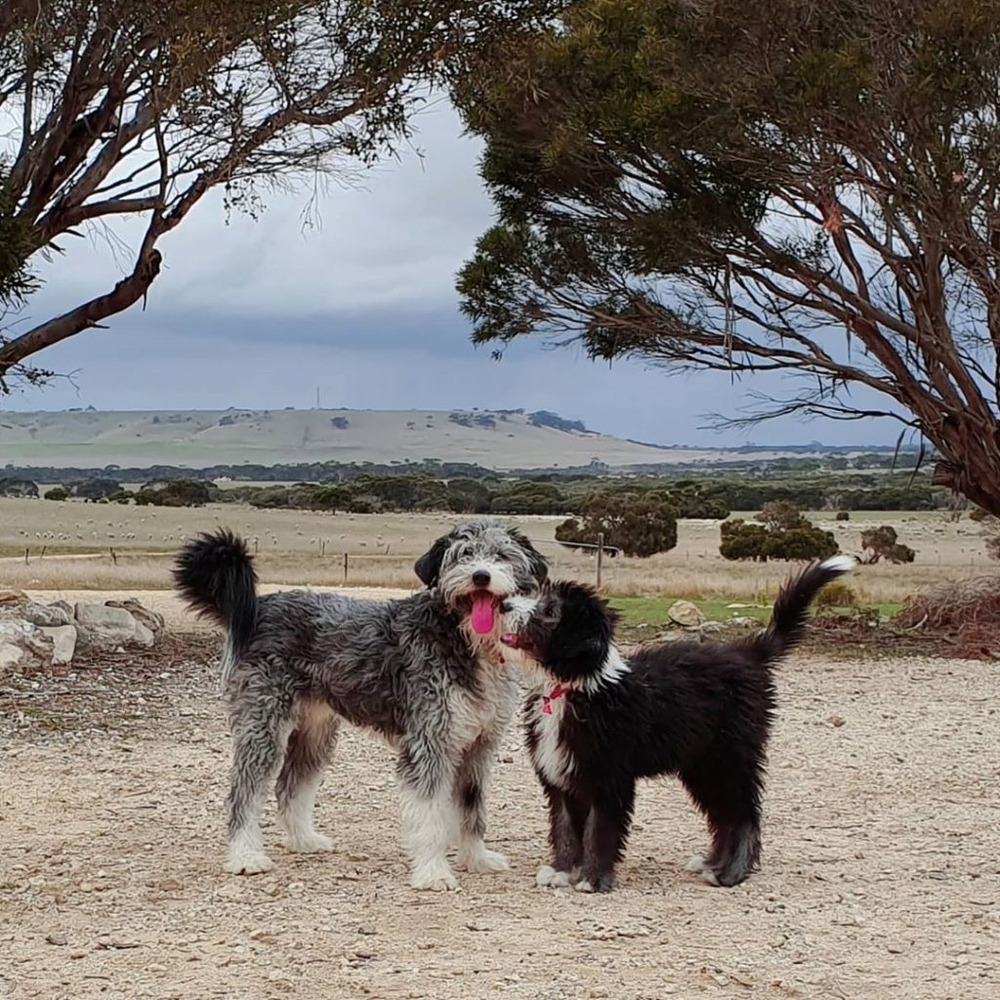
A shaggy coat is part of the Smithfield charm, but it needs maintenance. Brushing a few times a week helps prevent matting, and it also gives you a chance to check skin, ears, and paws. If mats form, they can pull on the skin and make everyday handling uncomfortable.
Try to keep grooming calm and predictable. A few minutes of brushing with a reward, repeated often, usually works better than infrequent, exhausting sessions. If your dog struggles, a groomer or trainer can help you build cooperative care routines so the dog learns what is coming and how to cope with it.
Bathing should be occasional and purposeful. Over-bathing can dry the skin, while under-bathing can leave debris trapped in a dense coat. The “right” schedule depends on the dog’s lifestyle and coat texture.
Feeding and safe treats
Active, medium to large dogs generally do best on a complete, balanced diet appropriate to their life stage and activity level. If your dog is gaining weight despite regular exercise, it is worth measuring food, reviewing treats, and checking in with your vet.
Be cautious with table scraps and home-prepared add-ons. Some human foods are genuinely dangerous for dogs, including grapes and raisins, chocolate, macadamia nuts, and xylitol (found in some sugar-free products and some peanut butters). Onions and garlic can also be harmful.7, 8
If you want to add “real food” treats, keep them simple and low-risk, and introduce new foods in small amounts. When in doubt, ask your veterinarian, especially if your dog has a sensitive stomach or any diagnosed health condition.
Final thoughts
Living with a Smithfield type is often about appreciating a dog that has been shaped by work. The coat, the alertness, the desire to do something, all make more sense when you view them through that lens.
With steady training, enough daily engagement, and sensible care in hot weather, these dogs can be deeply satisfying companions. They tend to suit people who enjoy an observant, energetic dog and who are willing to put time into skill-building and routine, rather than expecting maturity to arrive on its own.
References
- Wikipedia: Smithfield (dog)
- Jane Dogs: Smithfield
- Wikipedia: Australian Cattle Dog (history section referencing Smithfield drover type)
- Australian Veterinary Association: Hip dysplasia
- RSPCA Australia: Warm weather worries, protect pets from heatstroke
- RSPCA Pet Insurance: Heatstroke guide for cats and dogs
- RSPCA Australia: Household dangers to your pet (toxic foods overview)
- RSPCA Pet Insurance: What fruit and vegetables to avoid feeding your dog