

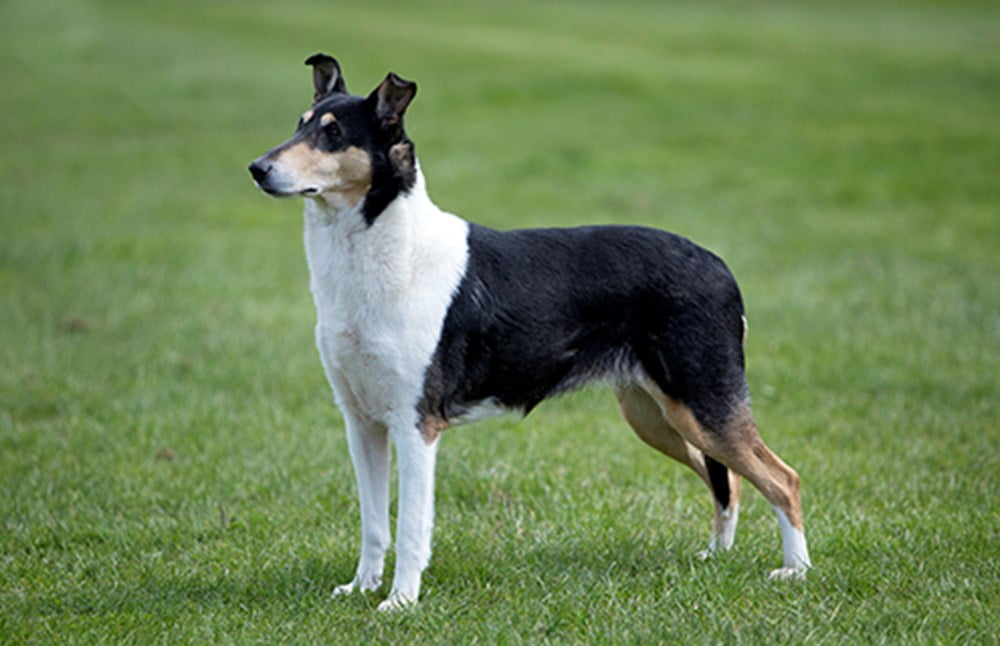
People often notice Smooth Collies in passing and assume they are simply a short-coated version of Lassie. Then they meet one, or start looking at breeders and rescue listings, and realise there is something a little different in the way these dogs carry themselves: quietly watchful, responsive, and keen to move with you rather than just around you.
It is also common to underestimate how much a herding breed notices. A Smooth Collie can look easy-going, and many are, but the same sensitivity that makes them a lovely companion can also mean they take in a lot of detail from their environment. In day-to-day life, that shows up as fast learning, strong routines, and a need for both exercise and thoughtful handling.
If you are considering a Smooth Collie, or you already share your home with one, it helps to understand the breed’s working roots, what “low-maintenance” really means with a short double coat, and the few health topics that responsible owners and breeders pay close attention to.
- Breed group: Herding (pastoral type)
- Origin: Scotland (developed in the United Kingdom)
- Typical height: Males 56 to 61 cm, females 51 to 56 cm1
- Typical weight: Males 20.5 to 29.5 kg, females 18 to 25 kg1
- Life expectancy: Often 12 to 14 years7
- Coat: Short, dense double coat (smooth variety)
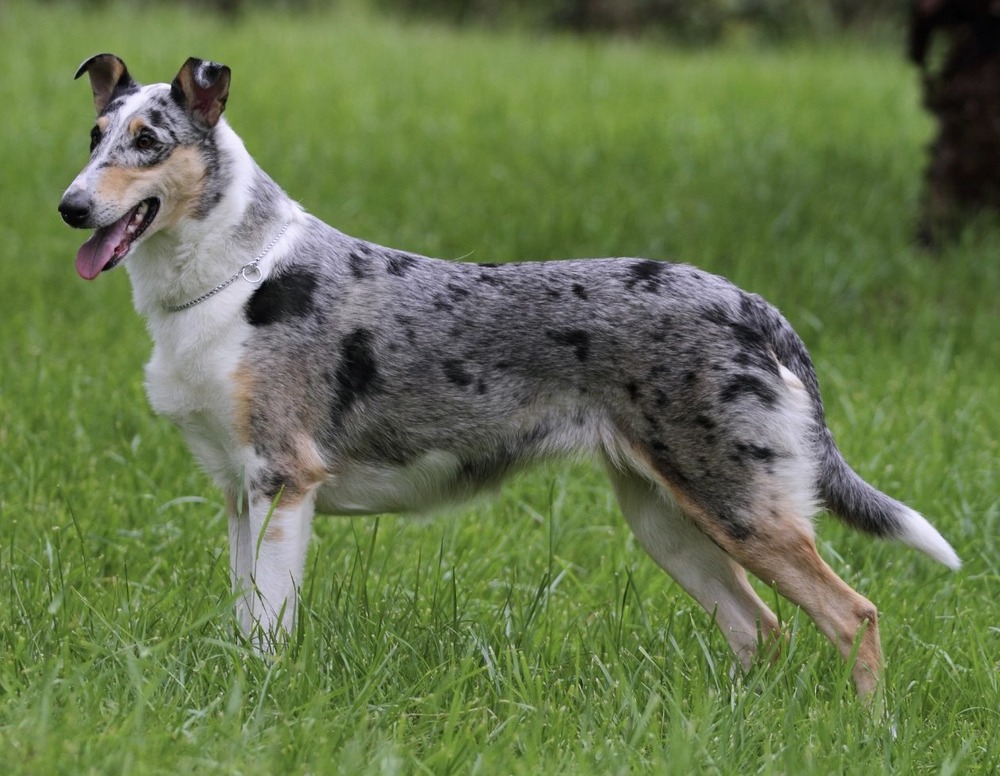
- Colours: Commonly sable, tricolour, blue merle (some standards also recognise white)1, 2, 6
- Shedding: Moderate year-round, heavier seasonally
- Exercise needs: Daily activity plus mental work
History and development
Collies developed as practical farm dogs in Scotland and across the United Kingdom, valued for their ability to move stock with distance control, stamina, and a cooperative working style. The Smooth Collie is the same breed as the Rough Collie, just a different coat variety, and the short coat suited people who wanted Collie qualities with less coat to manage in mud, burrs, and wet paddocks.1
In the nineteenth century, Collies became fashionable beyond the farm, helped along by prominent interest in the breed from Queen Victoria. That wider attention contributed to more formal breed standardisation and a growing presence in dog shows, while many lines retained the steady, biddable qualities that made Collies useful in the first place.7
Why this matters today: a Smooth Collie’s “nice manners” are not accidental. They come from generations of dogs selected to notice movement, respond quickly, and stay connected to their handler.
Physical characteristics
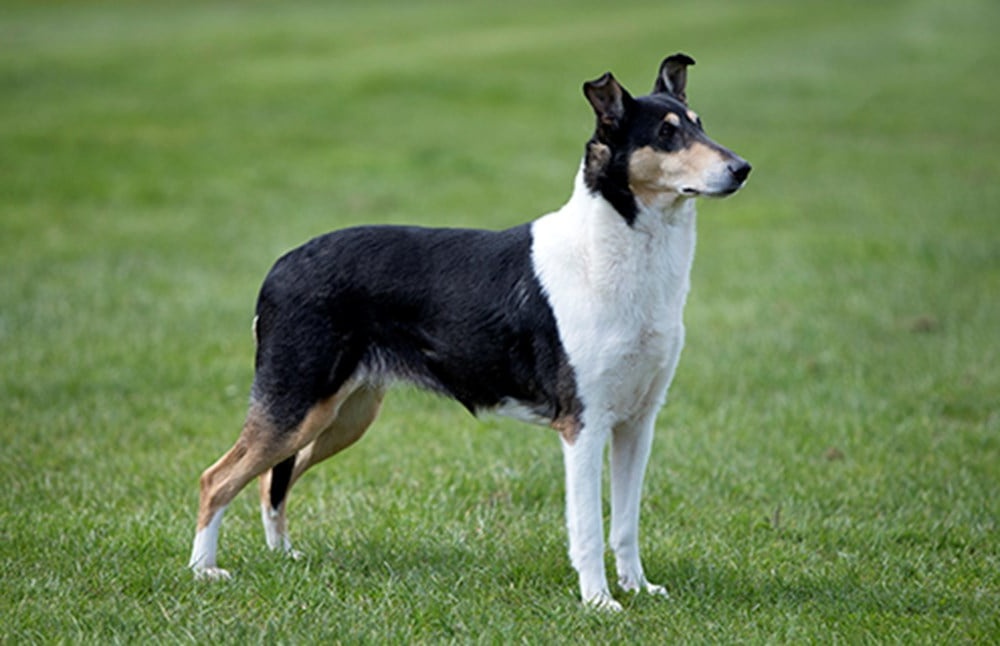
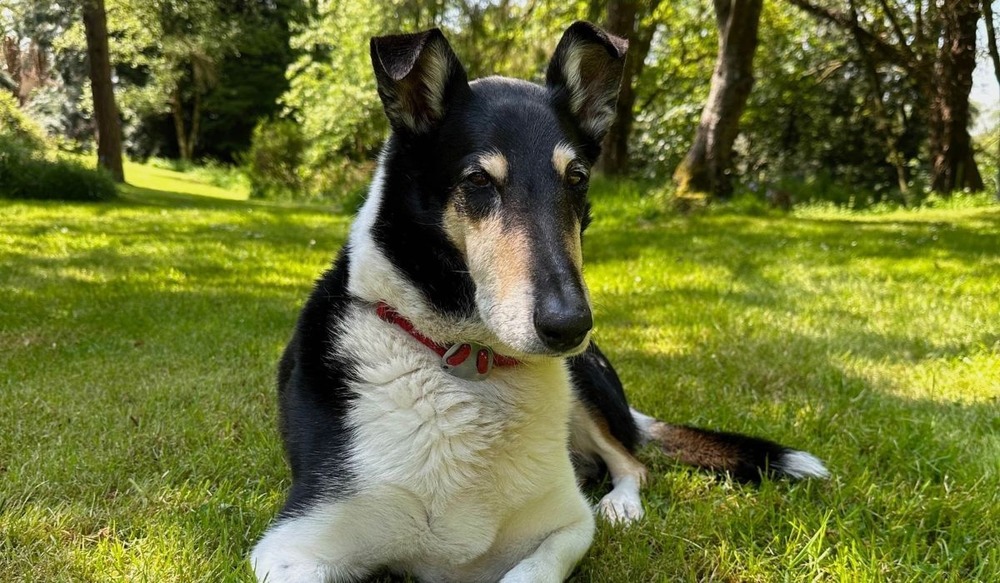
The Smooth Collie is a medium to large, athletic dog with a clean outline and an efficient, ground-covering gait. Breed standards describe adult males at around 56 to 61 cm at the shoulder, with females slightly smaller at 51 to 56 cm, and weights commonly falling in the high teens to high twenties (kg) depending on sex and build.1
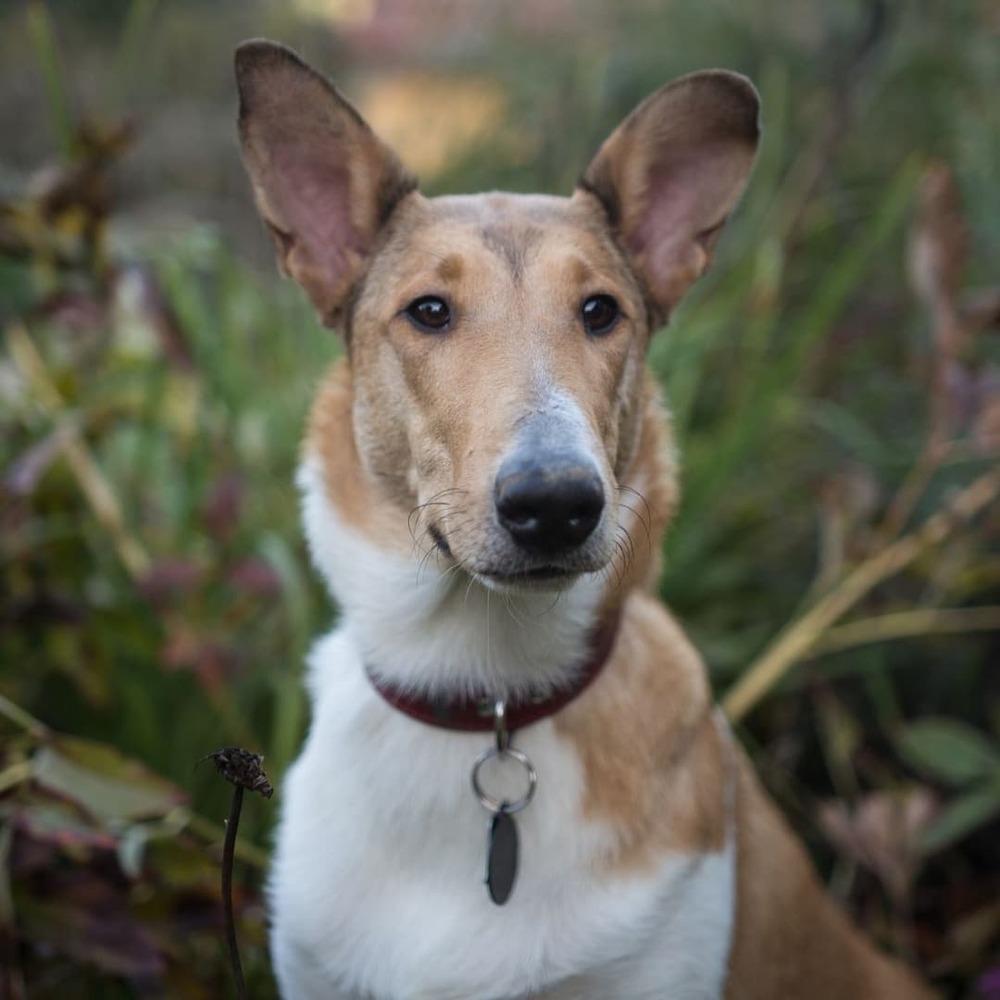
The head is often described as wedge-shaped with a soft expression, and the ears are typically semi-erect. The coat is short, hard, and dense with undercoat in the smooth variety, which is a big part of why these dogs cope well with cooler weather.6
A practical note on colour: depending on the kennel club and country, “white” may be recognised alongside sable, tricolour, and blue merle. If you are comparing litters or paperwork, check which registry the breeder uses and which standard their dogs are shown under.1, 2, 6
Temperament and everyday behaviour
Smooth Collies are widely known as intelligent, responsive dogs that tend to stay tuned in to their people. In a household, that often looks like a dog who follows the flow of the day, learns routines quickly, and checks in often without being physically clingy.
They can also be more environmentally aware than people expect. A Smooth Collie might notice visitors at the gate, the neighbour’s dog walking past, or a change in tone in the home. This does not automatically mean anxiety or guarding behaviour, but it does mean they do best with calm structure and early, positive social experiences.
With children, many Smooth Collies are gentle and patient, particularly when the dog is well exercised and the kids are coached to interact respectfully. As with any herding breed, it is wise to watch for “tidying up” behaviours such as circling, shadowing, or occasional heel-nipping in young dogs, then redirect to appropriate outlets before it becomes a habit.
Training and exercise needs
Most Smooth Collies take well to reward-based training. They are often quick to understand patterns, which is a gift, but it also means they can learn the wrong thing just as efficiently if practice is inconsistent. Short, regular sessions usually work better than long drills.
Daily exercise matters, but so does purposeful engagement. A Smooth Collie who only gets physical exercise may still look for ways to “do a job” around the home. The goal is not to tire them out completely, but to meet the breed’s need to think and cooperate.
Activities that suit many Smooth Collies include:
- Brisk walks plus sniff time
- Recall games and retrieve play
- Agility, obedience, rally, or tracking foundations
- Food puzzles and simple scent games at home
If you live in a unit or smaller home, it can still work well, provided you plan for daily outings and keep barking from becoming your dog’s default “job”. Building a reliable settle cue, and rewarding calm observation, can make a big difference over the long term.
Health and lifespan
Many Smooth Collies are robust dogs, and it is still sensible to go in with your eyes open. Breed clubs and veterinary groups commonly point to orthopaedic issues (including hip dysplasia) and inherited eye conditions as topics to discuss with breeders and your vet.
One of the best-known inherited eye conditions in Collies is Collie Eye Anomaly (CEA), which is present from birth and can vary from mild changes that do not significantly affect vision through to more serious defects that can be blinding. It can be checked via specialist eye examination in young puppies and can also be managed through responsible genetic testing in breeding programs.3, 4
Smooth Collies are often reported to live around 12 to 14 years, and, as with most breeds, good outcomes are closely linked to lean body condition, consistent preventive care, and appropriate exercise over the dog’s whole life.7
If you are choosing a puppy, ask what health testing is done in that line, and what the results mean in practical terms. A good breeder will be comfortable talking about strengths, risks, and how they make pairing decisions, not just offering reassurance.
Grooming and coat care
The Smooth Collie’s coat is easier than a Rough Collie’s, but it is not “no shedding”. The short double coat tends to drop hair steadily, with heavier seasonal moults. Weekly brushing is a good baseline for many households, and during shedding peaks, a few extra sessions can keep loose undercoat from building up on furniture and in the coat itself.
Grooming is also a chance to do small health checks without fuss. Look over the skin, feel for new lumps, check ears for odour and redness, and keep nails at a comfortable length. For most Smooth Collies, bathing is occasional rather than frequent, and using a gentle dog shampoo helps avoid drying the skin.
Low effort, high value habit: keep a brush near where your dog relaxes, and do two minutes at a time. Many Smooth Collies will happily accept this as part of their routine.
Diet and nutrition

Smooth Collies usually do well on a complete and balanced diet matched to life stage and activity level. Because they are active and trainable, it is easy to overdo treats without noticing weight creep. Keeping your dog lean is one of the simplest, most practical health choices you can make.
If you are weighing up foods, look for diets that meet recognised nutritional guidelines and suit your individual dog, rather than chasing trends. The World Small Animal Veterinary Association (WSAVA) provides helpful questions to ask pet food companies and encourages owners to involve their vet when making major diet changes.8
Important safety reminder: some everyday human foods are toxic to dogs. Grapes and raisins (and foods containing them) are associated with kidney failure, and xylitol (a sweetener found in some sugar-free products) can be life-threatening. Chocolate is also a common poisoning risk, particularly darker varieties.9, 10
Living with a Smooth Collie
In the home, the Smooth Collie often shines as a dog who wants to be included. They typically enjoy being near the family’s activity, and many settle well once their exercise and mental needs are met. When problems crop up, they are often less about “stubbornness” and more about unmet expectations, such as too little practice being alone, too few outlets for busy brains, or inconsistent boundaries around barking.
If you like the idea of a dog who learns quickly, notices small changes, and wants to work with you, the Smooth Collie can be a deeply rewarding companion. If you prefer a dog who is less tuned in to the household rhythm, a lower-sensitivity breed might feel easier day to day.
A good match looks like: steady routines, kind training, daily movement, and a willingness to give the dog a job, even if that job is simply learning how to relax well.
References
- The Kennel Club: Collie (Smooth) breed standard
- Collie Club of America: Collie standard (size and colours)
- Australian Shepherd Health & Genetics Institute: Collie Eye Anomaly overview
- Collie Health Foundation: Choroidal Hypoplasia/Coloboma (CEA) information
- United Kennel Club: Collie breed standard (smooth variety coat, colours)
- Collie Life: Rough and Smooth Collie breed standard (compiled standard text)
- The Spruce Pets: Collie breed characteristics and care
- WSAVA: Global Nutrition Guidelines
- RSPCA Pet Insurance Australia: Foods dogs should not eat
- The Kennel Club: Poisonous food for dogs