

You might first notice a Soft-Coated Wheaten Terrier as a flash of pale, tousled coat at the dog park, or as the cheerful dog who seems to bounce up to say hello before you have properly stepped inside. People often describe them as “low-shedding” and “family-friendly”, and both can be true, but living with a Wheaten is usually a bit more textured than those labels suggest.
They are terriers, after all. That means curiosity, quick reactions, and a mind that is always doing something with the information in front of it. With the right outlet and steady handling, that energy reads as bright, companionable confidence. Without it, the same traits can spill into jumping up, pulling on lead, or inventing their own games when the household is busy.
What makes the breed special is the combination of soft coat, sharp brain, and a sociable style that suits many homes, provided you are comfortable with grooming and daily engagement. The aim is not to “manage” a Wheaten so much as to set up a life where their natural way of moving through the world fits neatly with yours.
Soft-Coated Wheaten Terrier at a glance
- Group: Terrier
- Origin: Ireland
- Size: Medium, typically about 46 to 49 cm at the withers (bitches slightly less)
- Weight: Often around 16 to 20.5 kg (bitches somewhat less)
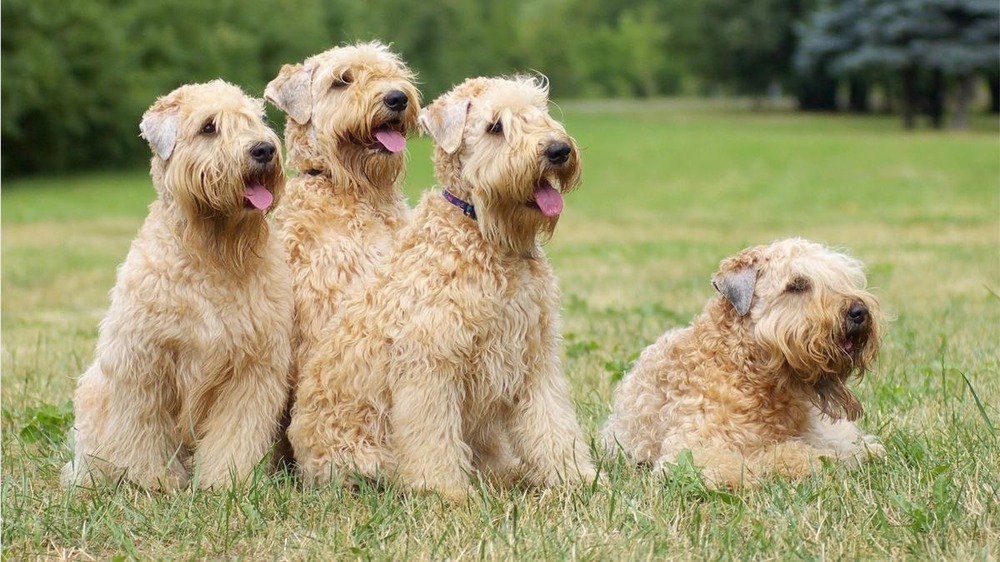
- Coat: Single coat, soft and silky, loosely waved or curly
- Colour: Clear wheaten, with shade and coat texture settling as the dog matures
- Typical lifespan: Often around 12 to 15 years
Breed descriptions vary slightly by kennel club, but the consistent picture is a compact, active terrier with a natural, flowing coat and an alert, good-tempered manner.1, 2
History and origin
The Wheaten’s roots are in rural Ireland, where a practical dog that could do a bit of everything was valued. They were kept as general-purpose farm dogs, expected to keep watch, shift stock when needed, and deal with vermin around buildings and feed stores.3
Formal recognition came later than many people assume. The breed was registered with the Irish Kennel Club and shown at an Irish Kennel Club championship show on St Patrick’s Day in 1937, which helped move the Wheaten from local working dog to a more widely recognised companion.3
That working background still shows up in everyday life. A Wheaten is often interested in movement, quick to notice changes in routine, and inclined to investigate anything new in the yard. Those traits can be a delight, especially when you provide clear boundaries and something constructive to do.
Physical characteristics and coat

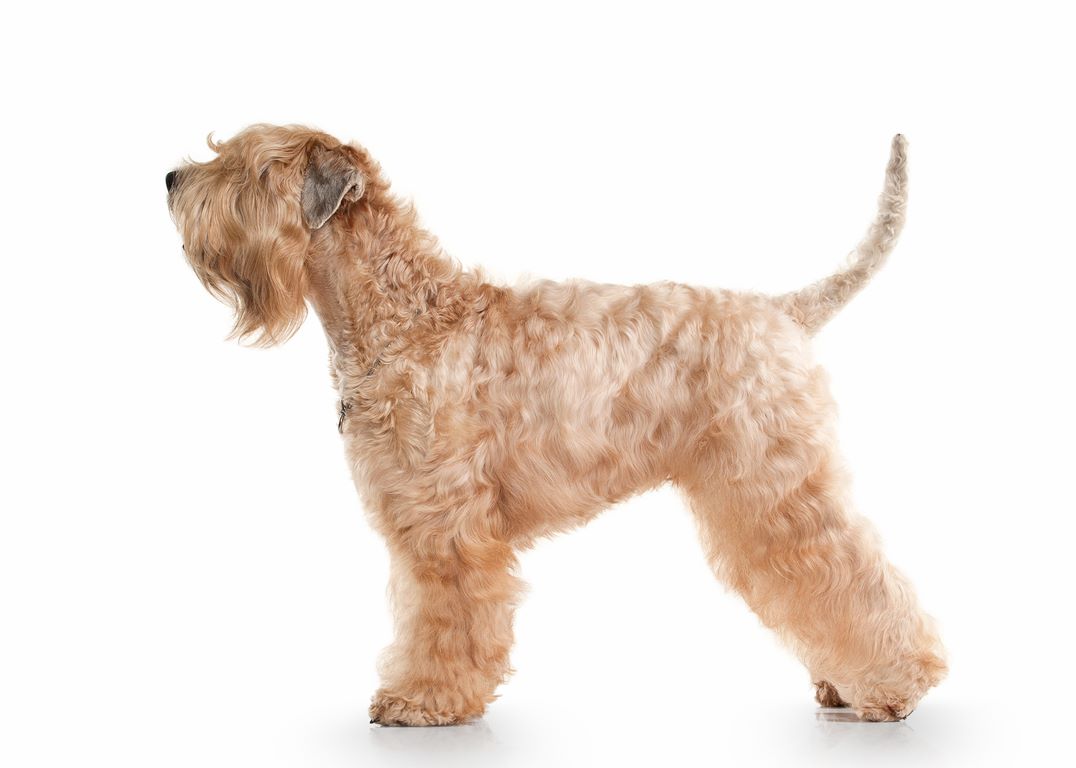
Wheatens are medium-sized, squarely built terriers with enough leg to move freely and enough substance to feel sturdy without being heavy. In Australian breed standards, dogs are typically around 46 to 49 cm, with bitches slightly less, and weight is commonly around 16 to 20.5 kg for dogs, again with bitches somewhat less.2
The coat is the feature most people remember. A correct adult coat is soft and silky, falling in loose waves or curls and sitting naturally rather than standing out. Colour is a clear wheaten, and it is normal for young dogs to change as they mature, with coat colour and texture taking time to settle.1, 2
One small but important practical note, especially for Australian readers: you may see older references to docked tails in breed write-ups. Routine tail docking is prohibited across Australian states and territories, with limited therapeutic exceptions performed by a vet, so most Wheatens you meet here will have natural tails.4
Temperament and behaviour in real homes
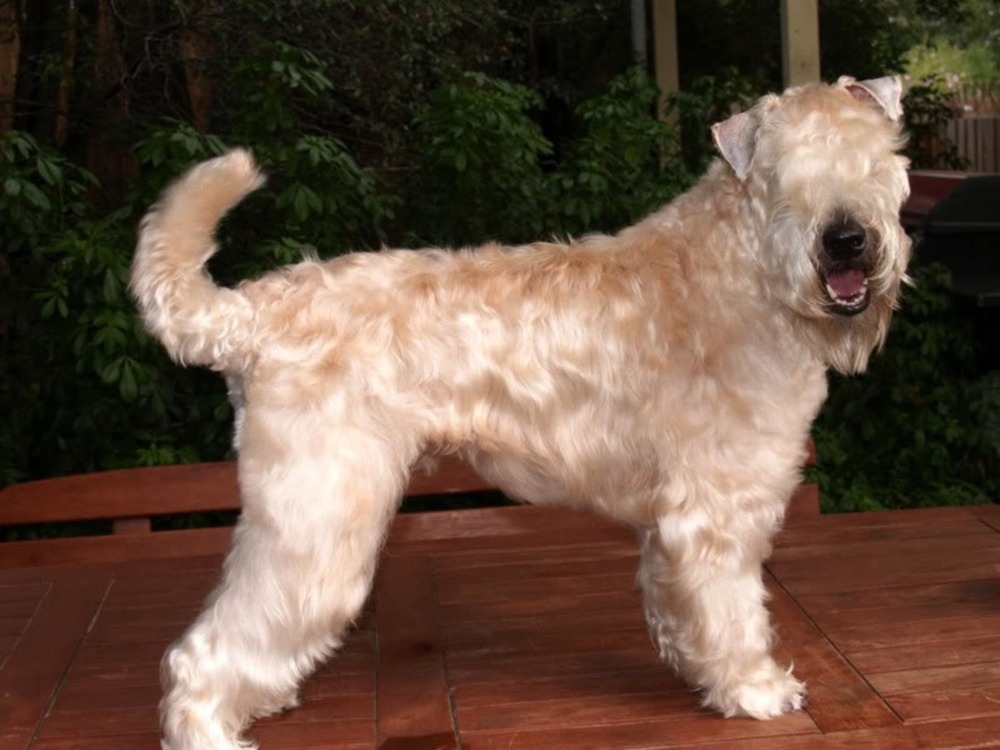
In temperament, Wheatens are commonly described as good-tempered, spirited, and full of character. They tend to enjoy being near their people, and many are social with visitors once they have worked out what is happening. This is often the point where the famous greeting comes in, the enthusiastic jumping up that owners affectionately call the “Wheaten greetin’”.2, 5
It can be charming, and it can also be muddy, inconvenient, or simply too much for small children or older relatives. The key is to treat it as a trainable behaviour, not a personality flaw. Teach an alternative greeting early (for example, sitting for pats), and practise it when nobody is rushing out the door.
With children and other pets, many Wheatens do well when introductions are thoughtful and supervision is normal. Like most terriers, though, they may find quick, small movements interesting, so early socialisation and calm management around smaller animals is sensible.
Training, socialisation, and exercise
A Wheaten usually learns quickly, but they do not thrive on drilling. Short, clear sessions with rewards and play breaks tend to work better than repeating the same cue until everyone is tired. Think in terms of daily habits, not big lessons, and you will often get a steadier result.
Early socialisation matters because it shapes how the dog responds to novelty. Meeting different people, hearing urban sounds, walking on varied surfaces, and learning to settle in new places all help a young Wheaten grow into an adult who can cope with normal life without overreacting.
Exercise needs are best thought of as both physical and mental. Many Wheatens enjoy brisk walks, games of fetch, scent-based games, and learning simple skills that make them feel included. A securely fenced yard helps, but it rarely replaces shared activity.
- For busy days: a shorter walk plus a training game and a food puzzle can be more satisfying than a long wander with no interaction.
- For mouthy, bouncy youngsters: practise calm greetings and reward four paws on the floor before excitement peaks.
Health and lifespan
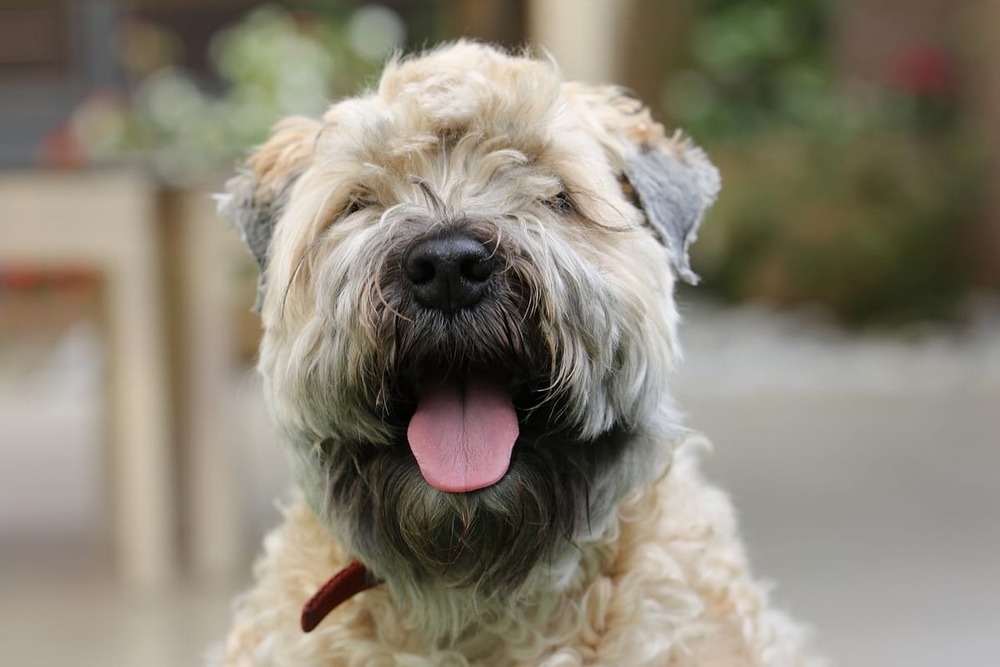
Many Soft-Coated Wheaten Terriers live into their teens, often quoted around 12 to 15 years, with variation depending on genetics, lifestyle, and health care.6
The breed is known for an increased risk of protein-losing diseases, commonly described as protein-losing enteropathy (PLE) and protein-losing nephropathy (PLN). These conditions can be serious, and they are a good example of why “healthy-looking coat and energy” is not the same as internal health. If your vet flags persistent gut signs, weight loss, lethargy, swelling, or abnormal urine results, it is worth asking directly whether PLE or PLN should be considered for this breed.6, 7
Like many active, medium-sized dogs, Wheatens can also be affected by issues such as hip dysplasia, although individual risk varies. Keeping dogs lean and fit is one practical step that supports joint health across breeds.8
Practical preventative care
- Keep up with regular veterinary checks, including dental care discussions and routine screening appropriate for age and breed.
- Maintain a stable, healthy body condition, because extra weight stresses joints and can complicate a range of conditions.8
- Ask your breeder (or rescue) what health screening has been done in the line, and keep records so your vet has the full picture.
Grooming and maintenance
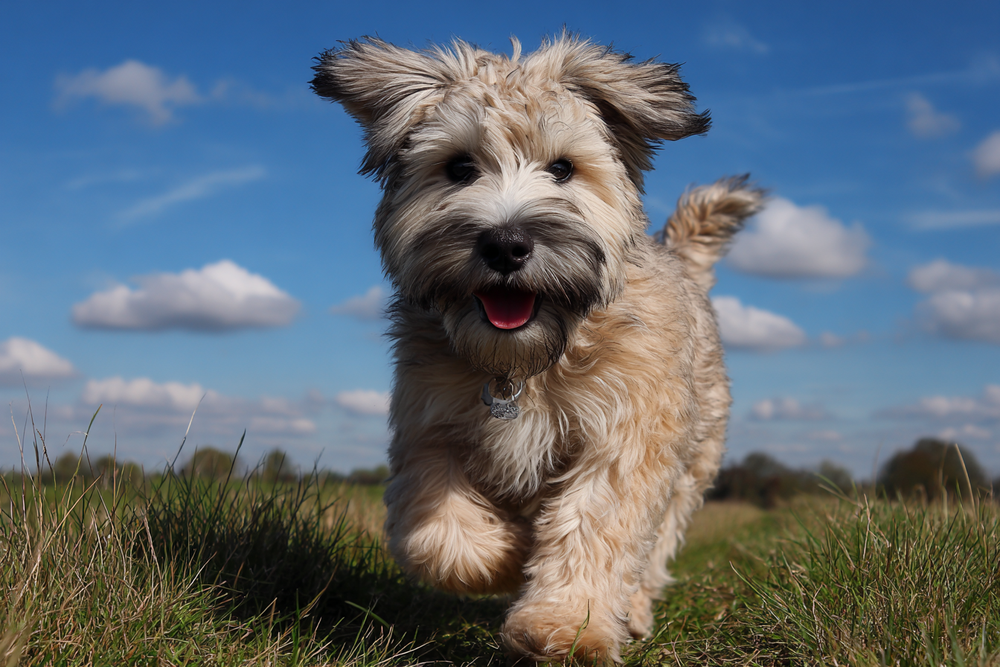
The “low-shedding” reputation is broadly fair, but it comes with a trade-off: loose hair tends to stay in the coat, which can lead to knots and mats if brushing is inconsistent. Many owners find that a metal comb, used methodically down to the skin, is the tool that truly tells the truth about tangles.
Grooming is often most demanding while the coat transitions from puppy to adult. During this stage, a consistent comb-through can prevent the sort of matting that turns grooming into a battle for both dog and human.9
Professional grooms are helpful for keeping shape manageable, especially if you prefer a practical pet trim. Even with a groomer, most Wheatens still need regular at-home coat checks, particularly behind ears, in armpits, and around the collar area where friction builds.
Diet and nutrition
Most Wheatens do well on a balanced, complete diet appropriate to their life stage, with quantities adjusted to keep them lean. If you are comparing foods, it helps to look beyond marketing and ingredient lists and focus on whether the company can demonstrate nutritional expertise and quality control.
The World Small Animal Veterinary Association (WSAVA) provides guidance and practical questions owners can use when choosing a pet food. It is a calm way to cut through the noise when different brands make the same promises.10
Foods to avoid
Households often know about chocolate, but other common items can catch people out. Grapes and raisins, onions and garlic, macadamias, and products containing xylitol are among the better-known hazards, and cooked bones can splinter and cause injury.11, 12
If you are using treats in training, keep them small and count them as part of the day’s intake. For many Wheatens, the reward is not only the food, but the moment of shared attention that comes with it.
Living with a Wheaten, what tends to work
A Soft-Coated Wheaten Terrier usually thrives when home life includes gentle structure. Not harsh rules, just predictable patterns: walks that happen most days, a place to settle, greetings that are practised, and people who notice when the dog is getting overexcited and help them come back down.
If you enjoy grooming as a quiet routine and you like a dog that is present, engaged, and sometimes a bit comedic, a Wheaten can be a wonderful fit. If you want a dog that is naturally low-effort, it is kinder to choose a breed whose coat and temperament ask less of you.
The best Wheatens often belong to people who lean into the breed’s strengths and set up the environment accordingly: regular exercise, kind training, and grooming that is treated as normal care rather than an occasional rescue mission.
References
- The Kennel Club (UK), Soft Coated Wheaten Terrier breed standard
- Dogs Australia (ANKC), Soft-Coated Wheaten Terrier breed standard
- American Kennel Club, Soft Coated Wheaten Terrier history
- Queensland Government, Ban on docking dogs’ tails
- The Spruce Pets, Soft-Coated Wheaten Terrier breed characteristics and care
- Dogz Online, Soft-Coated Wheaten Terrier breed information
- Merck Veterinary Manual, Protein-losing enteropathy in small animals
- American College of Veterinary Surgeons, Canine hip dysplasia overview
- Soft Coated Wheaten Terrier Breed Club of NSW, About the breed (care and grooming)
- WSAVA, Global Nutrition Guidelines (pet owner resources)
- Agriculture Victoria, Human foods to avoid for cats and dogs
- RSPCA Pet Insurance Australia, Foods to avoid feeding your dog