

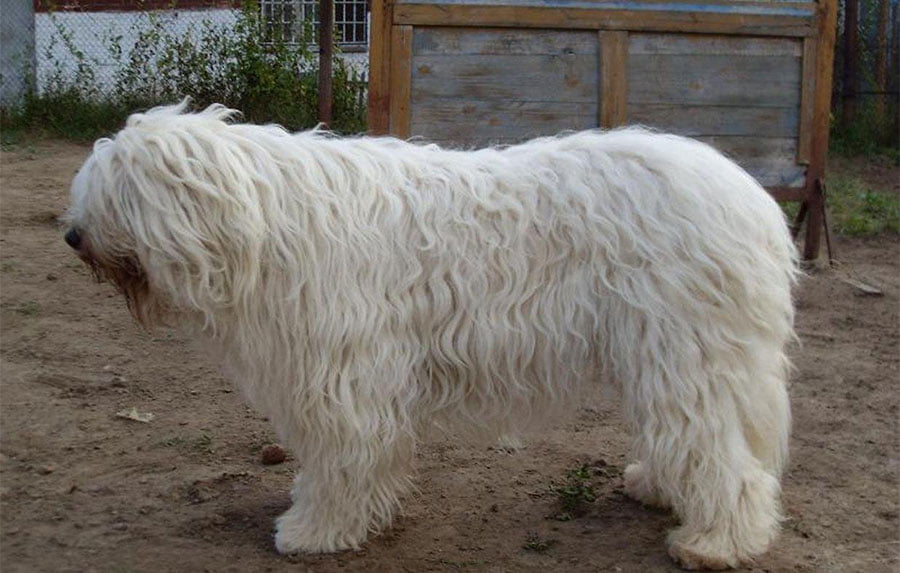
- Breed category: Livestock guardian (sheepdog type)
- Also known as: South Russian Shepherd Dog (Yuzhnorusskaya Ovcharka)
- Country of origin: Russia (breed standard country of origin)
- Size: Large, powerful, heavy coated
- Typical height: Males at least 64 cm, females at least 62 cm (withers)
- Typical weight: Commonly around 48 to 65 kg (varies by line and condition)
- Life expectancy: Often around 9 to 12 years
- Coat: Long, coarse, thick, with undercoat
- Common colours: White, grey, pale fawn tones, and combinations
- Grooming: High, ongoing coat maintenance
- Exercise needs: Moderate to high, with strong need for mental work
- Temperament: Protective, independent, watchful, reserved with strangers
- Best suited to: Experienced handlers, space, secure fencing, clear routines
People usually start looking up the South Russian Ovcharka after noticing a photo that looks almost unreal: a tall, shaggy white dog with the build of a working guardian. Sometimes it comes up because someone is considering a serious property guardian, or they have met one and found it unexpectedly self directed.
It is tempting to treat this breed like a bigger, fluffier family dog that just needs longer walks and more brushing. In practice, what makes the South Russian Ovcharka distinctive is not only size or coat, but the way it reads situations and makes decisions. That can be impressive in the right hands, and stressful in the wrong setup.
Understanding where this dog comes from, and what it was shaped to do, helps you predict what daily life will feel like. It also helps you decide, calmly and honestly, whether this is a breed to admire from afar or to live with.
Where the breed comes from, and why it still matters
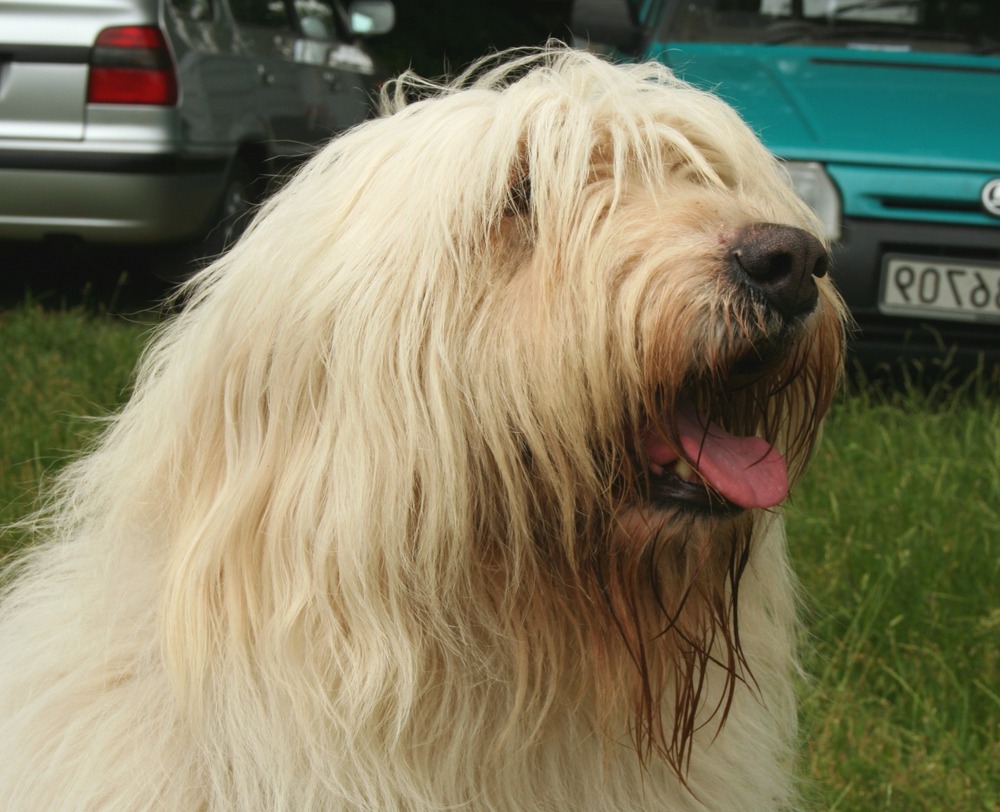
The South Russian Ovcharka, also known in some registries as the South Russian Shepherd Dog, is recognised by the FCI as a sheepdog type breed (in the sense of traditional pastoral dogs), with roots in the wide steppe regions where flocks needed protection over long distances and in tough weather.1
Most descriptions of the breed’s development point to a mix of local steppe dogs and longer coated European shepherd dogs brought with sheep in the late 1700s, then refined through purposeful selection for guarding work.2 When you live with the breed now, you often see echoes of that history in two practical ways: independence under pressure, and a strong tendency to notice and respond to change in the environment.
That background is not a romantic detail. It affects how the dog uses space, how quickly it decides something is “out of place”, and how much it values having a territory to manage.
Temperament in real homes
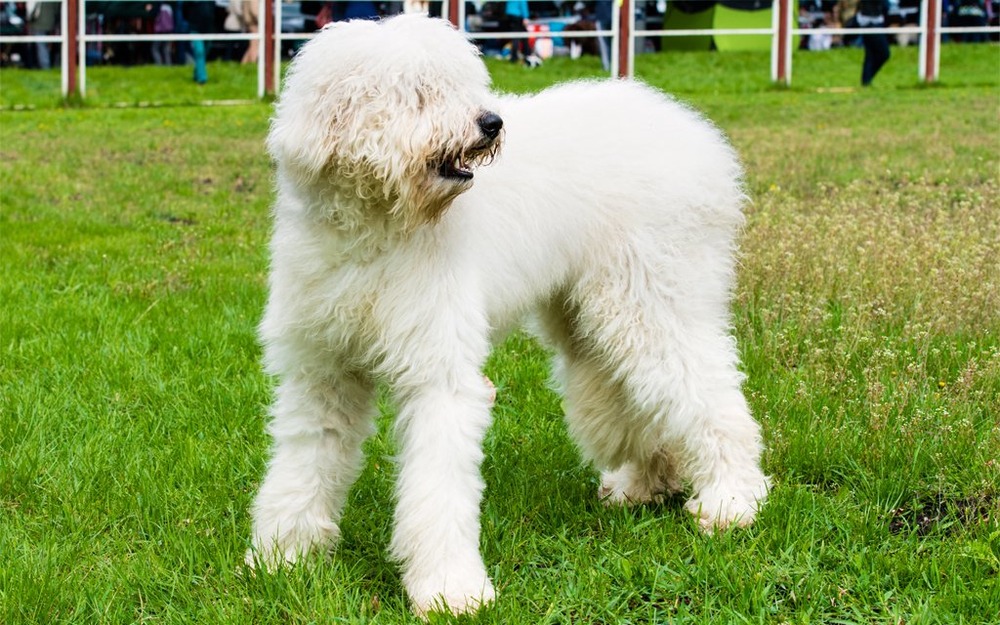
Well bred, well raised South Russian Ovcharkas are typically watchful and reserved with strangers, deeply attached to their own people, and inclined to take guarding seriously. Breed standards and working breed summaries commonly describe a dog that is confident, robust, and not naturally “everybody’s mate”.1, 3
It helps to think of this as a dog with a low appetite for social small talk. Friendly behaviour can develop with thoughtful exposure and consistent handling, but many will still prefer distance with unfamiliar visitors. That is normal for a guardian type, and it is one reason management matters as much as training.
Children, visitors, and day to day management
In families, the key question is rarely “Is this dog good with kids?” and more “Can we supervise properly, set clear routines, and keep everyone safe and comfortable?” A large, protective, independent dog can be steady with children in its household, but it is not a hands off breed, especially around visiting children, busy play, or unpredictable noise.
- Supervise interactions, particularly with toddlers and visiting kids.
- Give the dog a quiet zone where it can retreat without being followed.
- Plan how you will manage the front door and visitors, before problems start.
Other pets and animals
Some individuals can live with other pets, particularly when raised with them, but many lines are inclined toward suspicion of unfamiliar animals on their property. If you already have multiple dogs, free ranging poultry, or frequent off lead dog visitors, it is worth taking extra time to assess whether this breed is a realistic fit.
Training that suits an independent guardian
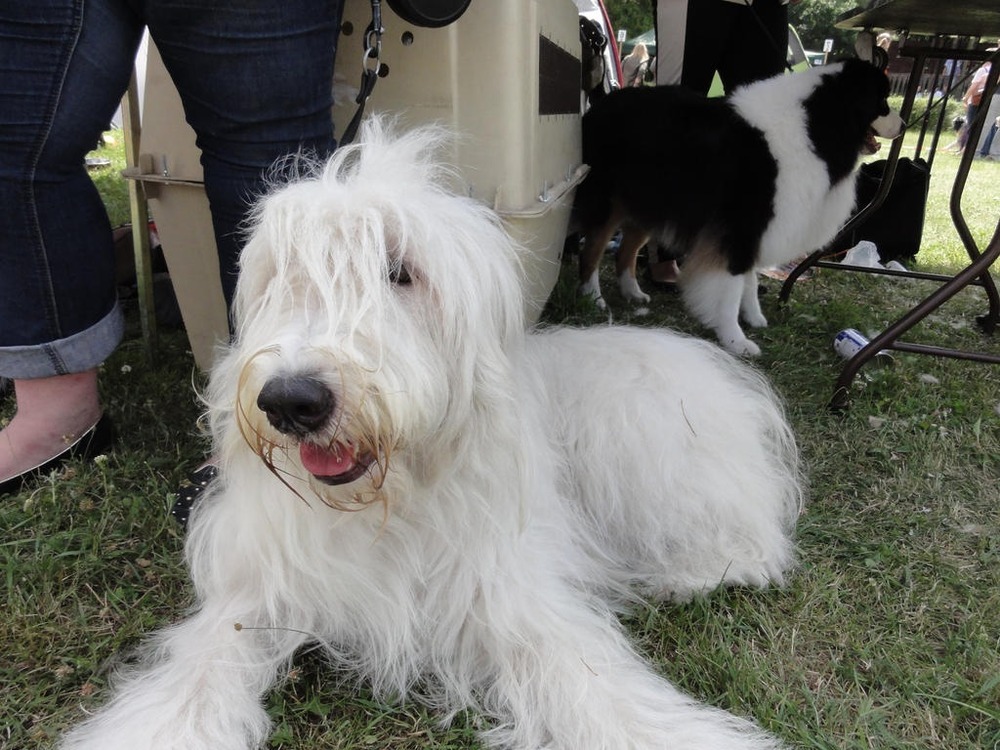
Training a South Russian Ovcharka is often less about teaching tricks and more about building reliable daily habits: calm greetings, settling on cue, walking safely on lead, and responding to management around gates and fences. These dogs tend to learn quickly, but they do not always see the point of repeating tasks that feel meaningless to them.
Early socialisation matters, but it needs to be done with care. Flooding a cautious guardian with chaotic experiences can backfire. Aim for controlled, positive exposure to people, places, surfaces, noises, and handling, paired with real rest.
For many owners, the biggest win is not a flashy recall. It is a dog that can relax when nothing is happening, and can look to the handler when something changes.
Exercise, enrichment, and the need for a job
This breed is physically capable and often high stamina, but constant high intensity exercise is not automatically the answer. Guardians typically do best with a blend of movement and thinking time: long sniffy walks, structured training, problem solving games, and purposeful routines.
- Daily walks with decompression time (sniffing and exploring).
- Short, consistent training sessions that focus on real life skills.
- Enrichment that channels watchfulness, such as “go to mat”, “check in”, and calm boundary games.
Space matters too. A secure yard is not a substitute for engagement, but many South Russian Ovcharkas struggle in apartments or high traffic suburban setups where they are expected to ignore constant movement at fences and windows.
Health considerations to discuss with your vet
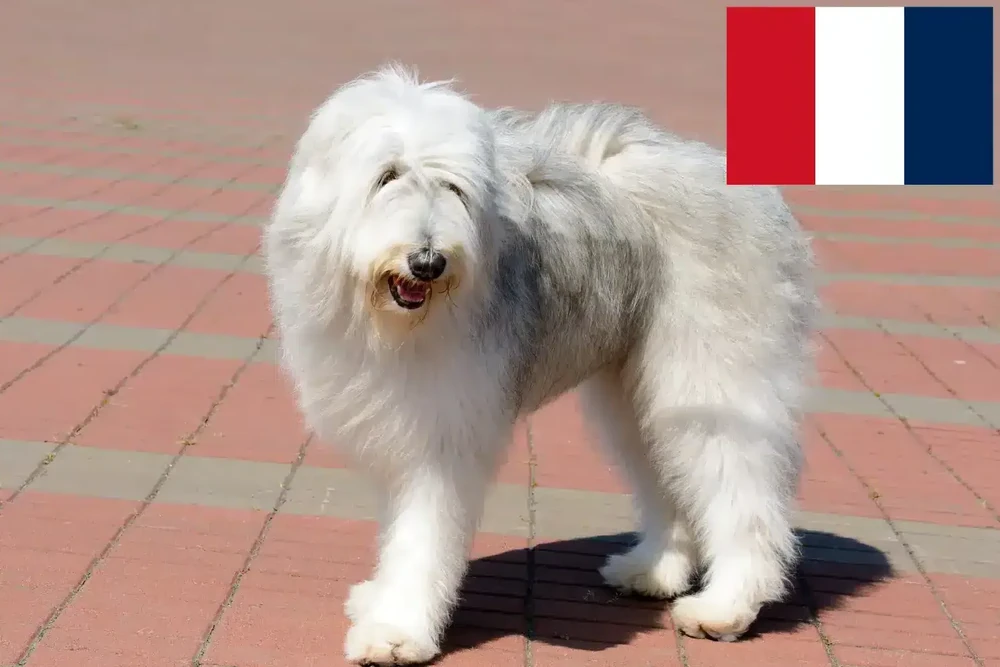
Like many large breeds, South Russian Ovcharkas may be at risk of orthopaedic issues such as hip dysplasia. Hip dysplasia is influenced by genetics and environment, and signs can vary widely from dog to dog.4 If you are buying a puppy, ask what health screening has been done in the line, and whether results are available.
Eye issues are also mentioned in breed summaries, which is another reason to prioritise reputable breeders and routine veterinary checks.3
Heat, heavy coats, and common sense
A thick coated dog can cope surprisingly well in cold weather, but heat is different. In warm climates, plan your day around keeping the dog cool and avoiding overexertion. Heat stress and heatstroke can become emergencies quickly, and risk is higher with factors such as heavy coats, large body size, and over exercise in hot conditions.5, 6
Do not rely on shade alone on very hot days. Prioritise ventilation, water access, and moving exercise to early morning or evening, and contact a vet urgently if you suspect heatstroke.6
Coat care and grooming, what it actually involves
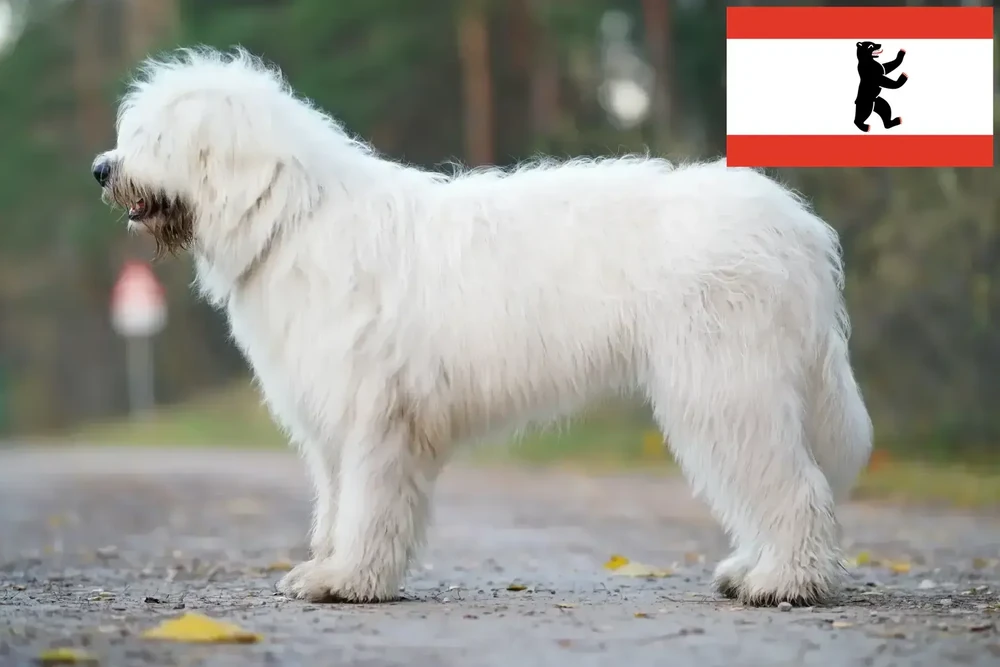
The coat is part of the breed’s working design, and it is also the part most likely to surprise new owners. Expect regular brushing to manage tangles, debris, and seasonal shed. If the coat mats down to the skin, it can trap moisture and dirt, and grooming becomes uncomfortable for the dog and time consuming for you.
A practical approach is to do small sessions often, rather than marathon grooming days. Build comfort with handling early, including paws, ears, and a brief look at the eyes and skin.
Feeding and keeping a healthy body condition
With big dogs, feeding decisions show up in joints, stamina, and long term comfort. Rather than chasing a specific “best” ingredient list, it is usually more helpful to choose a diet that is nutritionally complete for the dog’s life stage, then monitor body condition and adjust with your vet’s help.
The WSAVA Global Nutrition Guidelines and toolkit are a useful reference for how veterinary teams assess nutrition, and for how owners can think about food choice beyond marketing claims.7 For a large guardian breed, lean body condition is protective, and steady growth in puppyhood is generally preferred over rapid weight gain.4, 7
Is the South Russian Ovcharka the right fit?
In the right setting, this breed can be a steady, capable property guardian and a deeply bonded companion. In the wrong setting, the same traits can become daily friction: over vigilance at fences, frustration with repeated visitor traffic, and a dog that feels responsible for managing too much of the world.
If you are considering one, look for breeders and handlers who are honest about challenges, not just proud of toughness. Spend time with adult dogs if you can. And plan for the reality of living with a large guardian: secure fencing, thoughtful visitor management, and ongoing training that is more about life skills than obedience for obedience’s sake.
References
- Federation Cynologique Internationale (FCI): South Russian Shepherd Dog (Yuzhnorusskaya Ovcharka) breed page
- Wikipedia: South Russian Ovcharka (overview and history summary)
- DogZone: South Russian Ovcharka breed information (appearance and general notes)
- Orthopedic Foundation for Animals (OFA): Hip dysplasia overview
- RSPCA NSW: Heat stress in pets
- RSPCA Australia: Protect pets from heatstroke (signs and prevention)
- WSAVA: Global Nutrition Guidelines and Toolkit
- United Kennel Club (UKC): Breed Standards index (includes South Russian Shepherd Dog)