


You usually notice spaniels in ordinary moments, not in a history book. It might be the dog at the park who seems to have a sixth sense for where the fun is happening, or the family pet who follows you from room to room and still has the energy for one more game.
People often talk about spaniels as if they are all the same, a friendly face, a wagging tail, floppy ears. In practice, “spaniel” covers a wide spread of breeds and sizes, from compact companion dogs to athletic gundogs built for long days outdoors. What they tend to share is a strong interest in people and the environment, which can be wonderful when it is supported well, and a bit chaotic when it is not.
If you are considering a spaniel, or trying to understand the one you already live with, it helps to look at where these dogs came from and what their bodies and brains are set up to do. That context makes everyday decisions, like exercise, grooming, and training, feel less like guesswork and more like good care.
Where spaniels came from, and what they were built to do
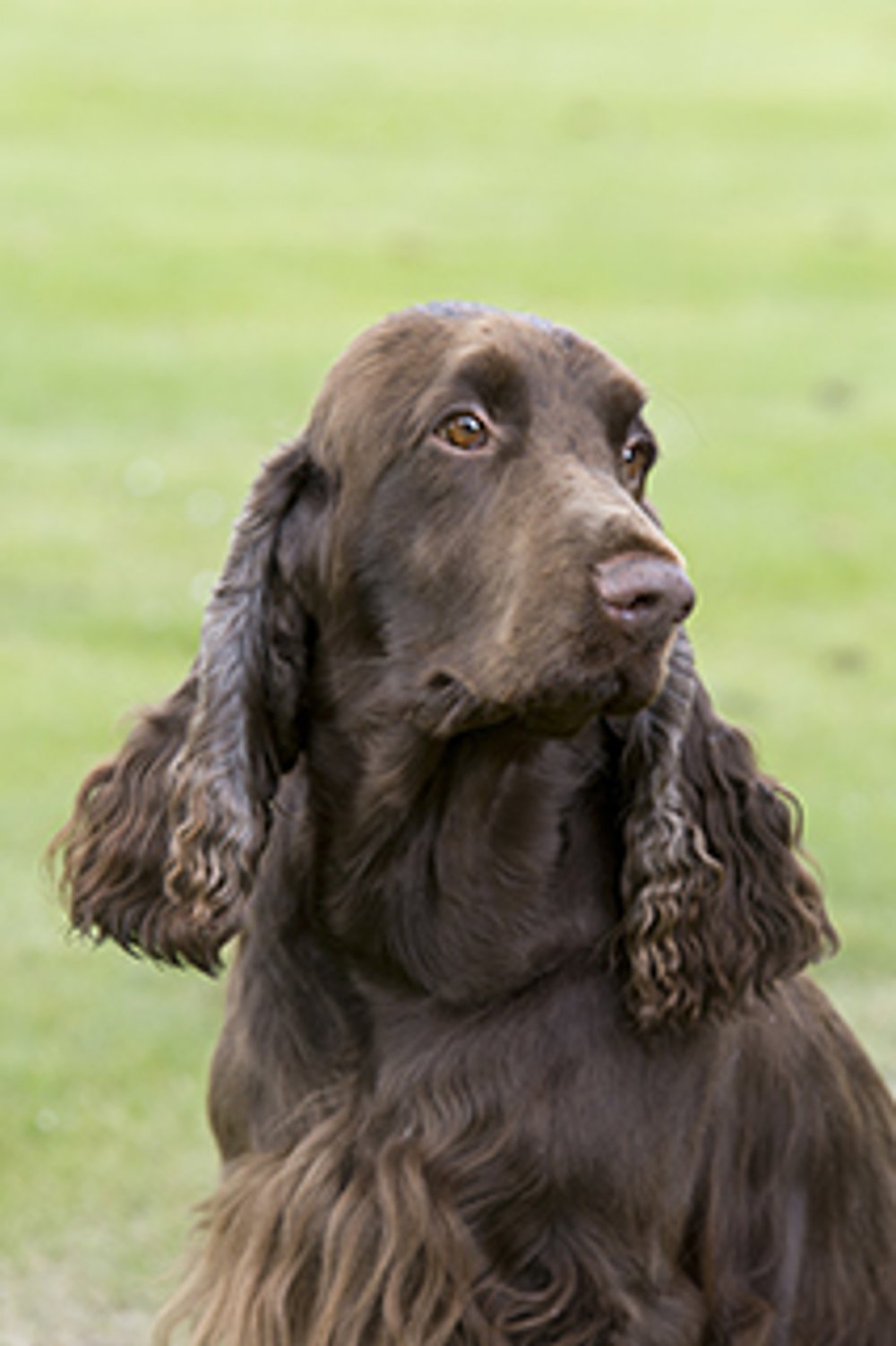
The word “spaniel” has been used for centuries, and the story is not as neat as “they all came from Spain”. Spaniel-type dogs appear across Europe in early records and art, and over time they were developed into different types to suit local hunting styles and terrain.1
Many of the better-known sporting spaniels were shaped for a practical job: working close to the hunter, flushing birds from cover, and in some lines retrieving. That heritage still shows up today in the way many spaniels move through the world: noses down, scanning the edges, ready to surge forward if something interesting rustles.2
It is also worth separating “spaniel types” from specific toy breeds that carry the spaniel name. The Cavalier King Charles Spaniel, for example, was developed from English toy spaniels and was recognised as a distinct breed in the mid 20th century. Its history is tied to fashion and companionship as much as field work.3
Common physical traits you will notice

Spaniels are often described as “medium-sized”, but the range is wider than many people expect. A Cavalier is light and compact, while a Springer or a Brittany is an athletic, leggy dog with stamina. When you are choosing a dog, it is the individual breed standard and the dog in front of you that matters, not the umbrella label.
There are a few family resemblances. Many spaniels have long, feathered ears, a soft expression, and a coat that can be silky, wavy, or lightly curled. Those coats are beautiful, but they are also functional, designed to protect the dog while pushing through scrub. In a suburban life, that same coat is more likely to collect burrs, grass seeds, and tangles.
Those ears deserve special attention. Floppy ears reduce airflow and can trap moisture, which can make ear problems more likely in some dogs, particularly if they swim often or have a history of recurrent otitis.4, 5
Temperament, and what people often misunderstand
Spaniels are widely loved because they tend to be people-focused and responsive. Many enjoy training because it is structured attention, and many thrive when they are included in daily routines, not just “owned”. That said, friendliness does not automatically mean ease.
A common mismatch is assuming a spaniel will be fine with a quick stroll around the block. Plenty will cope, but many do better with a mix of movement and mental work. When that need is not met, you can see the same pattern repeated across households: busy behaviour at home, scavenging, barking at passing movement, or inventing their own games with socks and tea towels.
With children and other animals, most spaniels do well when they are taught how to live together. Supervision, calm introductions, and giving the dog a quiet place to retreat to matters more than any general statement about a breed’s “niceness”. Socialisation is not just meeting lots of people, it is learning that new situations are safe and manageable.
Training and exercise that suits spaniels

The best spaniel training often looks simple from the outside. It is consistent, reward-based, and woven into real life. Because many spaniels are observant and quick to learn, they can also become quick to rehearse habits you did not mean to teach, like rushing the door or grabbing the lead and turning it into a tug toy.
If you are building good manners, focus on the skills that make everyday life easier: settling on a mat, coming when called, walking on a loose lead, and being able to disengage from smells and movement. A spaniel that can switch off is not less “spaniel”, it is a dog with a useful life skill.
Exercise needs vary by breed and age, but many spaniels benefit from variety rather than sheer distance. Consider:
- Scent games (scatter feeding in grass, simple “find it” games)
- Retrieving games with rules (short throws, pauses, and releases)
- Swimming where safe and appropriate, followed by thorough ear drying
- Short training sessions that practise impulse control
Health patterns to watch, and when to get help
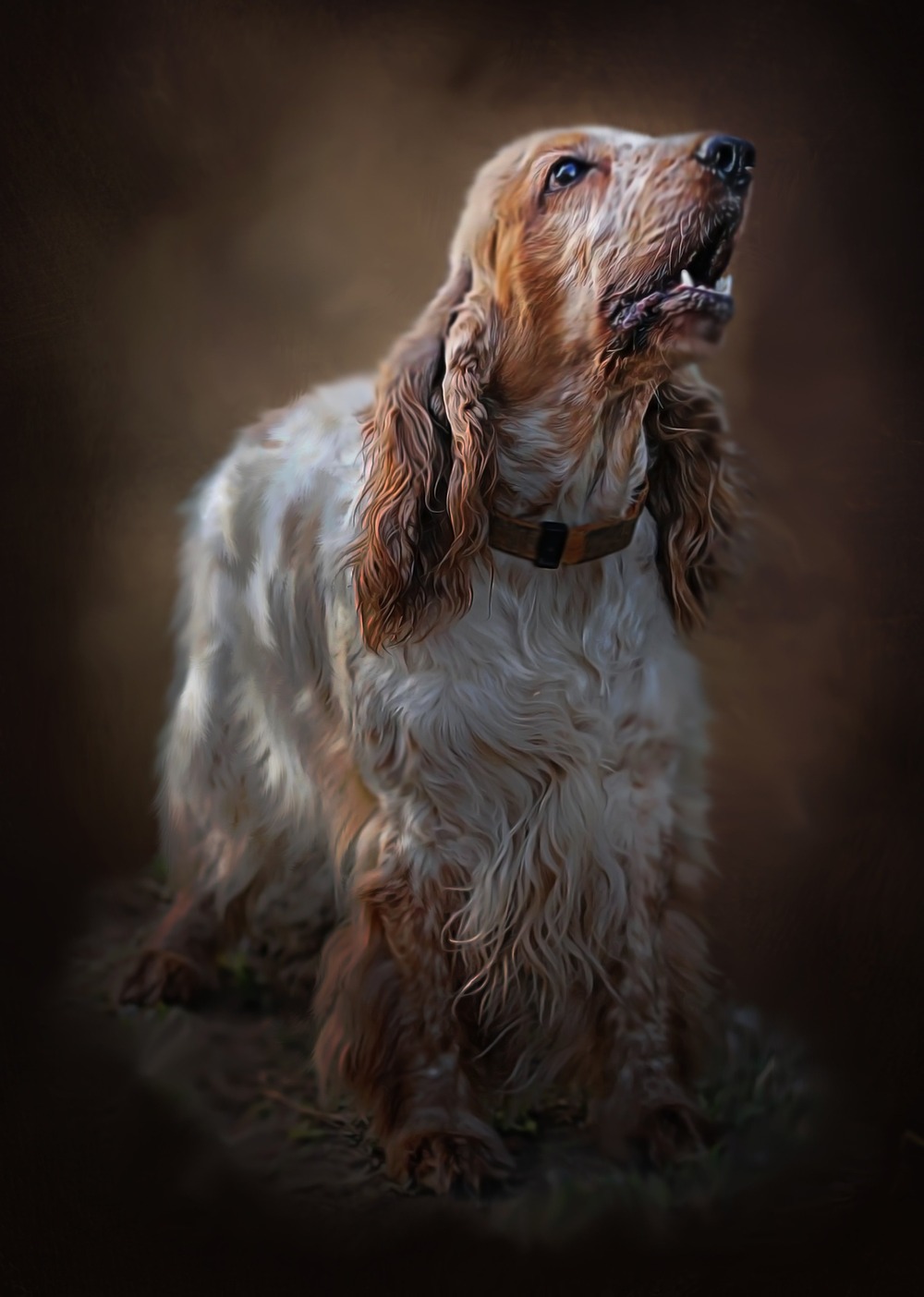
All breeds have patterns, but individuals vary. For many spaniels, ear disease is one of the most common practical issues owners deal with, especially in dogs with heavy ears, hair around the ear opening, frequent swimming, allergies, or recurrent skin problems.5
It helps to know what “early” looks like. If you notice head shaking, ear scratching, rubbing an ear on the floor, a new smell, redness, discharge, or your dog resists having an ear touched, it is worth booking a vet visit rather than waiting it out. Ear infections can move deeper, and middle ear involvement can be more serious.4
Weight is another quiet factor that affects comfort over the long term. Many spaniels love food and learn quickly which human habits lead to extra snacks. Keeping your dog in a healthy body condition supports joints, heart health, and day-to-day mobility.6
Grooming and day-to-day maintenance
Spaniel grooming is rarely about perfection. It is about preventing discomfort, skin irritation, and those tight little mats that can pull at the skin. A few minutes several times a week is often more effective than a long grooming battle once a month.
Pay attention to the friction zones: behind the ears, under the collar, armpits, belly feathering, and between the toes. If your dog swims, dries slowly, or has ear trouble, ask your vet to show you a sensible ear-cleaning routine. Over-cleaning and inappropriate products can irritate the ear canal, so the goal is targeted care, not constant fussing.5
Feeding spaniels well, without getting lost in nutrition noise

Most spaniels do best on a complete and balanced diet that suits their life stage, health needs, and activity level. If you are unsure, your veterinary team can help you assess body condition, calorie intake, and whether treats have quietly become a second diet. The World Small Animal Veterinary Association provides practical guidance on nutritional assessment and choosing diets sensibly.7
Human foods are where many households get caught out, especially when kids are involved. Some foods are genuinely dangerous to dogs, including chocolate, grapes and raisins, onions and garlic, and xylitol (found in some sugar-free products and some peanut butters).8
If you like sharing treats, think small and boring: a piece of carrot, a bit of their usual kibble, or a vet-approved training treat. The behaviour benefit comes from the delivery, not the size of the snack.
Final thoughts on living with a spaniel
A spaniel can be an easy dog to love. They often bring warmth to a home, and many are at their best when they have a job, even if that “job” is learning to settle while you make dinner, then joining you for a walk with plenty of sniffing.
The trick is not chasing an idealised picture of a happy spaniel. It is noticing what your dog actually needs, then shaping the environment so those needs are met in a way that works for your household. When you do that, the classic spaniel qualities, the closeness, the enthusiasm, the bright attention, tend to land as companionship you can live with, not just admire.
References
- Encyclopaedia Britannica, Spaniel
- The Kennel Club, Gundog group overview (including spaniels)
- Encyclopaedia Britannica, Cavalier King Charles Spaniel
- Merck Veterinary Manual, Otitis media and interna in dogs
- Merck Veterinary Manual, Otitis externa in animals
- RSPCA Knowledgebase, How do I tell if my dog is overweight?
- WSAVA, Global Nutrition Guidelines
- RSPCA Pet Insurance, Foods to avoid and safe diet guidance for dogs