

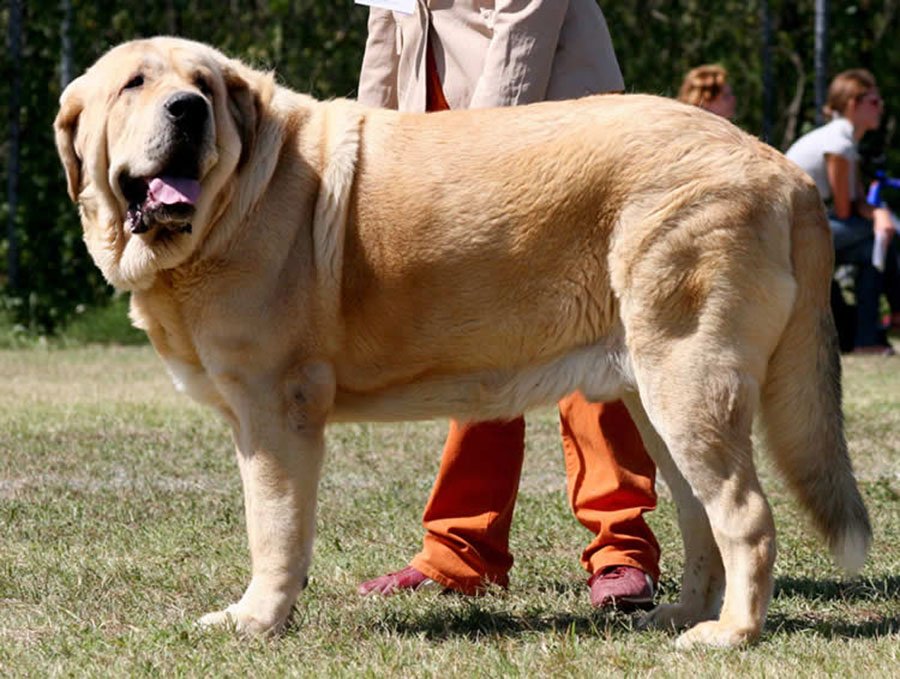
You might come across a Spanish Mastiff because you have met one in the park, seen a photo online, or heard someone describe a dog that looks like a bear but behaves with surprising restraint. At first glance, it is easy to assume they are simply “big and placid”, the canine equivalent of a slow-moving armchair.
In practice, living with a Spanish Mastiff is less about the novelty of size and more about understanding what a livestock guardian brings into a modern home. They tend to notice things, hold their ground, and make their own assessments. That can feel reassuring in the right setting, and challenging in the wrong one.
When people get stuck with this breed, it is rarely on the basics. It is usually on the daily realities: space, heat, drool, visitors, fences, slow-maturing bodies, and the health risks that come with giant dogs. Getting those pieces right matters more than any “breed description”.
Spanish Mastiff at a glance
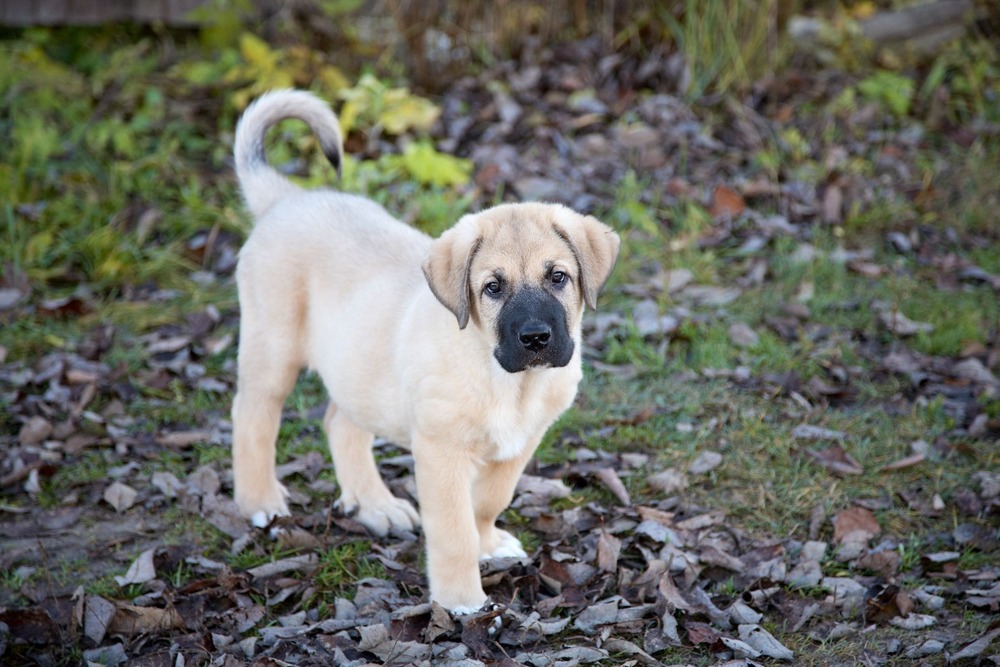
- Breed type: Giant livestock guardian (mastiff type)
- Origin: Spain
- Typical height: About 72 cm and up for females, 77 cm and up for males (standards often favour larger)
- Life expectancy: Commonly around 9 to 11 years, sometimes longer with good care
- Coat: Dense, medium length, designed for weather protection
- Temperament: Generally steady, watchful, independent, family-bonded
- Notable realities: Heat sensitivity, drool, and the management needs of a very large dog
Origins and what the breed was made for
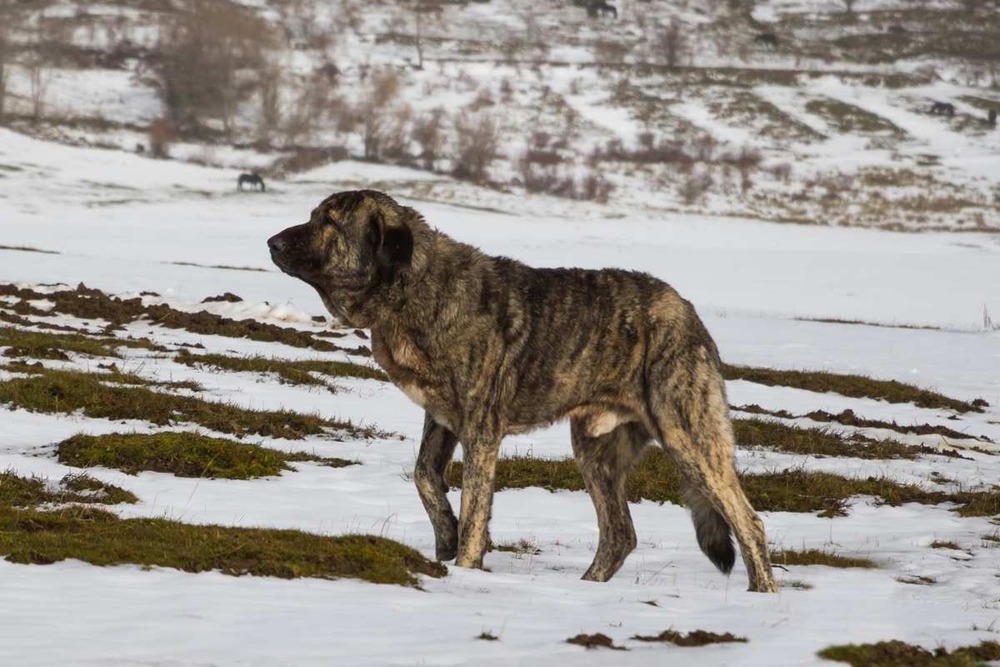
The Spanish Mastiff (Mastín Español) developed alongside pastoral life in Spain, where large guardian dogs were expected to stay with stock and discourage predators. This history matters because it shaped the breed’s default approach to the world: observe first, act if needed, conserve energy, and make decisions without constant direction.
They are recognised internationally. The FCI lists the Spanish Mastiff as definitively recognised, with the breed accepted on a definitive basis on 13 November 1954, and the official valid standard published on 26 May 1982 (with later publications in other languages).1
In a pet home, you may still see echoes of the working role. Many Spanish Mastiffs will position themselves where they can monitor gates, driveways, and movement around the house. This is not something you “train out” so much as something you guide into safe, manageable patterns.
Size, coat, and those unmistakable mastiff features
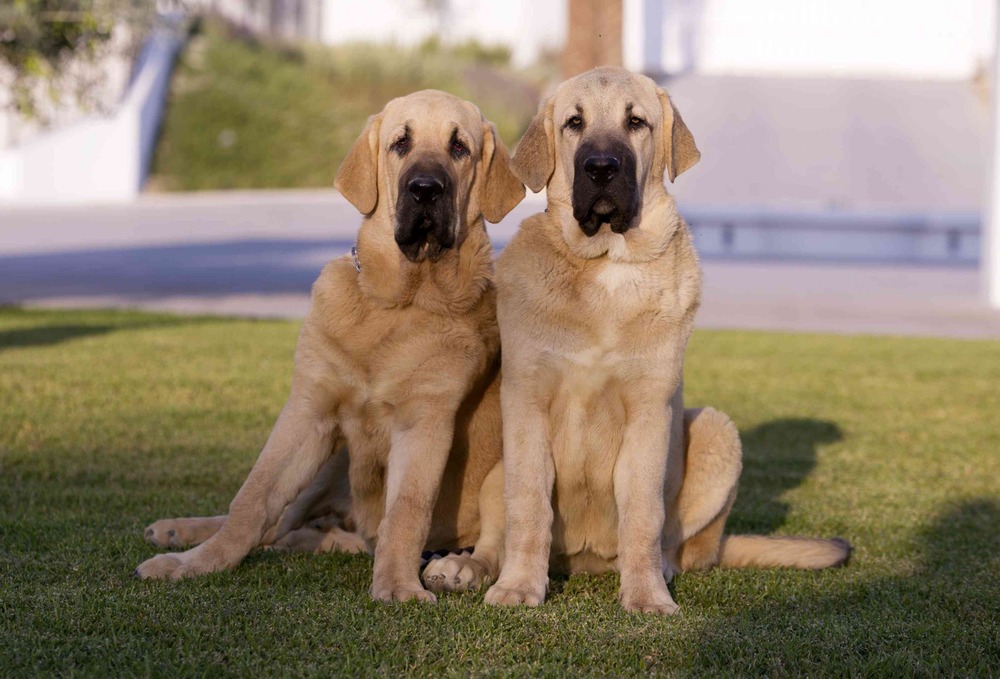
The Spanish Mastiff is a giant breed with substantial bone, a broad head, pendant ears, and loose skin. Many individuals drool heavily, especially around food, after drinking, or in warm weather. Drool management is not just cosmetic, it affects flooring, furniture, and skin folds.
Breed standards commonly describe minimum heights rather than neat averages, and they often favour larger dogs when structure and movement remain sound. The UKC, for example, notes males should be over 31.5 inches (about 80 cm) and females over 29.5 inches (about 75 cm).2
The coat is typically dense and protective, often in fawn, red, black, wolf or deer shades, and may include brindle or parti-colours depending on the standard. It is built for outdoor life, which means it can hold heat and shed noticeably in seasonal changes. Regular brushing helps, but it does not make the coat “low maintenance”.
Temperament, family life, and visitors
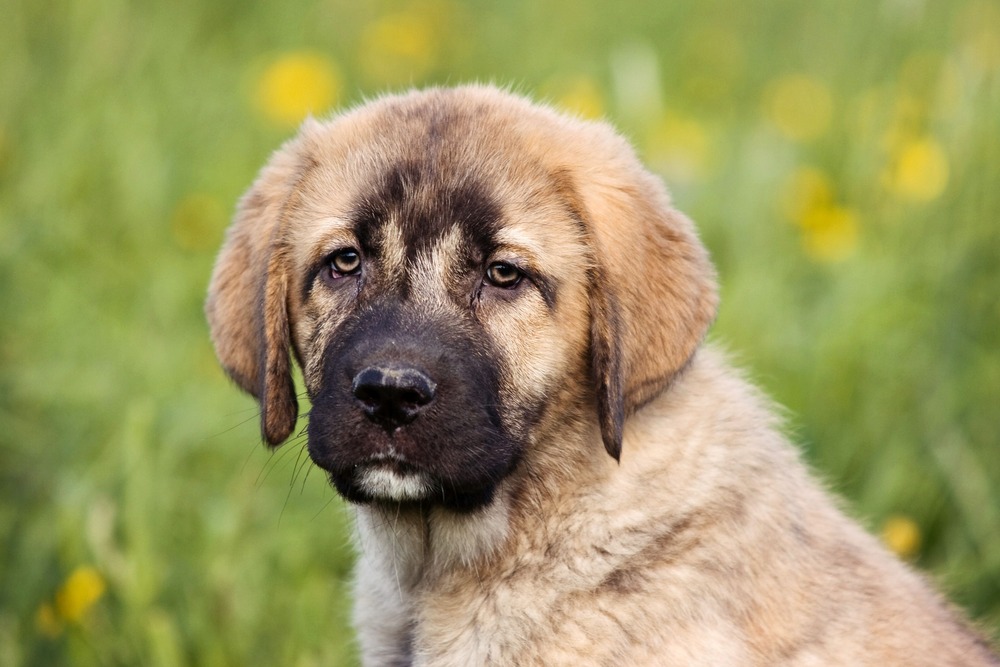
Well-bred Spanish Mastiffs are often steady and tolerant with their own people. Many are calm indoors once mature, but calm does not mean passive. A guardian breed can be quiet right up until it decides something is worth responding to, which is why good fences and clear routines matter.
With children, the biggest risk is often not malice, but size and momentum. A friendly lean, a clumsy turn, or a dog stepping backwards without looking can topple a small child. Supervision is sensible, and it helps to teach children the practical rules: do not climb, do not hug tightly, and give the dog space when it is eating or resting.
With other animals, early introductions and careful management usually go further than assuming the dog will “sort it out”. Livestock guardian breeds can live alongside other pets, but they tend to do best when expectations are clear and the environment is controlled, especially in adolescence.
Training and exercise that suits a livestock guardian
Spanish Mastiffs are intelligent, but they are not typically motivated by constant repetition. Training works best when it is calm, consistent, and tied to real life: settling on a mat when guests arrive, walking politely on lead, and coming away from gates and fences when asked.
Focus on foundational handling skills early. For giant breeds, this is not optional. You want a dog that accepts grooming, nail trims, ear checks, and veterinary exams without a wrestling match. Reward-based training and steady exposure to normal household life are usually more effective than trying to “dominate” an independent dog.
Exercise needs are often moderate, but that does not mean no exercise. Aim for daily walks and gentle strength-building movement. Avoid heavy impact, long stairs, and forced running, especially during growth phases. If you are unsure what is appropriate for your dog’s age and size, your vet can help you tailor a plan.
Health risks to take seriously in giant breeds
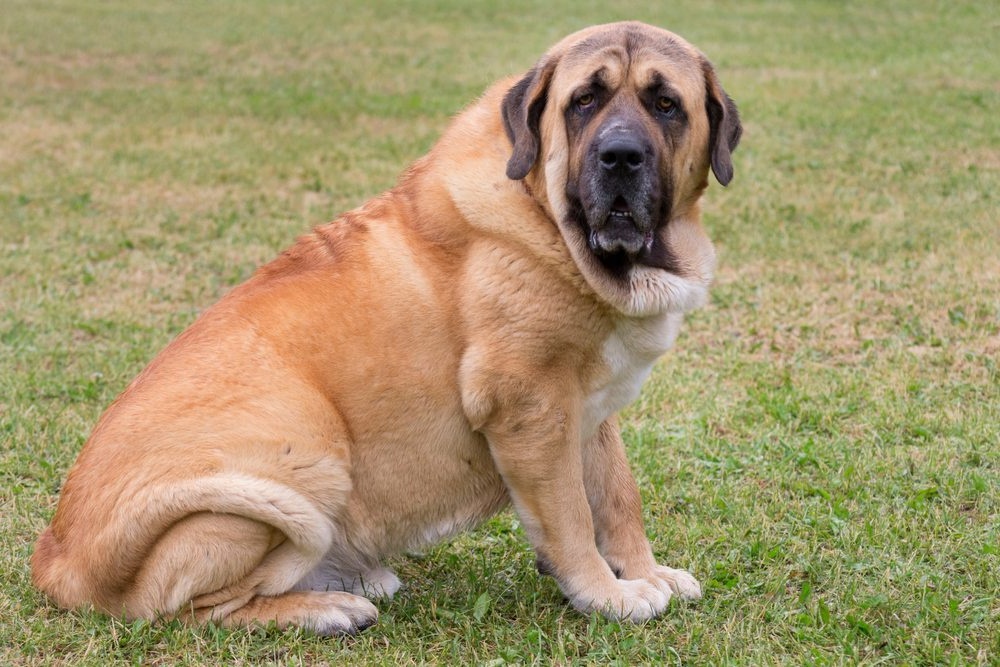
Giant breeds come with predictable vulnerabilities. Two that are commonly discussed for deep-chested, large dogs are hip dysplasia and gastric dilatation-volvulus (GDV), often called bloat. Hip dysplasia risk is influenced by both genetics and environment, and screening relies on X-rays assessed under established schemes.5
GDV is a true emergency that can deteriorate rapidly. Risk factors include being large and deep-chested, eating quickly, eating one large meal a day, exercising soon after meals, and having close relatives with GDV.3, 4, 6
Practical steps that may reduce risk include:
- Feeding two to three smaller meals rather than one large meal.3, 7
- Slowing fast eating with puzzle feeders or other strategies recommended by your vet.7
- Avoiding vigorous activity right after meals (many guidelines suggest allowing a decent rest period).3, 4
- Discussing gastropexy if your dog is at higher risk, especially if there is family history (your vet or a specialist can advise).6
If you ever see repeated unproductive retching, a suddenly swollen abdomen, restlessness that escalates, collapse, or pale gums, treat it as urgent and contact an emergency vet immediately. Outcomes depend heavily on speed of treatment.
Grooming, drool, and day-to-day care
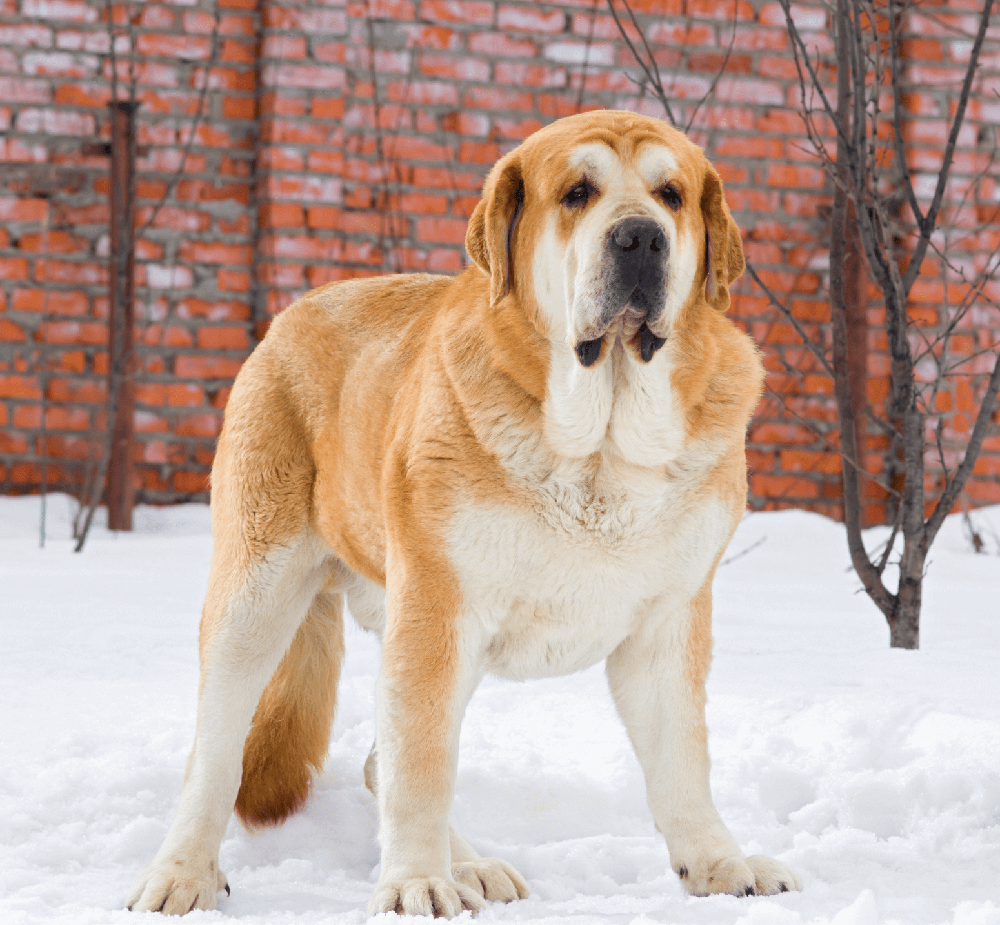
The coat generally needs regular brushing to remove dead hair, prevent tangles around friction points, and keep skin healthy. Many owners find weekly brushing is a workable baseline, with more during heavier shedding. Bathing can be occasional, but skin folds and the area around the mouth may need more frequent wiping if drool builds up.
Drool is often part of the package, and it helps to plan for it rather than fight it. Keep cloths near water bowls, clean and dry skin folds as needed, and watch for irritation. If you notice persistent redness, odour, or sores in folds, check in with your vet.
Because they are heavy dogs, nails, paw pads, and mobility deserve attention. Keeping nails at a sensible length helps posture and comfort. If your dog dislikes handling, work on it patiently and early, and consider cooperative-care approaches with a qualified trainer.
Is a Spanish Mastiff the right fit?
A Spanish Mastiff can be a wonderful companion for the right household, particularly one that values a calm presence and can accommodate a very large dog safely. Space matters, but so does the rhythm of the home. Lots of visitors, frequent tradespeople, shared driveways, or thin fencing can create constant “guardian decisions” for a dog that was bred to take that job seriously.
They are often best suited to people who can offer room to move, sensible boundaries, and a lifestyle that does not rely on the dog being universally social. If you want a dog that greets every stranger as a friend, this may not be your breed. If you appreciate a watchful dog and you are prepared to train and manage thoughtfully, the Spanish Mastiff’s steadiness can make a great deal of sense.
References
- Fédération Cynologique Internationale (FCI): Spanish Mastiff (No. 91) breed information and recognition dates
- United Kennel Club (UKC): Spanish Mastiff breed standard (height guidance and standard details)
- Cornell University College of Veterinary Medicine: Gastric dilatation volvulus (GDV) risk factors
- American Animal Hospital Association (AAHA): Understanding canine bloat (GDV) and risk factors
- The Kennel Club (UK): Hip dysplasia in dogs, screening and management
- American College of Veterinary Surgeons (ACVS): Gastropexy and GDV context
- Purina Institute: Canine GDV, feeding practices and risk reduction considerations
- Wisdom Panel: Mastín Español breed overview (size range and lifespan estimates)