

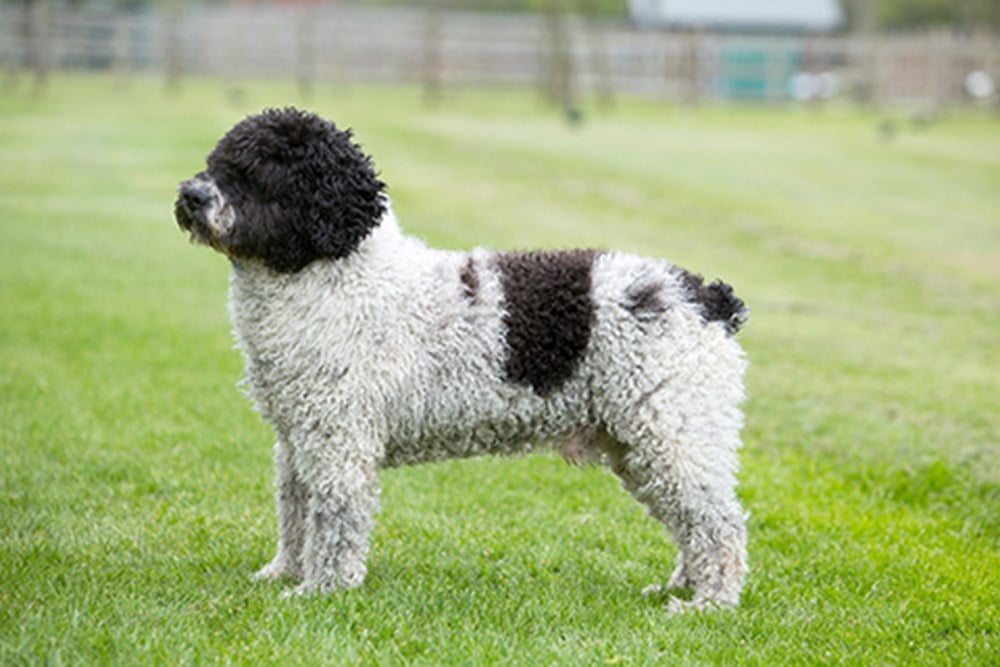
People often find the Spanish Water Dog after noticing a dog that looks a bit like a poodle at first glance, then behaves nothing like one. It might be the springy curls, the corded coat, or that steady, watchful way the dog moves through a busy place. Then you hear they are “low shedding” and “easy to groom”, and the curiosity turns into practical questions.
In real life, this breed can be wonderfully straightforward and also surprisingly specific. The coat, for instance, does not suit the usual brushing and fluffing routines many groomers are trained to do. The mind is quick and work-oriented, which is lovely when you have a plan for the day, and a bit challenging when you do not.
What makes the Spanish Water Dog worth understanding is that it is still, at heart, a versatile working dog. When its needs are met, you tend to see a calm, capable companion. When they are not, the same qualities that make the breed special can show up as restlessness, pushy behaviour, or an over-interest in controlling movement around the home.
At a glance: Spanish Water Dog essentials
Breed type: versatile working dog, historically used for herding and water work.1, 2
- Height: males 44 to 50 cm, females 40 to 46 cm.1, 2
- Typical weight: males 18 to 22 kg, females 14 to 18 kg (working condition varies by individual).1, 2
- Coat: single coat, always curly and woolly, may form cords when long.2, 4
- Shedding: generally low shedding, but not truly “non-allergenic”.3
- Life expectancy: often 12 to 14 years.6
History and origin
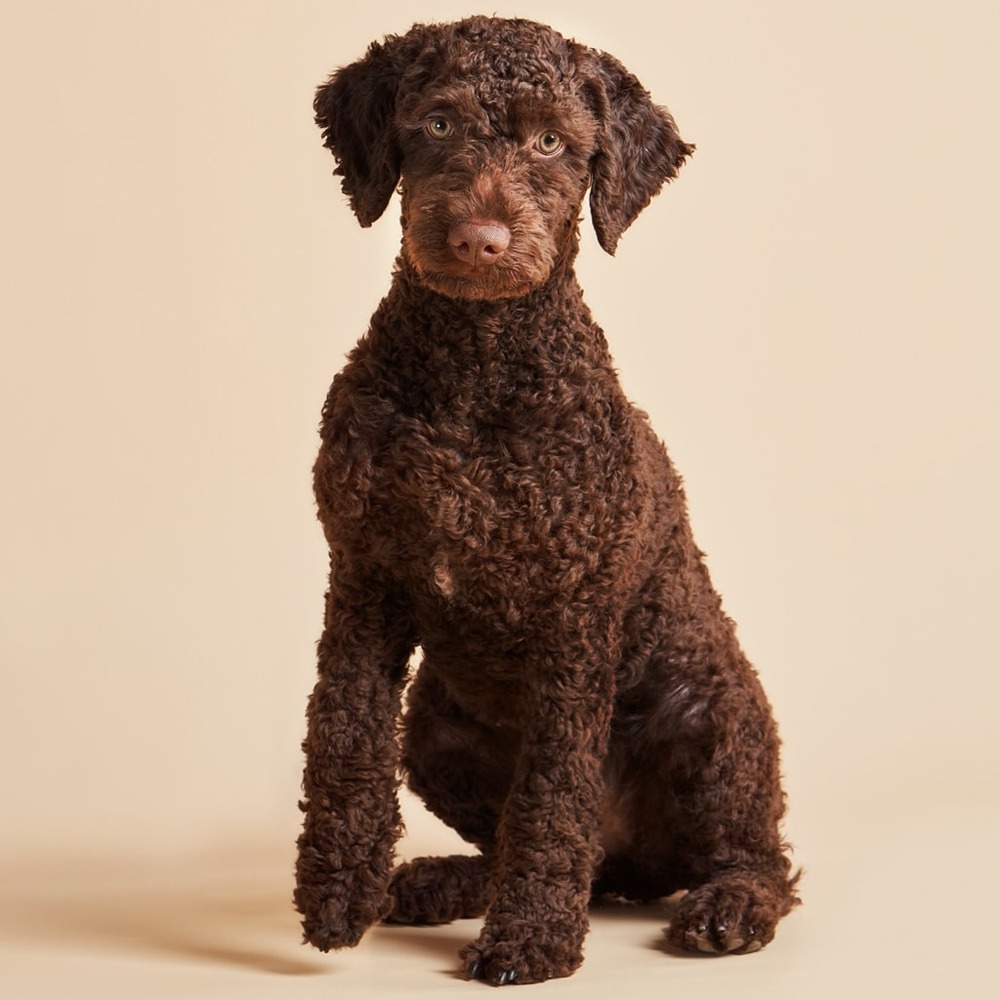
The Spanish Water Dog (Perro de Agua Español) developed as a practical all-rounder, valued for work that shifted with the season and the region. Breed standards still reflect this background: a dog expected to learn quickly, adapt, and keep moving.2, 3
Depending on the area, the same type of dog might be used to shift stock, retrieve from water, or assist around fishing and farm life. That mix of roles helps explain why many Spanish Water Dogs still show both a strong interest in movement and a genuine enthusiasm for training and problem-solving.2, 3
Physical characteristics: what you will notice first
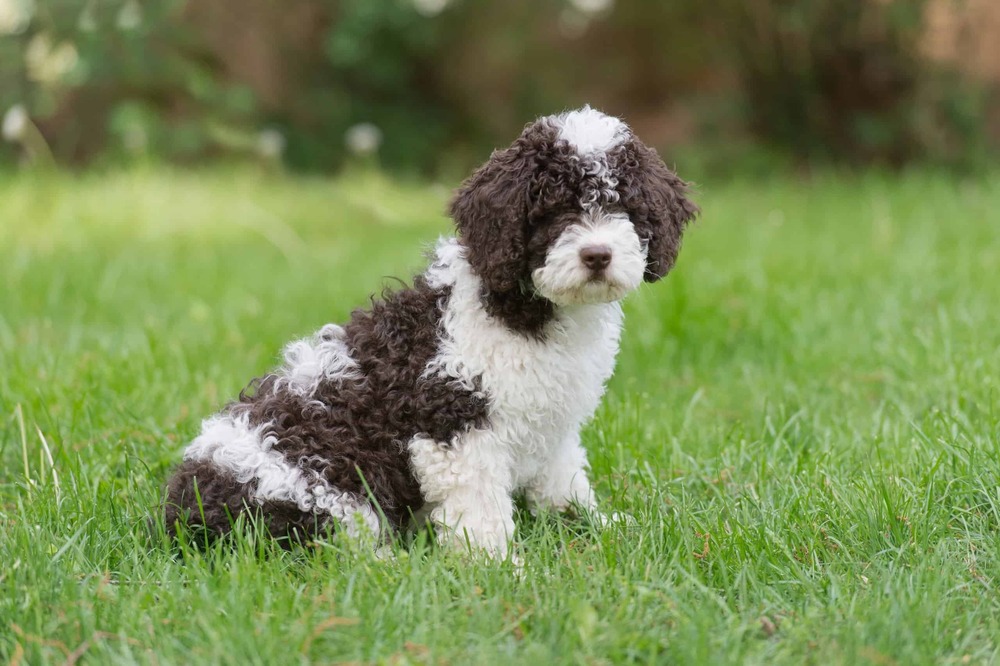
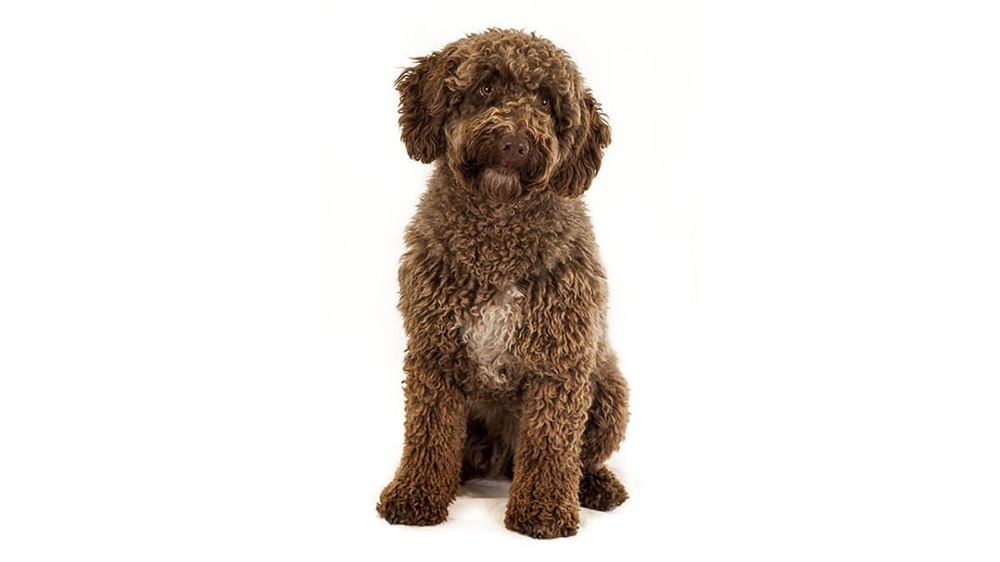
The breed is medium-sized, athletic, and built to work rather than to look decorative. The most distinctive feature is the woolly, curly coat, which can be kept in natural curls or allowed to form rustic cords as it grows.2, 4
Colour is typically solid black, brown, or white, and may also be black and white or brown and white. Tricolour patterns are not considered acceptable in major breed standards.1, 2
It is also worth knowing that different kennel organisations group the breed differently, sometimes as a gundog-type, sometimes alongside herding types, which reflects how broadly the dogs were used rather than a single neat category.1, 3
Temperament and behaviour in everyday homes
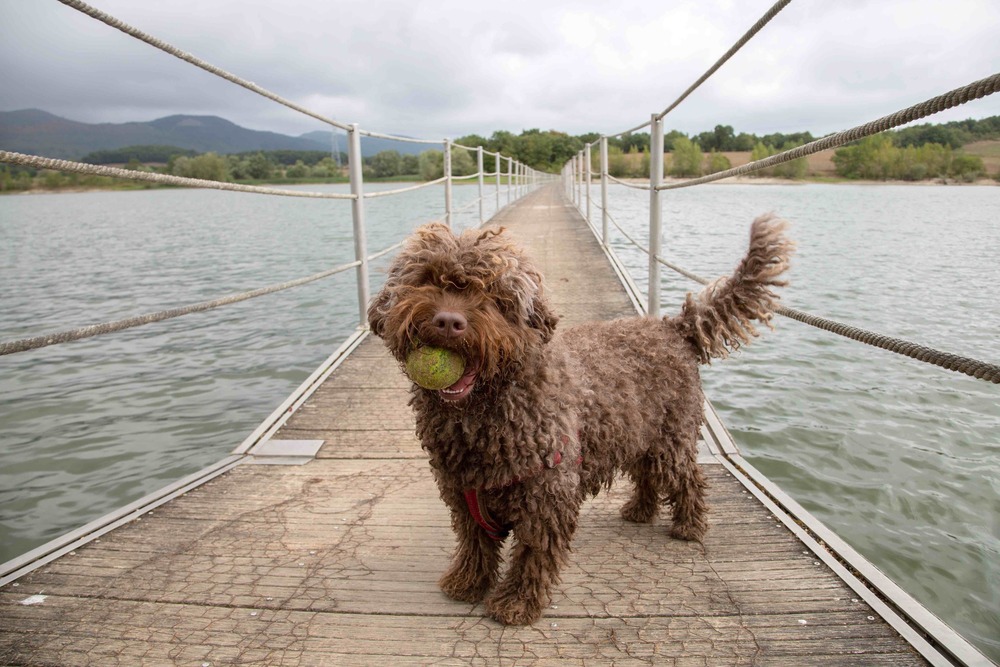
A well-raised Spanish Water Dog is often described as faithful, lively, and highly capable of learning.2 In a household, that tends to show up as a dog that notices patterns quickly: where the leads are kept, which cupboard means dinner, which family member is most likely to play fetch.
Many are naturally watchful and can be reserved until they have had time to assess a new person or place. This is not the same as “unfriendly”, but it does mean that steady socialisation matters, especially during adolescence when suspicion can easily become reactive behaviour if the dog feels rushed or overwhelmed.2
With children, the most common challenge is not “aggression” so much as enthusiasm and herding-like behaviours. Movement can be very interesting to a dog bred to manage stock, so running games may need boundaries and supervision, particularly with younger kids.3
Training and exercise: meeting the dog you actually have
The Spanish Water Dog usually responds best to reward-based training with clear criteria and short, consistent sessions. Their learning ability can be a delight, but it also means they can rehearse unwanted habits quickly if the environment is too loose or inconsistent.
Exercise is not only about kilometres. This breed typically benefits from a mix of movement and thinking time, which might include brisk walks, structured play, scent games, and training tasks that ask for self-control (for example, wait, place, recall). Many individuals also enjoy water if introduced thoughtfully and safely.
If you are deciding whether your home suits the breed, a useful rule of thumb is this: you need a plan for the dog’s body and a plan for the dog’s brain. Without that, you often see nuisance barking, pestering, or DIY entertainment that is rarely convenient.
Grooming: the coat is beautiful, but it has rules
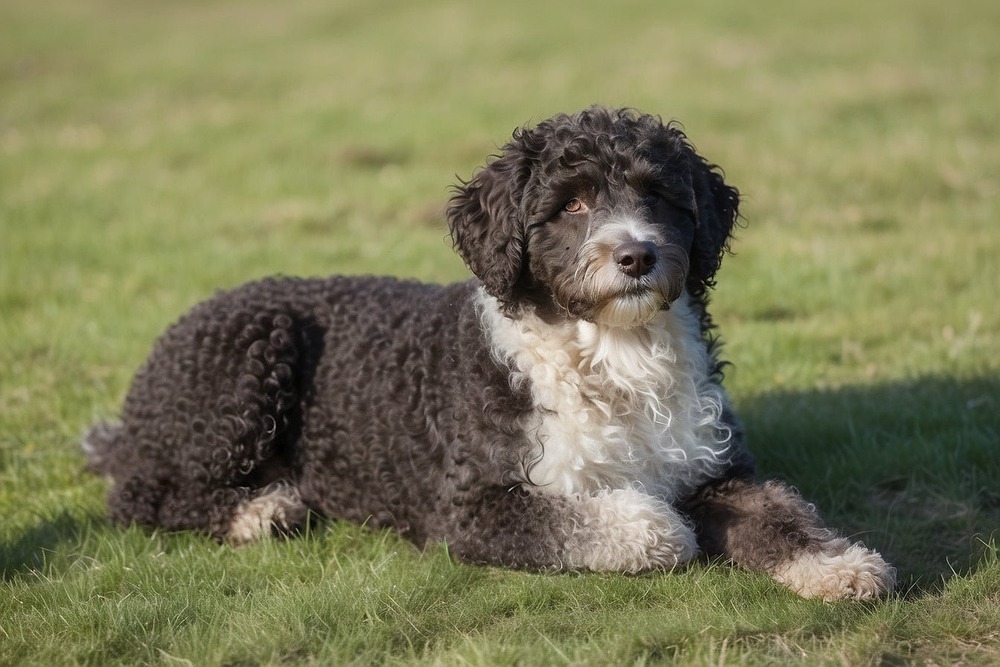
Spanish Water Dog grooming is one of those topics where common assumptions cause trouble. In major breed standards, the coat is meant to be shown in a natural state, and it should not be brushed or combed into a fluffy finish.1, 2, 4
Traditionally, many dogs are clipped off evenly, often once or more per year, and the clip is intended to be practical rather than styled. “Aesthetic grooming” is actively discouraged in breed guidance, even when dogs are kept primarily as companions.1, 4
Some day-to-day grooming priorities that matter more than a perfect silhouette include:
- Skin checks, especially under cords or dense curls.
- Keeping the coat at a manageable length for your climate and lifestyle.
- Ear care, particularly if the dog swims or has heavy coat around the ears.
If you use a professional groomer, it helps to choose someone comfortable with breed-appropriate coats, or to provide clear instructions in advance. Many grooming habits that suit poodle crosses do not suit this coat at all.
Health and lifespan: what to watch and how to plan
Spanish Water Dogs are often robust, with many living into their early teens.6 Like other medium working breeds, they can still be affected by inherited conditions, so it is sensible to choose breeders who use appropriate health screening and to keep regular veterinary checks as your dog ages.
Two issues commonly discussed across dog breeds in general are:
- Hip dysplasia, which can contribute to pain and arthritis over time, especially in active dogs.7
- Progressive retinal atrophy (PRA), a group of inherited eye diseases that can lead to vision loss, with DNA testing available for some forms depending on breed and line.8
Practical prevention is not glamorous, but it works: keep the dog lean, condition them gradually for exercise, and take early changes in gait or stamina seriously. With working-minded dogs, discomfort is sometimes masked by enthusiasm.
Diet and nutrition: keeping it simple and safe
Most Spanish Water Dogs do well on a complete, balanced diet matched to life stage and activity level. The important part is consistency and body condition, not chasing novelty. If you are unsure, your vet can help you choose a diet and an appropriate feeding amount for your individual dog.
Be particularly careful with human foods and scraps. Several common items can be dangerous for dogs, including onions and garlic, grapes and raisins, chocolate, and products containing xylitol.5
Is this breed a good fit?
The Spanish Water Dog can suit people who enjoy training, getting outdoors, and living with a dog that notices everything. They can also fit smaller homes if their daily exercise and enrichment are handled thoughtfully.
They are often not the easiest choice for households wanting a “set and forget” companion. The coat needs breed-appropriate handling, and the brain needs a job, even if that job is learning household routines and doing structured games.
If you like the idea of a dog that is clever, athletic, and distinctive, and you are willing to learn the coat and provide steady guidance, this breed can be deeply rewarding.
References
- United Kennel Club: Spanish Water Dog breed standard
- Spanish Water Dog Club of America: AKC breed standard (text)
- The Kennel Club (UK): Spanish Water Dog breed standard
- Spanish Water Dog Club of America: Grooming the Spanish Water Dog
- RSPCA Pet Insurance Australia: Foods to avoid feeding your dog
- The Spruce Pets: Spanish Water Dog breed profile
- Orthopedic Foundation for Animals: Hip dysplasia overview
- American College of Veterinary Ophthalmologists: Progressive retinal atrophy (PRA)