

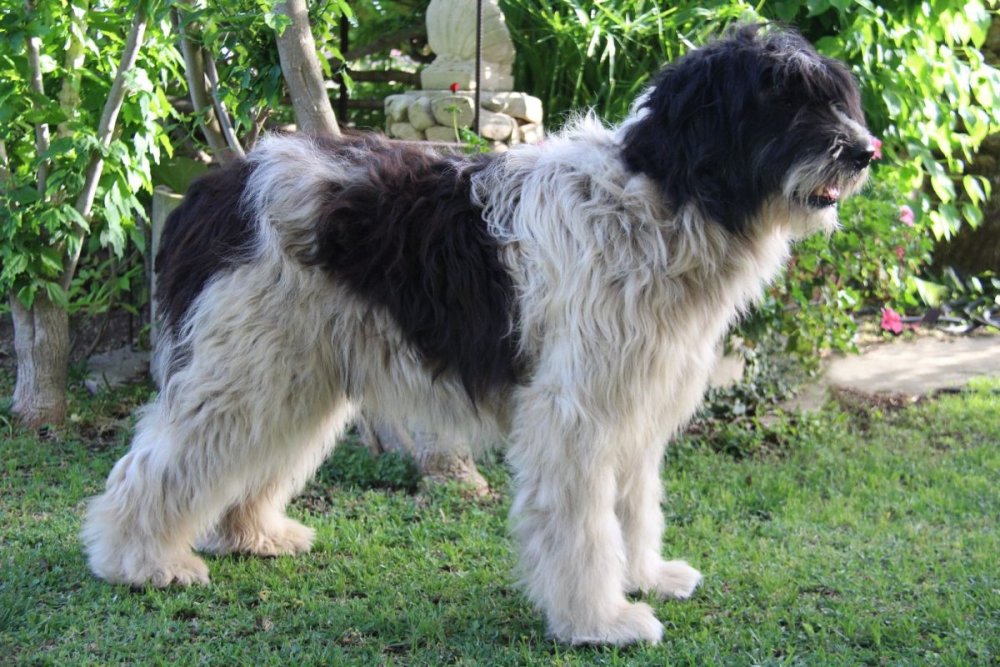
You might come across the Spino degli Iblei almost by accident, a photo shared by a breeder, a mention in a Sicilian travel story, or a conversation about rare Italian working dogs. At first glance, it is easy to assume it is simply another shaggy, rustic “farm dog” type. The more you look, the more you realise it sits in a very particular place, shaped by landscape, livestock, and a way of life that has kept going in pockets for centuries.
People also tend to lump every wiry-coated Italian dog into the “hunting dog” bucket. With the Spino degli Iblei, that shortcut can be misleading. In the sources that document the breed’s modern standard and recognition, it is described first as a livestock guardian and herding dog, selected for steady, practical protection work rather than retrieving or pointing game.1, 2
For anyone considering life with one, or simply trying to understand what they are seeing, the useful question is not “what does this dog look like?”, but what was it bred to do. That lens makes its temperament, exercise needs, and day-to-day management far easier to make sense of.
Early development and role in Sicilian life
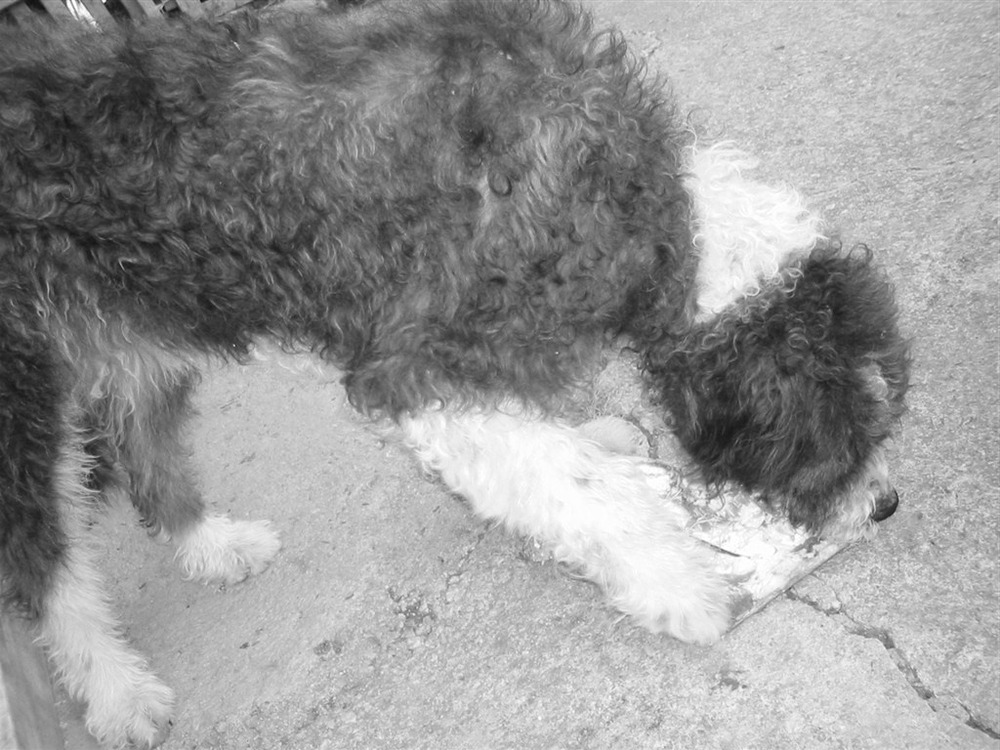
The Spino degli Iblei comes from south-eastern Sicily, associated with the Monti Iblei plateau and surrounding rural areas.1, 2 In that setting, dogs were kept because they were useful. The local priority was a robust animal that could move comfortably across stone, scrub and wind-swept ground, and stay switched on around livestock.
In the officially published breed standard, its utilisation is stated plainly: a sheepdog used to protect sheep and goats.2 That matters because it explains why many descriptions focus on vigilance, territorial behaviour, and an ability to work with a degree of independence, rather than the biddability you might expect from a dog bred primarily to take constant direction.
Although the breed is described as having been present “for centuries” in the region, clear documentation is patchy, which is common for rural landrace-type dogs. Modern recognition and standardisation are relatively recent, with the ENCI admitting the breed to its Register Supplementare Riconosciuti (RSR) on 19 November 2015, under standard number 906.1, 2 Think of this as a formal attempt to record and conserve a local working type that people in the area already knew well.
What the Spino degli Iblei looks like in practice
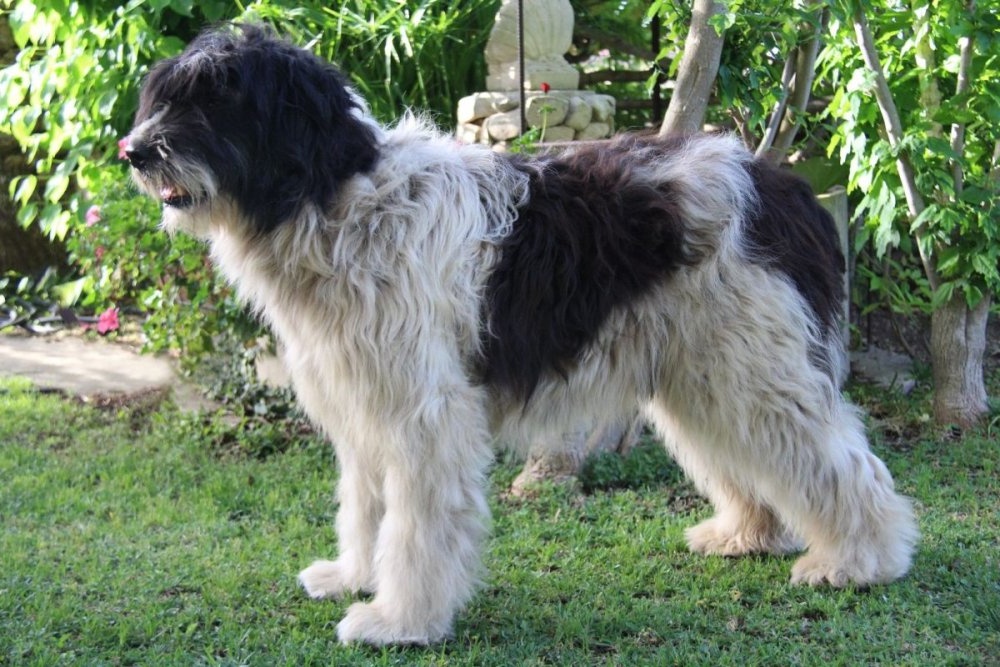
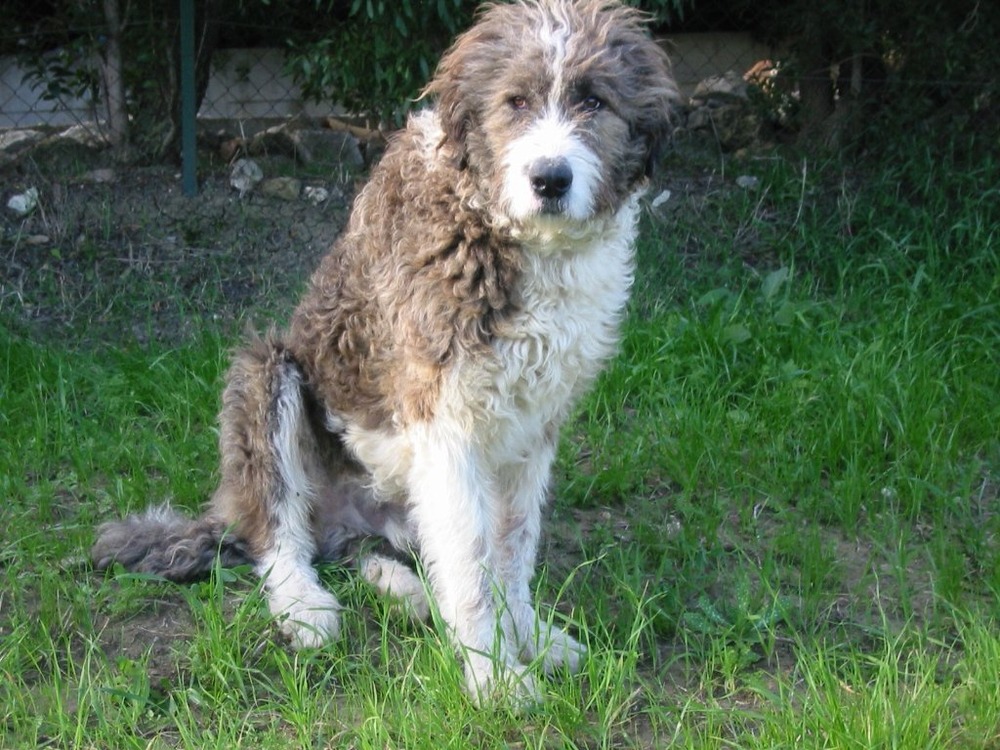
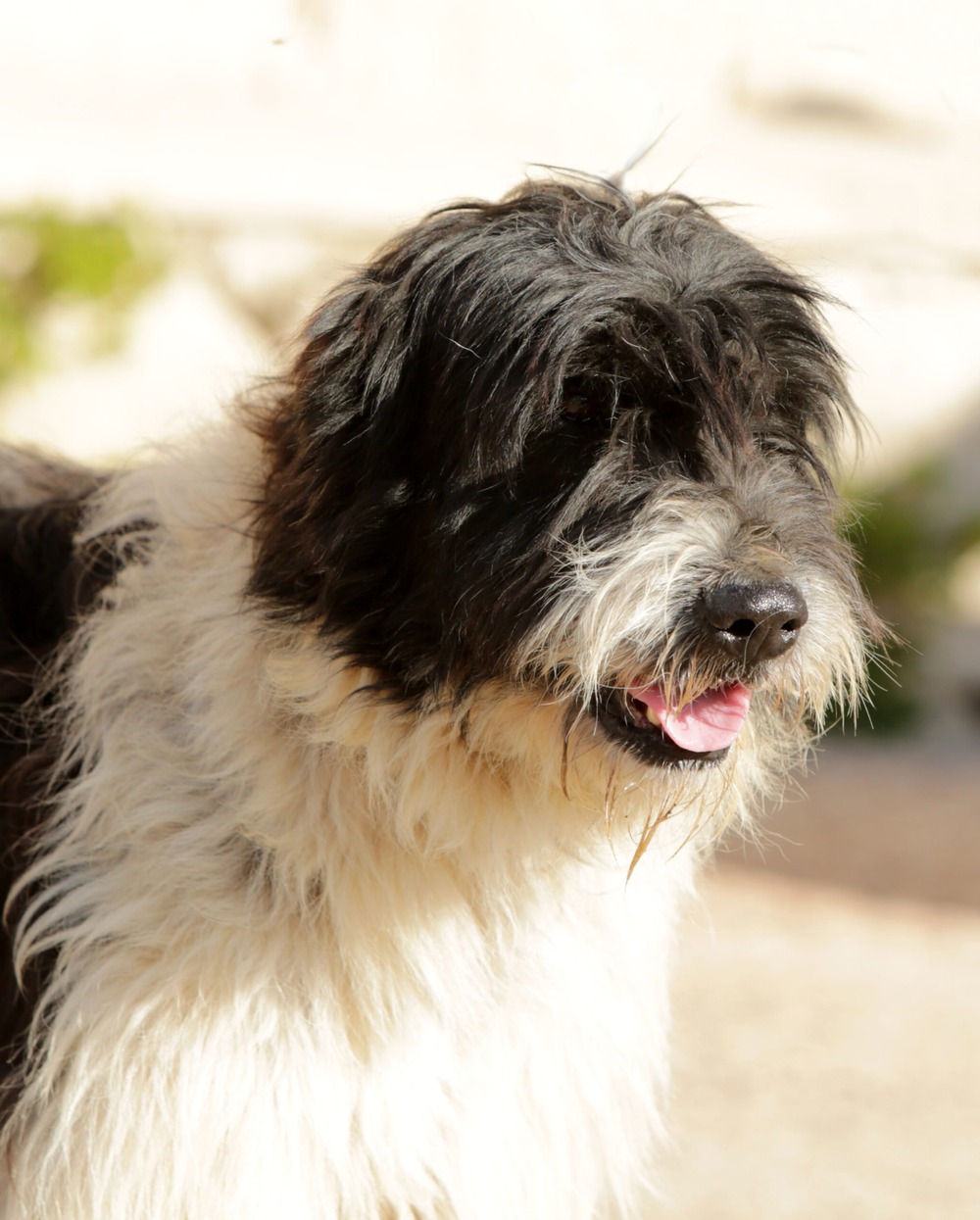
Descriptions of the Spino degli Iblei often lean on the word “rustic”, and that is a fair shorthand. The standard presents a medium-large, robust dog with strong bone and a compact, vigorous outline, built to keep going rather than to look refined.2 The coat is long and harsh, with furnishings that can read as beard, eyebrows and moustache, which is part of the breed’s unmistakable silhouette.2
Coat colour is commonly described as white, or white with patches, and the overall impression is of a dog dressed for weather and scrub. The coat is not just decorative. In working contexts, a protective coat can reduce minor abrasion from vegetation and help a dog cope with damp and wind, although it still needs routine care to stay comfortable.
It is also worth clearing up a common point of confusion. The Spino degli Iblei is not the Spinone Italiano, which is a separate Italian hunting breed with its own FCI standard and history.3 Similar names and similar coat textures can lead people to assume they are closely related, but they are recognised as distinct breeds with different traditional work.
Temperament and suitability for home life
Livestock guardian types tend to bring a particular “shape” of behaviour into family life: watchfulness, a strong sense of home territory, and a tendency to notice what is changing in their environment. In plain terms, you may see more scanning and checking than you would in a dog bred mainly for close handler focus.
Sources describing the Spino degli Iblei’s character commonly note traits such as being vigilant and protective, sometimes reserved with strangers, while being collaborative and reliable with its own person when socialised and guided well.1 None of this is automatically a problem, but it does mean the breed generally suits households that can provide clear routines, appropriate boundaries, and steady exposure to everyday life.
With children and other animals, the sensible approach is the same as with any powerful, active dog: thoughtful supervision, structured introductions, and an honest look at the dog in front of you. If a dog has been selected to take threats seriously, then household harmony depends less on optimism and more on early, consistent social learning.
Training and exercise that matches the dog
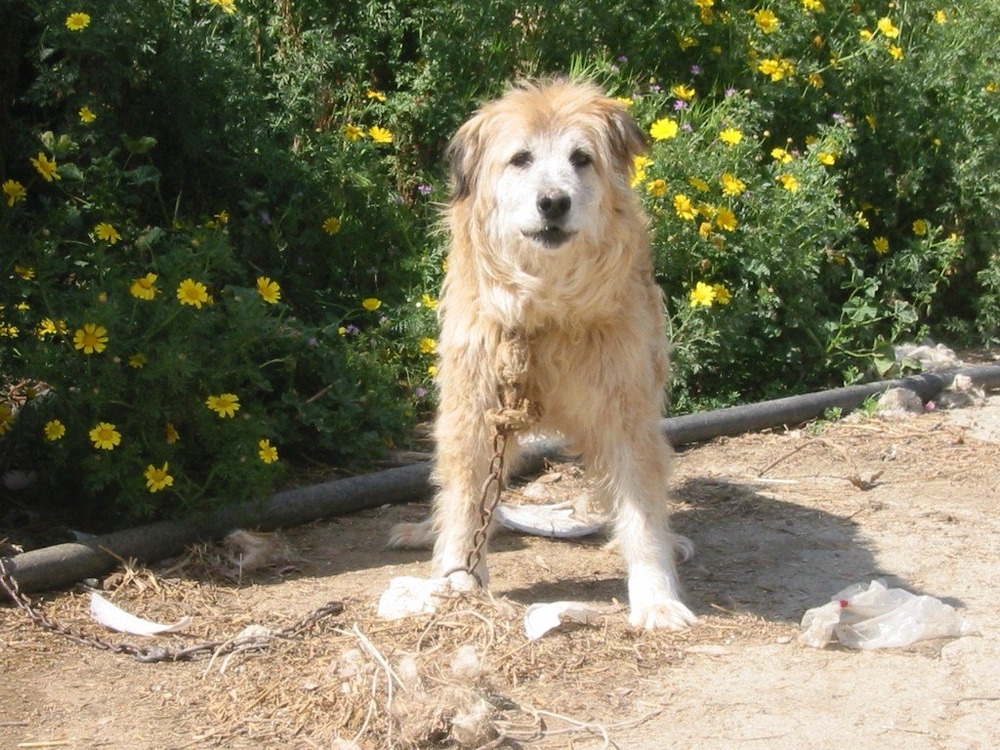
Training is often described as “easy” or “hard” as though it is a fixed breed label. With dogs shaped for guarding and independent decision-making, the more useful framing is: what motivates the dog, what stresses the dog, and what clarity does the dog need?
For most households, the simplest and safest baseline is reward-based training, with clear reinforcement for the behaviours you want and careful management of the situations that trigger unwanted behaviours.4, 5 Both the RSPCA and veterinary behaviour bodies advise against aversive tools and punishment-based approaches, noting risks to welfare and the dog-human relationship, and recommending reward-based methods as the humane standard.4, 5
Exercise needs are best thought of as a blend of physical movement and purposeful occupation. Long walks help, but so do activities that let a dog use its brain and senses, such as scent games, structured exploring, and calm training repetitions in new places. For dogs that are alert by nature, building the skill of settling, resting, and switching off can be just as important as adding more kilometres.
Health outlook and everyday care
There is limited widely published, breed-specific health data in English for the Spino degli Iblei, partly because it is relatively rare outside Italy and its formal recognition is recent.2 That does not mean there are no health concerns, only that you should be cautious about sweeping claims.
Practically, the basics still apply. Keep regular veterinary checks, monitor weight and mobility, and treat changes in eyes, skin, ears, or behaviour as information worth acting on. If you are working with a breeder, ask what health screening is done in their lines, what issues they see, and how they manage coat and skin health in the local climate.
Parasite prevention should be tailored to where you live and what your dog does outdoors. If your dog travels internationally, requirements can differ from general pet ownership advice, and some products or methods may not be acceptable for specific programs.6 Your vet is the best person to help match a plan to your dog’s risk and your region.
Coat care and grooming routines
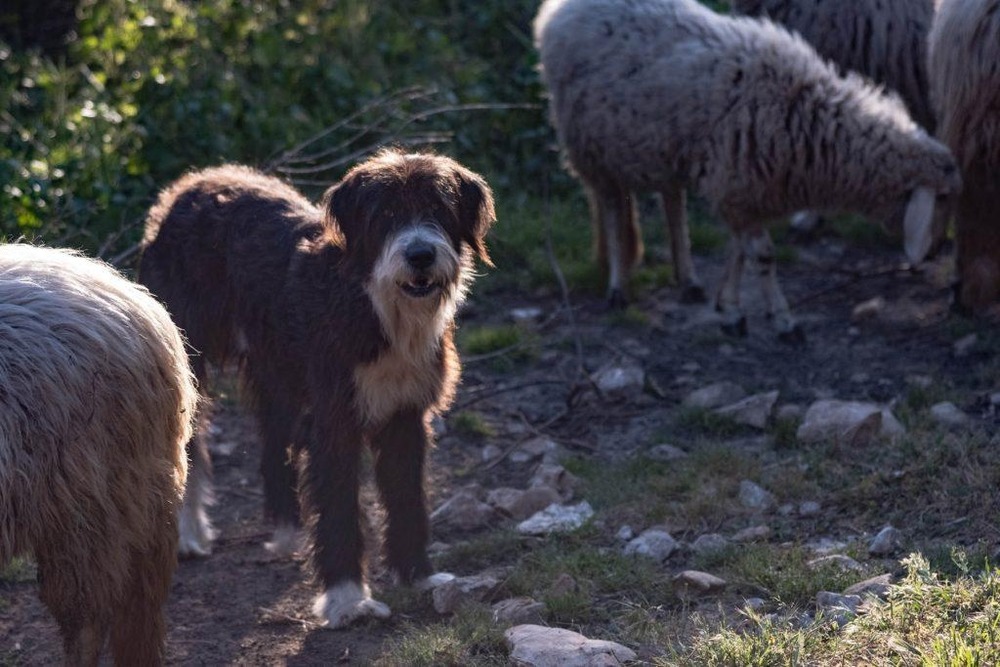
That long, harsh coat can be wonderfully practical, but it is not self-managing. Regular brushing helps prevent tangles, reduces the amount of debris carried indoors, and makes it easier to spot skin irritation early. Pay attention to high-friction areas such as behind the ears, armpits, and between toes.
Bathing can be occasional rather than frequent, depending on the dog’s lifestyle. The goal is comfort and skin health, not a constant “show clean” finish. Nail trims, ear checks, and dental care are the small routines that add up over years.
Dental disease is extremely common in dogs, which is why many veterinary organisations and clinics emphasise home brushing and regular oral checks as part of normal care.7 If brushing is new to your dog, go slowly and build cooperation with rewards.
Feeding and keeping a working body condition
Nutrition advice online can get strangely ideological. In real life, the best diet is the one that keeps your dog in a healthy body condition, supports digestion and skin, and fits your budget and routines well enough to be consistent.
The WSAVA Global Nutrition Guidelines encourage owners to work with veterinary teams on a tailored nutrition plan and highlight that pet food marketing and label reading can be confusing, which is why practical assessment and monitoring matter.8 If your dog is gaining weight, becoming stiff, or losing muscle definition, adjust early rather than waiting until it becomes “just how they are”. Tools such as body condition scoring can help you think more clearly than the scales alone.9
If you are changing diets, do it gradually, and treat persistent itch, ongoing soft stools, or recurrent ear trouble as reasons to speak with your vet. These are not always “food issues”, but they are often worth investigating properly.
Final thoughts
The Spino degli Iblei makes the most sense when you see it as a product of place. It is a dog shaped by south-eastern Sicily, by livestock work, and by selection for practicality.2 That heritage can translate beautifully into modern life for the right household, especially one that appreciates a steady presence and is willing to invest in training, socialisation, and daily structure.
If you are drawn to the breed, look beyond photographs. Spend time with adult dogs if you can, ask direct questions about temperament in ordinary settings, and prioritise sound management over romance. With rare working breeds, that mindset is often what protects both the dog’s welfare and the owner’s expectations.
References
- Razze Cinofile Italiane: Spino degli Iblei (history, character, care)
- Club del Pastore Siciliano: Spino degli Iblei Standard n. 906
- FCI Standard No. 165: Spinone Italiano
- RSPCA Australia: Training recommendations and reward-based methods
- American Veterinary Society of Animal Behavior (AVSAB): Humane Dog Training Position Statement
- Australian Government DAFF: External and internal parasite treatment (dogs and cats)
- American Kennel Club: How to brush your dog’s teeth and why it matters
- WSAVA: Global Nutrition Guidelines
- FOUR PAWS Australia: Body condition score and pet weight awareness