

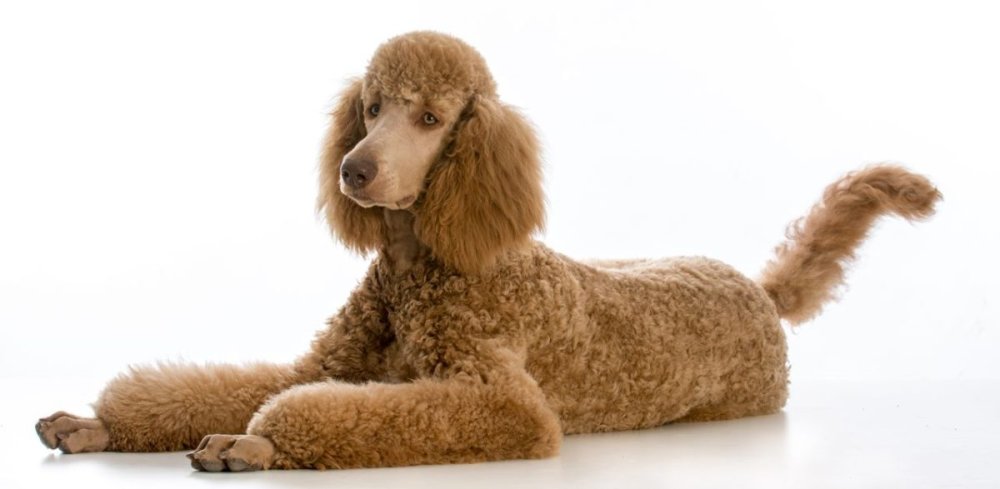
People often meet the Standard Poodle in everyday places, at the park, in a grooming salon, or as the “non-shedding” family dog a friend swears by. Then you spend five minutes with one and notice there is more going on than the haircut: a dog that watches closely, learns quickly, and expects to be included in whatever you are doing.
It is also a breed that tends to be misunderstood. The coat can look ornamental, but it comes from practical, working roots. The reputation for being “hypoallergenic” can be partly true for some households, but never a guarantee. And while many Poodles live happily in suburban homes and even apartments, they are not low-effort dogs in either grooming or day-to-day engagement.
When a Standard Poodle fits your life, it can feel like living with a bright, athletic companion who enjoys routine and variety in equal measure. The key is understanding what they were built for, and what they still need from us now.
- Group: Non-sporting (in many kennel club systems)
- Height: Usually 38 cm and over at the shoulder for Standard Poodles (definitions vary by organisation)
- Weight: Commonly around 20 to 32 kg, depending on sex and build
- Life expectancy: Often around 12 to 15 years
- Coat: Curly, continuously growing, low-shedding but high maintenance
- Best known for: Trainability, athleticism, and the grooming commitment that comes with that coat
Early development and why the coat looks the way it does
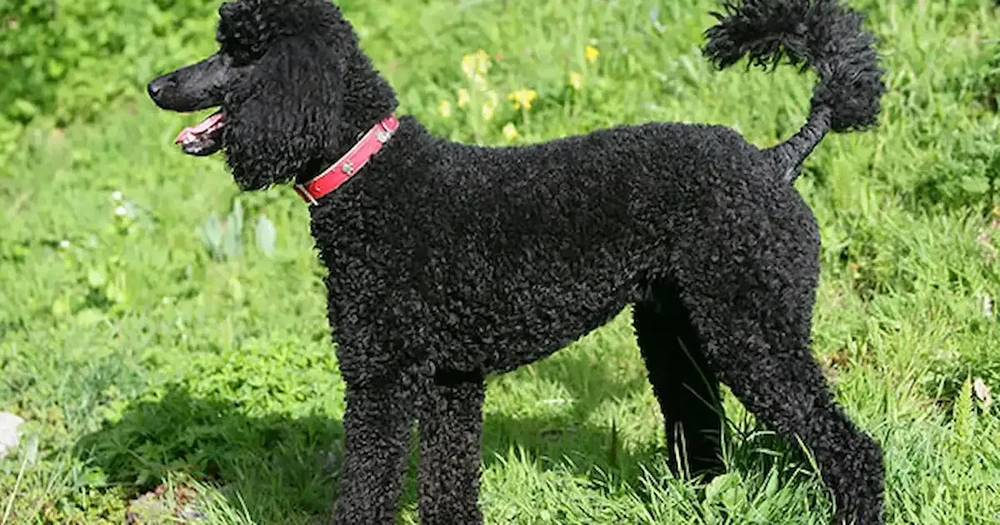
The Standard Poodle is widely linked with France in popular culture, but most modern histories point to German water-dog roots, with the breed developing across parts of Europe over time. The name is often connected to the German word “pudeln”, referring to splashing or working in water, which makes sense once you see how readily many Poodles take to swimming and retrieving.1
That distinctive coat also makes more sense when you look at it through a working lens. A dense, curly coat can help with insulation in cold water, and traditional trims are often explained as a practical compromise: leaving hair where warmth and joint protection mattered, while clearing it where it would hinder movement or snag in heavy cover. Over generations, that functional clipping became stylised, then synonymous with the breed.2
It is worth holding two truths together here. Today’s Standard Poodle can be an excellent family dog, but they are still shaped by a history that rewards stamina, problem-solving, and close teamwork with people.
Temperament in real homes
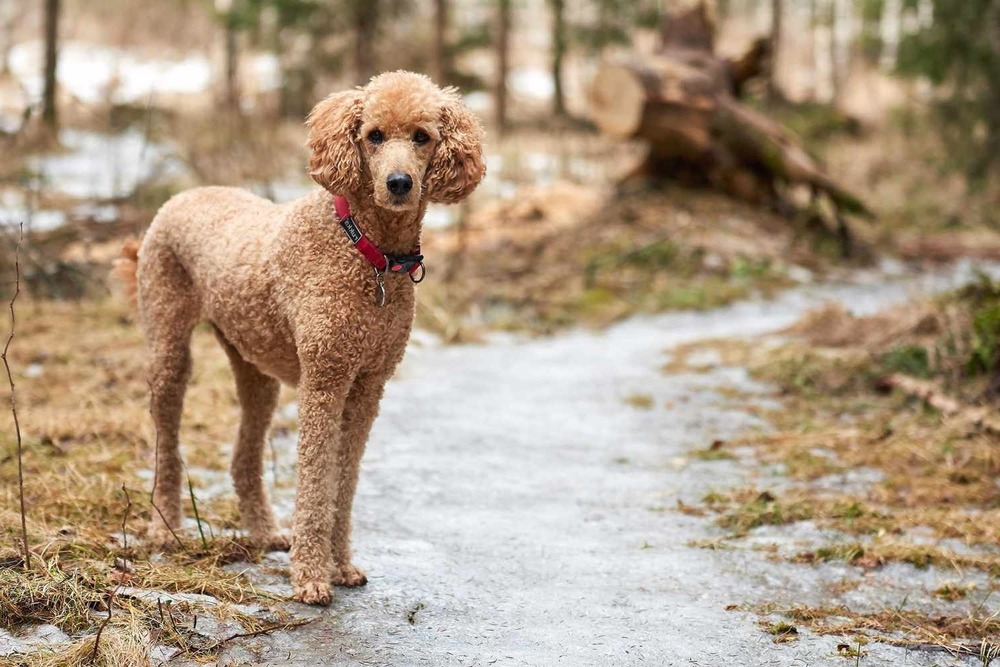
A well-bred, well-raised Standard Poodle is typically quick to learn and strongly people-focused. This is the part many owners love most: training often feels like a conversation rather than a wrestling match, especially when you keep sessions short, clear, and rewarding.
That intelligence has a flip side. A Poodle that is under-stimulated may invent their own activities, which can look like restlessness, nuisance barking, or mischief with household items. It is not “bad behaviour” so much as a dog trying to meet their needs with the tools available. Building in daily training habits, sniff time, and play that involves thinking usually helps.
With children and other pets, the breed is often sociable, but the usual rules apply: supervise introductions, teach kids calm handling, and give the dog somewhere to retreat. Many Standard Poodles are sensitive to chaotic environments, not fearful as a default, but more likely to notice everything and react if life is unpredictable.
Training and exercise that actually works for Poodles
Standard Poodles tend to thrive on reward-based training. They usually respond best to food, toys, and access to what they want (a sniff, a greet, a game), rather than pressure or repetition for its own sake. If training stalls, it often helps to simplify the task and increase the value of the reward, rather than pushing through with longer sessions.
Exercise needs vary by age and individual, but most Standard Poodles do best with a mix of physical outlets and mental work. Long walks are useful, but many Poodles also benefit from activities that let them use their body and brain together, such as retrieve games, scent work, agility foundations, or swimming where safe.
If you are raising a young dog, pay attention to pacing. A Poodle puppy can look athletic early on, but joints and soft tissues still need time to develop. Aim for steady conditioning, not constant high-intensity exercise.
Health considerations to know upfront
Standard Poodles are generally robust, but they are not “problem-free”. A thoughtful approach is to understand what the breed is predisposed to, then make sensible choices about screening, insurance, and day-to-day care.
Hip dysplasia is one concern seen across many medium to large dogs. It is influenced by genetics and environment, and screening programs typically rely on radiographs assessed by recognised schemes. If you are buying a puppy, ask what hip screening has been done on the parents and how results are shared.3
Eye disease is another area to take seriously. Progressive retinal atrophy (PRA) refers to inherited degenerative conditions that can lead to vision loss over time. While the details differ by type, the practical takeaway is that reputable breeders use eye testing and, where available, DNA testing to reduce risk in lines.4
Addison’s disease (hypoadrenocorticism) is also discussed in Poodles. It can be difficult to recognise early because signs may be vague. If your dog shows recurring lethargy, vomiting, diarrhoea, or episodes that do not fit a simple stomach upset, it is worth asking your vet whether endocrine causes should be considered.5
Grooming and coat care without the myth-making
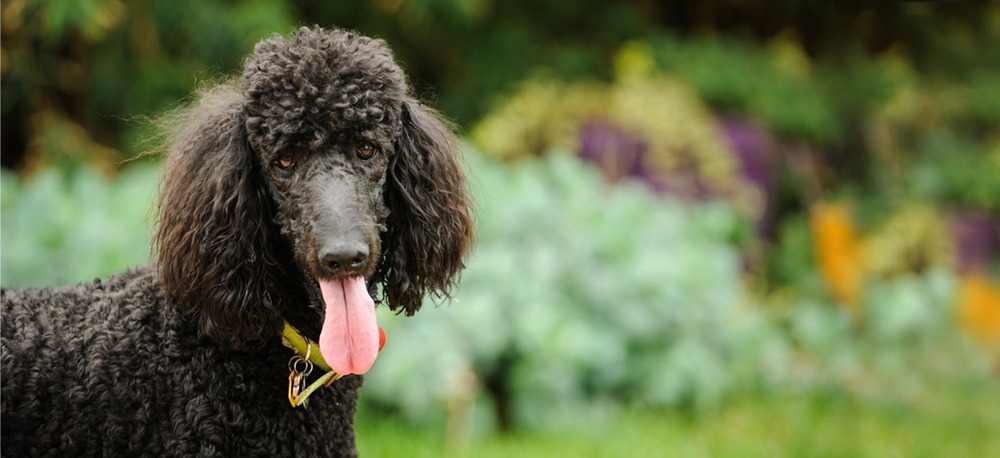
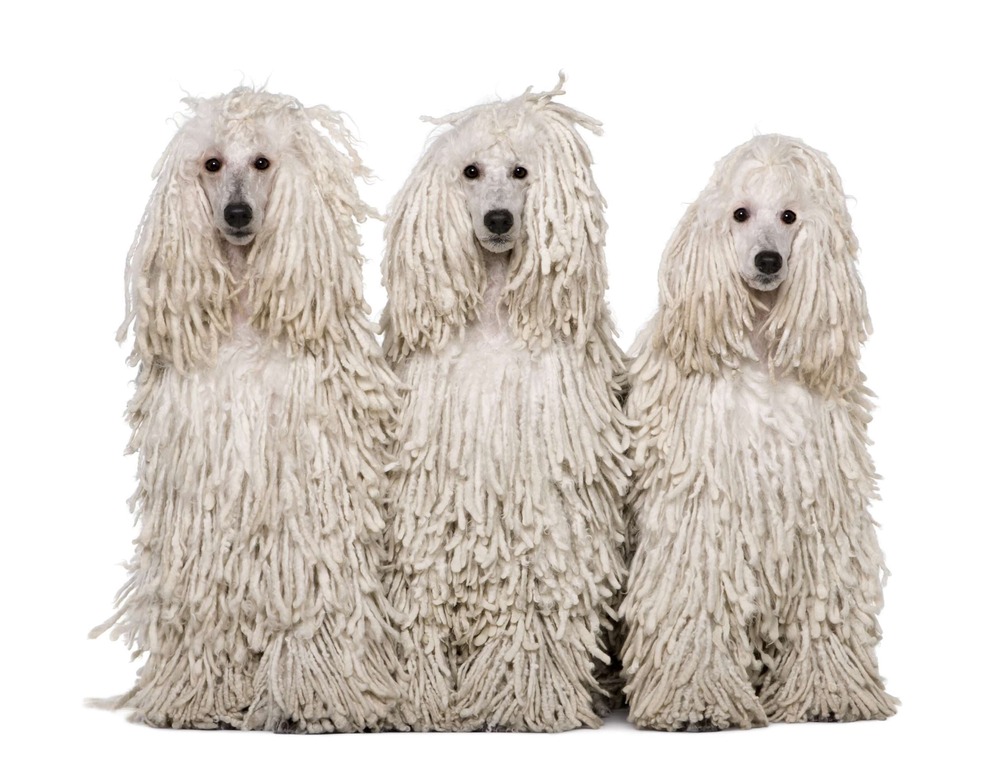
The Standard Poodle coat is often described as low-shedding, and many owners do notice less loose hair around the house. But low-shedding does not mean low-work. The coat continues to grow and can mat close to the skin if brushing and clipping routines slip.
A practical rhythm for many households is a professional groom every few weeks, with line-brushing at home to prevent knots forming at the roots. Mats are not just a cosmetic issue. They can trap moisture and reduce airflow, which can contribute to skin irritation and infection underneath.6
Ears deserve special attention, especially in dogs with long, floppy ear leather and lots of coat. Moisture after bathing, swimming, or grooming can increase the chance of irritation, and in some dogs it can contribute to the conditions that allow bacteria or yeast to overgrow. Keep ears dry, follow your vet’s advice on cleaning, and raise concerns early rather than waiting for a full infection to develop.7, 8
Feeding and body condition: the quiet health multiplier
Most Standard Poodles do well on a complete, balanced diet appropriate for their life stage. The more useful focus is not the brand name, but whether your dog is staying in a healthy body condition. You should be able to feel ribs with light pressure, see a waist from above, and notice an abdominal tuck from the side.
If your Poodle is very active, or involved in sports, it may help to discuss energy needs with your vet, particularly if you are adjusting portions, adding training treats, or feeding a mix of foods. Keeping a stable, lean body condition is one of the simplest ways to support joints over the long term.
Living well with a Standard Poodle
A Standard Poodle usually suits people who enjoy being involved. They often want a job, even if the job is learning tricks, carrying a toy on walks, or practising calm behaviours in busy places. When you meet that need for engagement, the breed’s best qualities show up naturally: attentiveness, adaptability, and a steady willingness to work with you.
If you are deciding whether the breed fits, it can help to ask yourself two honest questions: can you commit to regular grooming, and can you make space for daily interaction that includes training or problem-solving? If the answer is yes, the Standard Poodle can be a remarkably rewarding dog to share life with.
References
- American Kennel Club: Poodle history (from water retriever to companion)
- Poodle Club of Victoria: ANKC breed standard and history notes
- Orthopedic Foundation for Animals: Canine hip dysplasia overview
- VCA Animal Hospitals: Progressive retinal atrophy (PRA) in dogs
- Merck Veterinary Manual: Hypoadrenocorticism (Addison’s disease) in dogs and cats
- RSPCA Pet Insurance Australia: Guide to dog cleaning and grooming
- Animal Medical Center: Ear infections in pets (causes and risk factors)
- American Kennel Club: Grooming and ear infections (moisture and irritation factors)
- American Kennel Club: So-called “hypoallergenic” breeds and allergy reality
- American Kennel Club: Does a completely hypoallergenic dog exist?