

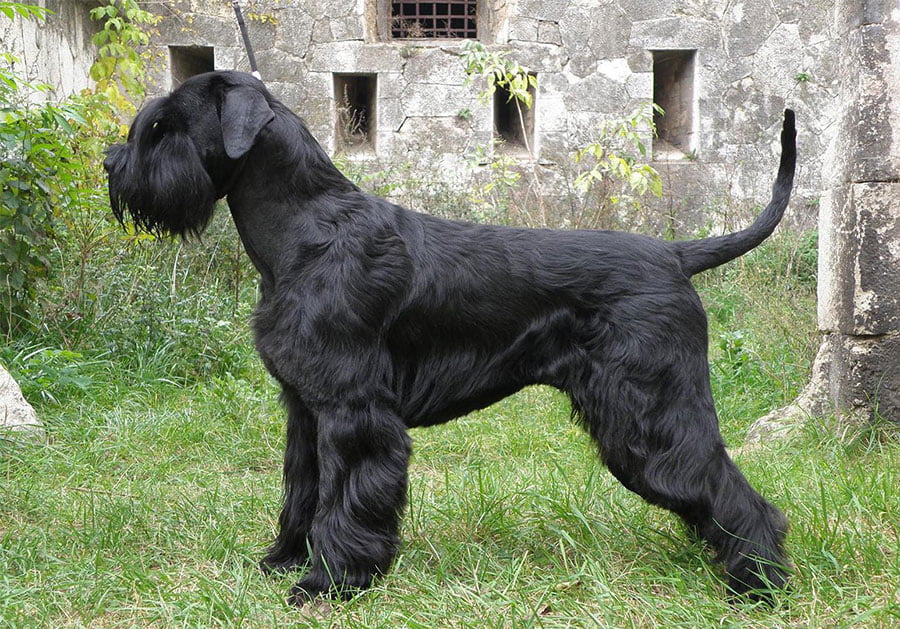
- Breed category: Working
- Country of origin: Germany
- Average height: about 45 to 50 cm at the shoulder
- Average weight: roughly 14 to 23 kg
- Typical lifespan: around 12 to 15 years
- Coat: dense, harsh, wiry double coat
- Colours: salt and pepper, black
- Shedding level: generally low (but not “no shed”)
- Exercise needs: high, daily
- Grooming: regular brushing, plus clipping or hand-stripping
- Temperament: alert, spirited, intelligent
- Best suited for: active homes, people who enjoy training
You might first notice a Standard Schnauzer because of the eyebrows and beard, or because you have met one who seems unusually switched on for a medium sized dog. Often, the curiosity comes later, when you realise that “low shedding” does not mean “low effort”, and that a dog bred to work all day tends to create their own jobs if the household is quiet.
It is easy to assume they are simply a tidy looking companion breed with a distinctive haircut. In practice, the Standard Schnauzer is better understood as a capable all-round farm dog in a companion dog’s life, observant, physical, and quick to learn patterns, including the ones you did not mean to teach.
When you match that brain and energy to the right routines, the breed can be wonderfully steady and engaged. When you do not, the same traits can show up as restlessness, noisiness, or a dog who is constantly “on”. Getting the fit right matters more than getting the look right.
Where the Standard Schnauzer came from
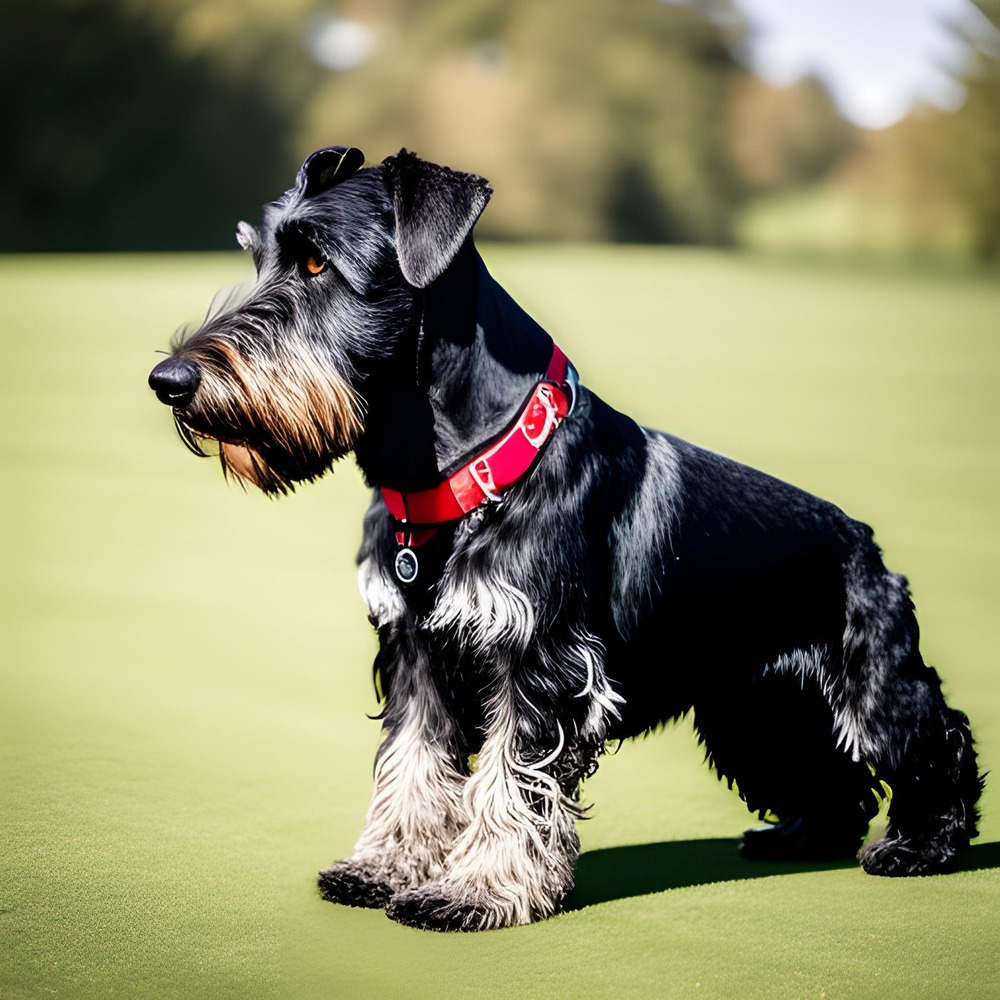
The Standard Schnauzer developed in southern Germany and shares roots with the German Pinscher. Earlier records sit more comfortably in the 1800s than in neat “15th century breed” claims, which are common in popular breed write-ups but harder to pin down in reliable sources.1
What is consistent is the type of work: these dogs were kept as robust, handy farm and stable dogs, expected to deal with vermin and to keep an eye on the property. That background helps explain why many Standards still carry a watchful, take-notice style in daily life.1, 2
The name “Schnauzer” is linked to German words referring to the muzzle and moustache. The beard is not just a fashion statement, it is part of a working coat and facial furnishings that likely offered a bit of protection in rough, close work.1
Temperament in real homes
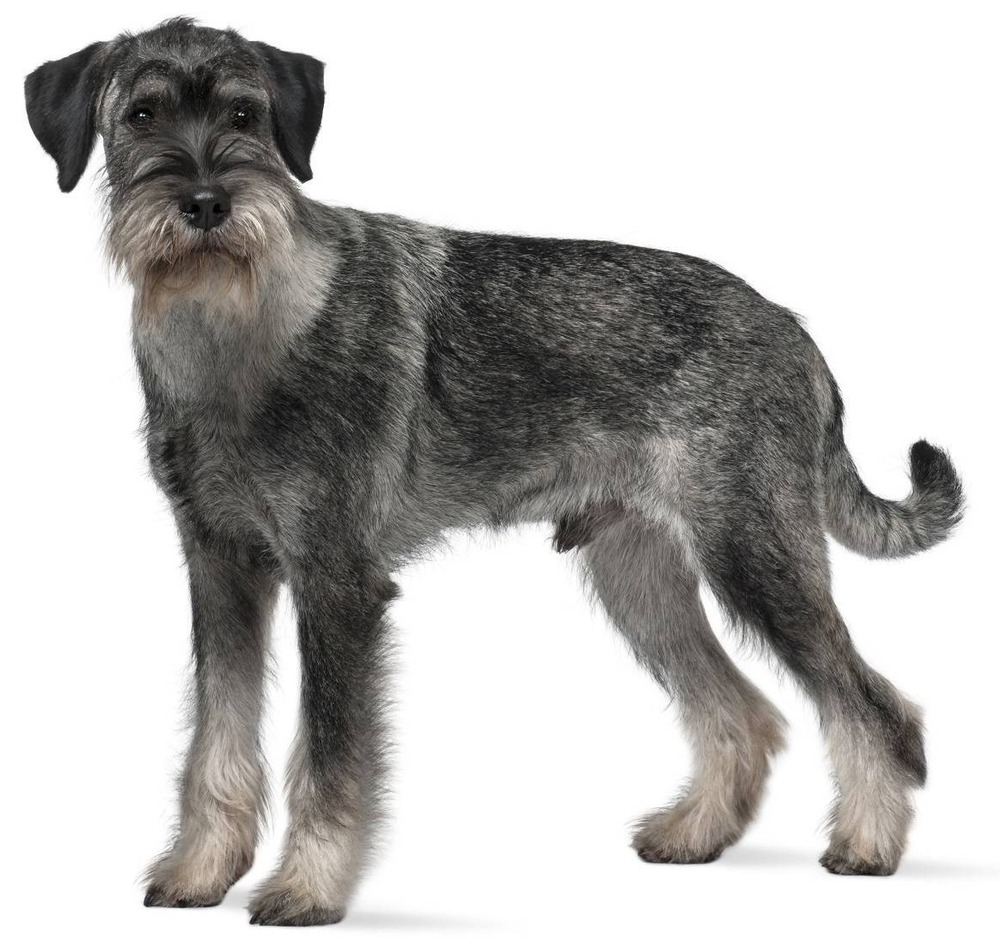
Well raised Standard Schnauzers tend to be bright, responsive, and people-focused, with a strong interest in what is happening around them. Many are affectionate with their family, but they are not always “everybody’s mate” by default, especially if they have not had thoughtful early socialisation.2, 3
They often do best with clear boundaries and plenty to do. A Standard who understands the household rules, gets daily movement, and has regular training as part of normal life is more likely to be settled. The same dog without those pieces can become pushy, mouthy, or inventive, not out of spite, but because the breed is built for initiative.
If you are choosing between breeds, it helps to be honest about your own rhythm. A Standard Schnauzer suits people who enjoy daily interaction and training, not just weekend outings.2
Children and other pets
With children, the important variables are supervision, teaching kids how to handle a dog respectfully, and making sure the dog has a calm place to retreat. With other pets, early introductions and ongoing management matter. Some individuals have a stronger chase instinct than others, so it is wise to assume you may need training and separation in the early months, particularly with small animals.
Training that brings out the best in them
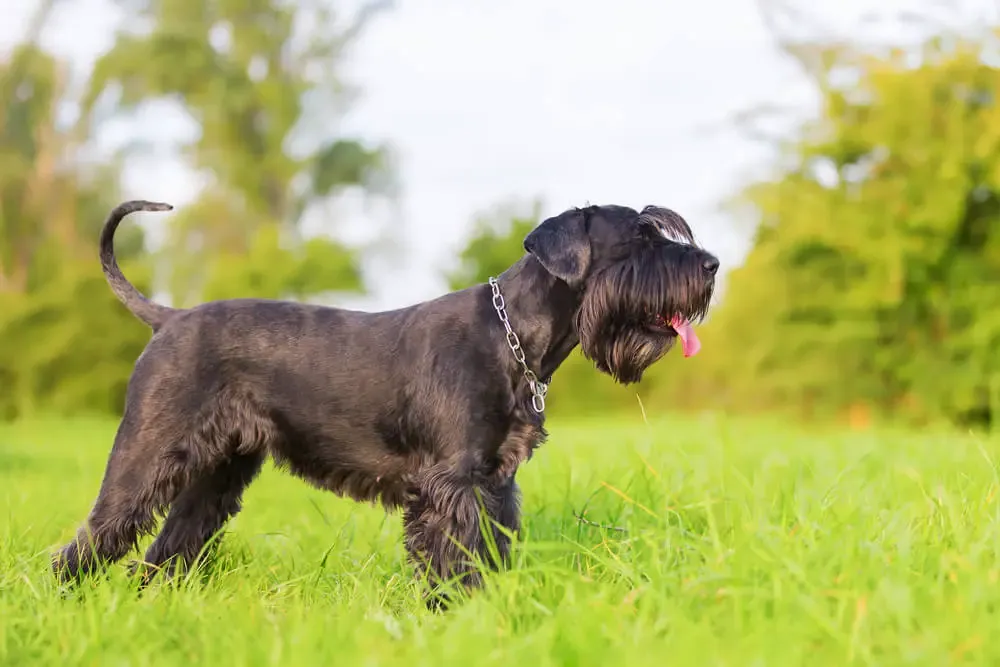
Standards are typically quick to learn, which is a gift and a trap. They learn the behaviours you practise, including the accidental ones, like barking to make the ball happen, or nudging to get attention. The goal is not to “dominate” an intelligent dog, but to be consistent and rewarding in a way the dog can understand.
Reward-based training and early, positive exposure to everyday life are widely recommended by welfare and veterinary organisations. It is not about being permissive, it is about teaching the behaviour you want, then reinforcing it so it becomes the dog’s default choice.4, 5
- Start early, keep it gentle: short sessions, repeated often, suit this breed.
- Train the “off switch”: mat work, calm settles, and structured downtime.
- Socialise with care: aim for calm, positive experiences rather than overwhelming exposure.4, 6
Exercise and enrichment
Standard Schnauzers usually need more than a quick lap of the block. A brisk walk helps, but many also benefit from problem solving, sniffing games, training drills, and sport-style activities like agility or scent work. The breed is often happiest when both body and brain have had something to do.
It can help to think in terms of “daily outlets” rather than a strict minutes target, because needs vary with age and temperament. A young adult Standard commonly needs a meaningful routine twice a day, while an older dog may prefer shorter but more frequent movement.
Look for the signs of a good dose: the dog is able to rest afterwards, they are less reactive to everyday triggers, and they are easier to live with in the evening. If exercise is followed by frantic pacing, constant attention seeking, or difficulty settling, it can mean you have built fitness without building calm, and you may need more enrichment and recovery time, not just more kilometres.
Health basics to know
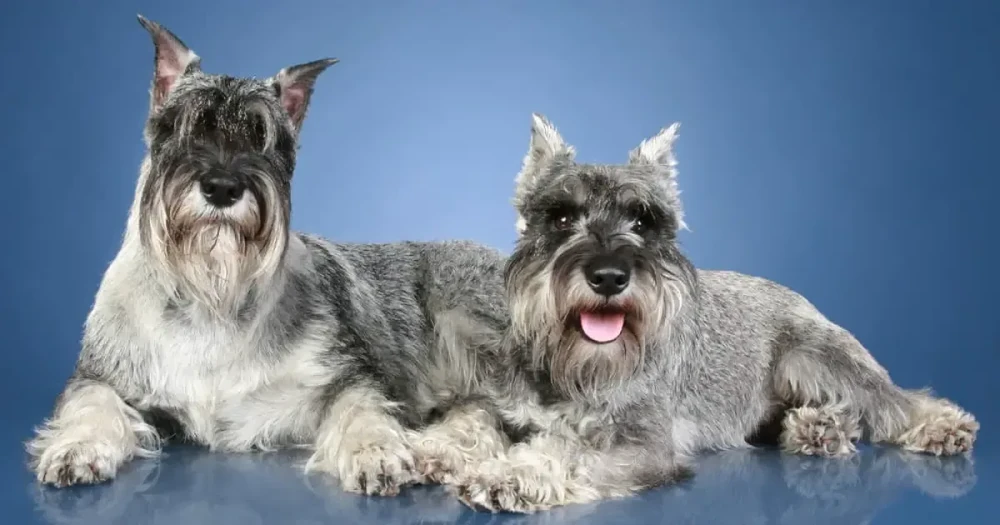
The breed is generally robust, with a commonly cited lifespan in the low to mid teens.2 Like all breeds, they can still be affected by heritable and lifestyle-related conditions. Hip dysplasia and some eye conditions are frequently mentioned in breed resources, and it is sensible to discuss screening and family history with a reputable breeder or breed club, then keep up regular veterinary checks across the dog’s life.
Preventive care is where most dogs win or lose health. Vaccination plans should be tailored to your dog’s risk, geography, and lifestyle, but core vaccines are recommended for all dogs unless there is a medical reason not to vaccinate.7, 8
If you are bringing home a puppy, follow your vet’s advice about safe social outings while vaccinations are in progress. It is usually possible to socialise intelligently without taking avoidable disease risks, for example by meeting healthy dogs you know, carrying your puppy in busy areas, and focusing on controlled, positive exposures.4, 6
Coat care that stays comfortable for the dog
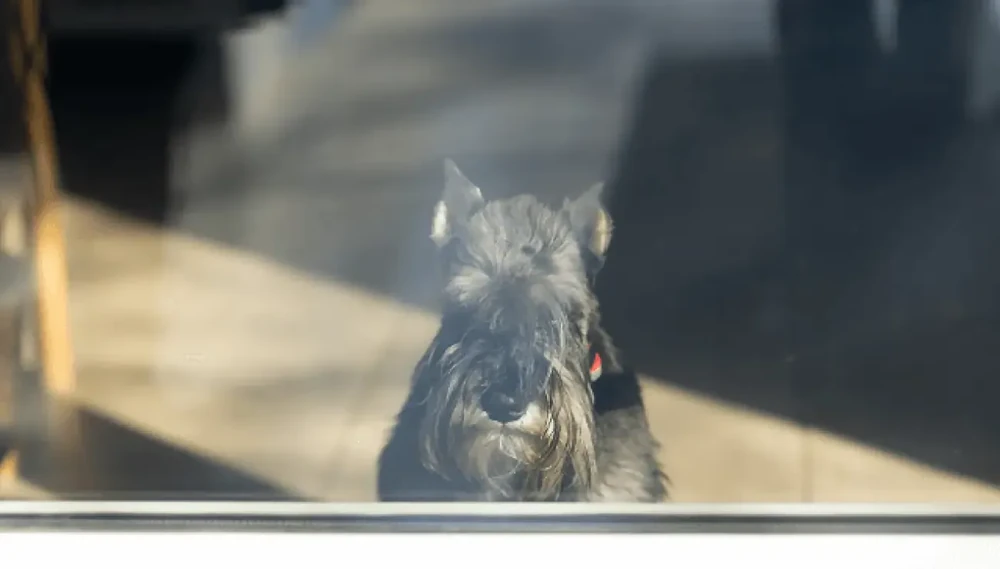
The Standard Schnauzer coat is typically harsh and wiry, with furnishings on the legs and face. Many owners choose clipping for practicality, while others use hand-stripping to maintain traditional coat texture. Either way, coat care is not just cosmetic, it is part of skin comfort and hygiene, especially around the beard where food and water can linger.
A steady routine usually includes brushing and combing to prevent mats, checking the armpits and behind the ears, and keeping the beard clean and dry. Most Standards also need regular nail trims and ear checks as part of normal maintenance.
Low shedding is often mentioned with this breed, but it is best understood as less hair on the couch, not “no grooming required”. A wiry coat that is not managed can mat and trap debris, and that can become uncomfortable quickly.
Feeding and keeping weight steady
Feeding advice for active, medium sized dogs can get strangely polarised online, with people arguing ingredients lists, grain-free trends, or “what wolves eat”. A more useful approach is to choose a nutritionally complete diet that suits your individual dog, then monitor body condition and stool quality, and adjust calmly over time.
The World Small Animal Veterinary Association (WSAVA) provides practical guidance on assessing diets and reading labels, and it encourages owners to look beyond marketing cues. Your vet can help you match calories and nutrients to your dog’s age, activity level, and any health needs.9
If your Standard is prone to scavenging, rushing meals, or becoming a little too enthusiastic around food, slow feeders and simple training around impulse control can be genuinely helpful. It is not about willpower, it is about designing the environment so the dog can succeed.
Living with a Standard Schnauzer, day to day
A Standard Schnauzer can be a deeply satisfying companion for the right household. They tend to notice the world, learn fast, and form strong routines, so life with them feels interactive.
The deciding factor is rarely whether the breed is “good” or “bad” with families, apartments, or first-time owners. It is whether the household can offer structure, movement, and company in a way that is realistic, not aspirational. When that match is there, the beard and eyebrows are just the charming part you notice first.
References
- Wikipedia: Standard Schnauzer
- American Kennel Club: Standard Schnauzer
- AKC Library and Archives: Standard Schnauzer Club of America Collection
- RSPCA Australia: Here’s how to care for your puppy
- RSPCA Knowledgebase: Training recommendations (reward-based methods)
- RSPCA Australia: Socialising your puppy
- AAHA: 2022 Canine Vaccination Guidelines
- AAHA: Recommendations for core and noncore canine vaccines
- WSAVA: Global Nutrition Guidelines