

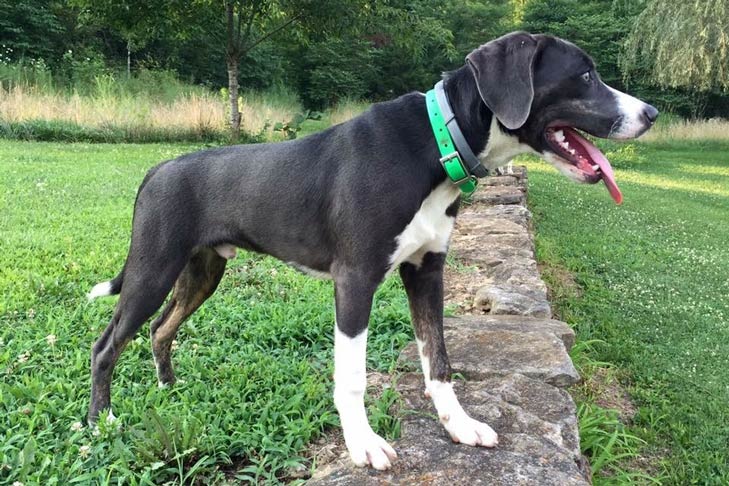
You might come across the Stephens Stock Dog in a photo that looks a bit like a small, dark, athletic “farm dog”, or you might hear the name from someone who hunts, works dogs, or grew up around rural American stock and timber country. Then you try to look them up and hit a second confusion: are they a herding dog, a hunting dog, or something in between?
Part of the answer is that the Stephens Stock Dog (often called the Stephens’ Stock Cur) sits in that practical world where dogs are bred for usefulness first. They are best understood as a driven, agile, scenting tree dog that can also be handy around property, rather than a neat, modern “pet breed” category.1, 2
That matters if you are considering one, or you have one already, because expectations shape outcomes. A dog bred to work long days, make decisions in rough terrain, and stay switched on can be a delight in the right home, and a headache in the wrong one.
At a glance: what kind of dog is a Stephens Stock Dog?
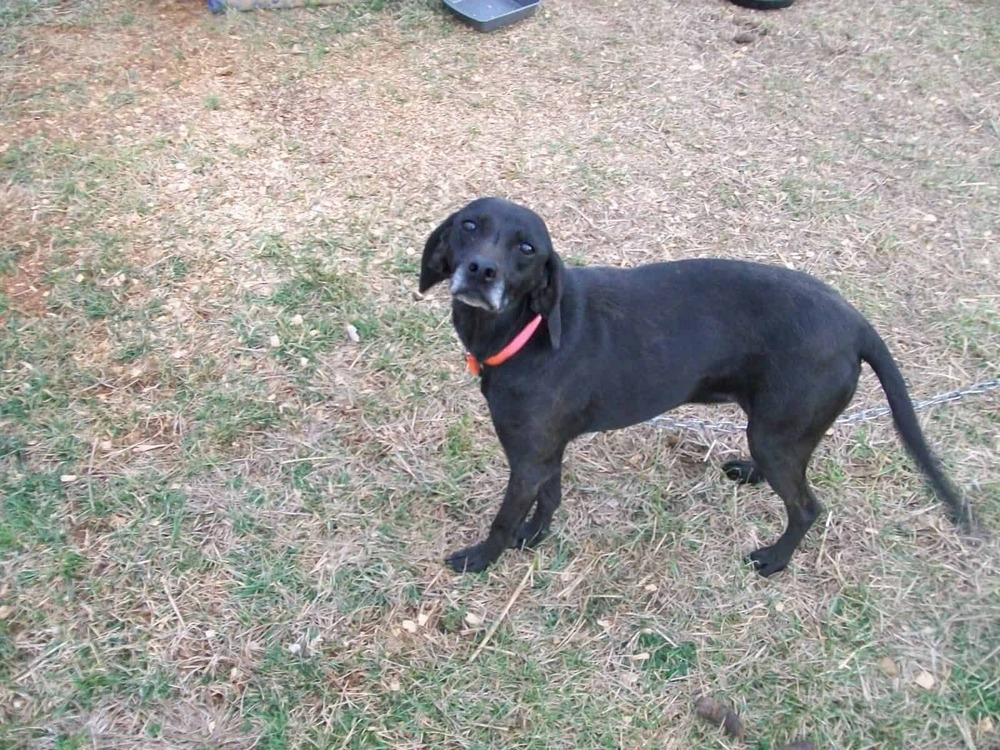
The Stephens’ Stock Cur is recognised by the United Kennel Club (UKC) as a small to medium, powerful and agile working dog, developed from a distinct strain of Mountain Cur dogs kept by the Stephens family in Kentucky.2
- Primary style of work: Scenting and treeing game (commonly squirrel and raccoon), with the stamina to hunt hard in rough country.2
- Build: Small to medium, athletic, slightly longer than tall, made for speed and agility rather than bulk.2
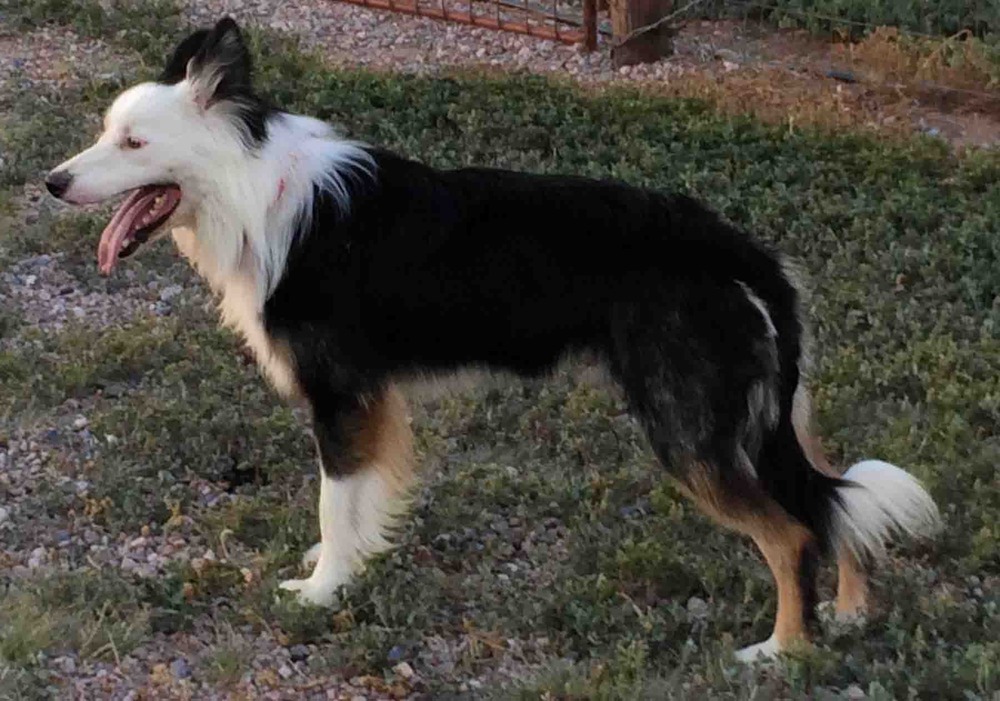
- Coat and colour: Short, dense coat, typically black, with limited white markings allowed under the UKC standard.2
Many sources describe these dogs as “stock” dogs, which can lead people to assume they are primarily herders. Some individuals may show herding-type behaviours around the home, but the formal breed standard and most historical descriptions place them more clearly in the hunting, tree-dog tradition.2
Where they came from, and why they stayed “rare”
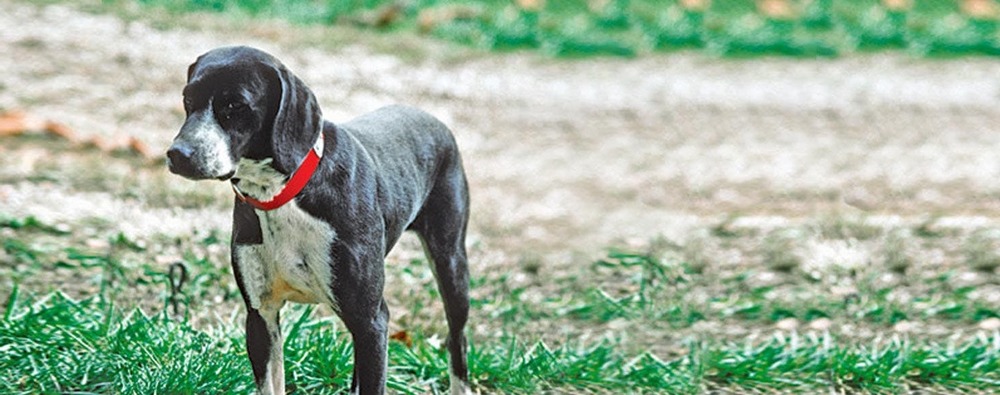
The Stephens Stock Dog traces back to a line maintained by the Stephens family in south-east Kentucky, originally considered a strain of Mountain Cur. Over time, that line became distinct enough to be treated as its own breed, and it was recognised by the UKC on 1 November 1998.2
This history helps explain why the breed can feel hard to “place” if you are used to mainstream kennel club breeds. In working circles, dogs are often kept and bred for performance, suitability to a particular landscape, and reliability on the job. Public visibility comes later, if it comes at all.
It is also worth noting that recognition differs between organisations. UKC recognition is clear and documented, while other registries may not list the breed, or may list it under a slightly different naming convention.2
Appearance and movement: built for hard ground and long days
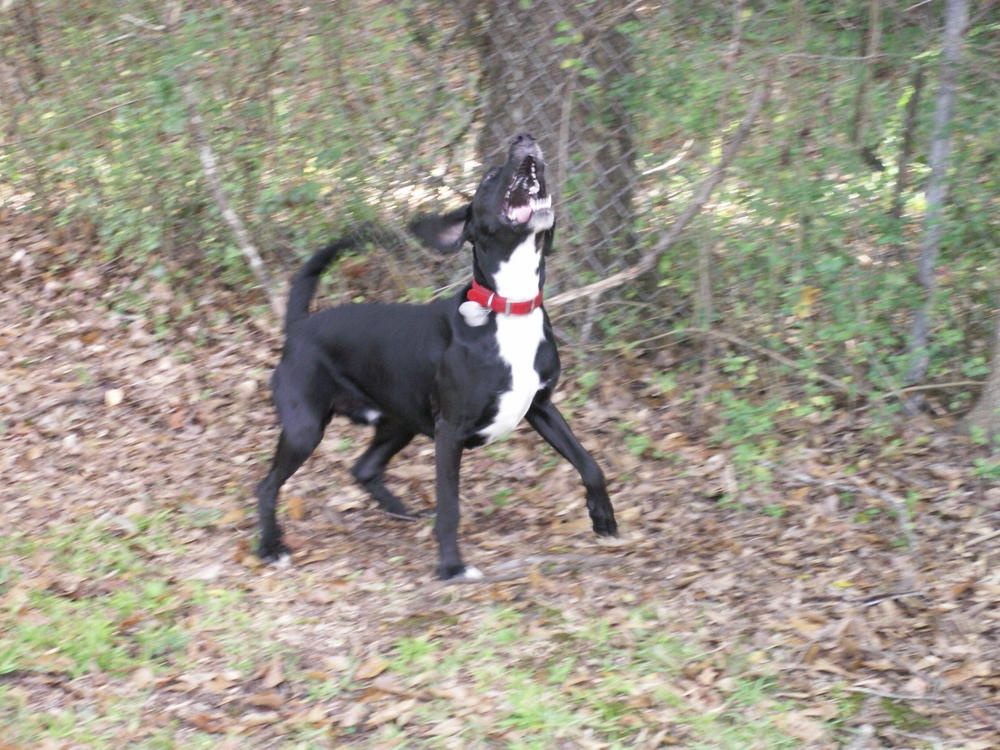
When you see a good Stephens’ Stock Cur in motion, the impression is efficiency. The UKC describes a smooth, effortless gait with good reach in front and strong driving power behind, and a body designed for stamina.2
Common features include:
- Short, close coat with a dense undercoat that suits outdoor work.2
- Drop ears set high, and a medium length tail carried straight, set low.2
- Black coat colour, with white markings permitted so long as the dog is not more than one-third white under the UKC standard.2
If you are looking at a pup, it is wise to focus less on “prettiness” and more on soundness: clear eyes, comfortable movement, and a temperament that matches your plans for the dog.
Temperament in real homes: bright, driven, and not always “easy”
Descriptions of Stephens dogs often highlight intelligence, trainability, and work ethic. The UKC standard emphasises a fast, hard hunter with strong treeing instincts, and notes that being open or semi-open on track is preferred, although silent trailing is acceptable.2
In everyday life, that working drive can show up as:
- High activity needs, especially in young adults.
- Strong interest in scents and moving wildlife.
- A tendency to self-occupy if bored, which can look like digging, pacing, escaping, or inventing “jobs”.
If you live with children or other animals, management and early training matter more than breed slogans. Many dogs can live safely in busy households, but a quick, prey-driven dog needs thoughtful boundaries and supervision, particularly around smaller pets and fast-moving play.
Training and exercise: meeting the dog where it is
Stephens Stock Dogs tend to do best with training that is practical, consistent, and rewarding. For most dogs, reward-based training builds reliable behaviour and a calmer working relationship, and it reduces the fallout you can get from harsh corrections, especially in sensitive or high-drive dogs.6
Exercise needs are not just about kilometres. These dogs often benefit from a mix of movement and problem-solving, such as:
- Long-line sniff walks (structured freedom, safer than off-lead in high wildlife areas).
- Recall games and impulse-control work around distractions.
- Dog sports that suit scenting and agility, if you have access and interest.
A useful aim is a dog that can switch between “go” and “settle”. You build that with routine, sleep, enrichment, and training that teaches calmness as a skill, not just as the absence of activity.
Health and preventative care: what to watch, what to plan for
Any individual dog can develop health problems, and rarer working breeds often have less large-scale published health data than popular pedigree breeds. The practical approach is to work closely with your vet on preventative care and to choose breeders who can explain their selection decisions clearly.
For routine prevention, vaccination guidance is best tailored to your location and lifestyle. The WSAVA guidelines outline principles for core and non-core vaccines, and the AAHA canine vaccination guidelines provide a detailed framework commonly used in practice, including updates that designate leptospirosis vaccination as core for most dogs that go outdoors.7, 8, 9
For joint and general health, keeping your dog lean is one of the most meaningful long-term protections you can offer. Excess weight increases stress on joints and can worsen mobility over time.5
Grooming and coat care: simple, but not “no maintenance”
The Stephens’ Stock Cur has a short coat that is generally straightforward: a weekly brush is usually enough to remove dead hair and check skin condition. During seasonal shedding, a slightly more frequent brush can help keep hair under control.
Basic maintenance still counts:
- Nails kept short enough to avoid altering gait and posture.
- Ears checked regularly, especially if the dog is in scrub, water, or dusty ground.
- Teeth cared for at home where possible, because dental disease is common in dogs and tends to creep up quietly.10
Feeding and body condition: supporting an athlete
Most Stephens Stock Dogs thrive on a complete and balanced diet suited to their age and workload. If your dog is genuinely working or training hard, your vet may suggest adjusting calories, protein, and meal timing, but there is rarely a need for trendy extremes.
Two small habits make a big difference:
- Track body condition, not just weight. You should be able to feel ribs with light pressure and see a waist from above.
- Go easy on extras. Treats, chews, and “toppers” add up faster than most people expect.
Living with a Stephens Stock Dog: who they suit best
This breed tends to suit people who like training, enjoy being outdoors, and can offer structure. A large yard helps, but it is not a substitute for interaction. Many high-drive dogs are still unsettled if their days are empty.
You will usually be happiest with this breed if you can offer:
- Daily purposeful activity, not just a quick lap of the block.
- Secure fencing and a plan for wildlife distractions.
- Time for training that is calm and consistent.
If you need an easygoing, low-exercise companion, it is kinder to choose a breed or individual dog whose instincts are a better match. That is not a judgement on the Stephens Stock Dog. It is simply respect for what the dog was made to do.2
References
- Wikipedia: Stephens Stock
- United Kennel Club (UKC): Breed Standards for Stephens’ Cur (Stephens’ Stock Cur)
- Continental Kennel Club (CKC): Stephens Stock breed information
- American Veterinary Society of Animal Behavior (AVSAB): Position statements (training and behaviour)
- WSAVA: Global Nutrition Guidelines (body condition and feeding guidance)
- RSPCA Australia: What are the most effective dog training methods?
- WSAVA: Vaccination Guidelines
- AAHA: 2022 Canine Vaccination Guidelines (updated in 2024)
- AAHA: Update on leptospirosis vaccination being designated core (published 3 January 2025)
- RSPCA Australia: Your dog’s dental health