

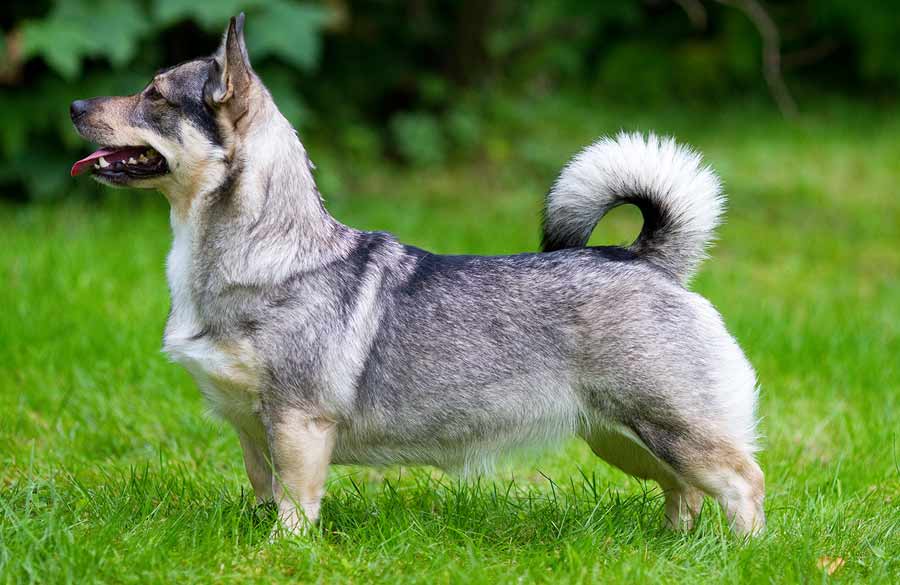
- Breed category: Herding (working spitz type)
- Country of origin: Sweden
- Average height: Dogs 33 to 35 cm, bitches 31 to 33 cm1
- Average weight: About 11.5 to 16 kg1
- Average lifespan: Commonly 12 to 15 years (some lines may live longer)2
- Grooming requirements: Moderate, regular brushing, heavier seasonal shed
- Exercise requirements: High, daily physical and mental work helps
- Coat type: Double coat, harsh topcoat with soft undercoat1
- Coat colours: Grey and red shades with characteristic lighter markings, white permitted but limited1
- Ear type: Erect
- Tail type: Naturally variable, including bob tail or full tail1
- Temperament: Friendly, active, eager to please1
- Intelligence: High, learns quickly, benefits from variety
- Barking tendency: Often vocal as an alerting and working habit
- Children: Often good with sensible handling and supervision
- Other pets: Often good with early socialisation and management
- Common health considerations: Hip dysplasia and inherited eye disease (including breed associated retinopathy)3, 4
- Dietary needs: Balanced diet, watch weight in a clever, food motivated dog
- Apartment friendly: Possible if daily exercise and enrichment are non negotiable
- Original purpose: Farm and droving work, including moving cattle
You might first notice a Swedish Vallhund because it looks a bit like a small wolf crossed with a Corgi, then you hear the confident little bark that seems far larger than the dog. People often meet one at obedience, agility, or on a busy walking track, where the Vallhund is moving with purpose, watching everything, and checking in with its person.
It is easy to assume that a smaller herding dog will be “easy” in a modern household. The Vallhund can live happily in suburban life, but it tends to do best when its working brain is taken seriously. Daily outlets for movement, sniffing, learning, and a bit of problem solving are what turn the breed’s energy into something steady and enjoyable.
When those needs are met, you get a companion that is bright, social, and surprisingly adaptable. When they are not, the same traits can show up as restlessness, noise, and that familiar herding dog habit of trying to organise everyone’s movement through the house.
Where the Vallhund comes from, and why it still matters
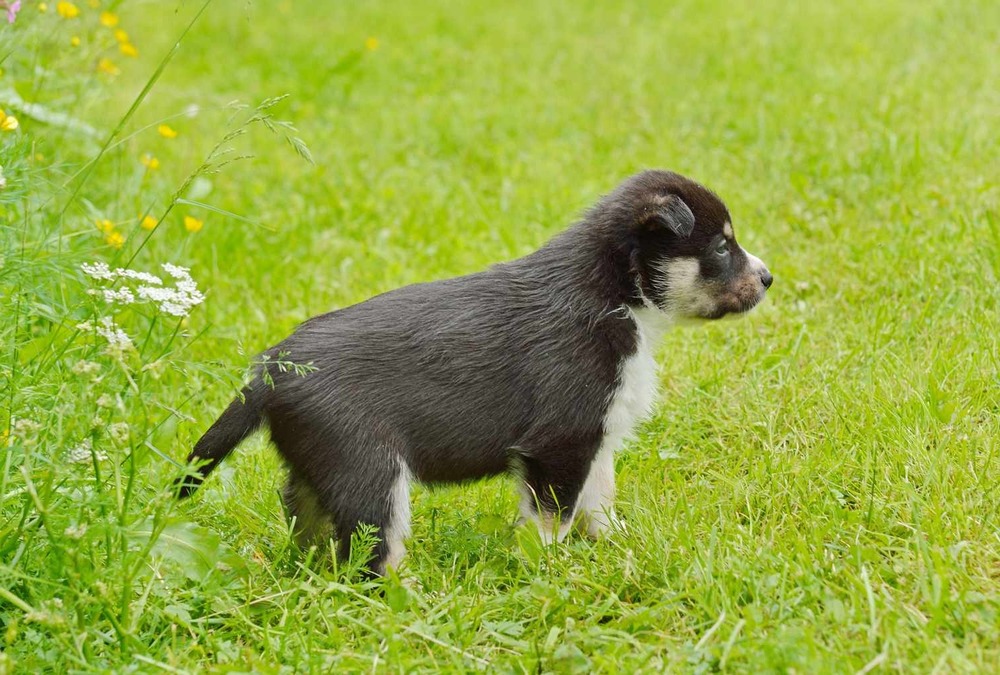
The Swedish Vallhund (Västgötaspets) is a long established farm dog from Sweden, traditionally used to move cattle and guard the property. The name “vallhund” translates to herding dog, which is a useful clue to what the breed still carries in its bones: forward drive, quick reactions, and a strong interest in motion and patterns.
There is a popular belief that Vallhunds and Welsh Corgis are closely linked, and you will still see that comparison made today. It is plausible, but the exact lineage is not settled in a way that helps day to day ownership. What does matter is that these dogs were shaped by practical work, and they still tend to prefer a life that includes tasks, not just laps.
Preservation in the 1940s
Like many working breeds, the Vallhund’s numbers fell sharply as farming changed. In the early 1940s the breed was close to disappearing, then was revived through the efforts of Count Björn von Rosen and K. G. Zettersten, alongside careful breeding and publicity. Swedish Kennel Club recognition followed in 1943, which helped stabilise type and keep the breed on the map.5
Temperament and behaviour in real homes
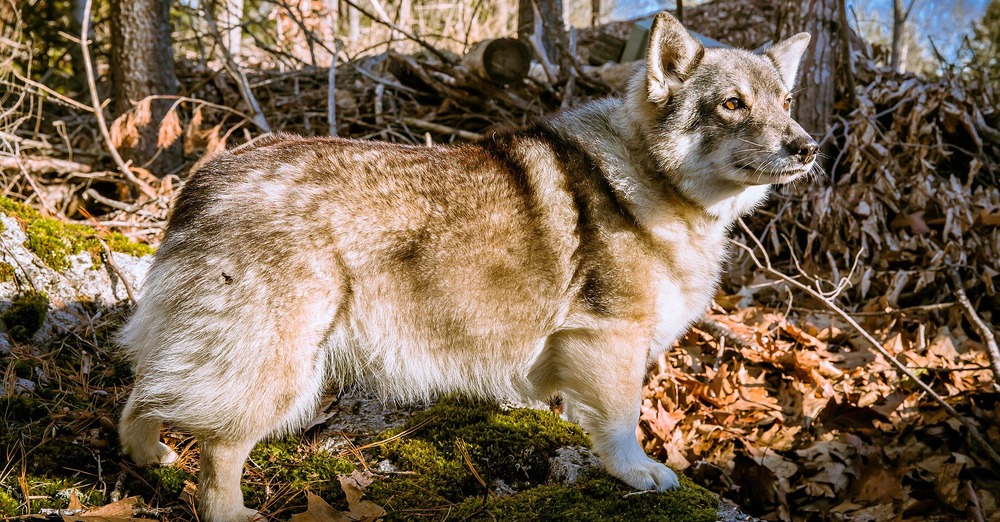
Vallhunds are often described as friendly and eager to please, and that is broadly true. They also tend to be observant, quick to respond, and ready to “say something” about whatever is happening in the environment. Vocal alerting is not always a training failure, it can be a default setting in a dog bred to notice, report, and control movement.
In practice, the Vallhund that settles well is usually the one whose day includes both exercise and thinking. They are often at their best with a predictable routine, clear boundaries, and plenty of small interactions that make them feel involved, such as training games, scent work, or structured play.
With children, they are often playful and robust, but they can also be quick and nippy if arousal runs high. That is not “badness”, it is herding behaviour showing up in a family context. Management, supervision, and teaching kids calm, respectful handling makes a meaningful difference.
Body, coat, and the “Corgi-like” outline
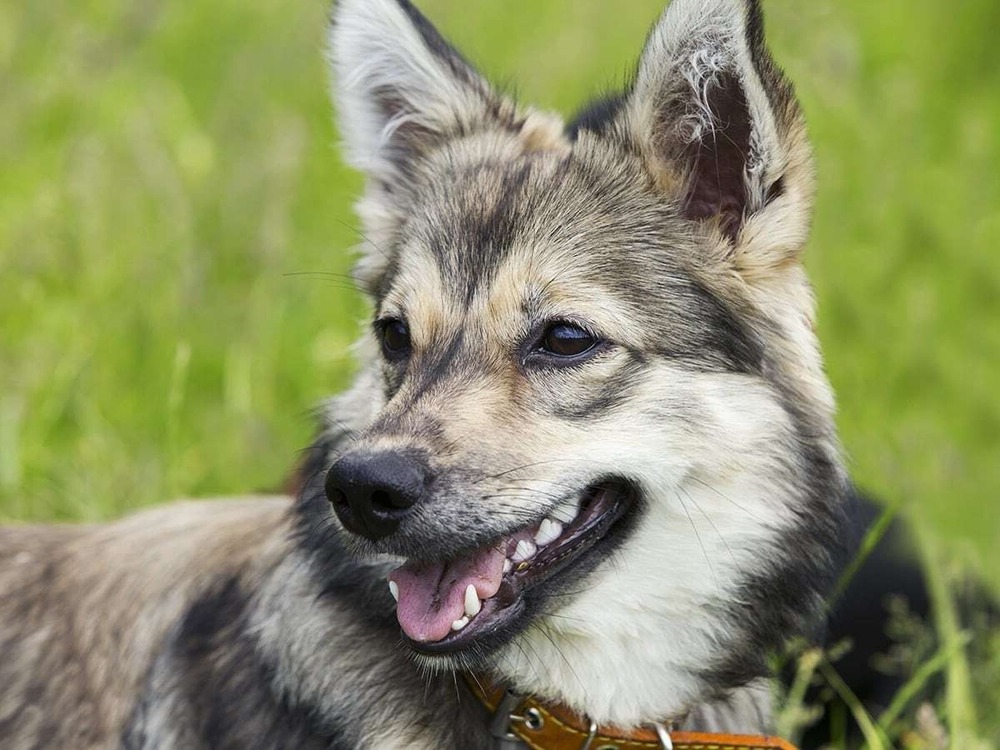
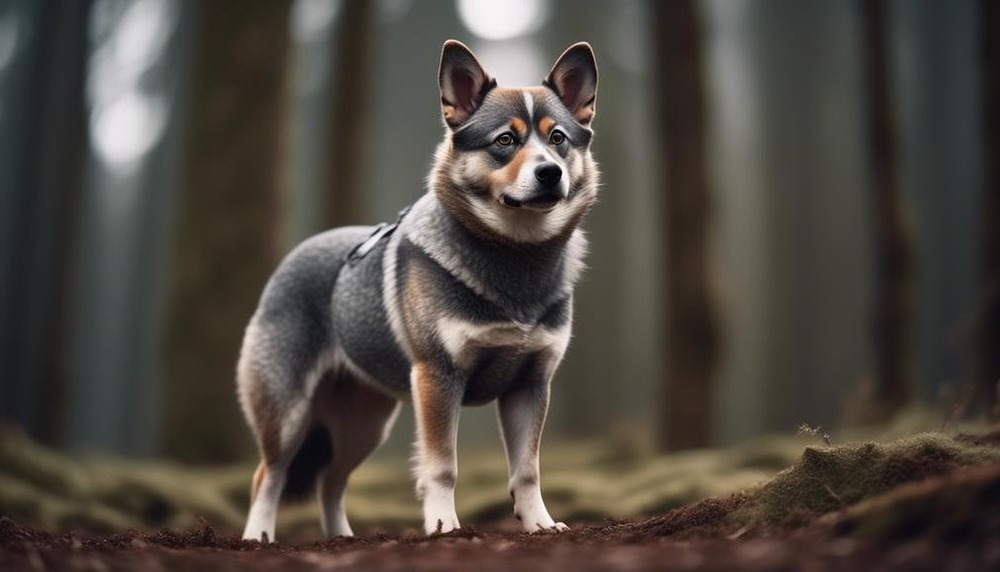
The breed standard describes a small, powerful working dog with a fairly long body (height to length around 2:3), prick ears, and a weather resistant double coat.1 The overall impression should be alert and capable, built for work rather than ornament.
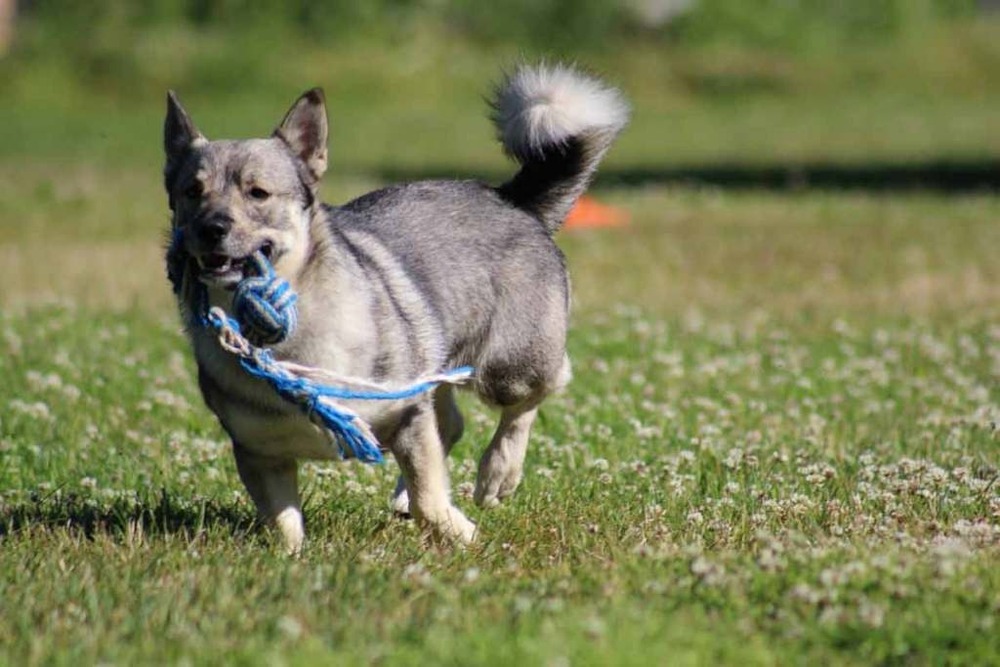
Coat colours typically sit in grey and red ranges, often with lighter areas and distinct “harness” style markings. Tails vary naturally, from bobbed to full length, depending on genetics and the individual dog.1
That longer back and shorter leg combination is part of the charm, but it is also a reminder to keep fitness sensible. Strong, controlled movement, a lean body condition, and gradual conditioning are your friends, especially in adolescence.
Training and exercise that suits the Vallhund brain
Most Vallhunds learn quickly, but they do not always repeat behaviours just because you asked nicely yesterday. They tend to respond best to positive reinforcement, clear feedback, and sessions that stay short enough to hold attention.6
Exercise is not only about kilometres. A Vallhund that gets a long walk but no chances to sniff, make choices, or practise skills can still come home “wired”. Conversely, a shorter walk paired with training, sniffing, and a few bursts of play can be surprisingly settling.
If you are building a weekly rhythm, these usually help:
- Daily movement, such as brisk walks plus off lead time where safe and legal.
- Short training sessions, including recall, loose lead walking, and calm greetings.
- Enrichment that uses the nose, such as scatter feeding, food puzzles, or scent games.
- A sport outlet if it suits your household, such as agility, obedience, rally, tracking, or herding style training.
Health considerations and sensible prevention
Swedish Vallhunds are often described as hardy, but there are a few issues worth keeping on your radar. Hip dysplasia is seen in many active breeds, and inherited eye disease is an important consideration in Vallhunds. Breed associated retinopathy has been studied in the Vallhund and can progress slowly, with onset and severity varying between dogs.3, 7
If you are buying a puppy, it is reasonable to ask what health testing the parents have had. For Vallhunds, that often includes hip evaluation and ophthalmology examination, and in some regions a DNA test for Vallhund retinopathy is recommended by breed bodies.4 Not every test guarantees outcomes, but transparent health results are a good signal that a breeder is thinking beyond the current litter.
For day to day care, the basics still do a lot of work: staying lean, keeping teeth and ears monitored, using appropriate parasite control, and having regular veterinary check ups that match your dog’s age and lifestyle.8
Grooming and coat care without overdoing it
The Vallhund has a practical double coat designed for weather. It tends to shed year round, then more heavily in seasonal “blow” periods. A thorough brush once or twice a week suits many dogs, increasing frequency during heavy shed. The goal is not perfection, it is comfort, skin health, and keeping loose undercoat moving out.
Bathing can be occasional. Too much shampooing can dry the skin and coat, particularly if you are also brushing hard during shedding periods. Regular nail trims and a quick ear check are part of keeping an active dog comfortable, especially if it spends time on different surfaces and in long grass.
Food, weight, and the athletic little body
Vallhunds often enjoy their food, and many are smart enough to negotiate for extra. Keeping them lean matters because extra weight adds load to joints and can reduce ease of movement over time. If you are unsure, your vet can help you assess body condition and adjust portions gradually.
A balanced diet that suits your dog’s life stage and activity level is usually the right starting point. If you are training a lot, use part of the daily ration as rewards rather than endlessly adding extras. Portion awareness is one of the simplest ways to support long term mobility.
Living with a Swedish Vallhund, who it suits best
The Swedish Vallhund is often a great match for people who enjoy training, walking, and having a dog that feels like a real participant in daily life. They can do well in apartments, but only when their needs are planned for rather than hoped for. If your household is sensitive to noise, it is worth taking the breed’s vocal tendencies seriously before you commit.
For the right person, the Vallhund is an engaging, capable companion with a big work ethic packed into a small frame. The breed tends to shine when you treat it like a herding dog first, and a cute one second.
References
- Dogs Australia (ANKC), Swedish Vallhund breed standard
- PetMD, Swedish Vallhund: Health and Care
- University of Helsinki (Lohi Research Group), Swedish Vallhund retinopathy research overview
- American Kennel Club, Herding group health testing requirements (includes Swedish Vallhund)
- Wikipedia, Swedish Vallhund (history and revival notes)
- RSPCA Australia, Best ways to train your dog
- PLOS ONE (2014), A Novel Form of Progressive Retinal Atrophy in Swedish Vallhund Dogs
- Australian Veterinary Association, Vaccination of dogs and cats
- Dogs NSW, Swedish Vallhund breed standard (NSW affiliate)