

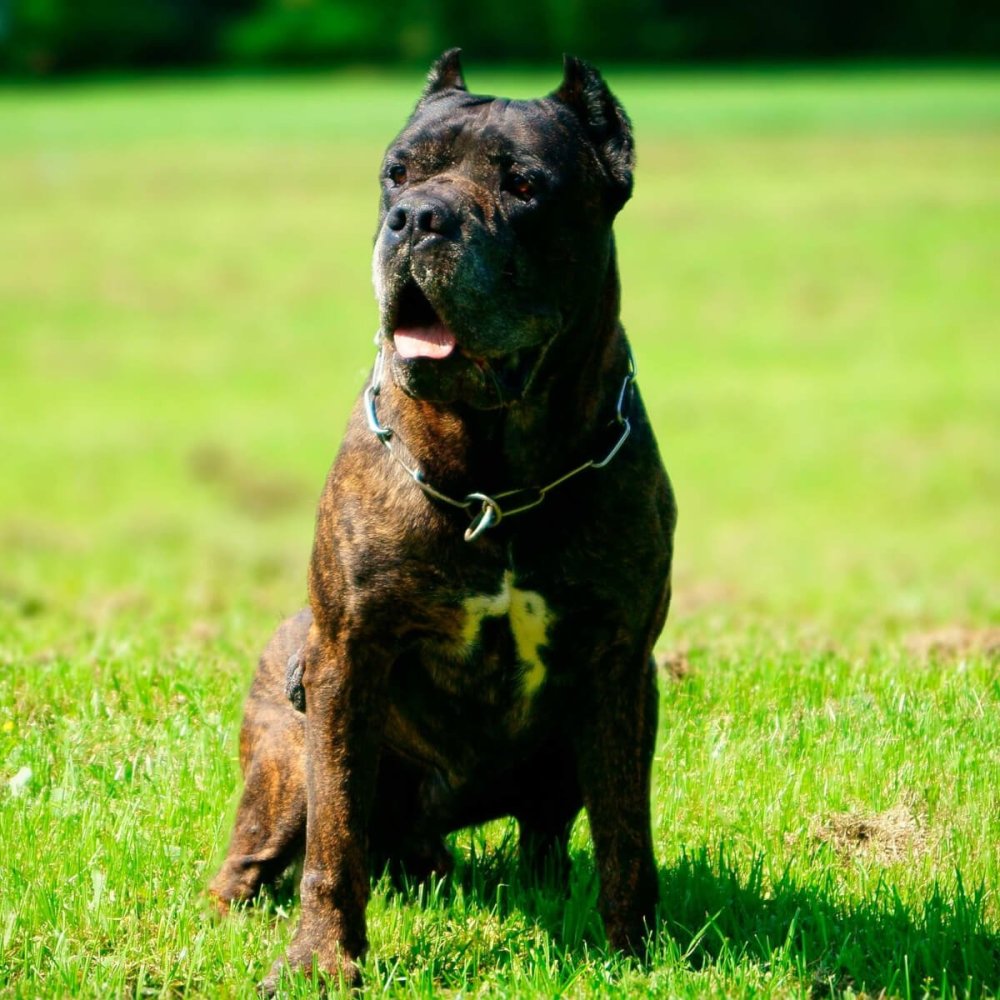
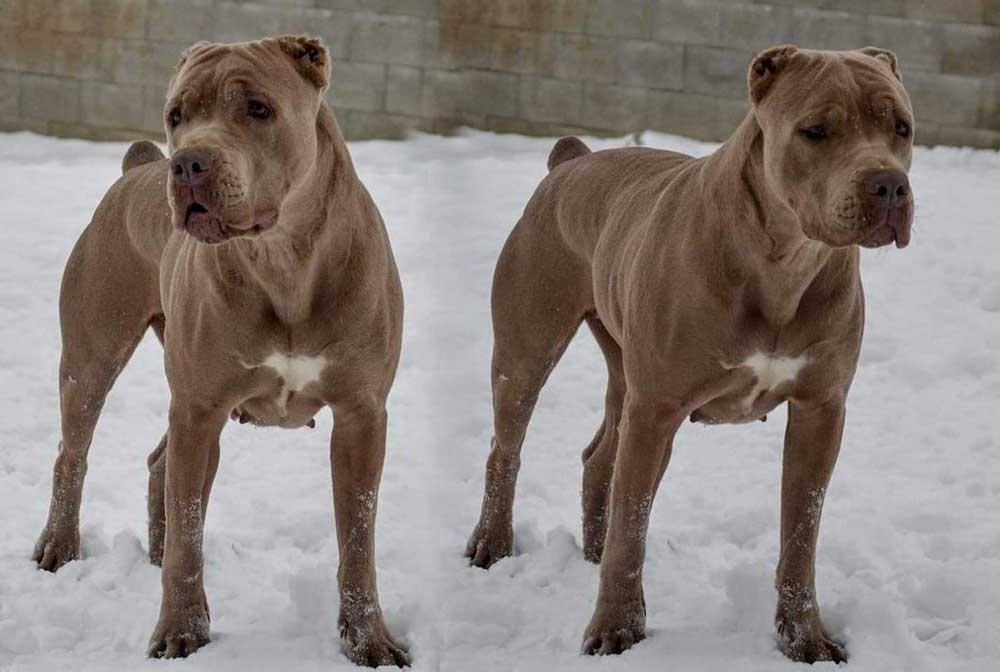
You might come across the name “Swinford Bandog” in a conversation about powerful guard dogs, in a social media thread, or after spotting a muscular, mastiff-type cross and wondering what it actually is. Sometimes people use the term as if it is a formal breed. Other times it is shorthand for a particular style of dog: large, strong, purpose-bred for protection work, and not especially forgiving of casual ownership.
What makes this topic tricky is that “bandog” has a long history as a type of working guardian, not a single, consistently defined pedigree. That means you can hear the same label used for dogs with quite different ancestry, size, and temperament. In day-to-day life, that difference matters because training needs, legal responsibilities, and safety planning depend on the individual dog in front of you, not the name someone has given it.
The notes below use “Swinford Bandog” in the way it is most commonly used online: a modern bandog concept associated with the late Dr John Swinford, and with mastiff-type dogs crossed with bulldog or terrier-type working lines for guarding. Where details are uncertain or vary, they are treated with care.
Quick profile at a glance
If you are trying to place the “Swinford Bandog” idea in your head, it helps to think in terms of function and management rather than a neat breed standard.
- Category: Working protection-type dog (often described as a bandog)
- Typical build: Large, muscular, athletic, short-coated
- Energy and needs: High exercise needs, strong handling and training needs
- Best fit: Experienced owners with secure housing and a clear plan for training, enrichment, and safety
- Common health themes: As with many large dogs, orthopaedic issues can be a concern, and skin sensitivity can occur
What “bandog” means, and where Swinford fits
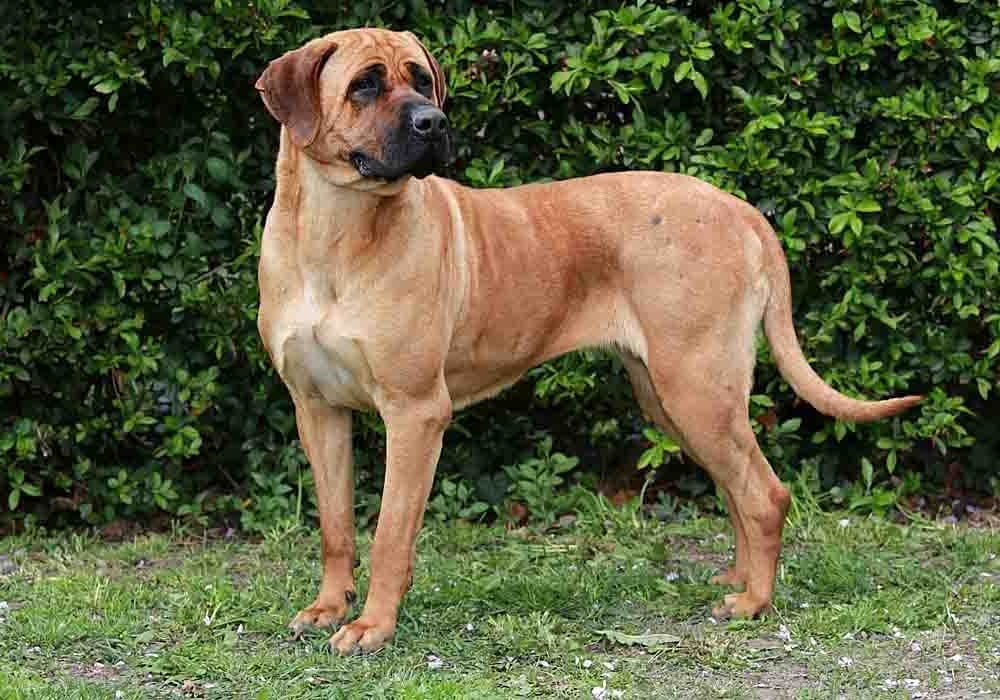
The word “bandog” (or “bandogge”) is older than most people expect. Historically it described a large guard dog kept “on band”, meaning tethered or restrained during the day and used to protect property, rather than a single, fixed breed.1
In modern usage, “bandog” often points to a deliberate cross of guarding mastiff-types with more athletic catch-dog or bulldog-type lines, aiming for a dog that is powerful, responsive, and able to do protection work. That goal is very different from breeding for predictable appearance or a show ring standard.
The “Swinford Bandog” label is commonly linked to American veterinarian Dr John Swinford and a protection-dog breeding project around the 1960s, which was reportedly cut short by his death in 1971.1 The practical implication is simple: if you are looking at a dog advertised under this name, you should expect variation between individuals, and you should verify parentage, health testing, and temperament in the dog itself.
Is it a recognised breed?
People often assume that if a dog has a “breed name”, it must be formally recognised by major kennel bodies. Many bandog-type dogs are not recognised as a distinct pedigree breed in the way common purebreds are, and recognition processes usually require established populations, pedigrees, and a clear standard.2, 3
Temperament in real homes
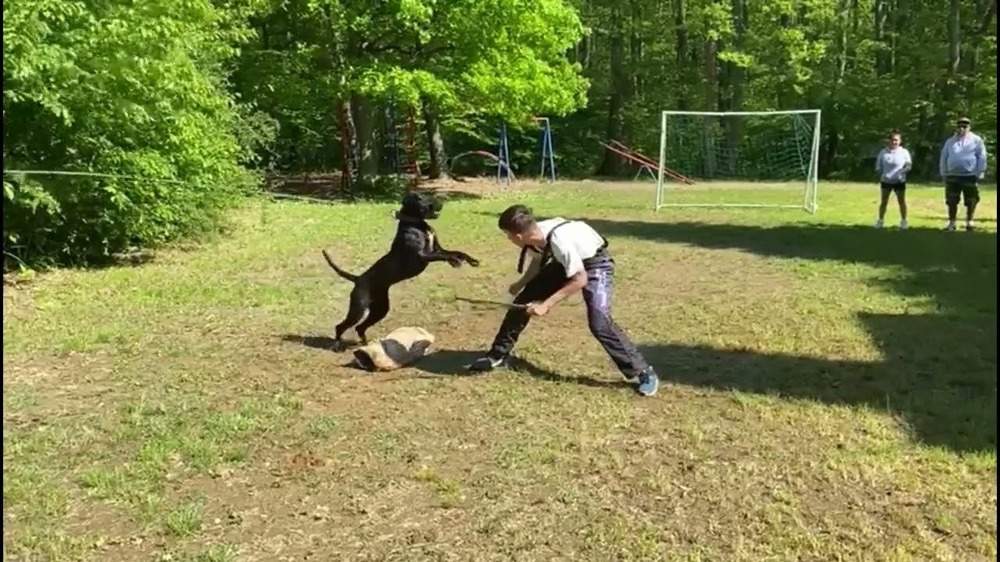
When people are drawn to bandog-type dogs, it is often because they want a dog that looks imposing and feels steady around the home. The best of these dogs can be calm and settled with their own people, especially when their daily routine includes training, exercise, and clear boundaries.
It is also where the risks sit. A dog selected for guarding can have a lower margin for error if it is under-socialised, poorly handled, or placed in a busy environment that constantly pushes it over threshold. For families, that does not automatically mean “unsafe”, but it does mean you need to plan for management: secure fencing, thoughtful introductions, and the ability to separate the dog when needed.
If you are assessing suitability, focus less on claims like “great with kids” and more on practical questions such as: Can you confidently handle a large, strong dog on lead? Can you keep visitors safe and comfortable? Do you have time every day for training and decompression, not just exercise?
Training and socialisation that actually works
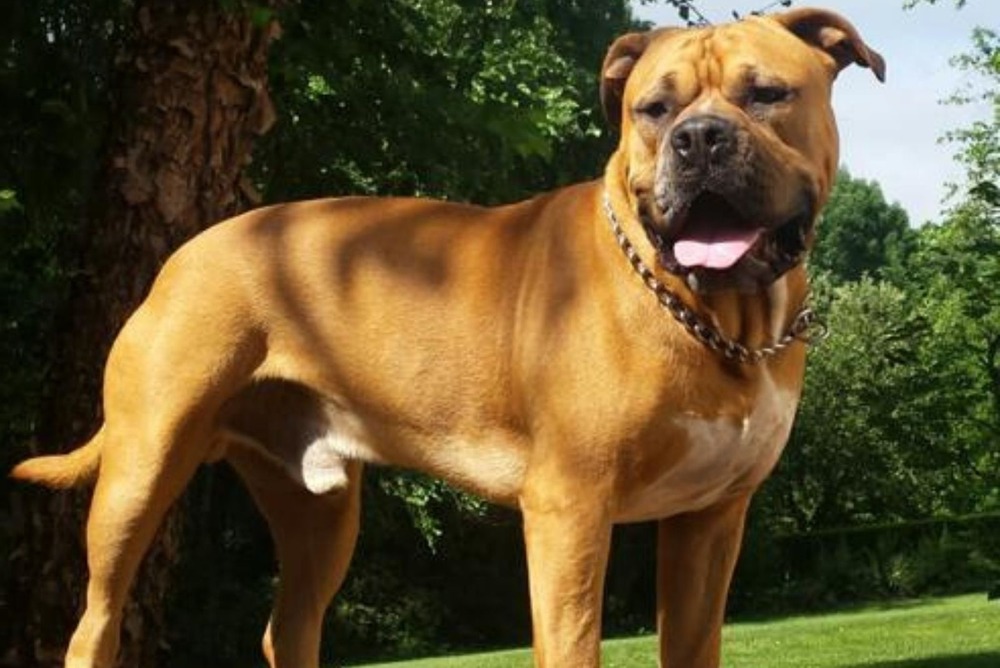
For any large guarding-type dog, training is not a “nice to have”. It is part of safe ownership. Most trainers will prioritise foundational behaviours that make everyday life manageable: calm lead walking, a reliable recall in appropriate areas, a place cue, and polite greetings.
Socialisation is often misunderstood as “meet everyone”. In practice it is better described as learning the world is safe, built through carefully controlled exposures that stay on the right side of fear. Veterinary behaviour guidance commonly highlights the first months of life as a key window for social development, and it supports early, safe socialisation before full vaccination is complete, done sensibly with your vet’s advice.4, 5
Helpful priorities include:
- Neutral exposures to people, hats, prams, bicycles, and different surfaces, without forcing interaction.
- Short sessions that end while the pup is still relaxed and engaged.
- Rewarding calm observation, not just “being brave”.
- Early handling practice for ears, paws, and gentle restraint, so vet visits are easier later.
A note on “dominance” and harsh methods
Owners sometimes reach for heavy-handed techniques when a big dog feels intimidating. Behaviour science groups have repeatedly tried to clarify that simplistic “dominance” framings can mislead owners and can worsen outcomes when they encourage confrontation instead of skilled training and management.6
Exercise, enrichment, and living setup
Most bandog-type dogs need daily physical activity, but the more important piece is often structured mental work. A long walk helps, but so does scent work, tug with rules, obedience games, and learning to settle. Many problems that look like “stubbornness” are really under-stimulation, inconsistent boundaries, or an environment the dog is not prepared for.
These dogs are usually not a great match for apartment life unless the owner is unusually organised and experienced, and the building setup allows safe handling in shared spaces. Secure fencing and safe separation options inside the house matter just as much as yard size.
Health themes to watch for
Large, muscular dogs can be prone to orthopaedic problems, and hip dysplasia is a common concern discussed across many big breeds and crossbreeds. It can develop due to abnormal joint formation, with severity influenced by both genetics and environment, including factors like growth rate and exercise management.7
If you are sourcing a puppy, ask what screening has been done and what records you can see. Even outside formal breed registries, responsible breeders can still do meaningful health checks.
Skin irritation and allergies also show up fairly often in short-coated, bully or mastiff-type dogs. If itching is persistent, it is worth a proper veterinary work-up rather than endless shampoo changes, because diet, parasites, infection, and environmental allergies can look similar at home.
Feeding, growth, and body condition
For big dogs, nutrition is not about “more protein” so much as appropriate calories, a complete and balanced diet, and keeping the dog lean. Excess weight is one of the quiet factors that can make joint problems harder to live with over time.
If you are choosing a commercial food, look for diets that meet recognised “complete and balanced” standards, and work with your vet if your dog is growing rapidly or putting on weight easily. Global veterinary nutrition guidance also emphasises that the best diet is one that is appropriate for the individual animal and backed by good quality control, not just marketing.8
Responsible ownership, desexing, and local rules
Because bandog-type dogs can attract attention, it is worth being proactive about your responsibilities. In many parts of Australia, desexing requirements and council policies vary by state and by local government area. If you are unsure what applies where you live, check the rules that apply to your council and state, then discuss timing and individual health considerations with your veterinarian.9
If you are deciding on desexing age for a large or giant dog, you may hear different recommendations. Some Australian animal welfare and veterinary sources note that desexing can be performed safely at younger ages, while some clinics also discuss delaying in larger dogs based on growth and orthopaedic considerations. Your vet is best placed to weigh up your dog’s size, development, behaviour, and household management needs.10
Living with a Swinford Bandog type dog
At their best, these dogs are steady, capable companions for people who genuinely enjoy training and who think carefully about management. At their worst, they are placed with owners who wanted a shortcut to security and ended up with a dog they cannot safely handle.
If you are considering one, it is sensible to treat the label as a starting point, not a guarantee. Ask for evidence, meet the parents if possible, and look for a dog that shows clear, stable nerves in everyday situations. A good guard dog is not the one that is “ready to go” all the time. It is the one that can relax, take guidance, and respond predictably when it matters.
References
- Wikipedia (Portuguese): Bandog (history and modern bandog concept, including John Swinford)
- United Kennel Club (UKC): Breed Recognition
- The Kennel Club (UK): Imported Breed Register Policy (recognition applications)
- American Veterinary Society of Animal Behavior (AVSAB): Puppy Socialization Position Statement (PDF)
- American Kennel Club: Puppy socialization starts with the breeder (socialisation period overview)
- AVSAB: Position Statements and Handouts (including Dominance Position Statement)
- Orthopedic Foundation for Animals (OFA): Hip Dysplasia
- World Small Animal Veterinary Association (WSAVA): Global Nutrition Guidelines
- RSPCA Knowledgebase: Is desexing mandatory for cats and dogs? (Australia)
- RSPCA Pet Insurance: When should a dog be desexed?