

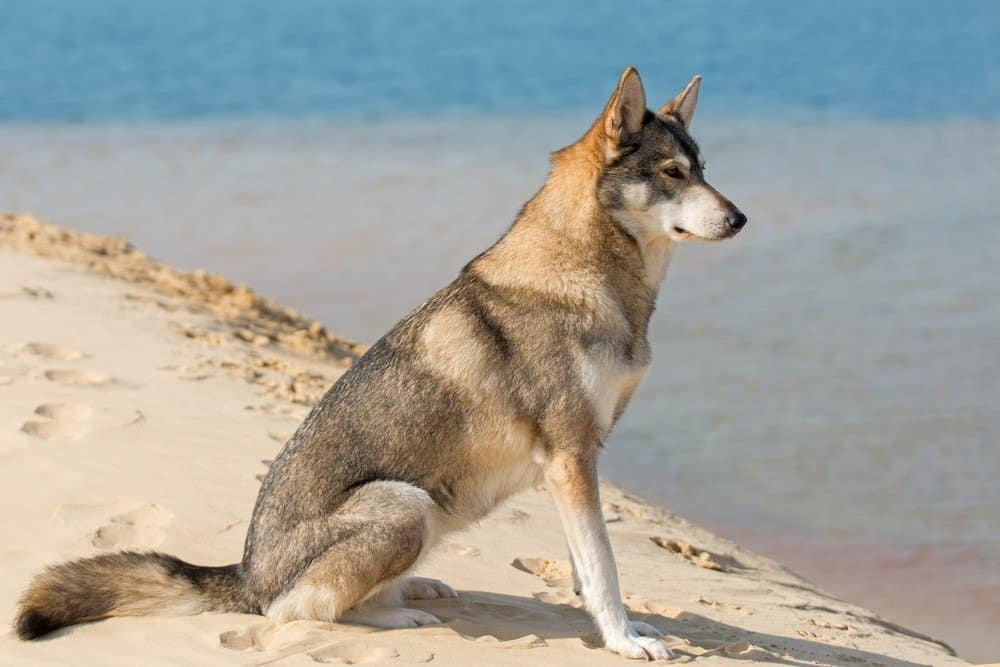
You usually meet a Tamaskan the same way you meet most “wolf-like” dogs, from a distance first. Someone is walking a tall, grey dog with a steady, alert outline, and people pause because it looks a bit like wildlife has wandered into the suburbs. Then the dog turns, takes in what is happening, and you realise it is very much a domestic dog, just built and marked in a way that catches the eye.
That contrast is part of the Tamaskan’s appeal, and also where misunderstandings start. Some people assume “wolfy-looking” means wild, hard to live with, or part wolf. Others go the other way and imagine the look comes with an easy-going, low-maintenance personality. In practice, Tamaskans tend to sit somewhere more interesting: often social, trainable and people-focused, but still a working-type dog that needs thoughtful routines, good enrichment, and owners who enjoy being active.
If you are considering a Tamaskan, or simply trying to understand one you have met, it helps to look past the aesthetics. Energy, structure, heat tolerance, and training are what shape day-to-day life with this breed, far more than the wolf resemblance.
- Breed type: Working and endurance-focused companion
- Often described as originating: Finland (development also linked to UK foundation lines)1
- Typical size: Medium to large, athletic build (individual dogs vary)
- Coat: Dense double coat, seasonal shedding
- Commonly discussed health considerations: Hip dysplasia and seizure disorders (not every dog, but worth planning for)6, 7
Where the Tamaskan came from, and why the history can sound confusing
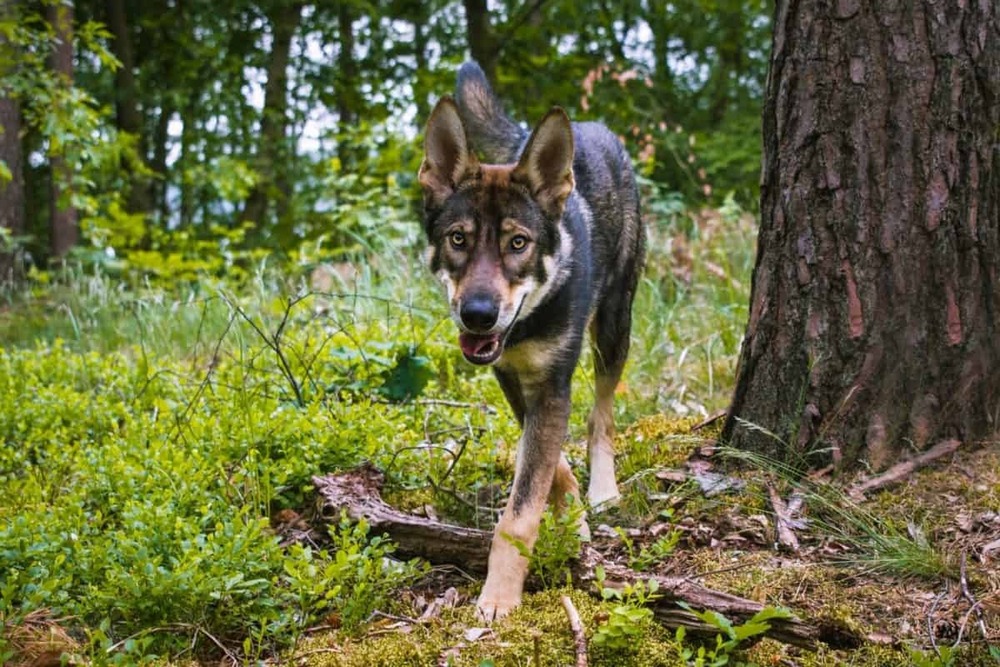
Unlike long-established breeds with a single kennel club story, the Tamaskan is relatively recent, and its early development is described through registries and breed communities rather than a single international authority. Broadly, the Tamaskan was developed with the aim of producing a dog with a wolf-like appearance and practical working ability, using northern and sled-type dogs and other breeds in its foundation stock.1, 2
Most accounts link major development work to Finland in the early 2000s, with the Tamaskan Dog Register established in 2006 to record pedigrees and set breeding rules and health requirements.2, 3 If you come across different timelines online, it is usually because people are referring to related “wolf-look” breeding programs and names that existed before “Tamaskan” became the label used for this particular registry and type.
One practical point matters for owners: recognition varies by organisation. Tamaskans are not recognised by the FCI, and they are not an AKC-recognised breed. Some rare breed organisations do recognise them, and registries manage standards and records.1, 2
Appearance, coat, and the traits people notice first
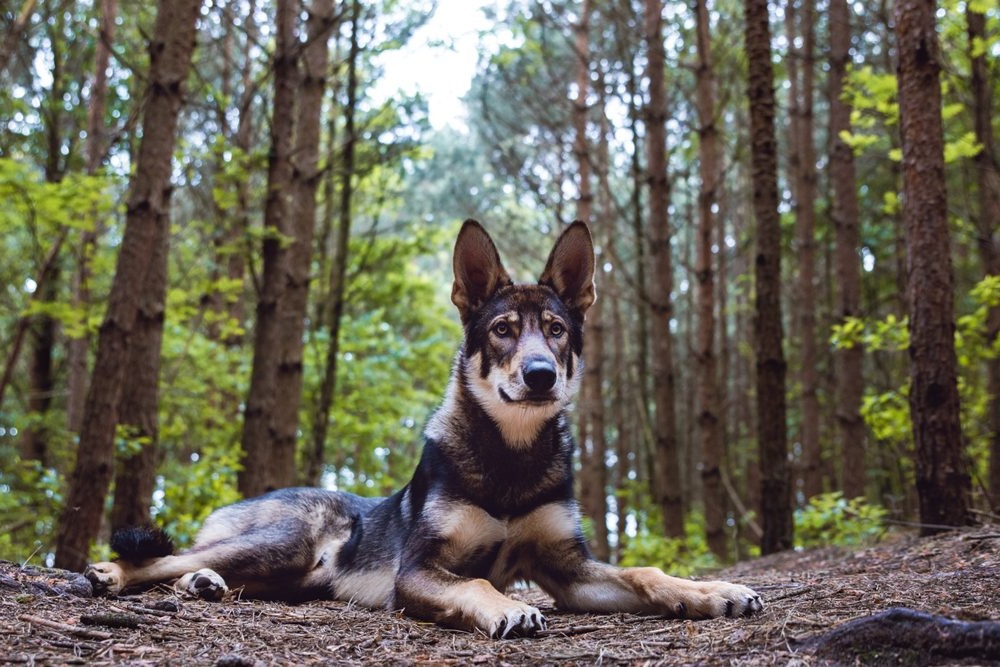
In person, a well-bred Tamaskan tends to look athletic rather than bulky, with a balanced outline, erect ears, and a thick double coat designed for cold conditions. Coat colours are commonly described in wolf-grey, red-grey, and black-grey tones, often with facial markings that read as “wolf”.1
The double coat is functional, but it changes the home routine. Expect shedding, especially seasonally, and plan grooming as an ordinary part of life rather than an occasional tidy-up. Coat care is mostly about consistency, not complexity, and it is easiest when introduced early and kept calm and predictable.
Because they can look intense or “serious”, Tamaskans are sometimes mistaken for wolfdogs. Breed sources and general overviews commonly describe Tamaskans as selectively bred dogs rather than animals with recent wolf ancestry, but the key point for households is simpler: regardless of the look, they should be managed like active domestic dogs with training, boundaries and appropriate outlets.1
Temperament and suitability, what tends to work well, and what can trip people up
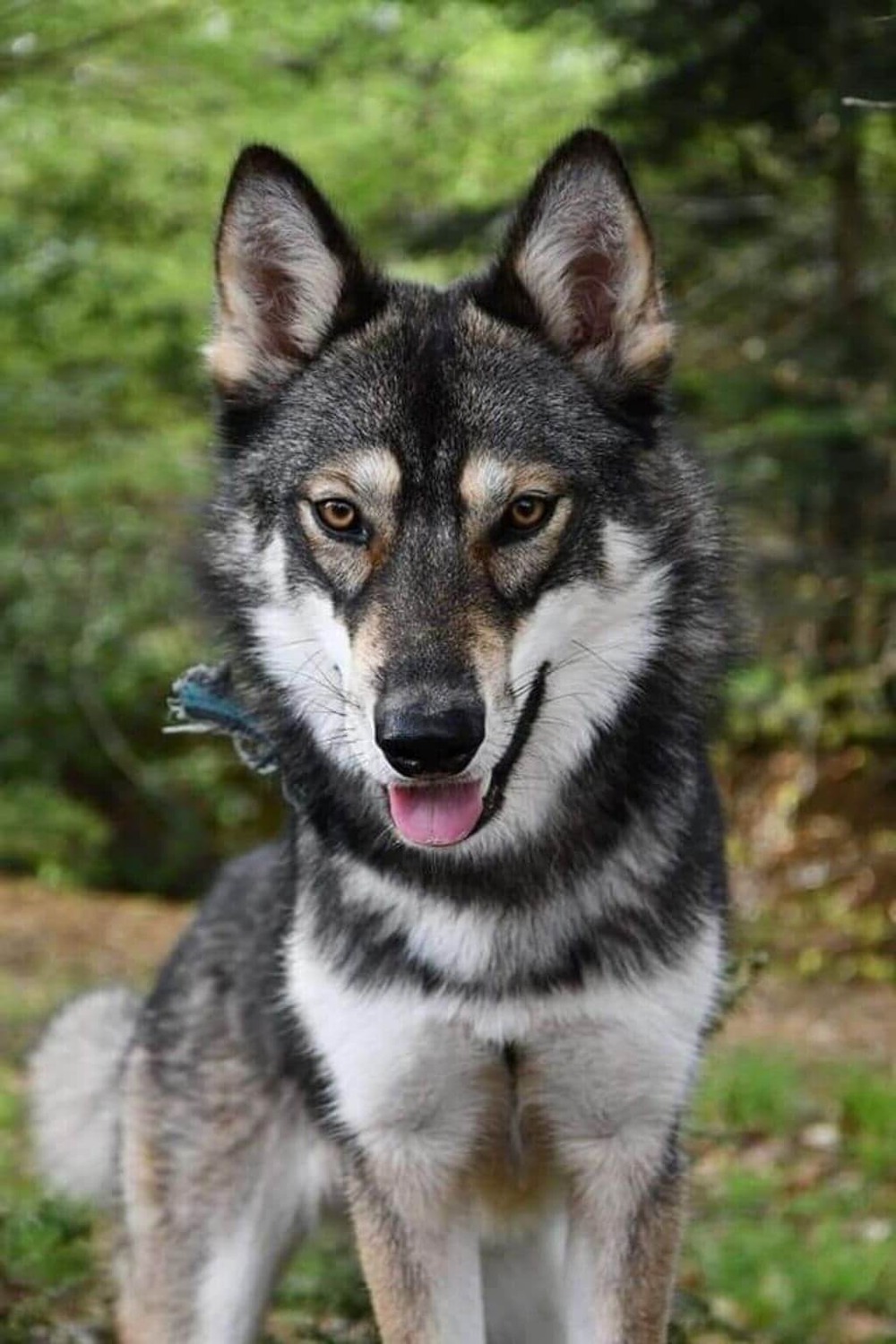
Many Tamaskans are described as friendly, social and intelligent, often enjoying human company and learning quickly with reward-based training. Breed standards and registry descriptions typically emphasise a stable, non-aggressive temperament.4
Where households sometimes struggle is not “bad behaviour” so much as mismatched expectations. A Tamaskan that does not get enough exercise, enrichment, and social contact may become restless or noisy, or develop habits that look like stubbornness. In reality, it is often a working-type dog trying to fill long hours with something, anything, that feels purposeful.
They suit people who like doing things with their dog: hiking, running (once mature), scent games, obedience, canicross-style activities, and any routine where the dog gets both movement and problem-solving. If you want a dog that is content with a small daily potter and long stretches of being left alone, it is worth being honest about that upfront.
Families, children, and other pets
Tamaskans are often described as good family dogs, particularly when raised with appropriate handling and clear routines. As with any medium to large dog, the safest approach is to supervise interactions with young children, teach kids how to give a dog space, and avoid rough play that encourages mouthing or over-arousal.
With other pets, early socialisation and careful introductions matter. Individual prey drive and play style vary, so it helps to assess the dog in front of you rather than relying on a general statement about the breed.
Training and exercise, building the dog you want to live with
Tamaskans generally respond well to positive, reward-based training, especially when sessions are short, clear and frequent. Early social experiences, gentle exposure to the everyday world, and thoughtful handling can make a big difference to the adult dog’s confidence and flexibility.
Exercise needs are usually described as high. The detail that often gets missed is that it is not only about kilometres. Mental work counts, and for many dogs it is the difference between “wired” and “settled”. Scent games, structured training, food puzzles, and learning calm behaviours can be as valuable as a long walk.
- For adult dogs: Aim for daily activity that combines movement and thinking.
- For puppies: Avoid overdoing repetitive high-impact exercise while they are still growing.8
- For any age: If your dog repeatedly struggles to settle after exercise, it can be a sign the routine needs more calm training, not more intensity.
Health to plan for, and what “responsible breeding” should look like
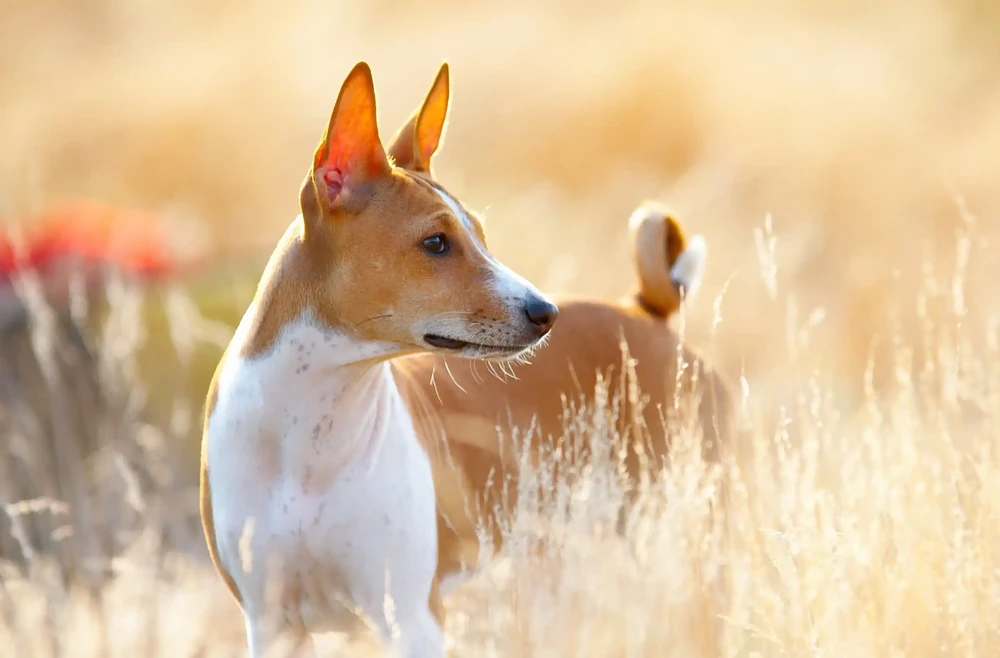
No breed is “problem free”, and newer breeds can be especially dependent on how carefully breeders manage genetics and transparency. Two issues that are often discussed in Tamaskans are hip dysplasia and epilepsy or seizure disorders. That does not mean every Tamaskan will experience them. It does mean owners should ask informed questions and expect evidence of screening and open record-keeping.3, 6
Hip dysplasia
Hip dysplasia is an inherited, polygenic condition where the hip joint does not develop as well as it should, which can contribute to arthritis and pain over time. Screening is typically done using veterinary radiographs that are scored through established schemes and databases.6, 7
If you are buying a puppy, ask what hip screening was done on both parents, which scoring scheme was used, and whether results are publicly verifiable. Good breeders expect these questions, and will usually have a clear, calm answer.
Seizures and epilepsy-style conditions
Seizures can have different causes, and a proper veterinary work-up is important rather than assuming “it is epilepsy” based on a video. International veterinary consensus guidance describes a structured approach to diagnosing idiopathic epilepsy, including history, age of onset, clinical examination, and appropriate testing when indicated.9
If you ever see seizure-like activity, treat it as a veterinary issue. Keep notes on what happened, how long it lasted, and what your dog was doing beforehand, then speak to your vet as soon as practical.
Grooming and day-to-day care, the practical reality of a double coat
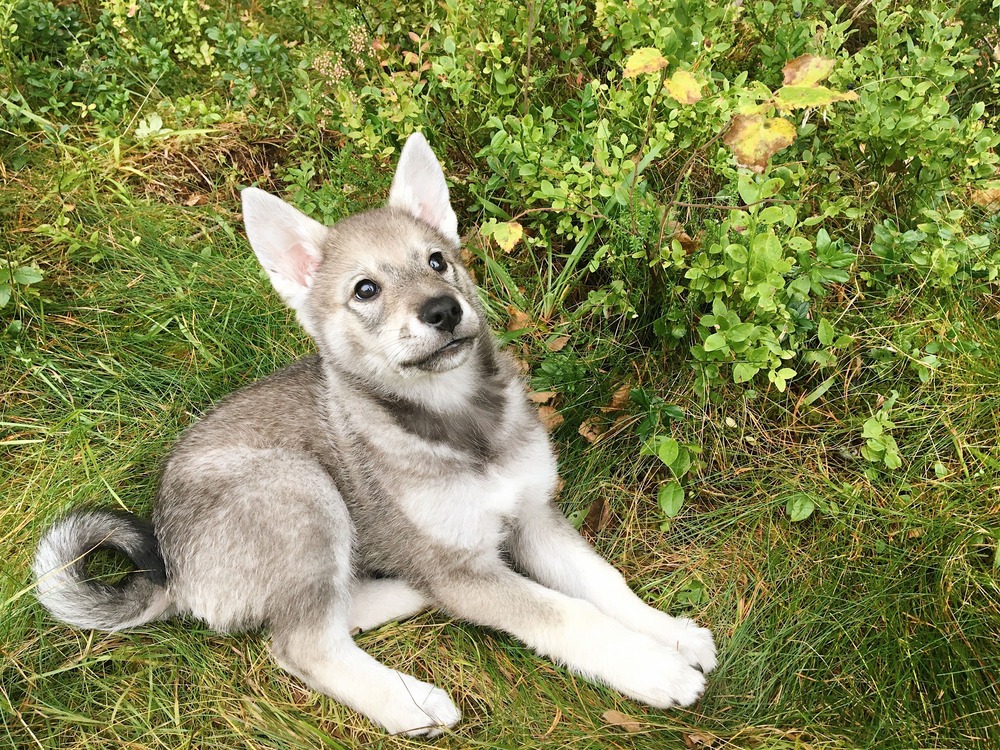
A Tamaskan’s coat is made to protect them in cold conditions, so it is dense, and it can drop heavily during seasonal sheds. Weekly brushing is a sensible baseline for many dogs, with more frequent brushing during coat blows. The goal is comfort and skin health, not perfection.
Bathing can be occasional, depending on lifestyle, and it is generally easier if you focus on rinsing thoroughly and drying well. Nails, ears and teeth are the unglamorous parts that make a real difference over a lifetime. If you are unsure how to do these comfortably, a good groomer or veterinary nurse can talk you through it without making it a drama.
Heat, exercise choices, and why “cold-tolerant” is not the same as “heat-safe”
Thick-coated, active dogs can struggle in hot weather, especially if they are enthusiastic and will keep going when they should rest. The safest approach is to shape habits that protect the dog from themselves: choose cooler parts of the day, offer shade and water, and keep sessions shorter when conditions are warm.
Australian animal welfare guidance is clear that heat stress and heatstroke are emergencies, and it helps to know the common warning signs such as heavy panting, drooling, vomiting, weakness or collapse. If you are concerned, cool the dog in a sensible way and contact your vet promptly.5, 10
Plan summer routines early, not in the middle of a heatwave. For many Tamaskans, swapping a lunchtime walk for a short sniffy outing at dawn, plus indoor enrichment later, is both safer and more satisfying.
Feeding and nutrition, keeping it simple and evidence-based
Tamaskans do best when they stay lean and well-muscled, which is as much about portion control as it is about food choice. If you are changing diets, do it gradually, and if your dog has digestive upsets, treat that as a reason to slow down and get advice, not to keep rotating foods in frustration.
When you are choosing a commercial diet, it is worth leaning on veterinary frameworks rather than internet folklore. The World Small Animal Veterinary Association provides tools and guidelines for nutritional assessment and for making sense of pet food information beyond marketing claims and ingredient-list myths.8
If you want a practical checkpoint: you should be able to feel ribs under a light layer of tissue, and your dog should have a visible waist from above. Ask your vet to score body condition at routine visits, then adjust the feeding plan with real feedback rather than guesswork.
Final thoughts, is a Tamaskan the right fit?
The Tamaskan is memorable, but living with one is not about the look. It is about the rhythm of your days, the time you can give to training and enrichment, and whether you enjoy sharing your life with an active, social dog that notices everything.
If you like purposeful walks, structured training, and a dog that wants to be involved, a well-bred Tamaskan can be a deeply satisfying companion. If your household needs an easy, low-energy pet, it may be kinder to admire this breed from afar.
References
- Wikipedia: Tamaskan Dog
- Tamaskan Dog Register: History
- Tamaskan Dog Register: The Registry
- Tamaskan Dog Register (Wolfwide Ltd): Tamaskan Standard
- RSPCA Knowledgebase: How can I protect my dog from heatstroke?
- Orthopedic Foundation for Animals (OFA): Hip Dysplasia
- The Kennel Club: Hip dysplasia screening scheme (BVA and KC)
- WSAVA: Global Nutrition Guidelines
- International Veterinary Epilepsy Task Force: Diagnostic approach to epilepsy in dogs (BMC Veterinary Research, 2015)
- RSPCA NSW: Heat stress