

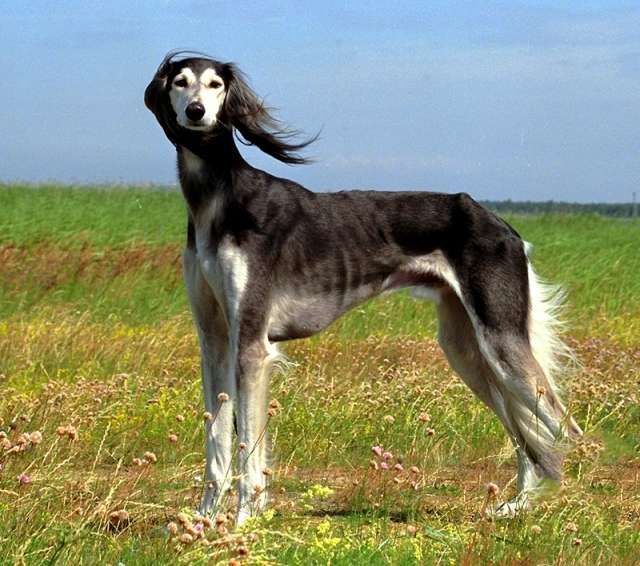
- Breed category: Sighthound
- Country of origin: Kazakhstan
- Average height: Males 60 to 70 cm, females 55 to 65 cm
- Average weight: Males 25 to 35 kg, females 20 to 30 kg
- Average lifespan: 12 to 14 years (often reported up to 15)
- Grooming requirements: Low, occasional brushing
- Exercise requirements: High, needs daily exercise and safe opportunities to run
- Coat type: Short and smooth (often with some feathering on ears and tail)
- Coat colours: Various
- Shedding level: Low to moderate
- Temperament: Loyal, intelligent, independent
- Barking tendency: Often low
- Best suited for: Active homes, ideally with secure space
- Original purpose: Hunting and coursing
- Cold sensitivity: Can feel the cold, especially after exercise
You might come across the Tazy because you have seen a lean, long-legged dog on social media that looks a bit like a Saluki, or because you have heard someone mention a “Kazakh sighthound” and wondered if it is a real, established breed. Sometimes it starts with a simple question: is this a rare type, or just a local name for something else?
The answer sits in the middle. The Kazakh Tazy is a traditional hunting sighthound from the steppe, shaped by work, climate, and a nomadic way of life. It is also a breed that is only recently being formalised in international kennel terms, which is why descriptions can vary depending on who is talking about it, a modern kennel club, a working hunter, or a breed preservation group.1
In day-to-day life, what matters most is not the label. It is whether this is the sort of dog who will fit into your home, your routines, and your local environment. Sighthounds tend to be calm indoors when their needs are met, but their needs can be quite specific, particularly around running, recall, and the instinct to chase.1
The Tazy’s heritage and why it still shows in modern dogs
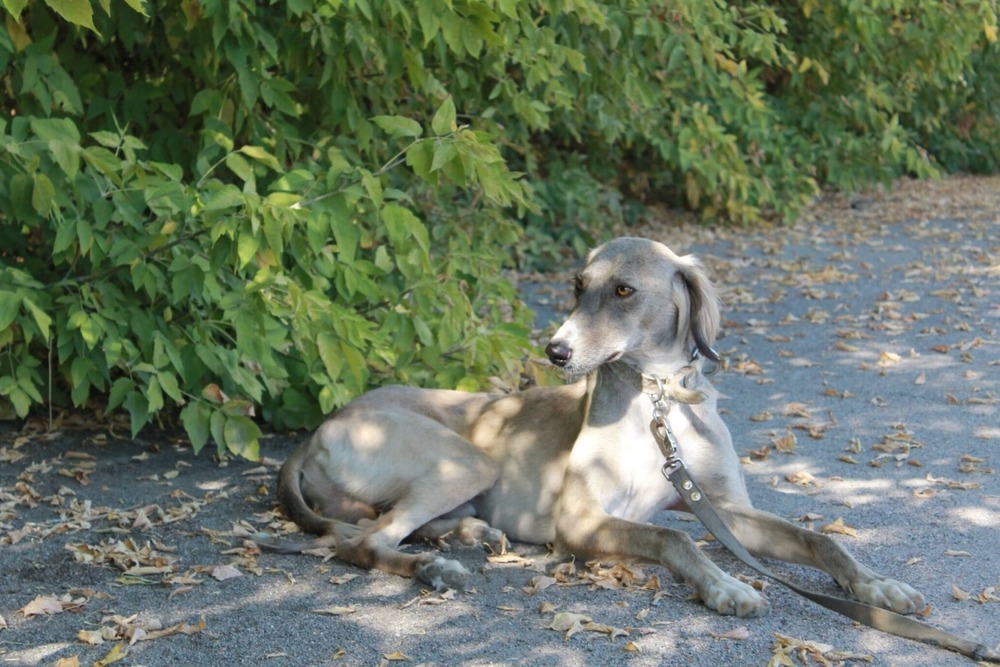
The Tazy developed as a hunting companion in Central Asia, where speed, stamina, and the ability to course game across open ground were practical necessities. In Kazakhstan, the breed is closely tied to cultural history and traditional hunting practices, which is part of why there has been renewed interest in documentation and preservation.2, 3
It can help to think of the Tazy as a working specialist rather than a general-purpose pet. That does not mean they cannot live as companion dogs, many do, but it does mean their default settings often include fast visual tracking, strong chase behaviour, and a preference for moving efficiently rather than plodding along on repetitive walks.
In September 2024, the Fédération Cynologique Internationale (FCI) accepted the Kazakh Tazy on a provisional basis and published its standard, a useful reference point because it sets out the intended physical type and overall presentation for the breed as recognised internationally.1
Appearance and movement: built for efficiency
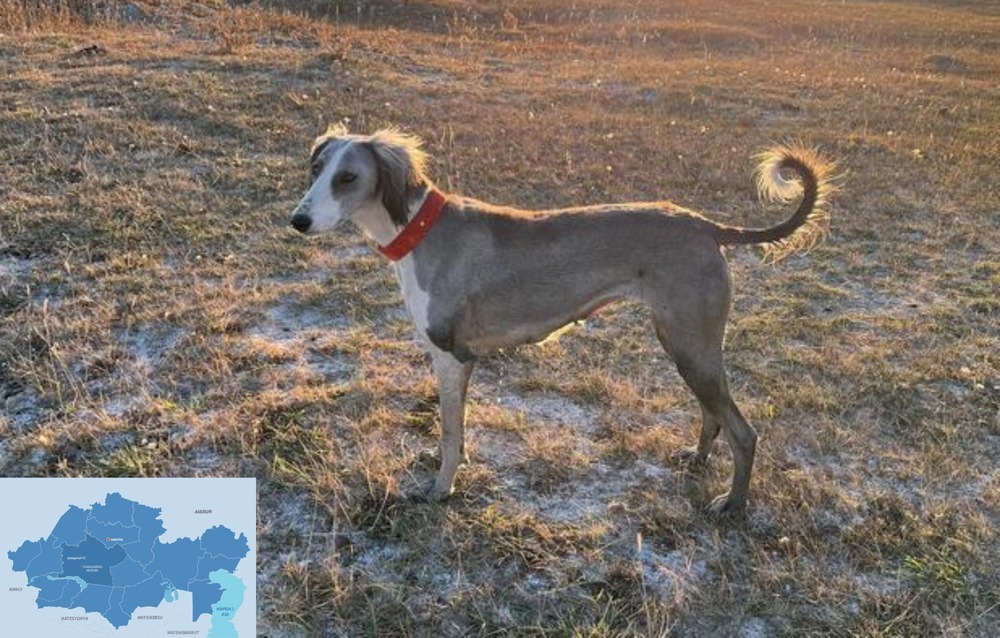
The Tazy is typically medium-sized, deep-chested, and long-legged, with a silhouette that prioritises stride length and airflow. When you watch one move well, you notice the economy of it. There is little wasted effort, which is exactly what you would expect from a dog designed to cover ground.
Coats are usually short and smooth on the body, sometimes with light feathering on ears and tail, depending on the line. Colour can vary widely. In practical terms, the coat is easy to live with, but it does not provide much insulation, so many Tazys will need help staying warm in cold or wet weather, particularly after exercise.
Speed claims can get a bit rubbery online. Sighthounds are certainly capable of very high speeds, but exact numbers depend on the individual dog, footing, conditioning, and how speed is measured. It is more reliable to plan as if a Tazy can accelerate quickly and cover distance fast, because that is the piece that affects safety and management.
Temperament and day-to-day suitability
Well-bred, well-raised Tazys are often described as intelligent and loyal, with a streak of independence that will be familiar to many sighthound people. They may be affectionate at home, then reserved with unfamiliar people in new settings. That reserve is not automatically a problem, but it does mean socialisation should be thoughtful and steady, not forced.
If you are picturing a dog who automatically lives for obedience drills, you may find the Tazy puzzling at first. Many sighthounds learn quickly, but they also tend to make their own assessments. Motivation matters more than volume or intensity.
With children, the safest approach is the usual sensible one: supervise, teach kids how to interact gently, and provide the dog with a quiet place to disengage. With other pets, especially small animals, assume there may be a chase response unless proven otherwise. That is not “bad behaviour”, it is a normal expression of a hunting type, and it needs management.
Training and exercise: meeting sighthound needs safely
Most Tazys benefit from training that is calm, consistent, and built around rewards they genuinely value. Harsh corrections often backfire with sighthounds. You may get compliance in the moment, then avoidance later.
Exercise is not only about kilometres walked. Many sighthounds are happiest with a rhythm of relaxed daily movement plus regular opportunities for full-speed running in a safe, enclosed area. Off-lead freedom in unfenced places can be risky, because a sight-triggered chase can happen before you have time to react.
- Secure fencing matters, especially in rural areas with wildlife.
- Recall training helps, but do not rely on it as your only safety plan.
- Consider muzzle training as a normal life skill, not a statement about temperament.
Health: what to watch, and what is still unknown
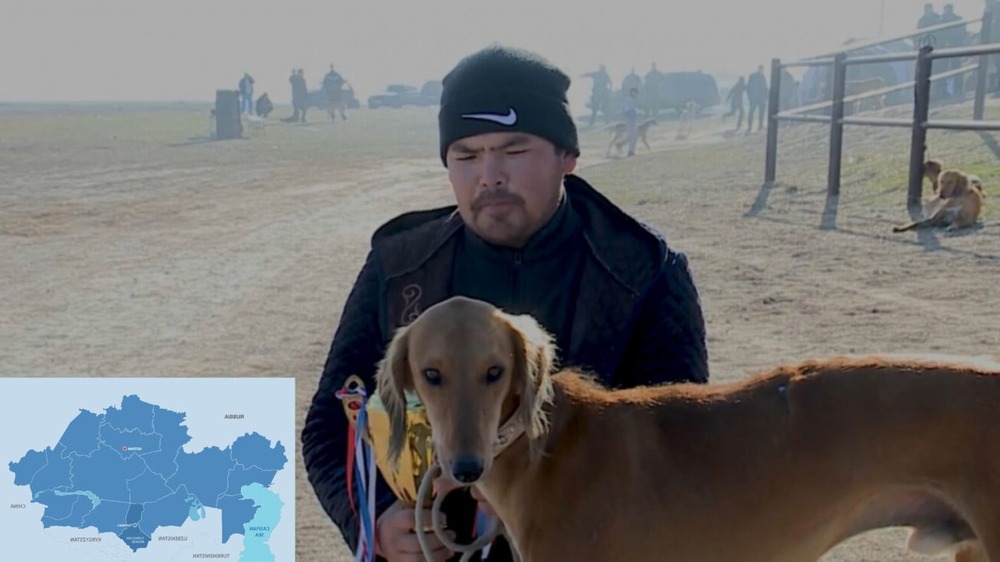
Because the Tazy is uncommon in many countries, there is less publicly summarised health data than you will find for long-established, widely registered breeds. That does not mean the dogs are unhealthy. It means you should be a bit more careful about how you interpret broad claims like “generally healthy” or lists of “common issues” that are not well sourced.
Like many medium-to-large athletic dogs, joint soundness still matters. If you are speaking with a breeder or rescue, ask what they do about orthopaedic screening, how they manage growth in puppies, and what they see most often in their own dogs over time.
There has been published genetic research on the Tazy population, which is helpful context for conservation and breeding strategies. It is not the same thing as a complete health profile, but it supports the idea that long-term stewardship is part of the modern story of this breed.3
Grooming and coat care
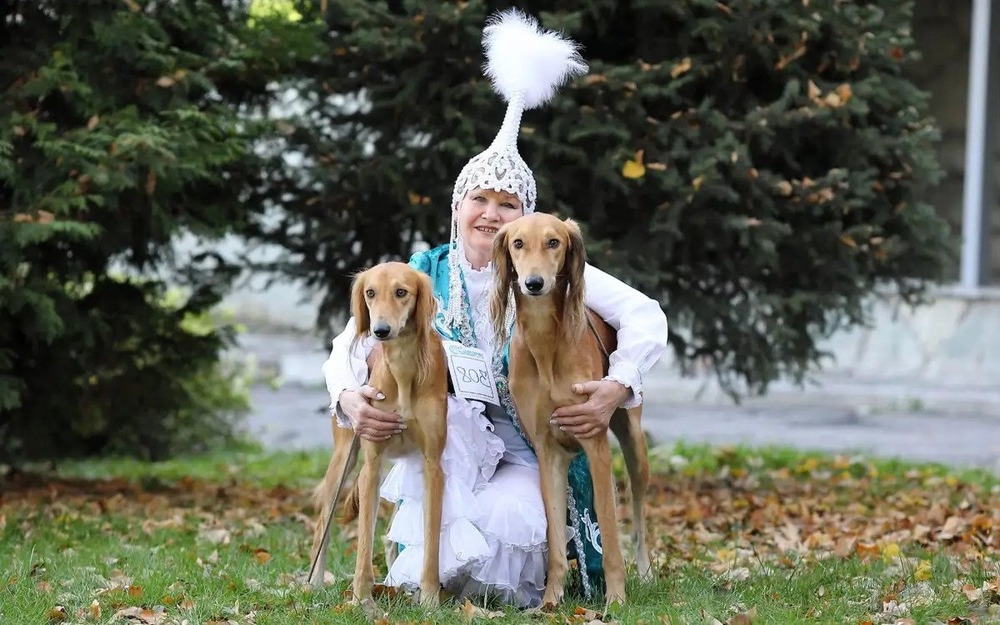
Grooming is usually straightforward. A quick brush once or twice a week is often enough to lift dust, loose hair, and small burrs. After runs in scrubby areas, it is worth checking feet and toes for grass seeds, and checking ears for debris if your dog has any feathering.
Nails matter more than many people expect in running dogs. Overlong nails can change foot strike and grip. If your dog does not wear nails down naturally, set a routine, small trims more often tend to be easier than big trims rarely.
Feeding and nutrition: keeping an athlete in good condition
Feeding a Tazy is less about a special ingredient list and more about keeping the dog lean and well-muscled. Sighthounds can look “too thin” to people used to stockier breeds, but you should still be able to feel ribs easily and see a clear waist.
Choose a complete, balanced diet suited to your dog’s age and activity, and adjust portions by monitoring body condition rather than following the bag blindly. If your Tazy is doing regular high-intensity running, talk with your vet about meal timing around exercise and whether any diet adjustments are sensible for your individual dog.
One food warning is worth stating plainly: grapes and raisins are considered toxic to dogs, and the safe dose is unknown, so avoidance is the simplest rule.4, 5, 6
Living with a Tazy: the practical trade-offs
The best homes for a Tazy are usually the ones that enjoy a dog who can be quiet indoors, then switch on outdoors. Many people are surprised by how settled a sighthound can be in the house, provided their exercise and enrichment needs are genuinely met.
What tends to catch people out is not grooming, noise, or mess. It is management. A Tazy is often easiest to live with when you plan for chase instincts, plan for secure containment, and plan for the fact that “good recall” may not look like it does with a gundog.
If you are considering one, it is worth seeking out people who actually live with the breed as it exists now, including those working within formal breed standards and those focused on traditional function. The overlap is often where you learn the most.
References
- Fédération Cynologique Internationale (FCI): KAZAKH TAZY (No. 372)
- Wikipedia: Kazakh Tazy
- Scientific Reports (2023): Homozygosity mapping in the Kazakh national dog breed Tazy
- American Kennel Club: Can Dogs Eat Grapes and Raisins?
- American College of Veterinary Pharmacists: Grapes and Raisins
- Pet Poison Helpline: Grapes (toxicity to pets)
- ASPCA: Animal Poison Control exposure cases, includes grape and raisin risk context
- Snopes: Are raisins and grapes toxic to dogs? (summary of evidence and uncertainty)